
Opening a soup kitchen is a significant undertaking that requires careful planning, dedication, and a deep commitment to serving those in need. Can you open a soup kitchen? Yes, absolutely. What is a soup kitchen? A soup kitchen is a place that provides free meals to people who cannot afford them. This guide will walk you through the entire process, from the initial spark of an idea to the successful launch of your vital community service.
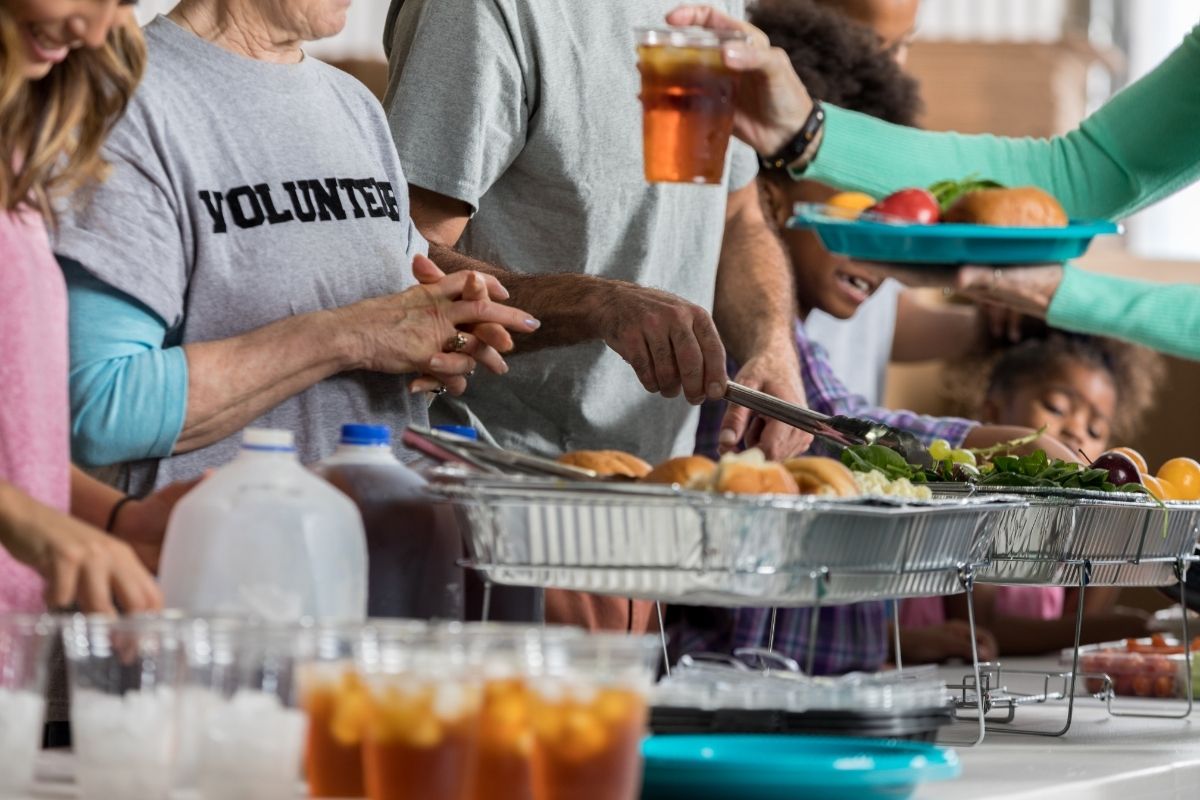
Image Source: ofhsoupkitchen.org
The Genesis of a Soup Kitchen: From Vision to Action
Every impactful initiative begins with a vision. For a soup kitchen, this vision is often born from a desire to address food insecurity and provide a safe, welcoming space for vulnerable individuals. This isn’t just about serving food; it’s about offering dignity, support, and a sense of belonging.
Defining Your Mission and Scope
Before you even think about bowls and ladles, you need to clearly define what your non-profit food program will achieve.
- What is your core mission? Is it to provide daily meals, offer nutritional education, or both?
- Who will you serve? Will you focus on the homeless, low-income families, seniors, or a broader segment of the community?
- What kind of meals will you offer? Will it be hot meals, cold meals, or a combination? Will you cater to specific dietary needs (e.g., vegetarian, gluten-free)?
- What are your operational hours? Will you serve breakfast, lunch, or dinner?
A well-defined mission will guide all your subsequent decisions and help you articulate your purpose to potential supporters.
Conducting a Needs Assessment
It’s crucial to understand the existing landscape of community food assistance in your area.
- Are there already soup kitchens or similar services? If so, what are their strengths and weaknesses? How can you complement their efforts rather than duplicate them?
- What is the level of food insecurity in your target area? Gather data from local government agencies, social services, and community organizations.
- What are the demographics of those needing assistance? This will inform your meal planning and service delivery.
A thorough needs assessment ensures that your soup kitchen will fill a genuine gap and make a tangible difference.
Laying the Groundwork: Legal and Administrative Essentials
Starting a soup kitchen involves navigating a complex web of legal and administrative requirements. Getting these right from the start is paramount for long-term success and compliance.
Navigating Legal Requirements for Charities
Establishing yourself as a legitimate charitable organization is a critical first step for any soup kitchen startup.
- Incorporate as a Non-Profit Organization: This typically involves filing articles of incorporation with your state’s Secretary of State.
- Obtain an Employer Identification Number (EIN): This is a unique nine-digit number assigned by the IRS to business entities operating in the United States for identification purposes. You’ll need this for banking and tax filings.
- Apply for 501(c)(3) Tax-Exempt Status: This is the most common designation for charities. It allows donors to make tax-deductible contributions and exempts your organization from federal income tax. The application process with the IRS can be lengthy and requires detailed information about your organization’s structure, mission, and finances.
- Register with Your State’s Charity Regulator: Most states require charities to register before soliciting donations.
- Obtain Necessary Business Licenses and Permits: Depending on your location and operations, you may need permits for food service, occupancy, and more.
Setting Up Financial Structures
Sound financial management is the backbone of any successful charity.
- Open a Dedicated Bank Account: Keep your organization’s finances separate from personal accounts.
- Develop a Budget: Create a realistic budget that outlines anticipated expenses (rent, utilities, food, insurance, supplies) and potential revenue sources (grants, donations, fundraising events).
- Implement Accounting Systems: Choose an accounting software or system to track income and expenses accurately. This is vital for transparency and reporting.
Securing Your Location and Facilities
The physical space for your soup kitchen is more than just a building; it’s a hub of activity and a safe haven.
Finding the Right Venue
The location of your soup kitchen significantly impacts accessibility and operational efficiency.
- Accessibility: Is the location easily reachable by public transportation? Is it accessible for individuals with disabilities?
- Proximity to Target Population: Being close to where your clients live or gather can increase attendance.
- Safety and Security: The neighborhood should be safe for both volunteers and clients.
- Zoning and Permits: Ensure the location is zoned for the type of activity you intend to conduct.
Facility Requirements
Your facility must meet strict health and safety standards, especially when dealing with food.
- Kitchen Space: This needs to be equipped with commercial-grade cooking equipment, ample preparation surfaces, and proper ventilation.
- Dining Area: A clean and welcoming space for guests to eat.
- Storage Areas: Separate, clean, and organized areas for dry goods, refrigerated items, and frozen foods.
- Restroom Facilities: Clean and accessible restrooms for guests and volunteers.
- Handwashing Stations: Multiple readily available handwashing stations are critical.
Building Your Team: Volunteer Recruitment and Management
A soup kitchen relies heavily on the dedication and hard work of its volunteers. Effective volunteer recruitment and management are key to sustained operation.
Strategies for Volunteer Recruitment
- Community Outreach: Partner with local community centers, churches, schools, and universities.
- Online Platforms: Utilize volunteer matching websites and social media.
- Word-of-Mouth: Encourage existing volunteers to spread the word.
- Targeted Recruitment: Seek out individuals with specific skills, such as culinary experience, organizational abilities, or grant writing expertise.
Volunteer Training and Support
- Orientation: Provide a thorough orientation covering the mission, values, and operational procedures of the soup kitchen.
- Role-Specific Training: Train volunteers on tasks like food preparation, serving, cleaning, and guest interaction.
- Safety Training: Emphasize food safety regulations and general safety protocols.
- Ongoing Support: Foster a positive and supportive environment. Recognize volunteer contributions and address any concerns promptly.
Volunteer Roles
Volunteers can fill a variety of crucial roles:
- Kitchen Staff: Cooks, prep cooks, dishwashers.
- Serving Staff: Those who plate and distribute meals.
- Front Desk/Greeters: Welcoming guests and providing information.
- Donation Sorters: Organizing incoming food and supply donations.
- Clean-up Crew: Ensuring the facility is spotless after service.
- Administrative Support: Helping with paperwork, data entry, or communications.
Sourcing and Managing Food: The Heart of Your Operation
Effective food donation management is essential for a sustainable food service charity.
Building Relationships with Food Suppliers
- Local Grocery Stores and Supermarkets: Many offer near-expiration or surplus food donations.
- Food Banks and Food Pantries: These organizations can be invaluable partners, providing bulk food items.
- Farmers and Agricultural Producers: Consider partnerships for fresh produce.
- Wholesale Food Distributors: They may offer discounted prices or donations.
- Community Food Drives: Organize regular food drives within your community.
Receiving and Storing Food
- Quality Control: Inspect all donated food for spoilage or damage.
- Proper Storage: Adhere strictly to food safety regulations for storing perishable and non-perishable items. This includes maintaining correct refrigerator and freezer temperatures.
- Inventory Management: Keep track of what you have, its expiration dates, and what you need.
Menu Planning and Preparation
- Nutritious and Balanced Meals: Aim to provide well-rounded meals that meet nutritional guidelines.
- Cost-Effectiveness: Plan menus that utilize donated ingredients efficiently.
- Variety: Offer a rotating menu to provide variety for regular guests.
- Hygiene: Strict adherence to hygiene protocols during food preparation is non-negotiable.
Ensuring Food Safety: A Top Priority
Compliance with food safety regulations is not optional; it’s fundamental to protecting your guests and your organization’s reputation.
Key Food Safety Principles
- Cleanliness: Regular and thorough cleaning of all surfaces, equipment, and utensils.
- Temperature Control: Maintaining proper hot-holding and cold-holding temperatures for food. This includes the “danger zone” – the temperature range between 40°F (4°C) and 140°F (60°C) where bacteria multiply rapidly.
- Cross-Contamination Prevention: Separating raw and cooked foods, using different cutting boards and utensils for different food types.
- Proper Cooking Temperatures: Ensuring foods are cooked to the appropriate internal temperatures to kill harmful bacteria.
- Handwashing: Frequent and thorough handwashing for all staff and volunteers.
- Pest Control: Implementing measures to prevent pests from entering the facility.
Training and Certification
- Food Handler Permits: Ensure all individuals involved in food preparation and service have the necessary food handler permits or certifications as required by local health departments.
- Ongoing Education: Provide regular training refreshers on food safety practices.
Funding Your Soup Kitchen: A Crucial Endeavor
Funding a soup kitchen requires a multi-faceted approach, combining diverse revenue streams to ensure sustainability.
Grant Writing and Applications
- Research Funding Opportunities: Identify grants from government agencies, private foundations, and corporate social responsibility programs that support food security and community services.
- Develop Strong Proposals: Craft compelling grant proposals that clearly articulate your mission, needs, projected impact, and budget.
Donor Cultivation and Fundraising Events
- Individual Donors: Build relationships with individuals who are passionate about your cause.
- Corporate Sponsorships: Seek partnerships with local businesses.
- Fundraising Events: Organize events like charity dinners, bake sales, or sponsored walks.
- Online Fundraising: Utilize online platforms for donation collection and campaigns.
In-Kind Donations
Beyond food, your soup kitchen will need supplies, equipment, and even volunteer time.
- Donated Equipment: Seek donations of kitchen appliances, serving ware, and cleaning supplies.
- Material Donations: Collect items like cleaning products, paper goods, and toiletries.
- Pro Bono Services: Engage professionals who can offer services like accounting, legal advice, or marketing expertise for free.
Meal Distribution Planning: Efficiency and Dignity
Effective meal distribution planning ensures that food reaches those who need it in an organized and respectful manner.
Service Models
- Dine-In Service: Guests eat on-site in a communal setting. This fosters social connection.
- Take-Out Service: Pre-packaged meals are provided for guests to take with them.
- Delivery Service: For homebound individuals, consider a delivery system.
Operational Flow
- Guest Flow: Design a clear and efficient path for guests to move through the serving line, from entry to exit.
- Volunteer Stationing: Strategically place volunteers to guide guests and manage the flow.
- Meal Packaging: If offering take-out, have efficient systems for packaging meals.
Managing Peak Times
- Staffing Levels: Ensure you have adequate volunteer coverage during busy periods.
- Pre-Preparation: Have as much food prepared as possible before service begins.
- Communication: Clear communication among volunteers is vital for smooth operations.
The Impact of Your Soup Kitchen: Beyond the Meal
Your soup kitchen is more than just a place to get a meal; it’s a cornerstone of community food assistance.
Building Community
- A Safe and Welcoming Space: Provide a place where guests feel respected and valued.
- Social Interaction: Facilitate opportunities for guests to connect with each other and with volunteers.
- Support Services: Consider partnering with other organizations to offer additional support, such as job counseling, health screenings, or legal aid.
Measuring Success
- Number of Meals Served: A basic metric of reach.
- Guest Feedback: Actively solicit feedback from your guests to identify areas for improvement.
- Volunteer Retention: High volunteer retention rates indicate a positive and effective program.
- Community Partnerships: The strength of your collaborations reflects your impact.
Table: Essential Setup Checklist for Your Soup Kitchen Startup
| Category | Items to Address | Status (Done/To Do) | Notes |
|---|---|---|---|
| Legal & Administrative | Non-profit incorporation | State Secretary of State | |
| EIN application | IRS | ||
| 501(c)(3) application | IRS | ||
| State charity registration | State Attorney General/Charity Bureau | ||
| Business licenses & permits | Local government | ||
| Dedicated bank account | |||
| Accounting system | Software or ledger | ||
| Location & Facilities | Secure a suitable venue | Zoning, accessibility, safety | |
| Facility modifications/renovations | Kitchen, dining, storage, restrooms | ||
| Obtain occupancy permits | Local building department | ||
| Install essential equipment | Stoves, refrigerators, sinks, prep tables | ||
| Team Building | Develop volunteer roles and descriptions | ||
| Create volunteer training materials | Mission, safety, procedures | ||
| Recruit initial core volunteer team | |||
| Establish volunteer management system | Scheduling, communication, recognition | ||
| Food Sourcing & Safety | Establish partnerships with food suppliers | Grocery stores, food banks, farms | |
| Develop food donation intake procedures | Inspection, logging | ||
| Implement food storage and inventory system | Temperature logs, FIFO (First-In, First-Out) | ||
| Develop menu planning process | Nutrition, cost, variety | ||
| Train volunteers on food safety regulations | Handwashing, temperature control, cross-contamination | ||
| Obtain necessary food handler permits | |||
| Funding & Finances | Develop a comprehensive budget | Start-up and operating costs | |
| Research and apply for grants | Foundations, government | ||
| Plan fundraising events/campaigns | |||
| Solicit individual and corporate donations | |||
| Secure initial funding to cover start-up costs | |||
| Operations | Develop meal distribution plan | Service model, flow, scheduling | |
| Create cleaning and maintenance schedule | |||
| Establish communication protocols for volunteers and staff | |||
| Plan for insurance needs | General liability, property insurance |
Frequently Asked Questions (FAQ)
How much does it cost to open a soup kitchen?
The cost can vary significantly based on your location, facility needs, and initial operational scale. Start-up costs can range from a few thousand dollars for a very basic setup relying heavily on donated space and equipment, to tens or even hundreds of thousands of dollars for a fully equipped facility with ongoing operational expenses. Key costs include facility rent or purchase, renovations, kitchen equipment, permits, insurance, initial food supplies, and administrative expenses.
What are the most important food safety regulations for a soup kitchen?
The most critical regulations revolve around temperature control (keeping hot foods hot and cold foods cold, avoiding the “danger zone”), preventing cross-contamination (keeping raw and cooked foods separate), proper handwashing for all staff and volunteers, ensuring all food is cooked to safe internal temperatures, and maintaining a clean and sanitary environment. Always consult your local health department for specific requirements in your area.
How can I find volunteers?
Effective volunteer recruitment involves a multi-pronged approach. Reach out to local community groups, schools, universities, churches, and service organizations. Utilize online platforms like VolunteerMatch or Idealist. Social media can also be a powerful tool. Clearly communicate the impact volunteers make and the specific roles available.
What kind of food donations are most helpful?
Non-perishable food items like canned goods (vegetables, fruits, soups, beans), pasta, rice, and cereal are always needed. Fresh produce from local farmers or grocery stores is also invaluable for providing nutritious meals. Donated proteins like ground meat, chicken, or eggs are also highly sought after. It’s also important to have a system for managing monetary donations, which can be used to purchase items not received through donations.
Do I need special permits to serve food?
Yes, absolutely. You will typically need permits from your local health department to serve food to the public. This often involves inspections of your facility and adherence to food safety regulations. You may also require business licenses and occupancy permits from your local city or county government. It’s essential to research the specific requirements in your jurisdiction.
How do I ensure my non-profit food program is sustainable?
Sustainability is achieved through a combination of strong financial management, diverse funding streams (grants, individual donors, corporate sponsorships, fundraising events), efficient operations, effective food donation management, and a dedicated, well-managed volunteer base. Building strong community partnerships and demonstrating consistent impact are also crucial for long-term support.
Opening a soup kitchen is a challenging yet profoundly rewarding endeavor. By meticulously planning, adhering to regulations, building a strong team, and focusing on your mission, you can create a vital resource that nourishes and supports your community for years to come.