
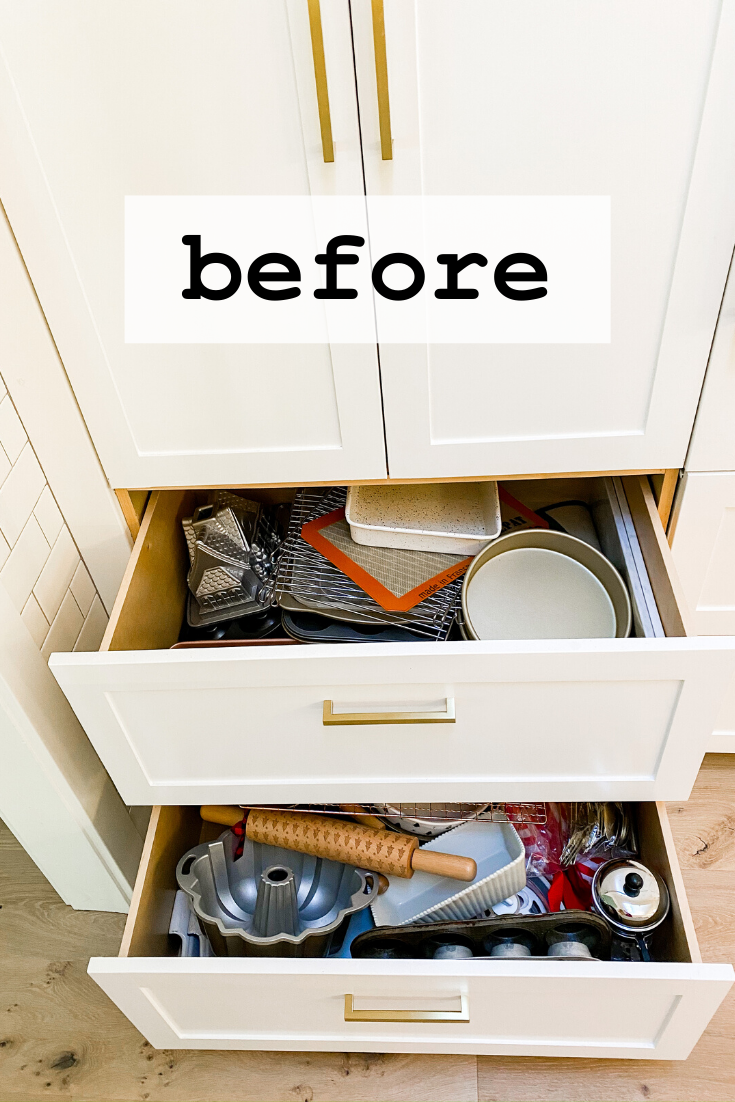
Image Source: www.modern-glam.com
Your Guide: How To Organize Deep Kitchen Drawers
What is the best way to organize deep kitchen drawers? The best way to organize deep kitchen drawers is by using a combination of decluttering, strategic placement, and appropriate drawer organizers.
Deep kitchen drawers can be a blessing or a curse. They offer ample storage for bulky items like pots, pans, and small appliances, but without proper organization, they quickly descend into chaotic jumbles. If you’re tired of digging through a black hole to find that one spatula or lid, this guide is for you. We’ll delve into proven methods to transform your deep drawers from disaster zones into functional, efficient spaces, maximizing every inch of kitchen drawer storage and exploring various deep drawer solutions.
Decluttering: The Essential First Step
Before you even think about buying new organizational tools, you must tackle the clutter. Deep drawers often become repositories for forgotten items, broken gadgets, and duplicate utensils.
Why Declutter?
- Easier Access: Less stuff means you can find what you need faster.
- More Space: You’ll be surprised how much room you gain by removing unwanted items.
- Reduced Waste: Identify items you can donate or discard, preventing unnecessary purchases.
- Better Hygiene: A clean, organized drawer is easier to keep sanitary.
How to Declutter Your Deep Drawers:
- Empty Everything: Pull every single item out of the drawer. Yes, all of it. This is crucial for a true assessment.
- Sort into Piles: Create distinct piles:
- Keep: Items you use regularly and need.
- Donate/Sell: Items in good condition that you no longer need or use.
- Discard: Broken, damaged, or unusable items.
- Relocate: Items that belong in a different part of the kitchen or house.
- Be Ruthless: Ask yourself:
- When was the last time I used this?
- Do I have multiples of this item?
- Is it broken or in poor condition?
- Do I really need this?
- If I lost it, would I buy another one?
- Clean the Drawer: Once empty, wipe down the drawer with a damp cloth. Consider applying shelf liners to protect the drawer base and prevent items from sliding.
Strategic Placement: Thinking About What Goes Where
Once you’ve decluttered, it’s time to think about how to arrange the items you’re keeping. Consider the frequency of use and the type of items.
Grouping Similar Items:
The easiest way to keep deep drawers organized is to group like items together. This makes it simple to find what you need and prevents smaller items from getting lost.
- Baking Utensils: Whisks, spatulas, measuring cups, cookie cutters.
- Cooking Utensils: Ladles, serving spoons, tongs, pasta servers.
- Prep Tools: Peelers, graters, can openers, garlic presses.
- Lids: A common culprit for chaos, lids need their own dedicated space.
- Small Appliances/Gadgets: Hand mixers, immersion blenders, food processors, panini presses.
- Oven Mitts and Pot Holders: These are bulky and best kept together.
Frequency of Use:
Place frequently used items at the front of the drawer for easy access. Less frequently used items can be placed towards the back or in deeper, less accessible sections.
Leveraging Drawer Organizers: Your Best Friends
This is where the magic happens. Drawer organizers are specifically designed to maximize drawer inserts and bring order to chaos. For deep drawers, you need solutions that can handle volume and depth.
Types of Drawer Organizers for Deep Drawers:
Drawer Dividers:
These are incredibly versatile for deep drawers. They create distinct compartments within the drawer, preventing items from sliding and mingling.
- Adjustable Dividers: These are often made of metal or plastic and can be expanded or contracted to fit the width of your drawer. They are excellent for creating custom sections for long items like baking sheets or cutting boards.
- Expandable Dividers: Similar to adjustable ones, these typically have spring-loaded mechanisms to keep them firmly in place.
- Fixed Dividers: These are usually installed permanently. They work best if you have very specific needs for each section.
Table 1: Benefits of Drawer Dividers
| Benefit | Description |
|---|---|
| Creates Sections | Prevents items from shifting and mixing, keeping categories separate. |
| Maximizes Vertical Space | Allows you to stack items neatly within each compartment. |
| Easy Access | Items are upright or neatly fanned out, visible and reachable. |
| Customizable | Adjustable dividers allow you to tailor the layout to your specific items. |
| Prevents Damage | Stops sharp objects from scratching other items. |
Drawer Organizers with Compartments:
These are pre-made trays or inserts with multiple slots. They are perfect for smaller, frequently used items.
- Utensil Trays: While standard trays might not fit the depth of deep drawers, look for deeper versions or stackable organizers.
- Bin Organizers: Small bins or baskets are excellent for grouping smaller gadgets like measuring spoons, citrus juicers, or bottle openers. You can arrange these bins within the deep drawer to create zones.
Vertical Storage Solutions:
Deep drawers are ideal for vertical storage, which can dramatically increase the amount of items you can fit.
- Vertical Pan and Lid Organizers: These racks allow you to store baking sheets, cutting boards, pot lids, and even shallow pans upright. They are game-changers for deep drawers.
- Spice Racks (Tiered): If you have a dedicated spice drawer, tiered racks allow you to see all your spices at a glance.
- Tiered Shelving Inserts: These create mini-shelves within the drawer, allowing you to stack items like cans or small containers.
Specialty Organizers:
- Knife Blocks (In-Drawer): If you don’t have counter space for a traditional knife block, an in-drawer version is a safe and organized solution.
- Roll-Out Organizers/Trays: While not strictly an organizer within the drawer, pull-out drawers or roll-out shelves are an excellent deep drawer solution. They bring the contents of the drawer to you, making access effortless. These are particularly useful for very deep or heavy drawers. Many can be retrofitted into existing cabinets.
DIY Solutions:
Don’t underestimate the power of a well-placed shoebox or repurposed container!
- Shoe Boxes/Cardboard Boxes: Cut down to size, these can act as excellent impromptu bins for grouping items.
- Tin Cans: Cleaned and with any sharp edges removed, cans can hold utensils.
- Plastic Containers: Yogurt cups, margarine tubs, or takeaway containers can be used for smaller items.
Containerizing Kitchen Drawers: The Art of Zoning
Containerizing kitchen drawers means using various containers to compartmentalize items. This is essential for deep drawers.
How to Containerize Deep Drawers:
- Assess Your Items: What are the shapes and sizes of the items you need to store?
- Choose Your Containers: Select bins, baskets, or dividers that fit your items and the drawer depth.
- For small items (e.g., measuring spoons, bag clips), opt for smaller, shallow bins.
- For longer items (e.g., spatulas, whisks), choose deeper bins or use vertical dividers.
- For bulky items (e.g., oven mitts), you might use larger bins or simply group them together in a dedicated section.
- Create Zones: Designate specific areas within the drawer for each category of item. Use your containers to define these zones. For example:
- One section might have a bin for baking tools.
- Another section might have a vertical organizer for pot lids.
- A third section might hold a deep utensil tray for cooking tools.
- Stack When Possible: Use tiered organizers or stackable bins to take advantage of the vertical space. Ensure you can still access the lower items easily.
Maximizing Drawer Space: Smart Strategies
Beyond organizers, other strategies can help you get the most out of your deep drawers.
Think Vertically:
This is the golden rule for deep drawers. If you can store items upright, you’ll fit significantly more.
- Use vertical dividers.
- Invest in tiered shelving or risers.
- Store baking sheets and cutting boards on their sides.
Layering:
Sometimes, layering is necessary.
- Use a shallow tray for frequently used items on top.
- Store less-used items underneath.
- Ensure you can still access the bottom layer without disturbing the top.
Use the Full Depth:
Don’t let the back of your deep drawers become a graveyard for forgotten items.
- Use organizers that extend to the back of the drawer.
- Consider pull-out drawers which make accessing the entire depth simple.
- Place less-used items at the back, but make sure you know they are there!
Labeling:
While not strictly an organizational tool, labeling containers or sections can be incredibly helpful, especially in deep drawers where items can be hidden.
Organizing Specific Deep Drawer Contents
Let’s look at common items found in deep kitchen drawers and how to organize them.
Pots and Pans
- Vertical Storage: Use vertical pan organizers to store pots and pans upright. This prevents them from stacking into an immovable tower.
- Lids: Store lids vertically in a separate pan organizer or in a dedicated section using lid dividers.
- Stacking: If you must stack, consider using pot protectors between each pot to prevent scratching.
Baking Sheets, Cutting Boards, and Trays
- Vertical Dividers: These are ideal for storing these items on their sides. This keeps them upright and easily accessible.
- Drawer Width: Ensure your dividers or organizers are appropriately sized for the width of your drawer.
Utensils and Gadgets
- Compartmentalized Trays: Use trays with multiple compartments for smaller utensils like spatulas, whisks, and peelers.
- Bins and Baskets: Group similar utensils into smaller bins within the main drawer. This prevents them from rolling around and mixing.
- Vertical Holders: Some deep drawers can accommodate taller utensil holders that stand upright.
Small Appliances
- Dedicated Sections: If you store small appliances like hand mixers or blenders, give them their own defined space.
- Containerize: Use bins or trays to keep cords tidy and appliances from shifting.
- Frequency: Store frequently used appliances at the front for easy access.
Linens (Oven Mitts, Tea Towels)
- Fold and Stack: Fold oven mitts and tea towels neatly and stack them in a dedicated section.
- Bins: A soft-sided bin can help keep these items contained and prevent them from becoming messy.
Integrating Organizers with Cabinet Organizers
It’s important to remember that drawers are part of your overall kitchen cabinet system. Cabinet organizers can complement your drawer solutions.
- Consider Drawer Height: When choosing drawer inserts or organizers, be mindful of the drawer’s actual height. Some deep drawers might have a smaller usable height due to the drawer slides or the cabinet frame.
- Pull-Out Shelves: If your deep drawers are particularly difficult to access, consider converting them to pull-out drawers. This is a significant but highly effective upgrade. These are essentially shelves that slide out of the cabinet, bringing everything within easy reach.
- Cohesion: Aim for a cohesive look and feel across your kitchen. If you use a particular style of organizer in your drawers, consider similar solutions for your cabinets.
Maintaining Your Organized Deep Drawers
Organization isn’t a one-time event; it’s an ongoing process.
- Put Items Back Immediately: The easiest way to maintain order is to return items to their designated spots as soon as you’re done with them.
- Regular Purge: Schedule a quick declutter session every few months. You’ll be surprised how quickly clutter can creep back in.
- Adjust as Needed: Your kitchen needs may change. Don’t be afraid to reconfigure your drawer organization system if it’s no longer working for you.
Frequently Asked Questions (FAQ)
Q1: What are the best drawer dividers for deep kitchen drawers?
A1: Adjustable or expandable drawer dividers made of sturdy material like metal or strong plastic are generally best for deep drawers. They allow you to customize the space for different-sized items.
Q2: Can I stack containers in deep drawers?
A2: Yes, you can stack containers, but ensure that the items in the lower containers are still accessible and that the stack is stable. Tiered shelving inserts are also a great way to create layers without unstable stacking.
Q3: How do I organize pot lids in a deep drawer?
A3: Vertical pot lid organizers or upright dividers are excellent for keeping lids organized and preventing them from toppling over.
Q4: What are pull-out drawers and how do they help with deep drawers?
A4: Pull-out drawers are essentially shelves that slide out of the cabinet. They make accessing items in deep drawers much easier as you don’t have to reach to the back. They bring the entire contents of the drawer to the front.
Q5: Is it worth investing in professional drawer organizers?
A5: Yes, investing in quality drawer organizers can be very worthwhile. They are designed to be durable and functional, helping you maximize space and maintain order efficiently.
By implementing these strategies, you can transform your deep kitchen drawers from frustrating messes into highly functional, organized storage spaces. Happy organizing!