
Can you paint kitchen cupboards without sanding? Yes, you absolutely can! This guide will show you how to achieve a beautiful, durable finish on your kitchen cabinets without the tedious task of sanding. It’s a fantastic way to give your kitchen a fresh new look, often called a DIY kitchen cabinet refresh, without a huge expense or a lot of hassle. We’ll cover everything from cleaning and prep to choosing the right paint and ensuring a long-lasting result. Get ready for a transformed kitchen!
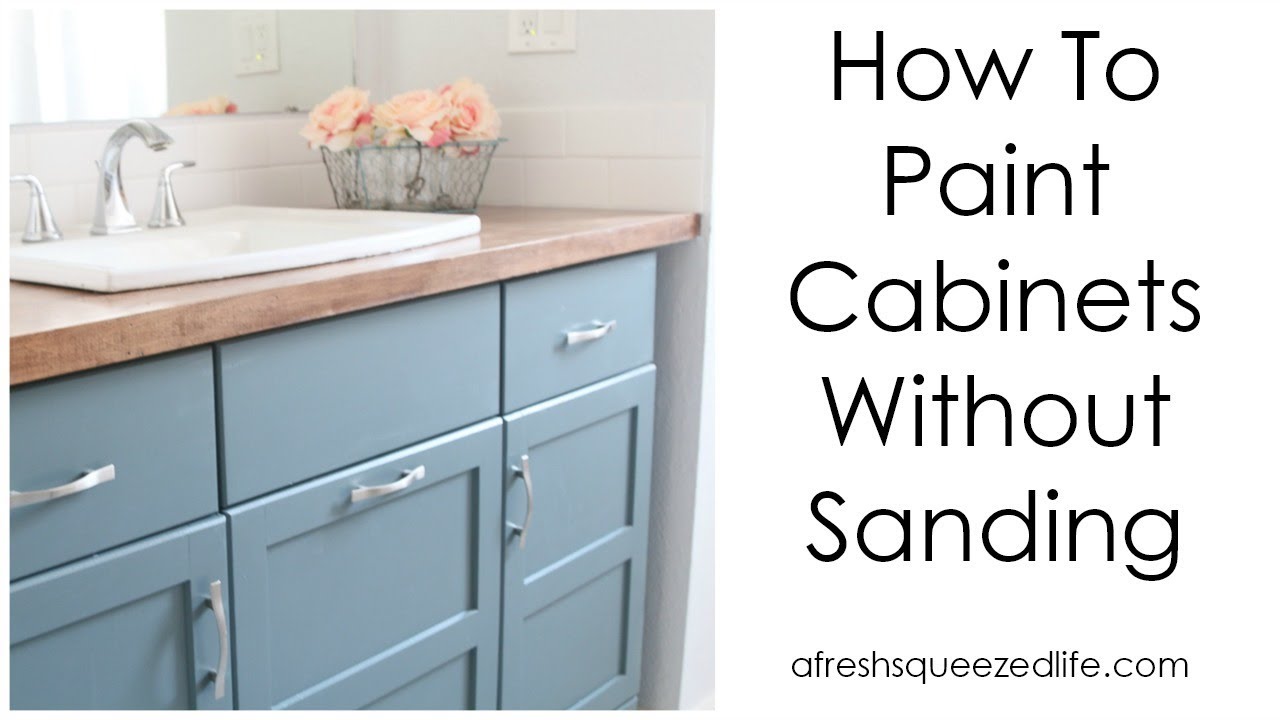
Image Source: i.ytimg.com
Why Skip the Sanding?
Sanding is often seen as a necessary evil in painting projects. It creates a rough surface for new paint to adhere to. However, for many cabinet types, especially those with a laminate or pre-finished surface, traditional sanding can be difficult, time-consuming, and can even damage the material.
The good news is that modern advancements in paint technology have made it possible to bypass sanding entirely. Special primers and paints are formulated to bond directly to slick surfaces. This means you can achieve a professional-looking finish with significantly less effort. This approach is especially popular for cabinet resurfacing no sanding projects, offering a quick and effective makeover.
Getting Started: Your No-Sand Cabinet Painting Journey
Embarking on a DIY kitchen cabinet refresh without sanding is a smart move. The key to success lies in thorough preparation. This isn’t the part to rush!
Essential Supplies You’ll Need
Before you begin, gather all your materials. Having everything on hand will make the process smoother.
- Degreaser for Cabinets: A strong cleaner is crucial.
- Screwdriver or Drill: To remove cabinet doors and hardware.
- Painter’s Tape: For protecting areas you don’t want to paint.
- Drop Cloths: To protect your floors and countertops.
- Lint-Free Cloths or Rags: For cleaning and applying cleaner.
- Foam Rollers: For smooth, even application on flat surfaces.
- High-Quality Paint Brushes: For cutting in edges and details.
- Primer: Specifically designed for slick surfaces (often called a bonding primer).
- Cabinet Paint: A durable, high-quality paint.
- Optional: Tack Cloth: To pick up any lingering dust.
- Optional: Small Container: For dipping your brush or roller.
The Crucial First Step: Deep Cleaning
This is arguably the MOST important step when you’re aiming for cabinet painting prep no sanding. Kitchen cabinets are notorious for accumulating grease, grime, and food splatters. If you paint over this, your new paint job will fail.
Step 1: Remove Cabinet Doors and Hardware
- Use your screwdriver or drill to carefully remove all cabinet doors and drawer fronts.
- Label each door and its corresponding cabinet frame with masking tape. This will save you a lot of confusion when it’s time to reassemble.
- Remove all hinges, handles, and knobs. Store them in a safe place, perhaps in a sealed bag with their corresponding door label.
Step 2: Thoroughly Clean Everything
This is where your degreaser for cabinets comes into play. You need to get rid of all grease, oil, and residue.
- Mix your degreaser: Follow the manufacturer’s instructions for your chosen degreaser for cabinets. Some are concentrated and need dilution, while others are ready to use.
- Work in sections: Don’t try to clean all the doors at once. Take one door at a time.
- Apply the degreaser: Use a lint-free cloth or sponge to apply the degreaser liberally to the surface.
- Scrub gently: Use a soft-bristled brush or a clean cloth to gently scrub away the grime. Pay close attention to edges and any textured areas.
- Wipe clean: Use a clean, damp lint-free cloth to wipe away all the degreaser residue. Rinse your cloth frequently.
- Dry completely: Ensure each surface is completely dry before moving on. Any moisture can affect primer adhesion.
Important Note: If you have very stubborn, baked-on grease, you might need to repeat the cleaning process or use a slightly stronger degreaser. Always test in an inconspicuous area first.
Priming for Perfection: The Foundation of Your Paint Job
Even though we’re skipping sanding, priming kitchen cabinets is non-negotiable for a successful no-sand paint job. A good primer acts as a bridge between your cabinet surface and your topcoat, ensuring excellent adhesion and a smooth finish.
Choosing the Right Primer
For a no-sand approach, you need a special type of primer. Look for:
- Bonding Primer: These primers are designed to stick to slick surfaces like laminate, melamine, vinyl, and previously finished wood or metal.
- Adhesion Primer: Similar to bonding primers, these are formulated for difficult-to-paint surfaces.
- Oil-Based or Shellac-Based Primer: These are often recommended for maximum adhesion, especially on glossy or laminate surfaces. They also offer excellent stain-blocking properties. Water-based primers can work, but you must ensure they are specifically formulated for bonding to slick surfaces.
How to Apply Primer
Proper primer application is key to a smooth, durable finish.
Step 1: Protect Your Workspace
- Lay down drop cloths to cover your floors and countertops.
- Use painter’s tape to mask off any areas you don’t want to paint, like the insides of cabinets or the backsplash.
Step 2: Apply the Primer
- Stir the primer well: Ensure any pigments or binders are fully mixed.
- Use a roller for flat surfaces: Load your foam roller with primer and apply it evenly to the cabinet doors and drawer fronts. Use long, overlapping strokes. Avoid overloading the roller, which can lead to drips.
- Use a brush for edges and details: Use a high-quality angled brush to get into corners and around any routed details.
- Apply thin coats: It’s always better to apply two thin coats of primer than one thick coat. This prevents drips and ensures even coverage.
- Let it dry thoroughly: Follow the manufacturer’s instructions for drying times. This is critical for proper adhesion.
Step 3: Lightly Scuff (Optional but Recommended)
While the goal is no sanding, a very light scuff-sand with a fine-grit sanding sponge (220 grit or higher) after the primer has dried can further improve adhesion and smooth out any minor imperfections. Use a very light touch. If you do this, be sure to wipe away all dust with a tack cloth or a slightly damp lint-free cloth. This step is often skipped in true no-sand cabinet paint jobs, but it’s a good insurance policy for durability.
Selecting the Best Paint for Your Cabinets
The type of paint you choose will significantly impact the durability and appearance of your finished cabinets. For kitchen cabinets, durability is paramount due to daily wear and tear.
Types of Durable Cabinet Paint
- Cabinet and Furniture Paints: These are specifically formulated for high-traffic areas. They are typically water-based acrylic or alkyd (oil-modified) formulas that offer excellent adhesion and a hard, durable finish.
- Enamels: Both water-based and oil-based enamels provide a hard, durable finish. Oil-based enamels are known for their exceptional durability and smooth finish but can be harder to clean up and may have stronger fumes. Water-based enamels have improved significantly and offer a great balance of durability and ease of use.
- Chalk Paint: While popular for a matte, vintage look, chalk paint cabinets no sanding can work, but they require a very durable topcoat (like polyurethane or wax) to withstand kitchen use. They are not typically as resistant to scrubbing as enamel paints.
- Milk Paint: Similar to chalk paint, milk paint kitchen cabinets can be a beautiful option, but they also require a strong topcoat for durability in a kitchen environment.
- Mineral Paints: These are eco-friendly and offer excellent adhesion and durability. They often have a natural, matte finish.
What to Look for in Paint:
- Durability: The paint should be able to withstand cleaning, moisture, and general wear.
- Adhesion: It needs to stick well to the primed surface.
- Finish: Semi-gloss or satin finishes are popular for kitchens as they are easier to clean and hide imperfections better than a high-gloss finish. A matte finish can be beautiful but may show marks more easily unless protected with a robust topcoat.
Considering Spray Painting
Spray painting cabinets no sanding is an option that can yield incredibly smooth, professional results.
- Pros: Even coverage, very smooth finish, faster application for large projects.
- Cons: Requires a spray gun (HVLP sprayers are best), significant prep work to mask off the surrounding area, potential for overspray, and practice is needed for good results.
If you choose to spray, ensure your primer and paint are suitable for spraying and follow the manufacturer’s recommendations for thinning and nozzle size.
The Painting Process: Achieving a Flawless Finish
With your cabinets prepped and primed, it’s time for the main event: painting! Patience and thin coats are your best friends here.
Step 1: Apply the First Coat of Paint
- Stir the paint: Make sure the paint is thoroughly mixed.
- Use a roller for flat surfaces: Apply a thin, even coat of your chosen cabinet paint using a foam roller. Aim for smooth, consistent strokes. Avoid pressing too hard, which can cause roller marks.
- Use a brush for edges: Use your angled brush to paint the edges and any detailed areas. Ensure you’re painting in the direction of the wood grain if applicable.
- Avoid drips and runs: Keep an eye out for areas where paint might build up. If you see a drip starting, gently brush it out immediately with your brush or roller.
Step 2: Allow for Proper Drying Time
- This is crucial. Follow the paint manufacturer’s recommended drying times between coats. Rushing this step can lead to peeling or an uneven finish. Kitchen cabinet paints often require several hours or even overnight drying between coats.
Step 3: Apply Subsequent Coats
- Most projects will require at least two coats of paint, and often three, to achieve full coverage and depth of color.
- Apply each coat thinly and evenly, just as you did the first.
- Allow adequate drying time between each coat.
Step 4: Apply a Protective Topcoat (Highly Recommended)
For maximum durability and to protect your painted finish from chipping and scratching, applying a clear topcoat is highly recommended, especially if you didn’t use an ultra-durable cabinet enamel.
-
Types of Topcoats:
- Water-Based Polyurethane: Clear, durable, and dries quickly. Available in matte, satin, and semi-gloss finishes.
- Water-Based Polycrylic: Similar to polyurethane but generally less prone to yellowing over time, making it a good choice for lighter paint colors.
- Shellac-Based Topcoats: Offer excellent durability but can sometimes impart a slight amber hue.
- Wax: Can be used over chalk or milk paint for a protective layer, but is generally less durable than polyurethane or polycrylic in a high-traffic kitchen.
-
Application:
- Apply the topcoat thinly and evenly using a clean foam roller or a high-quality synthetic brush.
- Allow the recommended drying time between coats. Most topcoats will also benefit from light sanding (with very fine grit sandpaper or a sanding sponge) between coats for a smoother finish, followed by wiping with a tack cloth.
Reassembling Your Beautifully Transformed Cabinets
Once all your cabinet parts are painted and the topcoat is fully cured (this can take several days to a week, so be patient!), it’s time to reassemble.
Step 1: Reattach Hardware
- Carefully screw your original hardware back into place. If you’re updating your hardware, now is the time to install the new handles and knobs.
Step 2: Rehang Doors and Drawers
- Using your labels, carefully rehang each cabinet door onto its original frame.
- Reattach drawer fronts and slide drawers back into place.
Step 3: Clean Up
- Carefully remove all painter’s tape and drop cloths.
- Clean your brushes and rollers immediately according to the manufacturer’s instructions.
What if My Cabinets are Laminate or Melamine?
The good news is that this no-sand cabinet paint method is particularly effective on laminate and melamine cabinets, which are notoriously difficult to paint without special preparation. The key is the powerful degreaser for cabinets and a high-quality bonding primer. These surfaces are very smooth, making them ideal for a paint job that skips sanding. The result can be a transformation that makes them look like solid wood.
Can I Use Chalk Paint or Milk Paint Without Sealing?
While you can technically paint kitchen cabinets with chalk paint cabinets no sanding or milk paint kitchen cabinets without sanding, you absolutely must seal them with a durable topcoat. These paints are typically chalky and matte, offering little protection on their own. Without a robust sealant like multiple layers of polyurethane or polycrylic, they will easily scratch, stain, and wear off, especially in a kitchen environment.
Tips for Success
- Work in a well-ventilated area. Open windows or use fans to ensure good airflow.
- Take your time. This is not a project to rush. Patience will lead to a much better result.
- Don’t overwork the paint. Apply it smoothly and evenly.
- Test your paint and primer on an inconspicuous area or a spare piece of wood before starting on the cabinets themselves.
- Read paint can labels carefully for specific application instructions and drying times.
Durability and Maintenance
With proper preparation and application, your newly painted cabinets should be very durable.
- Cleaning: Clean your cabinets regularly with a soft, damp cloth. For tougher spots, use a mild soap and water solution. Avoid abrasive cleaners or scrub brushes, which can damage the finish.
- Touch-ups: Keep a small amount of your paint and topcoat on hand for any minor touch-ups that may be needed over time.
Frequently Asked Questions (FAQ)
Q1: How long will it take to paint my kitchen cabinets without sanding?
A1: The time it takes can vary depending on the size of your kitchen, the number of doors and drawers, and your personal painting speed. However, generally, you can expect to spend at least a weekend on the cleaning, priming, and first coat, with subsequent drying days needed for additional coats and the topcoat. It’s a project best spread out over several days to allow for proper drying.
Q2: What’s the best type of paint for kitchen cabinets if I don’t want to sand?
A2: For a no-sand approach, look for high-quality cabinet and furniture paints, or durable enamels (water-based or oil-modified). Ensure you use a bonding primer first, as this is key to adhesion without sanding.
Q3: Will a no-sand paint job be as durable as a traditional sanded job?
A3: With the right bonding primer and a high-quality cabinet paint or enamel, the durability can be very close to a sanded finish. The key is the thorough cleaning and the quality of the primer that allows the paint to adhere to slick surfaces. A durable topcoat will further enhance longevity.
Q4: Can I paint over existing glossy paint without sanding?
A4: Yes, provided you use a specialized bonding primer designed for slick surfaces. Thoroughly cleaning with a degreaser for cabinets is essential to remove any contaminants that might prevent adhesion.
Q5: What are the risks of painting kitchen cabinets without proper prep?
A5: The biggest risk is poor adhesion, leading to chipping, peeling, and a short-lived paint job. Skipping the thorough cleaning means you’ll be painting over grease and grime, which the new paint will not adhere to. Using the wrong primer or no primer at all on slick surfaces will also result in failure.
By following these detailed steps and using the right products, you can successfully paint your kitchen cabinets without the labor-intensive process of sanding, achieving a beautiful and durable finish for your DIY kitchen cabinet refresh.