
Choosing a kitchen backsplash is a big decision. Can you mix different backsplash materials? Yes, you can mix and match materials for a unique look. This guide will help you pick the perfect kitchen backsplash for your home.
A kitchen backsplash is more than just a protective barrier against splashes. It’s a crucial element of your kitchen design, offering a chance to express your style and tie the entire space together. From practical considerations like durability and ease of cleaning to aesthetic aspirations that can transform your kitchen into a focal point, the backsplash plays a starring role. This comprehensive guide delves into everything you need to know to make an informed decision, exploring various kitchen backsplash ideas, backsplash tile options, and the latest backsplash design trends.
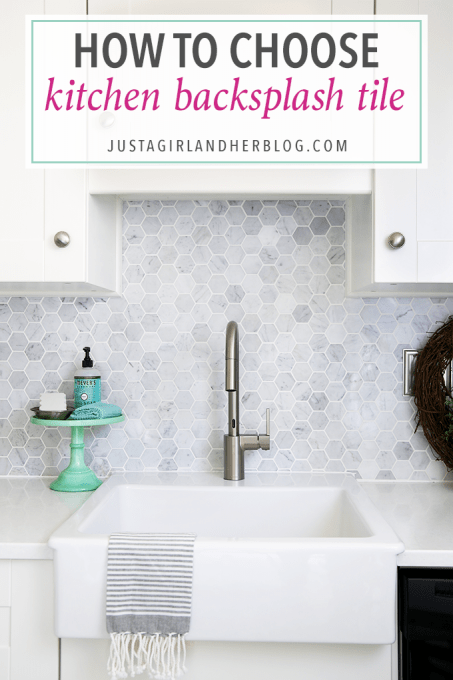
Image Source: justagirlandherblog.com
Deciphering Your Needs: The First Steps
Before diving into the endless sea of backsplash possibilities, it’s vital to consider your lifestyle, budget, and the overall style of your kitchen. What do you want your backsplash to achieve? Is it purely functional, adding a layer of protection? Or is it meant to be a statement piece, a vibrant accent that elevates your kitchen’s visual appeal?
Your Kitchen’s Personality: Style Considerations
Your kitchen’s existing or planned style is your primary compass. Are you leaning towards:
- Modern: Clean lines, minimalist designs, often featuring glass, metal, or large-format tiles.
- Traditional: Classic patterns, natural materials like stone or ceramic, perhaps with intricate details.
- Farmhouse/Rustic: Earthy tones, natural textures, subway tile backsplash, or materials like brick.
- Contemporary: A blend of modern and traditional, often incorporating unique textures and pops of color.
- Eclectic: A playful mix of styles, patterns, and materials for a truly personalized feel.
Think about your cabinetry, countertop material, flooring, and even the color of your appliances. Your backsplash should harmonize with these elements, not clash.
Practicality Matters: Functionality and Maintenance
While aesthetics are important, the practical aspects of a backsplash cannot be overlooked. Consider how you use your kitchen:
- Cooking Habits: Do you frequently fry or simmer, leading to grease splatters? Or is your cooking style generally cleaner?
- Household Dynamics: Do you have young children or pets who might bump into or lean on the backsplash?
- Cleaning Routine: How much time are you willing to dedicate to cleaning and maintenance? Some materials require more effort than others.
Table 1: Material Maintenance Comparison
| Material | Ease of Cleaning | Stain Resistance | Durability |
|---|---|---|---|
| Ceramic Tile | High | Good | Very Good |
| Porcelain Tile | High | Very Good | Excellent |
| Natural Stone | Moderate | Varies (sealant) | Excellent |
| Glass Tile | High | Good | Good (chipping) |
| Metal Tile | Moderate | Good | Good (scratching) |
| Peel-and-Stick | Moderate | Varies | Fair |
Exploring Backsplash Materials: A World of Options
The variety of backsplash materials available is vast, each offering unique characteristics in terms of appearance, durability, and cost. Understanding these backsplash materials is key to making the right choice.
1. Ceramic and Porcelain Tile
Ceramic and porcelain tiles are perhaps the most popular backsplash tile options. They offer a balance of beauty, durability, and affordability.
- Ceramic: Typically made from clay fired at lower temperatures, ceramic tiles are more porous and can be slightly less durable than porcelain. They are often glazed, providing a protective and decorative finish.
- Porcelain: Fired at higher temperatures with denser clay, porcelain is less porous, harder, and more water-resistant than ceramic. This makes it an excellent choice for busy kitchens.
Types of Ceramic and Porcelain Tiles:
- Subway Tile Backsplash: A timeless classic, subway tiles are rectangular and often laid in a brick-like pattern. They come in various colors, finishes (glossy, matte), and sizes, offering versatility for many kitchen styles. A white subway tile backsplash is a popular choice for its clean, bright appearance.
- Mosaic Tiles: These are small tiles, often arranged on a mesh backing for easier installation. Mosaics can be made from ceramic, glass, stone, or metal and offer intricate patterns and a visually rich backsplash design.
- Large Format Tiles: For a more contemporary look, larger tiles (12×12 inches or more) can create a seamless and modern backsplash.
2. Natural Stone
Natural stone backsplashes exude a sense of timeless elegance and add a unique, organic feel to your kitchen.
- Granite: Known for its exceptional durability and heat resistance, granite is a popular choice for countertops and backsplashes. It offers a wide range of colors and patterns, with each slab being unique.
- Marble: Marble offers a luxurious and sophisticated look with its distinctive veining. However, it is softer and more porous than granite, requiring regular sealing to prevent staining and etching.
- Travertine: This porous limestone has a natural, earthy appearance with small holes and variations in color. It often requires sealing to protect against stains.
- Slate: Slate provides a rustic and dramatic flair with its deep, rich colors and natural cleft surface. It can be prone to chipping and requires sealing.
3. Glass
Glass backsplashes offer a sleek, modern, and reflective surface that can make a kitchen feel brighter and more spacious.
- Glass Tiles: Available in a multitude of colors, shapes, and finishes (clear, frosted, iridescent), glass tiles are a fantastic way to add a pop of color or a subtle shimmer.
- Glass Panels: Solid sheets of tempered glass can be installed as a backsplash, offering a seamless and easy-to-clean surface. They can be clear, back-painted in any color, or even feature a custom graphic.
4. Metal
Metal backsplashes bring a contemporary, industrial, or even a sophisticated touch to a kitchen.
- Stainless Steel: Durable, heat-resistant, and easy to clean, stainless steel offers a modern, professional look. It can be prone to scratches and fingerprints.
- Copper: Copper backsplashes develop a beautiful patina over time, adding warmth and character. They can be more expensive and require specific cleaning methods.
- Aluminum: Lighter and often more affordable than stainless steel, aluminum can offer a similar sleek look.
5. Other Backsplash Materials
- Brick: For a rustic or industrial vibe, real brick or brick veneer can be a striking choice. It’s durable but can be porous and require sealing.
- Peel-and-Stick Tiles: These are an excellent DIY kitchen backsplash option for those on a budget or looking for a temporary update. They come in various styles, mimicking tile, stone, or wood. While easy to install, their durability and long-term adhesion can vary.
- Wallpaper: Specially designed, washable kitchen wallpaper can add pattern and color to your backsplash area, offering a more temporary and budget-friendly solution.
Crafting Your Look: Design Trends and Ideas
The world of kitchen backsplash design is constantly evolving. Staying updated on backsplash design trends can help you create a truly stylish and current kitchen.
Popular Backsplash Design Trends:
- Bold Colors and Patterns: Moving beyond neutrals, homeowners are increasingly opting for vibrant colors and eye-catching patterns to make a statement. Think deep blues, emerald greens, or geometric prints.
- Unique Layouts: Beyond the standard brick pattern, explore herringbone, chevron, basketweave, or stacked layouts for a more dynamic backsplash.
- Mixed Materials: Combining different materials, such as subway tile with a mosaic accent strip, or stone with metal, creates depth and visual interest.
- Extended Backsplashes: Carrying your countertop material up the wall to create a matching backsplash is a seamless and modern look. This is especially popular with quartz and marble.
- Textured Tiles: Tiles with a raised or 3D texture can add subtle dimension and tactile appeal to your kitchen wall decor.
- Backsplashes that Mimic Natural Elements: Materials that imitate wood, concrete, or natural stone textures are popular for their aesthetic appeal and often easier maintenance.
Incorporating Kitchen Wall Decor
Your backsplash is a prime opportunity to enhance your overall kitchen wall decor. Consider how it will interact with:
- Artwork: A subtle backsplash might allow a prominent piece of art to shine, while a bold backsplash can serve as art itself.
- Shelving: Open shelving can showcase decorative items that complement your backsplash.
- Lighting: Pendant lights or under-cabinet lighting can highlight the texture and color of your backsplash.
The Nitty-Gritty: Budget, Installation, and Maintenance
Once you have a vision, it’s time to get practical about budget and installation.
Budgeting for Your Backsplash
The cost of a kitchen backsplash can vary significantly depending on the material, the complexity of the design, and whether you hire a professional or opt for a DIY kitchen backsplash.
- Material Costs: Ceramic and porcelain tiles are generally the most budget-friendly. Natural stones, glass, and some metals can be significantly more expensive.
- Installation Costs: Professional installation can add a substantial amount to your budget. The complexity of the tile pattern and the size of the area will influence labor costs.
- Adhesives and Grout: Don’t forget to factor in the cost of thin-set mortar, grout, and sealants.
Table 2: Estimated Cost Ranges per Square Foot (Materials Only)
| Material | Low End ($) | Mid Range ($$) | High End ($$$) |
|---|---|---|---|
| Ceramic Tile | 1-3 | 3-7 | 7-15+ |
| Porcelain Tile | 2-5 | 5-10 | 10-20+ |
| Natural Stone | 5-15 | 15-30 | 30-60+ |
| Glass Tile | 5-10 | 10-20 | 20-40+ |
| Metal Tile | 5-15 | 15-30 | 30-50+ |
| Peel-and-Stick | 2-5 | 5-10 | N/A |
Note: These are general estimates and can vary widely based on brand, style, and retailer.
Backsplash Installation: DIY vs. Professional
Deciding between a DIY kitchen backsplash and hiring a professional depends on your comfort level with home improvement projects, the complexity of your chosen backsplash, and your available time.
DIY Kitchen Backsplash Considerations:
- Tools: You’ll need tile cutters, trowels, grout floats, sponges, buckets, safety glasses, and potentially a wet saw for intricate cuts.
- Preparation: Proper surface preparation is crucial. The wall must be clean, dry, and smooth.
- Patience: Tile installation requires patience and precision. Mistakes can be costly and difficult to fix.
- Learning Curve: If you’ve never tiled before, start with a simple project or practice on a scrap piece of drywall.
Professional Installation:
- Expertise: Professionals have the experience and tools to ensure a clean, precise, and durable installation.
- Time-Saving: They can complete the job much faster than most DIYers.
- Warranty: Many professional installers offer a warranty on their work.
A Basic Backsplash Installation Guide (General Steps):
- Prepare the Wall: Clean the wall thoroughly. If there’s old wallpaper or damaged paint, remove it and repair any imperfections.
- Layout Your Design: Dry-fit a section of your tile to visualize the pattern and determine where your cuts will fall. Mark a level starting line.
- Apply Adhesive: Using a notched trowel, spread a thin, even layer of tile adhesive onto a small section of the wall.
- Set the Tiles: Press each tile firmly into the adhesive with a slight twisting motion. Use tile spacers to ensure consistent grout lines.
- Cut Tiles: Measure and cut tiles as needed to fit around outlets, windows, or edges. A wet saw is often necessary for precise cuts.
- Grout the Tiles: Once the adhesive has fully cured (usually 24-48 hours), remove the spacers and apply grout with a grout float, forcing it into the spaces between the tiles.
- Clean Off Excess Grout: Wipe away excess grout with a damp sponge, rinsing the sponge frequently.
- Seal the Grout: After the grout has cured, apply a grout sealer to protect it from stains and moisture.
Backsplash Maintenance: Keeping It Looking Great
The maintenance required for your backsplash will depend on the material chosen.
- Sealing: Natural stone and some types of tile (especially unglazed or porous ones) will require periodic sealing to protect against stains and moisture.
- Cleaning: Most backsplashes can be cleaned with a mild soap and water. Avoid abrasive cleaners that can scratch or dull the surface. For tougher stains, consult specific cleaning recommendations for your material.
- Grout Care: Grout can be a magnet for stains and grime. Regular cleaning with a grout brush and a dedicated grout cleaner is recommended. Consider using a colored grout that is less likely to show stains.
Frequently Asked Questions (FAQ)
Q1: What is the most durable kitchen backsplash material?
Porcelain tile and granite are generally considered among the most durable kitchen backsplash materials due to their hardness and resistance to scratches, stains, and moisture.
Q2: Can I use the same material for my countertop and backsplash?
Yes, absolutely! Using the same material for your countertop and backsplash creates a seamless, cohesive, and modern look. This is a popular trend, especially with materials like quartz, marble, and solid surfaces.
Q3: How high should my kitchen backsplash go?
The minimum height for a backsplash is typically to the underside of your upper cabinets. However, you can extend it higher, all the way to the ceiling, for a more dramatic effect or for added protection behind a backsplash. Some designs even incorporate the backsplash as part of the overall kitchen wall decor, extending it to cover entire walls.
Q4: What is the easiest backsplash material to clean?
Large-format porcelain tiles, glass panels, or smooth, untextured ceramic tiles are generally the easiest to clean because they have fewer grout lines or seams where dirt and grime can accumulate.
Q5: How do I choose the right grout color?
The grout color significantly impacts the final look of your backsplash.
* Matching Grout: A grout color that closely matches your tile creates a more uniform and seamless appearance.
* Contrasting Grout: A grout color that contrasts with your tile will make the individual tiles stand out, highlighting the pattern and texture. White or light-colored grout can make tiles pop, while darker grout can provide a grounding effect and hide stains better.
Q6: Is a backsplash always necessary?
While not strictly mandatory in every kitchen, a backsplash is highly recommended. It protects your walls from water, grease, and food splatters, making cleaning much easier. It also significantly contributes to the aesthetic appeal and overall kitchen design.
Q7: What are some good backsplash ideas for a small kitchen?
For a small kitchen, consider using lighter colors, reflective materials like glass or polished tiles, and smaller mosaic patterns to create a sense of spaciousness. Extending the backsplash from the countertop to the ceiling can also make the kitchen feel larger. A subway tile backsplash in a light color is a classic choice that works well.
By carefully considering your style, practical needs, budget, and the wealth of available backsplash tile options, you can select a kitchen backsplash that not only protects your walls but also enhances your kitchen’s beauty and functionality for years to come. Whether you’re aiming for a sleek modern look or a warm, rustic charm, the right backsplash will transform your kitchen into a space you’ll love.