
What’s the first step in preparing for a kitchen remodel? The very first step is to define your goals and establish a clear vision for your new kitchen. This involves thinking about what you want to achieve, how you want the space to function, and the overall aesthetic you desire.
Embarking on a kitchen remodel is a significant undertaking, but with careful preparation, it can be a smooth and rewarding experience. This guide will walk you through every crucial step, from initial ideas to the final touches, ensuring your kitchen renovation is a success.
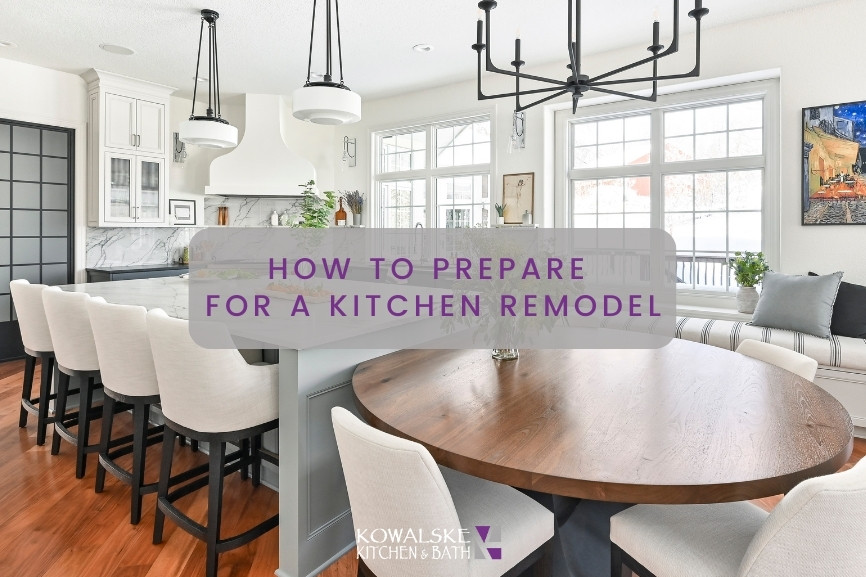
Image Source: kowalske.com
Laying the Groundwork: Your Kitchen Vision
Before you even think about paint colors or cabinet styles, take time to really consider what you want from your kitchen. This is the foundation of your entire project.
Defining Your Needs and Wants
Your current kitchen likely has aspects you love and aspects you’d prefer to change. Make a list of both.
-
Functional Needs:
- Better storage solutions?
- More counter space for cooking or prep?
- Improved workflow (e.g., the “work triangle” between sink, stove, and refrigerator)?
- Space for entertaining or a breakfast nook?
- Accessibility features?
-
Aesthetic Wants:
- A more modern look?
- A cozy, farmhouse feel?
- Brighter and airier?
- Specific colors or materials?
Gathering Inspiration
Look at magazines, browse Pinterest and Houzz, and visit showrooms. Save images of kitchens that catch your eye. Pay attention to:
- Layouts that appeal to you.
- Cabinet styles and finishes.
- Countertop materials and patterns.
- Appliance choices.
- Flooring and backsplash designs.
- Lighting fixtures.
This visual collection will be invaluable when you start talking to designers or contractors and helps solidify your kitchen design ideas.
Budgeting for Your Dream Kitchen
Budgeting for a kitchen remodel is perhaps the most critical step. An accurate budget prevents stress and ensures you can afford the elements you truly want.
Estimating Costs
Kitchen remodels can vary wildly in price. A rough estimate is helpful early on. Consider these major cost categories:
- Materials: Cabinets, countertops, flooring, backsplash, sink, faucet, lighting.
- Appliances: Refrigerator, oven, stovetop, dishwasher, microwave, range hood.
- Labor: Contractor fees, plumber, electrician, painter, tile setter.
- Design Fees: If you hire a kitchen designer.
- Contingency: Always set aside 10-20% for unexpected issues.
A moderate kitchen remodel can range from $15,000 to $30,000. High-end renovations can easily exceed $50,000. Research local costs and get preliminary quotes.
Funding Your Remodel
Determine how you will pay for the renovation. Options include:
- Savings: The most straightforward method.
- Home Equity Loan/Line of Credit: Uses your home’s equity as collateral.
- Refinancing Your Mortgage: Can roll renovation costs into your new mortgage.
- Personal Loan: For smaller projects or if other options aren’t suitable.
Crafting Your Kitchen Renovation Timeline
A realistic kitchen renovation timeline is essential for managing expectations and coordinating tasks. It’s a complex project with many moving parts.
Project Phases and Estimated Durations
Here’s a general breakdown, though actual times can vary:
| Phase | Estimated Duration | Key Activities |
|---|---|---|
| Planning & Design | 2-8 weeks | Vision setting, inspiration gathering, budgeting, design, material selection. |
| Contractor Selection | 1-4 weeks | Researching, interviewing, getting quotes, signing contracts. |
| Permitting | 1-4 weeks | Obtaining necessary building permits from your local municipality. |
| Demolition | 1-3 days | Removing old cabinets, countertops, flooring, and appliances. |
| Rough-in Work | 1-3 weeks | Plumbing, electrical, and HVAC adjustments based on the new layout. |
| Cabinet Installation | 1-2 weeks | Installing new cabinets and ensuring they are level and secure. |
| Countertop Fabrication | 1-3 weeks | Measuring, fabricating, and installing countertops (includes lead time). |
| Appliance Installation | 2-5 days | Installing new appliances and connecting them to utilities. |
| Flooring Installation | 2-7 days | Laying down new kitchen flooring. |
| Backsplash Installation | 1-3 days | Tiling the backsplash area. |
| Finishing Touches | 1-2 weeks | Painting, lighting installation, hardware, final cleanup. |
| Final Inspection | 1 day | Municipal inspection to ensure all work meets code. |
Total Estimated Time: 6 weeks to 6 months (depending on scope and complexity).
Communication is Key
Keep open lines of communication with your contractor. Regular check-ins will help ensure the project stays on track and within budget.
Choosing Your Kitchen Cabinets
Choosing kitchen cabinets sets the tone and style for your entire space. They are a significant investment and a major visual element.
Cabinet Styles
- Shaker: Clean lines, flat center panel, very popular and versatile.
- Slab (or Flat Panel): Modern, minimalist look with a smooth surface.
- Raised Panel: Traditional style with a center panel that has a raised rim.
- Recessed Panel: Similar to Shaker but with a slightly more decorative rim.
- Inset: Doors and drawers are set flush within the cabinet frame for a high-end look.
Cabinet Construction and Materials
- Stock Cabinets: Pre-made, available in limited sizes and styles. Most affordable.
- Semi-Custom Cabinets: Offer more size and style options than stock.
- Custom Cabinets: Built to your exact specifications. Most expensive but offer ultimate flexibility.
Wood Types:
- Maple: Durable, smooth grain, takes stain well.
- Oak: Strong, prominent grain pattern, classic look.
- Cherry: Rich color, smooth grain, darkens with age.
- Birch: Similar to maple, good value.
- Hickory: Strong with a pronounced grain, can be rustic.
Cabinet Finishes:
- Stained: Enhances the natural wood grain.
- Painted: Offers a wide range of color options, from crisp white to bold hues.
- Lacquered: Durable, smooth, high-gloss finish.
- Laminated/Thermo-Foil: Affordable, often used on MDF or particleboard.
Hardware and Accessories
Don’t forget cabinet knobs, pulls, and drawer slides. These small details can make a big difference in both appearance and functionality. Consider soft-close hinges and drawer glides for a premium feel.
Selecting Your Kitchen Countertops
Kitchen countertop selection is another major decision that impacts both aesthetics and durability.
Popular Countertop Materials
| Material | Pros | Cons | Price Range (per sq ft installed) |
|---|---|---|---|
| Granite | Durable, heat resistant, unique patterns, long-lasting. | Needs periodic sealing, can chip or stain if not sealed properly. | $50 – $200+ |
| Quartz | Non-porous, highly durable, stain and scratch-resistant, low maintenance. | Can be damaged by extreme heat, seams can be visible, less unique than natural stone. | $60 – $200+ |
| Marble | Beautiful, elegant, classic look, unique veining. | Porous, stains easily, scratches and etches, requires frequent sealing. | $75 – $250+ |
| Soapstone | Non-porous, heat resistant, develops a natural patina over time. | Softer than granite, can chip or scratch, limited color options. | $70 – $150+ |
| Butcher Block | Warm, natural look, affordable, can be sanded and refinished. | Prone to scratches, water damage, and staining; needs regular sealing. | $40 – $100+ |
| Laminate | Affordable, wide variety of colors and patterns, easy to clean. | Less durable, can scratch or burn, edges can chip. | $20 – $50 |
| Concrete | Highly customizable, modern look, durable. | Porous, requires sealing, can crack over time, heavy. | $80 – $150+ |
| Stainless Steel | Hygienic, heat resistant, modern/professional look. | Scratches and dents easily, can be noisy, shows fingerprints. | $70 – $150+ |
Edge Profiles
Consider the edge profile for your countertops. Common options include:
- Square/Straight: Clean, modern look.
- Beveled: A decorative angled edge.
- Bullnose: A rounded edge.
- Ogee: An S-shaped curve.
Kitchen Appliance Considerations
Kitchen appliance considerations are vital for both function and style. Choose appliances that fit your cooking habits and the overall design.
Major Appliances
- Refrigerator: French door, side-by-side, top-freezer, bottom-freezer, built-in. Consider capacity, ice maker, water dispenser.
- Oven/Range: Gas, electric, dual-fuel. Freestanding ranges or separate cooktops and wall ovens. Consider convection features.
- Dishwasher: Look for noise levels (dB rating), capacity, wash cycles, and energy efficiency.
- Microwave: Countertop, over-the-range, or built-in drawer.
Small Appliances
Think about where you’ll place and use items like coffee makers, toasters, blenders, and stand mixers. Dedicated outlets or appliance garages can be useful.
Appliance Finishes
- Stainless Steel: Classic, professional look, but can show fingerprints.
- Black Stainless Steel: A newer, sleek option.
- White/Black: Traditional, budget-friendly options.
- Panel-Ready: Designed to be covered with custom cabinetry panels for a seamless look.
Exploring Kitchen Flooring Options
Your kitchen flooring options need to be durable, easy to clean, and aesthetically pleasing.
Durable and Practical Choices
- Tile (Ceramic/Porcelain): Very durable, water-resistant, vast array of styles, colors, and patterns. Grout lines can be a cleaning challenge.
- Natural Stone: Granite, marble, slate, travertine. Beautiful, durable, but can be expensive and require sealing.
- Luxury Vinyl Plank (LVP)/Tile (LVT): Highly water-resistant, durable, mimics wood or stone, comfortable underfoot. Excellent choice for kitchens.
- Laminate: Affordable, wide variety of looks, but not as water-resistant as vinyl.
- Hardwood: Warm, classic, can be refinished, but susceptible to water damage and scratches. Needs to be sealed well.
- Engineered Hardwood: More stable than solid hardwood, better able to handle moisture fluctuations.
Considerations for Flooring
- Durability: How well will it withstand spills, dropped items, and heavy foot traffic?
- Water Resistance: Crucial in a kitchen environment.
- Ease of Cleaning: Grout lines, porous surfaces, and textured finishes can impact this.
- Comfort: How does it feel to stand on for extended periods?
- Cost: Factor in material and installation costs.
Lighting Up Your Kitchen
Effective kitchen lighting solutions are essential for both task performance and ambiance.
Layered Lighting Approach
A well-lit kitchen uses multiple layers of light:
- Ambient Lighting: The general overhead lighting that illuminates the entire room.
- Recessed ceiling lights (can lights)
- Pendant lights
- Chandeliers
- Task Lighting: Focused light for specific work areas.
- Under-cabinet lighting (excellent for countertops)
- Pendants over an island
- Sconces near the stove
- Accent Lighting: To highlight architectural features or decorative elements.
- In-cabinet lighting
- Lights in toe kicks
Fixture Types and Placement
Consider the style of your kitchen when choosing fixtures. Dimmers are a great addition for controlling brightness and mood.
- Ceiling Fixtures: Flush mounts, semi-flush mounts, track lighting.
- Pendants: Over islands, peninsulas, or dining areas.
- Sconces: Wall-mounted for added light and decorative appeal.
- Under-Cabinet Lighting: LED strips or puck lights are popular.
Hiring the Right Contractor
Hiring a contractor for a kitchen remodel is one of the most important decisions you’ll make. A good contractor ensures quality work and a smoother process.
Finding Potential Contractors
- Ask for Referrals: Friends, family, neighbors, and colleagues who have recently remodeled.
- Online Reviews: Check platforms like Google, Yelp, Houzz, and Angie’s List.
- Local Suppliers: Cabinet stores, countertop fabricators, and lumber yards may have recommendations.
- Professional Organizations: Look for contractors affiliated with national or local building associations.
The Interview and Selection Process
- Get Multiple Quotes: Aim for at least three detailed bids.
- Check Licenses and Insurance: Ensure they are properly licensed and insured (liability and workers’ compensation).
- Ask for References: Contact previous clients to inquire about their experience.
- Review Their Portfolio: Look at photos of their past kitchen projects.
- Discuss the Contract Thoroughly: Ensure it includes a detailed scope of work, payment schedule, timeline, and warranty information.
Key Questions to Ask
- How long have you been in business?
- Do you have experience with projects like mine?
- Who will be my main point of contact?
- What is your typical project timeline?
- What are your payment terms?
- What is your warranty on workmanship?
Preparing Your Home During the Remodel
While the contractors do the heavy lifting, you can prepare your home to minimize disruption.
Protecting Your Living Space
- Dust Control: Use plastic sheeting and painter’s tape to seal off doorways and vents leading to other parts of your house. Consider a temporary partition.
- Flooring Protection: Lay down drop cloths or plywood to protect hallways and other high-traffic areas.
- Moving Furniture: Relocate as much furniture and décor as possible from the work area and surrounding rooms.
Setting Up a Temporary Kitchen
This is crucial for maintaining some normalcy.
- Location: A basement, garage, spare room, or even a corner of your living room can work.
- Essentials:
- Microwave
- Electric skillet or portable induction cooktop
- Mini-fridge or cooler
- Coffee maker
- Sink (if possible, or use disposable plates/cutlery)
- Storage bins for dry goods and utensils
- Consider a Meal Service: For longer remodels, a meal delivery service can be a lifesaver.
Managing Pets and Children
- Noise and Disruption: Be aware that construction can be loud and unsettling.
- Safety: Keep pets and young children away from the work zone at all times. Consider boarding pets for certain phases if they are particularly sensitive.
Frequently Asked Questions (FAQ)
Q1: How long does a typical kitchen remodel take?
A1: A typical kitchen remodel can take anywhere from 6 weeks to 6 months, depending on the scope of work, material availability, and contractor scheduling.
Q2: What’s the most expensive part of a kitchen remodel?
A2: The most expensive components are usually cabinetry and appliances, followed by countertops and labor costs.
Q3: Can I do some of the work myself to save money?
A3: Yes, you can save money by doing tasks like demolition, painting, or installing simpler flooring. However, always consider your skill level, time availability, and the potential impact on the timeline and quality of the finished product. Electrical and plumbing work should ideally be handled by licensed professionals.
Q4: How do I deal with dust during a kitchen remodel?
A4: Dust can be a major issue. Use plastic sheeting to seal off the work area, turn off HVAC systems when possible, and consider using a temporary air purifier with a HEPA filter. Keep doors and windows in the work area closed.
Q5: When should I order my kitchen cabinets and countertops?
A5: It’s generally recommended to order cabinets and countertops well in advance, as they often have significant lead times. Confirm this with your contractor or supplier, but typically 4-8 weeks before installation is a good timeframe to aim for.
By meticulously planning and preparing, your kitchen remodel can transform your home into a more functional and beautiful space. Enjoy the process and the stunning results!