
How To Prevent Cuts In The Kitchen: Knife Skills for a Safer Culinary Experience
Preventing cuts in the kitchen is paramount for a safe cooking experience. What are the key strategies to avoid kitchen injuries? By mastering proper knife grip, utilizing the correct cutting techniques, and always adhering to fundamental knife safety practices, you can significantly reduce the risk of cuts. This comprehensive guide will delve into every aspect of kitchen injury prevention, ensuring your time spent preparing food is enjoyable and, most importantly, safe.
The kitchen, a hub of creativity and delicious meals, can also be a place of potential hazards if we aren’t careful. Among the most common kitchen accidents are cuts from knives. Whether you’re a seasoned chef or a beginner cook, the risk is always present. But with the right knowledge and habits, you can greatly minimize these risks. This article is your ultimate resource for comprehending and implementing effective methods for handling sharp objects safely and achieving superior slicing safety.
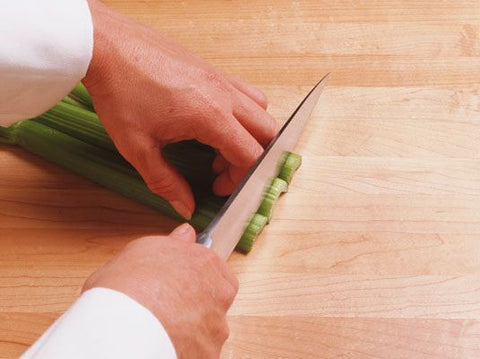
Image Source: cdn.shopify.com
The Foundation of Knife Safety: Choosing the Right Tools
Before you even pick up a knife, it’s crucial to recognize the importance of using the right tools. This includes not just the knife itself, but also your cutting board and other accessories.
Why Sharp Knives are Safer Knives
This might sound counterintuitive, but a dull knife is far more dangerous than a sharp one. When a knife isn’t sharp, you have to apply more pressure to cut through food. This increased force makes the knife more likely to slip, leading to cuts. A sharp knife, on the other hand, cuts cleanly with less effort, offering greater control and reducing the chance of accidents.
- Sharp knives require less force: This means a better grip on the knife and less chance of it skidding.
- Sharp knives create cleaner cuts: This not only looks better but also helps food cook more evenly.
- Sharp knives are easier to control: Predictable cuts lead to safer handling.
Regularly sharpening your knives is a non-negotiable aspect of food preparation safety. Invest in a good quality knife sharpener or honing steel, and learn how to use them correctly.
The Indispensable Cutting Board
A stable cutting board is your best friend in the kitchen for both safety and efficiency. A cutting board that moves around while you’re chopping is a recipe for disaster.
- Non-slip surfaces: Look for cutting boards with rubber feet or textured surfaces to prevent them from sliding on your countertop.
- Material matters: Wood and bamboo cutting boards offer good grip and are kinder to your knife’s edge. Plastic boards are also an option, but ensure they have a non-slip base.
- Size and stability: Choose a cutting board that is large enough to accommodate the food you’re preparing without crowding your workspace. A board that is too small can also be unstable.
- Placement is key: If your cutting board doesn’t have non-slip feet, place a damp paper towel or a thin, damp dishcloth underneath it to create friction and keep it from moving.
Proper cutting board use is fundamental to avoiding kitchen accidents. Always ensure your board is clean, dry, and stable before you begin any cutting.
Mastering the Art of Proper Knife Grip
The way you hold your knife has a direct impact on your control and safety. A secure and comfortable grip is essential for effective cutting techniques.
The Pinch Grip: The Professional’s Choice
The most recommended grip for chefs and experienced cooks is the pinch grip. It offers the best control and precision.
- How to achieve the pinch grip:
- Gently pinch the base of the blade, where it meets the handle, between your thumb and index finger.
- Wrap your remaining fingers comfortably around the handle.
- Your thumb should be on one side of the blade, and your index finger on the other.
- Your wrist should be straight and relaxed.
This grip allows you to guide the knife with your fingers, rather than relying solely on the muscles in your arm. This leads to less fatigue and more accurate cuts.
Other Grips and When to Use Them
While the pinch grip is ideal for most tasks, other grips might be used for specific situations:
- Handle Grip: This is the grip most beginners naturally adopt, where all fingers wrap around the handle. While it can feel secure, it offers less control over the blade. Use this grip for less precise tasks or when you’re just starting out, but aim to transition to the pinch grip.
- Grip for Paring Knives: Paring knives are smaller and often used for intricate tasks like peeling or coring. For these, you might hold the knife more like a pen, with your thumb on the top of the handle and your fingers wrapped around.
Always ensure your hands are dry and free of grease or oil before gripping your knife to maintain a secure hold.
Essential Cutting Techniques for Slicing Safety
The way you move the knife and the food is just as important as how you hold the knife. Employing specific cutting techniques is vital for slicing safety and efficient food preparation.
The Rocking Motion: For Chopping and Slicing
Many common kitchen tasks, like chopping herbs or slicing vegetables, benefit from a rocking motion.
- Hold the knife with a pinch grip.
- Use your other hand to stabilize the food (more on this later).
- Place the tip of the knife on the cutting board.
- Use your free hand to guide the food.
- Press down on the top of the blade near the handle with your other hand (or just use the grip).
- Rock the blade forward and back, using the tip as a pivot point.
- Lift the heel of the blade as you rock forward.
This technique allows for continuous cutting without lifting the knife completely off the cutting board, promoting a smoother workflow and reducing the risk of the knife slipping.
The Sawing Motion: For Tougher Ingredients
For ingredients that are tough or have a firm rind, like a squash or a large root vegetable, a sawing motion is often more effective.
- Start with the heel of the blade against the food.
- Apply gentle pressure downwards.
- Move the knife back and forth in a sawing motion, gradually working your way through the food.
- Maintain control by keeping your grip firm.
The Importance of the “Claw Grip” for Food Handling
This is perhaps the most critical technique for preventing cuts when handling food. The claw grip ensures your fingers are tucked away from the blade.
- How to achieve the claw grip:
- Curl your fingertips inward towards your palm, creating a “claw” shape.
- Your knuckles should protrude slightly.
- Use your knuckles as a guide for the side of the knife blade.
- The fingertips are tucked safely behind the knuckles.
As you slice, move your “claw” back incrementally, ensuring your fingertips remain protected behind the blade. The knife blade should always rest against your knuckles, acting as a barrier. This is a fundamental aspect of food preparation safety that cannot be overstated.
Advanced Cutting Techniques and Knife Safety
As you become more comfortable, you can explore various cutting techniques that not only enhance your culinary skills but also improve your safety.
Slicing Safety: Precision Over Speed
When slicing, especially delicate items or when aiming for uniform pieces, precision is key.
- Maintain a consistent angle: This ensures even slices and better control.
- Don’t rush: Take your time. Speed will come with practice and confidence.
- Keep the blade in contact with the cutting board: For most slicing tasks, the tip of the knife should remain on the board, facilitating a smooth rocking motion.
- Use the full length of the blade: This distributes the force and creates a cleaner cut.
Dicing and Mincing: Maintaining Control
These techniques require precision and a steady hand.
- For dicing: Create even slices first, then cut across them to form cubes.
- For mincing: This often involves a fine chopping motion, similar to dicing but with smaller, more frequent cuts, often ending with a rocking motion to finely chop the pieces. Always use the claw grip to guide the food towards the blade.
Carving: Stability is Key
When carving meats or poultry, stability is paramount.
- Secure the food: Ensure the item being carved is placed on a stable cutting board. You might need to use a carving fork to hold it steady.
- Use a sharp carving knife: This will make clean cuts without tearing the meat.
- Cut away from yourself: Always direct the blade away from your body and hands.
Handling Sharp Objects Safely: Beyond the Knife
While knives are the most obvious sharp objects in the kitchen, other tools and even some ingredients can pose a risk.
Other Sharp Tools
- Mandolines: These are incredibly useful for uniform slicing but can cause severe injuries if not used with extreme caution and a guard. Always use the safety guard provided.
- Graters: While less likely to cause deep cuts, sharp graters can still inflict painful scrapes. Keep fingers away from the grating surface.
- Box Graters: When grating, hold the food firmly and keep your knuckles well away from the sharp edges.
Dealing with Sharp Food Items
Some foods themselves have sharp edges or points that can cause cuts.
- Peeling citrus: The zest can be sharp. Use a peeler or a sharp paring knife with care.
- Cutting into hard-skinned fruits and vegetables: Such as squash or melons. Ensure the knife is sharp and the item is stable. You might need to cut a flat surface first to create a stable base.
Avoiding Kitchen Accidents: General Safety Practices
Beyond specific knife skills, a general awareness of your surroundings and good kitchen habits are crucial for avoiding kitchen injury prevention.
Maintaining a Clean and Organized Workspace
A cluttered countertop or a dirty knife can lead to accidents.
- Keep knives clean: Wash knives immediately after use.
- Dry knives thoroughly: Moisture can cause slips.
- Store knives properly: Use a knife block, magnetic strip, or blade guards. Never leave knives loose in a drawer where you might reach into them blindly.
- Clear your workspace: Remove any unnecessary clutter that could obstruct your movement or knock into your knife.
Mindfulness and Focus
The most common cause of kitchen accidents is a lack of focus.
- Avoid distractions: Put away your phone, turn off the TV, and concentrate on the task at hand.
- Don’t cook when tired or impaired: Your reaction time and judgment are compromised.
- Be aware of your surroundings: Know where others are in the kitchen, especially children.
Proper Washing and Drying
Washing dishes, especially knives, requires attention.
- Wash knives separately: Don’t just toss them into a sink full of soapy water where you can’t see them.
- Wash away from yourself: Direct the blade away from your body.
- Dry knives carefully: Hold the handle firmly and wipe the blade from the spine (dull side) towards the edge, always moving away from your hand.
Table: Common Kitchen Knife Mistakes and How to Fix Them
| Mistake | Why it’s Dangerous | How to Fix It |
|---|---|---|
| Using a dull knife | Requires more force, leading to slips and loss of control | Sharpen your knives regularly. |
| Unstable cutting board | The board can slide, causing you to lose balance or control | Use a damp cloth or paper towel under the board, or a board with non-slip feet. |
| Incorrect grip (e.g., handle grip) | Less control over the blade | Practice the pinch grip for better precision and safety. |
| Fingers exposed while cutting | Direct contact with the blade | Use the “claw grip” to protect your fingertips. |
| Rushing the cutting process | Leads to mistakes and loss of focus | Slow down, focus on your technique, and prioritize safety over speed. |
| Cutting on unsuitable surfaces | Can damage knives and create an unstable base | Always use a proper cutting board. |
| Improper knife storage | Risk of accidental cuts when reaching into drawers | Use a knife block, magnetic strip, or blade guards. |
| Washing knives with other dishes | Can’t see the knife, leading to accidental cuts | Wash knives separately and carefully. |
| Cutting towards yourself | High risk of severe injury | Always cut away from your body. |
| Not drying knives properly | Slippery surface increases the chance of dropping or slipping | Dry knives thoroughly immediately after washing. |
Frequently Asked Questions (FAQ)
Q1: How often should I sharpen my knives?
A1: This depends on how often you use them and the type of knife. For daily use, honing your knives with a steel weekly and sharpening them every 1-3 months is a good rule of thumb. If you notice your knife is no longer cutting cleanly, it’s time for sharpening.
Q2: Can I use a metal bowl as a cutting surface?
A2: No, never. Metal bowls will dull your knives very quickly and can also cause the knife to slip, increasing the risk of injury. Always use a cutting board.
Q3: What’s the best way to carry a knife?
A3: When carrying a knife, hold it by the handle with the blade pointing downwards, and keep it close to your side. If you need to set it down, place it on a stable surface with the blade facing away from you.
Q4: My knife feels loose in my hand, what should I do?
A4: This is a sign that you need to re-evaluate your grip. Ensure you are using the pinch grip correctly and that your hands are dry. If the handle itself is loose on the blade, the knife may be damaged and should not be used until repaired.
Q5: What if I cut myself?
A5: For minor cuts, apply direct pressure with a clean cloth or paper towel to stop the bleeding. Elevate the injured area if possible. Clean the wound gently with soap and water and apply an antiseptic. Cover with a bandage. For deep cuts or if bleeding doesn’t stop, seek medical attention immediately.
By integrating these principles of knife safety, proper knife grip, appropriate cutting techniques, and consistent use of cutting board use, you can significantly enhance your food preparation safety and prevent common kitchen injuries. Remember, a commitment to avoiding kitchen accidents through conscious practice makes every culinary endeavor safer and more enjoyable. Handling sharp objects with respect and skill is the cornerstone of a safe kitchen.