
Kitchen falls can happen to anyone, but for seniors, they can lead to serious injuries. How can seniors prevent falls in the kitchen? By implementing simple safety measures, focusing on good lighting, keeping things tidy, and using the right footwear and flooring, seniors can significantly reduce their risk of falling.
The kitchen is often the heart of the home, a place for preparing meals, sharing stories, and gathering with loved ones. However, it can also be a common site for accidents, especially for seniors. The combination of slick surfaces, moving parts, and the need for careful coordination can create a hazardous environment. Fortunately, with a few thoughtful adjustments and a focus on preventative actions, seniors can make their kitchens much safer and continue to enjoy their independence. This guide offers comprehensive, easy-to-follow advice to help prevent kitchen falls, ensuring a safer living space for our elderly loved ones.
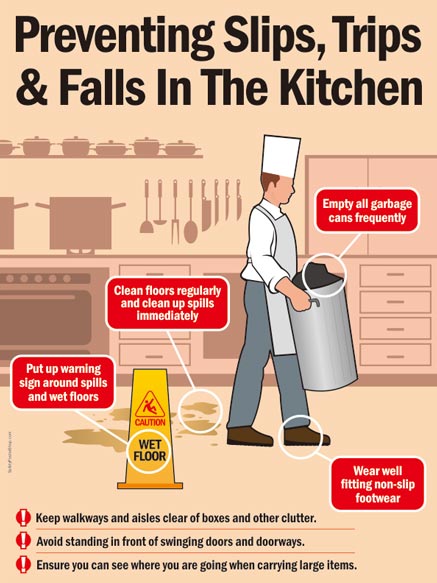
Image Source: www.safetypostershop.com
Creating a Secure Kitchen Environment
A safe kitchen starts with its foundation and layout. Making sure the physical space is conducive to safe movement is the first step in preventing falls.
Choosing the Right Flooring
The type of slip resistant flooring in a kitchen plays a crucial role in preventing falls. Surfaces that offer good grip, even when wet, are paramount.
Benefits of Slip-Resistant Flooring:
- Enhanced Traction: Reduces the chance of slipping on wet or oily surfaces.
- Durability: Often made from materials that can withstand heavy foot traffic.
- Ease of Cleaning: Many modern options are easy to maintain.
Popular Slip-Resistant Flooring Options:
- Vinyl: Offers excellent slip resistance and is also water-resistant and budget-friendly.
- Cork: Naturally provides good grip and is also shock-absorbent, which can be gentler on joints.
- Textured Tile: Tiles with a matte or slightly rough finish offer better traction than glossy ones. Look for tiles with a COF (Coefficient of Friction) rating of 0.60 or higher for kitchen use.
- Linoleum: A natural and eco-friendly option that can provide good grip.
Strategic Placement of Non-Slip Mats
Non-slip mats are excellent additions to high-traffic areas in the kitchen, particularly around sinks, dishwashers, and stoves where spills are more likely.
Key Areas for Non-Slip Mats:
- In front of the sink: This is where water tends to splash and create slippery spots.
- In front of the dishwasher: Similar to the sink, the dishwasher can release moisture.
- Near the stove: Oil or water can drip during cooking.
- High-traffic pathways: Anywhere there’s frequent movement.
What to Look for in Non-Slip Mats:
- Grippy Backing: Ensure the mat has a rubber or latex backing that grips the floor securely.
- Low Profile: Mats that are too thick can be a tripping hazard themselves. Opt for mats that are relatively flat.
- Absorbent Material: A mat that can absorb spills will help keep the surrounding area dry.
- Easy to Clean: Choose mats that can be easily wiped down or are machine washable.
Maintaining Order: Decluttering and Organization
A cluttered kitchen is a recipe for disaster. Keeping pathways clear and essential items within easy reach significantly improves kitchen safety tips.
Decluttering Kitchen Pathways
Freeing up floor space is one of the most important elderly fall prevention strategies in the kitchen.
Simple Decluttering Steps:
- Clear the Floors: Remove any items that don’t belong on the floor, such as stray shoes, bags, or boxes.
- Keep Countertops Clear: Store appliances and utensils that are not used daily. This not only reduces clutter but also makes cooking more efficient.
- Organize Cabinets and Drawers: Ensure items are stored logically, with frequently used items at accessible heights.
Organizing for Accessibility
Ensuring that items are easy to reach and handle can prevent awkward stretches and sudden movements that might lead to a fall.
Accessibility in the Kitchen:
- Store Heavy Items Low: Place heavier pots, pans, and appliances on lower shelves or in lower cabinets.
- Place Frequent Use Items at Waist Level: Keep everyday items like plates, glasses, and cutlery in easily accessible drawers or shelves.
- Use Drawer Organizers and Shelf Risers: These can help keep items tidy and prevent them from falling out when a cabinet or drawer is opened.
- Consider Pull-Out Shelves: These make it easier to reach items at the back of deep cabinets.
Illuminating the Space for Better Visibility
Proper lighting is fundamental to elderly fall prevention. Dimly lit areas can hide hazards, making it difficult to see obstacles.
Maximizing Kitchen Lighting:
- General Overhead Lighting: Ensure the main kitchen lights are bright and evenly distributed.
- Task Lighting: Install lights under cabinets to illuminate countertops where food preparation happens. This also helps reduce shadows.
- Accent Lighting: Lights inside cabinets or in toe-kicks can add ambiance and also highlight edges of cabinets or appliances, reducing the chance of bumping into them.
- Night Lights: Motion-activated night lights in the kitchen and pathways leading to it can be invaluable for nighttime trips to the refrigerator or bathroom.
Tips for Effective Lighting:
- Use Bright Bulbs: Opt for LED bulbs that provide bright, clear light.
- Clean Fixtures Regularly: Dust and grime on light fixtures can reduce their brightness.
- Consider Dimmers: Dimmers allow for adjustable lighting levels, providing bright light when needed for tasks and softer light for ambiance.
- Natural Light: Keep windows clean to maximize natural daylight.
Safe Practices for Cooking and Movement
Beyond the physical environment, certain habits and practices are crucial for preventing kitchen falls.
Spill Cleanup: The Immediate Action
Prompt spill cleanup is non-negotiable. Even a small amount of liquid or grease can create a dangerous slip hazard.
Best Practices for Spill Cleanup:
- Wipe Up Spills Immediately: Have cleaning supplies readily accessible.
- Use the Right Cleaner: For grease, use a degreaser. For water, a dry mop or cloth is best.
- Dry the Area Thoroughly: Ensure the floor is completely dry before walking on it.
- Use Caution with Wet Floors: If a spill cannot be cleaned immediately, place a clear warning sign or a non-slip mat over the area to alert others.
Safe Movement and Cooking Habits:
- Take Your Time: Rushing in the kitchen increases the risk of accidents. Move at a steady pace.
- Use a Sturdy Chair or Step Stool: If reaching for items on high shelves, always use a stable step stool or chair. Avoid standing on wobbly stools or chairs.
- Keep Utensils and Tools Handy: Have everything you need for a recipe within easy reach to avoid unnecessary movement.
- Be Mindful of Stove Controls: Ensure knobs are turned off completely after use. Consider stove knob covers if accidental activation is a concern.
Footwear and Assistive Devices
The right footwear and accessibility aids can make a significant difference in a senior’s stability in the kitchen.
The Importance of Sturdy Footwear
Wearing appropriate shoes is a vital part of elderly fall prevention.
Choosing the Right Footwear:
- Non-Slip Soles: Look for shoes with rubber soles that have good traction.
- Good Fit: Shoes should fit snugly but not be too tight, providing support.
- Low or No Heels: High heels can unbalance a person.
- Closed-Toe: This protects the feet from dropped items.
- Avoid Slippers or Bare Feet: These offer little to no protection or grip.
Recommended Footwear Types:
- Comfortable Sneakers: Many modern sneakers offer excellent grip and support.
- Supportive House Shoes: Look for house shoes with non-slip soles.
- Croc-style shoes: These often have good grip and are easy to slip on and off.
Utilizing Accessibility Aids
Accessibility aids are designed to make daily tasks easier and safer for seniors.
Common Accessibility Aids for the Kitchen:
- Grab Bars: Installing grab bars near the stove, sink, or in pathways can provide crucial support.
- Non-Slip Treads for Steps: If there are any small steps within the kitchen area, non-slip treads are essential.
- Reachers or Grabbers: These tools allow seniors to pick up dropped items or reach items on high shelves without stretching or bending precariously.
- Potholder Grips: Certain gripping aids can make it easier to hold hot pots and pans securely.
- Jar Openers: Specialized openers reduce the force needed to open jars, preventing slips and strains.
Considering Kitchen Remodel Safety
For those planning a kitchen remodel safety should be a top priority. This is an opportune time to incorporate features that enhance safety and accessibility.
Designing for Safety:
- Open Floor Plan: A more open layout reduces the number of obstacles and provides more room for maneuvering.
- Countertop Height: Consider varying countertop heights to accommodate seated tasks, reducing fatigue and improving stability.
- Cabinet and Drawer Design: Opt for pull-out shelves, lazy Susans, and deep drawers to minimize bending and reaching.
- Flooring Choice: Select slip resistant flooring during the remodel for a seamless, integrated safety solution.
- Lighting Upgrades: Incorporate ample task and ambient lighting as part of the design.
- Appliance Placement: Position appliances logically to minimize travel distances and potential hazards. For example, placing the microwave at a comfortable height.
- Faucet Controls: Consider lever-style faucets over knobs, which are easier to operate with limited hand strength.
Accessibility Features to Integrate:
- Wider Doorways: If possible, widen doorways to allow for easier passage, especially if a walker or wheelchair is used.
- Roll-Under Sinks and Stoves: Designate areas where a wheelchair or stool can be comfortably positioned.
- Easy-to-Grip Handles: Choose cabinet and drawer hardware that is easy to grasp.
A Practical Checklist for Kitchen Safety
To help consolidate these tips, here is a quick checklist for maintaining a safe kitchen:
| Safety Area | Action Item |
|---|---|
| Flooring | Install slip resistant flooring; use non-slip mats in key areas. |
| Lighting | Ensure proper lighting; add task lighting and night lights. |
| Organization | Decluttering kitchen; organize for easy access. |
| Spills | Immediate spill cleanup; keep cleaning supplies handy. |
| Footwear | Wear sturdy footwear with non-slip soles. |
| Assistive Devices | Utilize accessibility aids like grab bars and reachers. |
| Cooking Practices | Move slowly; use stable step stools; keep tools within reach. |
| Maintenance | Clean light fixtures; check mats for wear and tear. |
| Kitchen Remodel Focus | Prioritize kitchen remodel safety with layout and fixture choices. |
Frequently Asked Questions About Kitchen Safety for Seniors
Q1: How often should I check my kitchen for potential hazards?
It’s a good idea to do a quick visual check daily for spills or clutter. A more thorough safety review, checking flooring, lighting, and the condition of any accessibility aids, can be done monthly.
Q2: Can I use rugs instead of non-slip mats?
While rugs can add comfort, they can also be a significant tripping hazard if they slide or have curled edges. If you choose to use rugs, ensure they have a non-slip backing and are low-pile. Non-slip mats specifically designed for kitchens are generally a safer choice.
Q3: What if my mobility is limited and I can’t reach high cabinets?
This is where accessibility aids and smart kitchen organization come in. Consider installing pull-out shelves, using a sturdy step stool with a handle, or a reacher tool. If a kitchen remodel is an option, lowering cabinets or installing accessible pull-down shelving would be ideal.
Q4: Are there specific kitchen safety tips for seniors with vision problems?
Absolutely. Proper lighting is paramount. Ensure all areas are well-lit, consider high-contrast markings for cabinet edges and appliances, and use appliances with large, clear displays. Motion-activated lights can also be very helpful.
Q5: What is the most important aspect of elderly fall prevention in the kitchen?
While many factors contribute, a combination of clear pathways, good lighting, and secure footing (through appropriate flooring and footwear) are often considered the most critical elements for preventing falls in the kitchen.
By taking a proactive approach and implementing these kitchen safety tips, seniors can significantly reduce their risk of falls, allowing them to continue enjoying their time in the kitchen with confidence and independence.