
Can you recycle kitchen appliances? Yes, most kitchen appliances can be recycled, though the process varies depending on the type of appliance and local regulations. The question often arises when upgrading your kitchen, leaving you with old refrigerators, ovens, dishwashers, or other bulky items. This guide will walk you through the best ways to handle kitchen appliance disposal in an eco-friendly and responsible manner. We’ll cover everything from identifying recyclable components to finding convenient appliance pickup services and navigating e-waste recycling for smaller electronic kitchen gadgets.
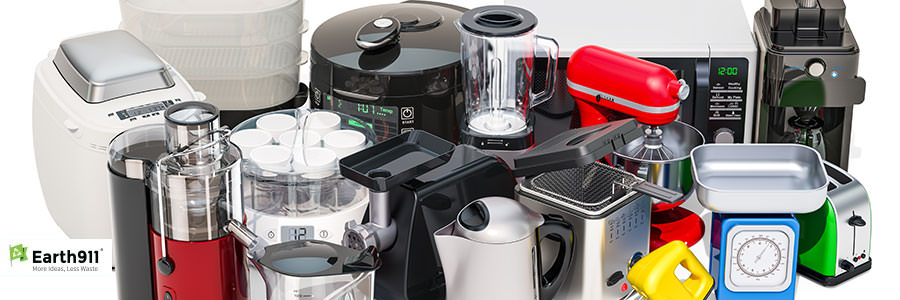
Image Source: earth911.com
Why Recycle Kitchen Appliances?
Responsible appliance disposal isn’t just about decluttering your home; it’s a crucial step towards environmental sustainability. Old appliances often contain valuable materials that can be recovered and reused, significantly reducing the need for virgin resources. More importantly, many appliances contain components that are harmful if not disposed of properly, such as refrigerants in refrigerators or mercury in certain electronic components.
Environmental Benefits
- Resource Conservation: Appliances are made from metals like steel, copper, and aluminum, as well as plastics and glass. Recycling these materials conserves natural resources and reduces the energy required for manufacturing new products.
- Reduced Landfill Waste: Large appliances take up significant space in landfills. Recycling diverts this bulk waste, extending the lifespan of landfill sites.
- Pollution Prevention: Improper disposal can lead to the release of hazardous substances into the soil and groundwater. Refrigerants, for example, are potent greenhouse gases that contribute to climate change.
Economic Benefits
- Job Creation: The recycling industry supports numerous jobs in collection, processing, and manufacturing.
- Material Value: Recovered metals and other materials have economic value, contributing to the circular economy.
What Can Be Recycled?
Virtually all major kitchen appliances have recyclable components. This includes:
- Refrigerators and freezers
- Ovens and ranges (gas and electric)
- Dishwashers
- Microwave ovens
- Washing machines and dryers (often considered laundry appliances but frequently found in or near kitchens)
- Toasters, blenders, coffee makers, and other small kitchen electronics
Key Recyclable Materials
- Metals: Steel, aluminum, copper, brass. These are highly valuable and widely recycled.
- Plastics: Various types of plastics are used in appliance housings and internal components.
- Glass: Oven doors, microwave doors, and appliance panels.
- Circuit Boards: Found in many modern appliances, these contain valuable precious metals and can be processed through specialized electronics recycling programs.
How to Prepare Appliances for Recycling
Before taking your old appliance for recycling, a little preparation can make the process smoother and safer.
1. Empty and Clean Appliances
- Refrigerators and Freezers: Thoroughly empty all food and ice. Defrost the unit completely to prevent water damage during transport and processing. Wipe down the interior to remove any residue.
- Ovens and Dishwashers: Remove any racks, shelves, or cutlery baskets. Clean out any food debris or residue.
- Microwaves: Ensure the appliance is empty.
2. Remove Hazardous Components (If Possible and Safe)
For most appliances, especially large ones, it’s best to leave specialized component removal to professionals at appliance recycling centers or licensed disposal facilities. However, if you are comfortable and it’s safe to do so, some minor items might be removable.
- Lightbulbs: Some appliances have lightbulbs that should be removed and recycled separately, often through designated hazardous waste or electronics recycling channels.
- Batteries: If your appliance has batteries, remove them and recycle them according to local battery recycling guidelines.
Refrigerant Removal: A Critical Step
For disposing of old refrigerators and freezers, the most critical component to address is the refrigerant. These substances, often CFCs or HFCs, are potent greenhouse gases. It is illegal and environmentally damaging to vent them into the atmosphere.
- Professional Removal: The safest and most legal way to handle refrigerant is to have it removed by a certified technician. Many appliance recycling programs or haulers will ensure this is done properly before the unit is accepted. If you’re arranging your own transport, confirm that the recycling center can handle units with refrigerant, or that you can get it professionally removed beforehand.
3. Detach Power Cords and Hoses
While not always necessary, detaching power cords and any hoses (like those from dishwashers or washing machines) can make appliances easier to handle and transport. These smaller components can often be recycled separately.
Finding Appliance Recycling Options
There are several avenues you can explore for recycling your old kitchen appliances. The best option for you will depend on your location, the type of appliance, and your preference for convenience.
1. Local Municipal Recycling Programs
Many cities and counties offer specific collection days or drop-off locations for bulky waste and appliances.
- Curbside Pickup: Check your local sanitation department’s website. Some areas offer scheduled curbside pickup for large appliances, often for a small fee.
- Transfer Stations/Landfills: Your local landfill or transfer station may have designated areas for appliance drop-off. They typically have processes in place for proper handling, including refrigerant removal.
2. Retailer Take-Back Programs
When you purchase a new appliance, many retailers offer to haul away your old one.
- Delivery and Haul-Away: This is often the most convenient option. Many appliance stores and big-box retailers will remove your old appliance when they deliver your new one. Inquire about their recycling policies and any associated fees when you make your purchase.
3. Appliance Recycling Centers and Scrap Metal Yards
Dedicated appliance recycling centers specialize in dismantling and processing appliances. Scrap metal yards are also a good option, especially for the metal content of appliances.
- Metal Recycling for Appliances: Scrap yards are primarily interested in the metal components. They may pay you a small amount for the appliance, depending on the current market value of scrap metal. They will often handle the safe removal of refrigerants and other hazardous materials.
- Finding a Center: Search online for “appliance recycling centers near me” or “scrap metal yards near me.”
4. Specialized E-Waste Recyclers
For smaller kitchen electronics like microwaves, toasters, coffee makers, and blenders, specialized e-waste recycling programs are the best choice.
- What is E-Waste? E-waste, or electronic waste, refers to discarded electrical or electronic devices. These items often contain valuable components and potentially hazardous materials like lead, mercury, and cadmium.
- Where to Find Them: Many electronics retailers, municipal waste facilities, and independent recycling companies offer e-waste drop-off or collection events.
5. Appliance Pickup Services
If your appliance is functional but you no longer need it, or if you need a convenient way to get rid of a non-working appliance, consider professional junk removal or appliance pickup services.
- How They Work: These companies will come to your home, pick up the appliance, and transport it to the appropriate recycling or disposal facility. They often handle all the heavy lifting and logistics.
- Cost: Fees can vary based on the service, the number of items, and your location. Some may charge a flat rate per appliance, while others price by volume.
Recycling Specific Kitchen Appliances
Let’s delve into the specifics for some of the most common kitchen appliances.
Disposing of Old Refrigerators and Freezers
Due to their refrigerant and insulation materials, disposing of old refrigerators requires special attention.
- Refrigerant Recovery: As mentioned, this is the most critical step. Ensure the unit is properly evacuated of refrigerant by a certified professional or through a program that guarantees this service.
- Insulation Foam: The insulation in older refrigerators can contain blowing agents that are harmful to the environment. Specialized facilities are equipped to handle this.
- Scrap Metal Value: Refrigerators are largely made of steel, making them valuable for metal recycling for appliances.
Recycling Old Ovens and Ranges
Recycling old ovens and ranges is generally more straightforward as they typically don’t contain refrigerants.
- Metal Content: Ovens are primarily constructed from steel and cast iron, which are readily recyclable at scrap metal yards.
- Glass and Electrical Components: The glass doors and electrical wiring/components can also be separated and recycled.
- Gas vs. Electric: Electric ovens contain more wiring and electronic controls. Gas ovens will have gas lines that need to be safely disconnected.
Microwave Oven Recycling
Microwaves are considered electronic waste.
- E-waste Handling: They contain circuit boards, transformers, and sometimes capacitors that require specialized handling. Take them to e-waste recycling programs.
- Hazardous Materials: Older microwaves may contain transformers with oil, which needs to be disposed of properly. Modern ones are less likely to have this issue.
Dishwasher and Other Small Appliance Recycling
- Dishwashers: Primarily metal and plastic. They can usually be taken to scrap metal recyclers or municipal collection points.
- Small Appliances (Toasters, Blenders, Coffee Makers): These are best handled through electronics recycling programs. Look for drop-off points at electronics stores or community recycling events.
Handling Hazardous Waste Appliance Disposal
Some appliances may contain materials that classify them as hazardous waste appliance disposal.
What Constitutes Hazardous Waste in Appliances?
- Refrigerants: CFCs, HCFCs, and HFCs used in refrigerators and air conditioners are ozone-depleting or potent greenhouse gases.
- Mercury: Found in some older thermostats (often integrated into appliances), switches, and fluorescent light bulbs within appliances.
- Lead: Present in older CRT televisions and some electronic components.
- PCBs (Polychlorinated Biphenyls): Found in older electrical equipment like transformers.
- Oils and Solvents: Sometimes found in appliance components.
Safe Disposal of Hazardous Materials
- Never Dump: Do not simply dump appliances with hazardous materials on the side of the road or in regular trash. This is illegal and harmful.
- Certified Recyclers: Ensure that the recycling facilities you use are certified to handle the specific hazardous materials contained within the appliance. Appliance recycling centers and specialized e-waste recycling programs often have these certifications.
- Local Regulations: Always check your local government’s guidelines for hazardous waste appliance disposal. They can provide specific instructions on collection, drop-off locations, and any associated fees.
Costs Associated with Appliance Recycling
While recycling is often free, there can be costs involved, especially for large appliances.
- Refrigerant Removal Fees: You might be charged a fee for the safe removal of refrigerants if the recycling center doesn’t include it in the base price.
- Transportation Costs: If you are not using a free curbside pickup or retailer take-back program, you may need to pay for transport to a recycling center.
- Disposal Fees: Some municipal facilities may charge a nominal fee per appliance to cover processing costs, particularly for items requiring special handling.
- Scrap Metal Yards: While they might pay you for the metal, this value is often offset by their costs for handling and processing.
Frequently Asked Questions (FAQ)
Q1: Can I put old appliances in my regular trash bin?
A1: Generally, no. Most municipalities do not allow large appliances to be placed in regular trash collection due to their size, weight, and potential hazardous materials. You could face fines for doing so.
Q2: Will scrap metal yards take old appliances?
A2: Yes, most scrap metal yards will accept old appliances. They are primarily interested in the metal content. Be aware that they may charge a fee to offset their costs or require you to drain fluids like refrigerants.
Q3: What is the best way to recycle a broken refrigerator?
A3: The best way is to use a service that specifically handles disposal of old refrigerators. This ensures the refrigerant is safely removed and the appliance is processed correctly. Many retailers offer haul-away services when you buy a new one, or you can find specialized appliance recycling centers.
Q4: Are there free appliance recycling services?
A4: Yes, sometimes. Your local municipality might offer free curbside pickup days or have free drop-off at their waste management facilities. Retailer take-back programs can also be free, especially when purchasing a new appliance. Check local listings and retailer policies.
Q5: What happens to appliances after they are recycled?
A5: Appliances are dismantled. Metals are separated for metal recycling for appliances, plastics are processed, and hazardous materials are safely neutralized. Components are then sent to specialized facilities for further recycling or disposal. For example, e-waste recycling programs break down electronics to recover valuable metals and manage toxic elements.
Q6: Do I need to remove the doors from my refrigerator or oven?
A6: It’s a good safety practice, especially for refrigerators, to remove the doors to prevent children or animals from getting trapped inside. Some recycling centers may also require this. For ovens, removing racks and shelves is usually sufficient.
Q7: Can I sell my old kitchen appliances if they still work?
A7: Absolutely! If your appliances are in good working condition, selling them is a great way to give them a second life and recoup some costs. Check online marketplaces, local classifieds, or consider donating them to charities or organizations that refurbish appliances for those in need. This is a form of reuse, which is even more environmentally friendly than recycling.
Conclusion
Kitchen appliance disposal doesn’t have to be a burden. By following this guide, you can confidently manage your old appliances, ensuring they are handled responsibly and sustainably. Whether you’re looking for appliance pickup services, searching for local appliance recycling centers, or navigating the specifics of e-waste recycling, making informed choices contributes to a healthier planet and a more circular economy. Prioritizing responsible appliance disposal not only keeps valuable materials out of landfills but also prevents harmful substances from polluting our environment.