
Image Source: i.ytimg.com
How to Refinish a Kitchen Sink: Update Your Look
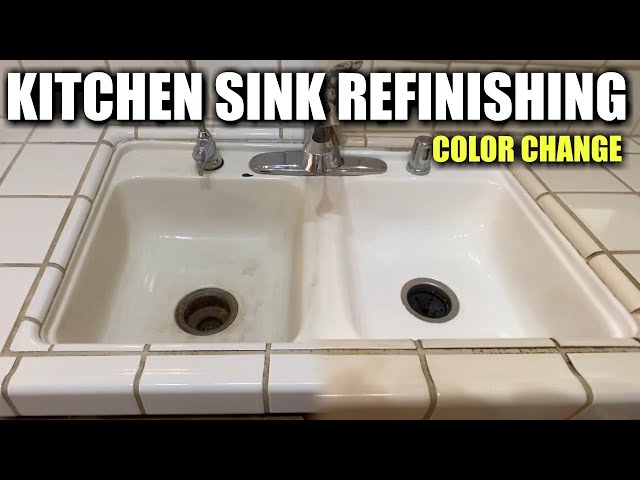
Can you refinish a kitchen sink? Yes, you absolutely can! Refinishing a kitchen sink is a fantastic way to update its look without the expense of a full replacement. It’s a DIY-friendly project that can revive a worn-out sink, whether it’s chipped porcelain, dulled stainless steel, or a scratched acrylic. This guide will walk you through everything you need to know for successful kitchen sink restoration.
Why Refinish Your Kitchen Sink?
Over time, kitchen sinks can suffer from a variety of blemishes. Stains can become permanent, chips and cracks can mar the surface, and the original sheen can dull. Replacing a sink can be a significant undertaking, involving plumbing adjustments, countertop modifications, and considerable cost. Refinishing offers a cost-effective and accessible alternative for a kitchen sink restoration.
Benefits of Refinishing:
- Cost Savings: Significantly cheaper than buying and installing a new sink.
- Time Efficiency: Often a quicker process than full replacement.
- Aesthetic Upgrade: Revitalizes the appearance of your kitchen.
- Durability: With proper application, a refinished surface can last for many years.
- Environmental Friendliness: Reduces waste by giving your existing sink a new life.
Deciphering Your Sink Material: What Are You Working With?
Before you can embark on your DIY sink refinishing journey, it’s crucial to identify the material of your current sink. Different materials require different approaches and products.
Common Sink Materials:
- Porcelain/Enamel: Often found on cast iron or steel sinks, porcelain enamel has a glossy, durable surface. Over time, it can chip, crack, or become stained. Refinishing a porcelain sink often involves repairing these imperfections before applying a new coating.
- Stainless Steel: A popular choice for its durability and modern look. Stainless steel can scratch, dent, or develop water spots. Chrome sink repair might involve polishing and sealing, while more significant damage might require specialized coatings.
- Acrylic: Lightweight and available in many colors, acrylic sinks can scratch easily and may yellow with age. Acrylic sink coating is a common method for refreshing these.
- Composite: Made from a mix of materials like quartz or granite dust and resin. These are durable but can fade or stain.
Preparing for Your DIY Sink Refinishing Project
Proper preparation is the cornerstone of any successful DIY project, and sink refinishing is no exception. This is where you decide if you’re going to tackle a full resurface a kitchen sink job or focus on specific repairs.
Essential Tools and Materials:
- Cleaning Supplies: Degreaser, mild detergent, scrubbing brushes, rags, sponges.
- Repair Materials: Epoxy putty (for chips and cracks), sandpaper (various grits: 80, 150, 220, 320).
- Protective Gear: Gloves, safety glasses, respirator mask, old clothes.
- Refinishing Product: A high-quality sink painting kit or specialized enamel paint. Ensure it’s suitable for your sink material and for high-moisture environments.
- Applicators: High-density foam rollers, fine-bristle paintbrushes, spray gun (if using a sprayable refinishing product).
- Masking Materials: Painter’s tape, plastic sheeting or drop cloths.
- Ventilation: Open windows, fans.
Step-by-Step Preparation:
- Clear the Area: Remove all dishes, racks, and strainers from the sink. If possible, disconnect the drain assembly for better access.
- Deep Clean: Thoroughly clean the entire sink. Use a degreaser to remove any grease or food residue. Follow up with a mild detergent and water. Rinse well and let it dry completely.
- Repair Imperfections: This is critical for a smooth finish.
- Chips and Cracks: For small chips and cracks in porcelain or enamel, use an epoxy putty specifically designed for sinks. Mix the putty according to the manufacturer’s instructions and fill the damaged areas. Allow it to cure fully, then sand it smooth to be flush with the sink surface.
- Scratches: Light scratches in stainless steel can often be buffed out with a specialized stainless steel cleaner and polish. For deeper scratches, you might need a very fine grit sandpaper (600 grit or higher) followed by polishing compounds. For acrylic, fine-grit sandpaper and a polishing compound can often help.
- Sand the Surface: This step is vital to create a surface the new coating can adhere to.
- Porcelain/Enamel: Lightly sand the entire sink surface with 150-grit sandpaper to create a smooth, dull finish. If there are very smooth or glossy areas, you might need to start with 80 or 120 grit to scuff them up.
- Stainless Steel: If you’re painting stainless steel, you’ll need to scuff it. Use 220-grit sandpaper to create a dull surface. If you’re aiming for chrome sink repair without painting, polishing compounds are your primary tool.
- Acrylic: Use 220-grit or 320-grit sandpaper for acrylic to create a key for the paint.
- Clean Again: After sanding, wipe down the entire sink with a damp cloth to remove all dust. Then, use a tack cloth to pick up any remaining fine particles. For a final prep, use rubbing alcohol or mineral spirits on a clean cloth to ensure the surface is completely free of oils and contaminants.
- Masking: Carefully tape off the faucet, drain, countertop edges, and any other areas you don’t want to paint. Use plastic sheeting or drop cloths to protect the surrounding countertop and floor. Ensure all masking is sealed tightly to prevent overspray.
Choosing the Right Refinishing Product
The market offers various products for DIY sink refinishing. Selecting the correct one will determine the longevity and appearance of your renewed sink.
Types of Refinishing Products:
- Sink Painting Kits: These are the most common DIY option. They typically include a primer and a topcoat formulated for wet environments and high usage. They are often enamel-based.
- Enamel Spray Paints: Some high-heat or appliance enamel spray paints can be used for sink refinishing, especially for smaller touch-ups or if you have a spray gun. However, ensure they are rated for prolonged water contact.
- Acrylic Sink Coating: Specifically designed for acrylic surfaces, these coatings provide a durable, glossy finish that can revive faded or scratched acrylic sinks.
- Epoxy Coatings: Two-part epoxy paints offer excellent durability and adhesion, making them a good choice for resurfacing a kitchen sink that sees heavy use.
Important Considerations When Choosing a Product:
- Material Compatibility: Always ensure the product is designed for your specific sink material.
- Durability: Look for products that are formulated to withstand water, soap, and cleaning agents.
- Application Method: Do you prefer spray, brush, or roller? Some kits offer multiple options.
- Cure Time: How long does the product take to dry and fully cure? This impacts how quickly you can use your sink again.
- VOCs (Volatile Organic Compounds): Consider low-VOC or zero-VOC options for better air quality during application.
The Refinishing Process: Bringing Your Sink Back to Life
With meticulous preparation complete, it’s time to apply the refinishing product. Patience and steady hands are key here.
Step-by-Step Application:
- Apply Primer (If Included): If your sink painting kit includes a primer, apply a thin, even coat according to the manufacturer’s instructions. Allow it to dry for the recommended time. Some primers may require light sanding between coats.
- Apply the Topcoat: This is where the transformation happens.
- For Brush/Roller Application:
- Stir the paint thoroughly. Do not shake if not recommended by the manufacturer, as this can create air bubbles.
- Apply a thin, even coat using your chosen applicator. Over-applying can lead to drips and an uneven finish.
- Work in one direction to maintain a consistent texture.
- Allow each coat to dry completely for the time specified in the product’s instructions. This is crucial for proper adhesion.
- Apply additional coats as needed, typically 2-3 coats are recommended for good coverage and durability. Lightly sand between coats with very fine-grit sandpaper (320 grit or higher) if the product instructions suggest it, and always wipe away dust.
- For Spray Application:
- Thin the paint according to the manufacturer’s recommendations if necessary.
- Hold the spray gun at a consistent distance (usually 8-12 inches) from the surface.
- Use smooth, overlapping strokes, moving from side to side and then up and down to ensure even coverage.
- Apply thin coats. It’s better to apply multiple thin coats than one thick, drippy coat.
- Allow adequate drying time between coats.
- For Brush/Roller Application:
- Touch-Ups and Fine Details: Use a fine-bristle paintbrush to carefully paint any areas the roller or spray gun couldn’t reach easily, such as corners or around the drain.
Post-Refinishing Care and Curing
The curing process is as important as the application. Rushing this step can compromise the durability of your refinished sink.
Key Post-Application Steps:
- Drying Time: Allow the sink to air dry for at least 24-72 hours after the final coat.
- Full Curing: Most refinishing products require several days, or even up to a week, to fully cure. During this time, avoid using the sink, placing heavy objects in it, or exposing it to harsh cleaning chemicals. Check the product’s instructions for specific curing times.
- Remove Masking: Carefully remove the painter’s tape and plastic sheeting once the paint is dry to the touch, but before it has fully hardened and potentially bonded with the tape. Pull the tape at a 45-degree angle.
- Gentle Cleaning: Once fully cured, clean the sink gently with mild soap and water. Avoid abrasive cleaners, scouring pads, or harsh chemicals for the first few weeks.
Maintaining Your Newly Refinished Sink
Proper maintenance will help your refinished sink look its best for years to come.
Tips for Long-Term Care:
- Avoid Abrasives: Never use steel wool, abrasive powders, or harsh scrubbing pads on the refinished surface.
- Use Mild Cleaners: Stick to mild dish soap and water for regular cleaning.
- Wipe Dry: After each use, consider wiping the sink dry to prevent water spots, especially if you have hard water.
- Protect from Dropping: Avoid dropping heavy pots or pans directly into the sink, as this can chip or scratch the new finish.
- No Harsh Chemicals: Avoid bleach, ammonia, or drain cleaners directly on the refinished surface unless the product explicitly states it’s safe.
Troubleshooting Common Refinishing Issues
Even with careful planning, you might encounter a few hiccups. Here’s how to address them.
Addressing Problems:
- Drips or Runs: If you notice drips, you can often fix them while the paint is still wet by gently feathering them out with a brush or roller. If the paint has dried, you’ll need to sand down the imperfection and reapply a thin coat.
- Uneven Coverage: This usually means the paint wasn’t applied evenly or in thin enough coats. Sand down the uneven areas and apply additional thin coats for a uniform finish.
- Peeling or Chipping: This is often due to poor surface preparation or using the wrong type of paint. If it’s minor, you may be able to sand down the affected area, feather the edges, and reapply. For widespread peeling, you might need to strip the old coating and start over.
- Orange Peel Texture (Spray Application): This happens when the paint is too thick, applied too far away, or dries too quickly. Try sanding it smooth and reapplying with proper technique.
Refinishing Different Sink Materials: Specific Considerations
While the general principles apply, each material has unique needs.
Specific Material Guides:
Refinishing Porcelain Sink:
Porcelain sinks, often over cast iron, are prone to chips and scratches.
- Repair: Use a porcelain repair kit for chips and cracks. Sand these repairs smooth once cured.
- Sanding: A thorough scuff sanding with 150-grit sandpaper is essential for adhesion.
- Primer: A good bonding primer is highly recommended for porcelain.
- Topcoat: Porcelain enamel refinishing kits are best.
Chrome Sink Repair:
Repairing chrome often involves restoring its shine rather than painting.
- Polishing: Use a good quality chrome polish and a soft cloth to buff out minor scratches and dullness.
- Minor Damage: For small pits or corrosion, a specialized chrome repair kit or a metal polish containing very fine abrasives might help.
- Painting: If the chrome is severely damaged or you want a color change, you’ll need to scuff sand thoroughly and use a primer specifically designed for metal.
Enamel Sink Refinishing:
This is very similar to porcelain.
- Surface Prep: Ensure all glossy surfaces are dulled with fine-grit sandpaper.
- Repair: Address any chips or cracks with an appropriate epoxy filler.
- Paint: Enamel sink refinishing kits are ideal.
Acrylic Sink Coating:
Acrylics are softer and prone to scratching.
- Sanding: Use finer grits (220-320) to avoid damaging the acrylic.
- Coating: Acrylic sink coating products are formulated for this material.
- Avoid Heat: Be cautious with very hot pans or boiling water, as this can damage some acrylic coatings.
Sink Painting Kit vs. Professional Refinishing
When considering how to repaint a sink, you have the option of DIY with a sink painting kit or hiring a professional.
| Feature | DIY Sink Painting Kit | Professional Refinishing |
|---|---|---|
| Cost | Low (kits range from $50-$150) | High (can be several hundred dollars) |
| Labor | You do all the work | Professionals handle preparation and application |
| Time Commitment | Several days (prep, application, curing) | Typically 1-2 days for the service, plus scheduling |
| Skill Level | Requires patience and attention to detail; beginner-friendly | Requires expertise for best results |
| Product Choice | Limited to available DIY kits | Professionals use commercial-grade, more durable products |
| Risk of Error | Higher if not careful with prep/application | Lower due to experience |
For those comfortable with DIY projects, a kitchen sink resurfacing kit can provide a satisfying and budget-friendly transformation.
Frequently Asked Questions (FAQ)
Q1: How long does a refinished sink last?
A: With proper care and maintenance, a professionally refinished sink can last 5-10 years, while a well-done DIY job with quality products can last 3-7 years.
Q2: Can I refinish my stainless steel sink?
A: Yes, but it’s usually done by polishing and buffing to restore the shine and remove scratches. Painting stainless steel is possible but requires specialized primers and paints for proper adhesion.
Q3: What is the best product for refinishing a kitchen sink?
A: The best product depends on your sink material. For porcelain or enamel, specialized sink refinishing kits or enamel paints are recommended. For acrylic, use acrylic sink coatings. Always choose products specifically designed for sinks and their materials.
Q4: How do I deal with rust stains on my sink before refinishing?
A: For rust stains, try a paste of lemon juice and salt, or a commercial rust remover suitable for your sink material. Clean thoroughly afterward.
Q5: Can I use regular spray paint to refinish my sink?
A: No, regular spray paint is not designed for the constant moisture and cleaning that a kitchen sink endures. It will likely peel, chip, or fade quickly. Use products specifically made for sinks.
Refinishing your kitchen sink is a rewarding project that can significantly enhance your kitchen’s appearance without breaking the bank. By following these detailed steps, carefully selecting your materials, and taking your time with the preparation and application, you can achieve a beautiful, updated look for your sink.