
Can you remove a kitchen knife handle? Yes, you can remove a kitchen knife handle. This guide will show you how to safely detach a knife handle, a crucial step for many kitchen knife disassembly projects, knife handle repair, and even complete kitchen knife restoration. Whether you’re looking to fix a loose knife handle, replace a worn grip, or undertake a full knife handle rehandle, this process is your starting point.
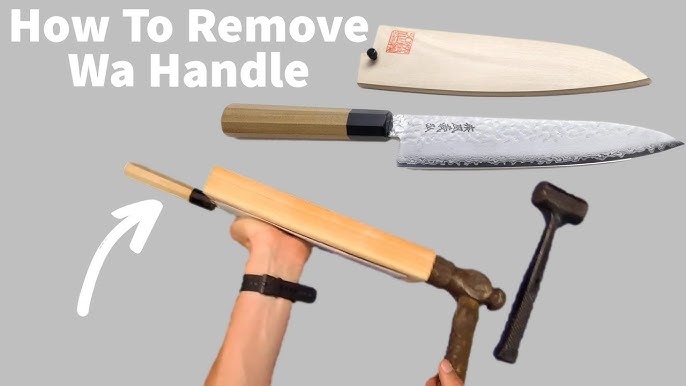
Image Source: i.ytimg.com
Why Remove a Kitchen Knife Handle?
There are several reasons why you might want to remove a kitchen knife handle. Perhaps the handle is cracked, loose, or uncomfortable. Maybe you want to clean thoroughly beneath the handle to remove accumulated grime and bacteria. Or, you might be embarking on a project to upgrade your knife’s appearance and ergonomics with a new knife handle replacement. For many enthusiasts, this is a fundamental skill in kitchen knife disassembly, leading to knife handle repair or a complete knife handle rehandle.
Gathering Your Tools and Materials
Before you start detaching the knife handle, it’s important to have everything you need. This ensures a smooth and safe process.
Essential Tools:
- Safety Glasses: Always protect your eyes when working with tools, especially when metal and wood are involved.
- Work Gloves: These protect your hands from sharp edges and potential slips.
- Protective Surface: A sturdy workbench or cutting board to work on.
- Vice or Clamps: To securely hold the knife while you work.
- Pliers: Needle-nose and regular pliers are useful for gripping and pulling.
- Screwdrivers: If your handle is attached with screws.
- Small Hammer: For gentle persuasion if needed.
- Utility Knife or Craft Knife: For scoring and cutting materials.
- Sandpaper: Various grits (e.g., 80, 120, 220) for cleaning and smoothing.
- Metal File: For smoothing rough edges on the tang or bolster.
- Heat Gun or Hairdryer: For softening adhesives.
- Denatured Alcohol or Acetone: For cleaning adhesives.
- Cleaning Cloths: For wiping away debris and solvents.
- New Handle Material (if replacing): Wood, G10, Micarta, or other preferred materials.
- Epoxy or Adhesive: Suitable for knife handles.
- New Pins or Rivets: If your handle uses them.
Optional Tools for Specific Handle Types:
- Drill and Drill Bits: For removing rivets or creating new attachment points.
- Hacksaw or Metal Saw: For cutting through metal components like pins or bolsters.
- Wood Chisel: For carefully prying away certain types of handles.
Deciphering Knife Handle Construction
Kitchen knives have various handle constructions. Knowing what you’re dealing with is key to successful detaching the knife handle. The most common types include:
Full Tang Knives
In a full tang knife, the metal of the blade extends all the way through the handle. The handle scales (the outer parts) are then attached to this tang. This is the most robust construction.
How Handles are Attached:
- Rivets/Pins: Metal pins are often driven through the tang and the handle scales.
- Epoxy/Adhesive: Strong glues are frequently used to secure the scales to the tang.
Partial Tang Knives
Here, the tang is shorter than the overall handle length. This is less common in modern kitchen knives but might be found in older or more traditional designs. The handle material often encases the tang.
How Handles are Attached:
- Compression Fitting: The handle material is shrunk onto the tang.
- Epoxy/Adhesive: Glues are used.
Full Handle Knives (Non-Scale)
Some knives have a single piece of material forming the entire handle, which is then fitted onto the tang. This is often seen with plastic or resin handles.
How Handles are Attached:
- Molded Fit: The handle is molded directly onto the tang.
- Epoxy/Adhesive: Glues are used.
Step-by-Step Guide to Detaching the Knife Handle
This guide focuses primarily on the common full tang construction with scales, as it’s the most prevalent for kitchen knives and often the target of knife handle replacement and kitchen knife restoration projects.
Step 1: Secure the Knife
Safety first! Place the knife blade in a vice or clamp it securely to a workbench. Ensure the blade is well protected. You can use wood blocks or thick cloth to cushion the blade within the vice. This prevents the knife from moving during the handle removal process.
Step 2: Identify the Attachment Method
Look closely at your knife handle. How are the scales attached to the tang?
- Rivets/Pins: You’ll see metal pins protruding from the sides of the handle, flush with the surface.
- Screws: Some modern knives might have screws holding the scales together or to the tang.
- Adhesive Only: The scales might be glued directly to the tang with no visible fasteners.
- Bolster: Some knives have a metal bolster where the blade meets the handle. Detaching the handle might involve dealing with the bolster itself or separating the handle from it. Removing the knife bolster might require different techniques depending on its construction.
Step 3: Removing Rivets or Pins
This is a common method for securing knife handles.
Method A: Using a Punch and Hammer
- Locate the Pin Ends: Identify where the pins emerge on both sides of the handle.
- Choose the Right Punch: Select a punch that is slightly smaller than the diameter of the pin.
- Position the Knife: Ensure the handle end with the pin you’re targeting is firmly supported.
- Align the Punch: Place the tip of the punch squarely on the center of the pin.
- Gentle Tapping: With a small hammer, gently tap the end of the punch. The goal is to push the pin out of the handle. You might need to tap from both sides if the pins go all the way through.
- If Stubborn: If the pins don’t budge, you might need to apply slightly more force or try heating the handle around the pin. Be cautious with heat, especially with natural materials like wood.
Method B: Drilling Out Pins
If the pins are flush or very difficult to punch out, drilling is an option.
- Center Punch: Use a center punch to create a small indentation in the exact center of the pin. This will guide your drill bit.
- Select a Drill Bit: Choose a drill bit that is the same diameter as the pin. Start with a smaller bit if you’re unsure.
- Drill Carefully: Drill straight through the pin. Drill slowly and apply steady pressure. You are aiming to remove the pin material, not the handle scale or tang.
- Clean the Hole: Once the pin is drilled out, use a pick or needle-nose pliers to remove any remaining fragments.
Step 4: Dealing with Screws
If your handle is attached with screws, this is the simplest scenario.
- Identify Screw Type: Determine if they are Phillips, flathead, or Torx screws.
- Use the Correct Screwdriver: Select the screwdriver that fits the screw head snugly.
- Unscrew: Turn the screws counter-clockwise to loosen and remove them. Keep the screws in a safe place if you plan to reassemble.
Step 5: Softening Adhesive
Many knife handles are secured with a combination of pins and adhesive, or adhesive alone.
- Apply Heat: Use a heat gun or hairdryer on a medium setting. Gently heat the handle area where the scales meet the tang. The goal is to soften the epoxy, not to cook the handle material.
- Test for Looseness: After a minute or two of heating, try to gently pry the handle scale away from the tang using a thin, flat tool like a putty knife or a thin screwdriver.
- Reheat if Necessary: If it’s still firmly attached, apply heat again. Be patient and avoid overheating, which can damage wood or synthetic materials.
- Solvent Assistance: Once slightly loose, you can sometimes introduce denatured alcohol or acetone into the gap to help break down the adhesive. Apply it with a cotton swab or a small dropper.
Step 6: Prying and Separating the Scales
Once the fasteners are removed or the adhesive is softened, you can start separating the handle scales.
- Gentle Prying: Use a thin, flat, and sturdy tool (like a palette knife, thin screwdriver, or even a specialized handle-separating tool).
- Work Around the Edges: Carefully insert the tool between the handle scale and the tang. Work your way around the perimeter, gently prying.
- Avoid Force: Do not apply excessive force, as this can crack the handle scales or damage the tang. If it feels stuck, reapply heat or solvent.
- Separate One Side: Once one scale is loose, you can often lift it off the tang. The other scale might come off with it or require separate prying.
Step 7: Removing the Bolster (If Applicable)
If your knife has a bolster, it might be attached to the tang or the handle scales.
- Press-Fit Bolsters: Some bolsters are press-fit onto the tang. These can sometimes be carefully tapped off with a hammer and punch from the handle side.
- Soldered Bolsters: Less common in kitchen knives, but some might be soldered. This usually requires significant heat and specialized tools.
- Bolster as Part of the Handle: In some designs, the bolster is integral to the handle material itself. In this case, you’re essentially removing the entire handle unit.
If your goal is to replace the handle entirely, you might need to remove the bolster as well if it’s a separate piece attached to the tang. This often involves tapping it off from the pinned end of the tang.
Step 8: Cleaning the Tang and Old Handle Material
Once the handle scales are off, you’ll have the tang exposed.
- Remove Residual Adhesive: Use a scraper, sandpaper, or a solvent like acetone to remove any old epoxy or glue from the tang. A clean tang is crucial for a good bond with a new handle.
- Clean the Scales (if reusing): If you plan to reuse the original scales, clean them thoroughly of any adhesive residue. Sanding might be necessary if the scales are wooden and need refinishing.
- Remove Rough Edges: Use a file or sandpaper to smooth any rough edges on the tang or where the pins were.
Common Issues and Solutions When Detaching Handles
Even with careful steps, you might encounter challenges.
- Stuck Pins: Try heating the area around the pin. If that doesn’t work, drilling is often the next best option.
- Cracked Handle Scales: If a scale cracks during removal, it usually means a full knife handle replacement is necessary. You can sometimes stabilize a small crack with CA glue (super glue) if you intend to reuse it, but this is often a temporary fix.
- Damage to the Tang: Be very careful not to bend or damage the tang while prying. A damaged tang can compromise the knife’s structural integrity.
- Adhesive Won’t Soften: Some very strong modern adhesives might require more persistent heating or specific solvents. Consult the adhesive manufacturer if you know what was used.
Table: Common Handle Attachment Methods and Removal Techniques
| Attachment Method | How It Works | Removal Technique(s) |
|---|---|---|
| Metal Pins/Rivets | Pins go through tang and handle scales. | Punch and hammer to push pins out; Drill out pins if stuck. |
| Screws | Screws thread into tang or handle scales. | Use appropriate screwdriver to unscrew. |
| Epoxy/Adhesive | Glue bonds scales to tang. | Heat to soften adhesive, then pry; Solvents can help. |
| Press-Fit Bolster | Bolster is tightly fitted onto the tang end. | Tap bolster off with hammer and punch from the handle side. |
| Integrated Handle | Handle material molded around or onto tang. | Often requires cutting or chiseling away the handle material, or heating to soften. |
| Threaded Pommel | Handle secured by a threaded end cap. | Unscrew the pommel counter-clockwise. |
Preparing for Knife Handle Replacement
Once you have successfully detached the knife handle and cleaned the tang, you are ready for the next steps in your kitchen knife disassembly project, which often leads to a knife handle replacement or a full knife handle rehandle.
Preparing the Tang:
- Ensure Cleanliness: The tang must be perfectly clean. Any old glue, rust, or debris will interfere with the new adhesive.
- Smooth Rough Spots: File or sand any burrs or rough spots on the tang where the new handle will sit.
- Check for Fit: If you’re fitting new scales, place them against the tang to ensure they align correctly. You may need to drill new pinholes if the new scales don’t match the old ones.
Preparing New Handle Scales:
- Shape and Fit: If you’ve made your own scales, ensure they are shaped to fit the tang and the desired ergonomics.
- Drill Pin Holes: Carefully drill holes through the new scales that align with the tang’s pinholes. Use a drill press for accuracy if possible.
Conclusion
Removing a kitchen knife handle might seem daunting, but with the right tools, patience, and a step-by-step approach, it’s a very achievable task. Whether you’re performing routine kitchen knife disassembly for cleaning, tackling a loose knife handle, or aiming for a complete knife handle replacement, knowing how to safely detach the handle is fundamental. This skill opens the door to countless opportunities for knife handle repair, kitchen knife restoration, and personalizing your most important kitchen tools. With careful work, you can bring new life to your favorite knives.
Frequently Asked Questions (FAQ)
Q1: Do I need to remove the bolster to replace the handle?
A1: It depends on the knife’s construction. If the bolster is a separate piece pressed onto the tang, and your new handle design requires it, then yes, you may need to remove it. If the bolster is integral to the handle material, you’ll likely remove it as part of the entire handle unit.
Q2: What is the best way to remove stubborn epoxy?
A2: For stubborn epoxy, gently applying heat with a heat gun or hairdryer is the first step. If that doesn’t work, solvents like denatured alcohol or acetone can help break down the adhesive. Apply the solvent with a cotton swab or dropper into any small gap you can create.
Q3: Can I reuse the old handle scales?
A3: Yes, you can often reuse old handle scales if they are still in good condition. You will need to clean them thoroughly of any old adhesive and potentially refinish them (especially if they are wood).
Q4: How do I avoid damaging the knife blade during handle removal?
A4: Always secure the knife blade properly in a vice or clamp, using protective padding. Work with steady hands and avoid using excessive force that could cause slips. Keep the blade away from your body at all times.
Q5: What kind of adhesive should I use for reattaching a knife handle?
A5: High-strength epoxy resins are generally recommended for knife handle reattachment. Look for epoxies that are known for their durability and resistance to moisture and impact.
Q6: My handle is loose. Can I fix it without removing it completely?
A6: Sometimes, if the looseness is due to a loose pin or a small gap in the adhesive, you might be able to inject some epoxy into the gap and clamp it. However, for significant looseness or cracked scales, a full knife handle replacement or repair involving removing the handle is usually necessary.
Q7: What are knife handle scales?
A7: Knife handle scales are the outer pieces of material that are attached to the tang of a knife to form the grip. They are common on full tang knives.
Q8: Is kitchen knife restoration a difficult process?
A8: Kitchen knife restoration can range from simple cleaning and sharpening to complete overhauls like knife handle replacement or blade re-profiling. Removing the handle is a fundamental first step for many restoration projects. The difficulty depends on the specific tasks involved.