
Can you replace a kitchen sink strainer yourself? Yes, you can! Replacing a kitchen sink strainer is a straightforward DIY project that most homeowners can tackle with basic tools and a little patience. This guide will walk you through every step, from gathering your supplies to the final tightening, ensuring you can confidently fix a leaky sink drain or upgrade your kitchen sink parts.
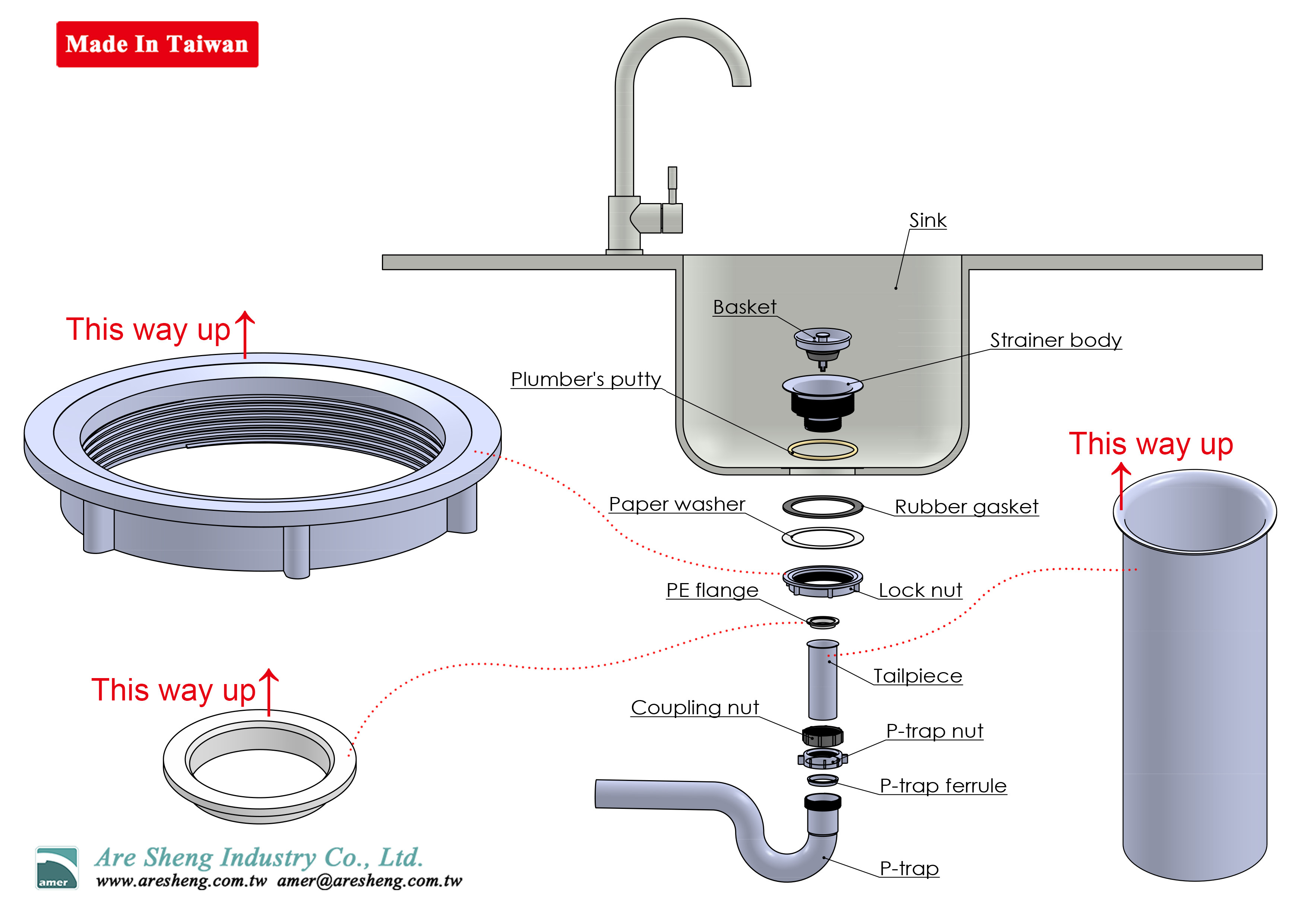
Image Source: www.aresheng.com.tw
Why Replace Your Kitchen Sink Strainer?
Your kitchen sink strainer is a small but mighty component of your kitchen plumbing. It’s the first line of defense against clogs, preventing food scraps and other debris from entering your pipes. Over time, these essential kitchen sink parts can wear out, leading to a variety of issues:
- Leaks: A worn-out rubber gasket or a loose fitting can cause water to seep from around the drain. This is often why people search for how to fix a leaky sink drain.
- Clogs: A damaged or poorly fitting strainer can allow larger particles to pass through, leading to frequent blockages in your pipes.
- Rust and Corrosion: Metal strainers can rust and corrode, especially with constant exposure to water and cleaning chemicals. This can make them unsightly and affect their ability to seal properly.
- Difficulty with Sink Stopper Repair: If your sink stopper isn’t working correctly, it might be due to a faulty strainer assembly or a damaged drain basket.
- Aesthetics: A dingy, corroded strainer can detract from the overall look of your kitchen sink.
Replacing your kitchen sink strainer can solve these problems and give your sink a fresh, functional update.
Tools and Materials You’ll Need
Before you begin, gather all the necessary tools and materials. Having everything on hand will make the process smoother and quicker.
Essential Tools
- Plumber’s Putty or Silicone Sealant: This creates a watertight seal between the strainer flange and the sink basin.
- Adjustable Wrench or Basin Wrench: A basin wrench is ideal for reaching tight spots under the sink.
- Bucket or Towels: To catch any residual water and keep your work area dry.
- Screwdriver (Flathead and Phillips): May be needed for some types of strainers.
- Safety Glasses: Protect your eyes from debris and splashes.
- Gloves: Keep your hands clean and protected.
- Rag or Sponge: For cleaning up spills and excess putty.
- Wire Brush (Optional): For cleaning the sink drain opening.
- Pliers (Optional): Can be helpful for gripping stubborn parts.
Replacement Parts
- New Kitchen Sink Strainer Assembly: Make sure it’s compatible with your sink type (e.g., stainless steel, porcelain, composite) and the thickness of your sink material. Most strainers come with a new gasket and lock nut.
- New Drain Flange (Optional but Recommended): It’s a good idea to replace the drain flange at the same time as the strainer for a complete overhaul.
Step-by-Step Guide to Replacing Your Kitchen Sink Strainer
This guide covers the general process for replacing a standard kitchen sink strainer. Always refer to the manufacturer’s instructions for your specific model.
Step 1: Prepare the Work Area
Start by clearing out the cabinet beneath your sink. Remove all cleaning supplies and any other items stored there. Place your bucket or towels on the cabinet floor to catch any water that might drip.
Step 2: Turn Off the Water Supply
Although you’re not directly working with the main water lines, it’s good practice to turn off the hot and cold water supply to the faucet. Look for the shut-off valves under the sink. Turn them clockwise until they are snug. If you don’t have individual shut-off valves, you’ll need to turn off the main water supply to your house.
Step 3: Remove the Old Strainer
This is where the real work begins. You’ll be working from underneath the sink to detach the old strainer assembly.
Disconnecting the Drain Pipe
- Locate the P-trap, which is the curved section of pipe directly below your sink drain.
- Place your bucket directly beneath the P-trap’s slip nuts.
- Using your adjustable wrench, loosen the slip nuts on either side of the P-trap. Turn them counter-clockwise. Be prepared for some water to drain into the bucket.
- Once the slip nuts are loose, carefully remove the P-trap. You may need to wiggle it slightly.
Detaching the Strainer from Below
- With the P-trap removed, you’ll see the underside of the old sink strainer assembly. This typically consists of a tailpiece connected to a large nut (lock nut) that screws onto the threaded part of the strainer flange.
- Use your adjustable wrench or basin wrench to loosen and remove this lock nut. Turn it counter-clockwise.
- If the strainer is old or corroded, it might be stuck. Gentle tapping with a rubber mallet can sometimes help loosen it.
Removing the Old Strainer Flange from Above
- Once the lock nut is removed from below, go back to the sink basin.
- Try to unscrew the old strainer flange from the drain opening. It might be hand-tight or slightly stubborn.
- If it’s stuck, you might need to use a screwdriver to gently pry it loose from the plumber’s putty or sealant. Be careful not to scratch your sink.
- Lift the old strainer flange out of the sink drain hole.
Step 4: Clean the Sink Drain Opening
This is a crucial step for ensuring a good seal with your new strainer.
- Use a putty knife or a flathead screwdriver to scrape away any old plumber’s putty, silicone, or debris from around the drain opening on the inside of the sink.
- A wire brush can be helpful for removing stubborn residue.
- Wipe the area clean with a damp rag or sponge. Ensure the surface is smooth and free of obstructions. A clean surface is essential for proper kitchen sink plumbing.
Step 5: Install the New Sink Strainer
Now it’s time to put in the new kitchen sink strainer installation.
Applying Plumber’s Putty or Sealant
- Take your new strainer flange.
- Roll a rope of plumber’s putty about 1/2 inch thick.
- Press this rope of putty evenly around the underside of the new strainer flange’s lip. If you prefer silicone sealant, apply a bead around the same area. Plumber’s putty is generally preferred for its ease of use and clean-up, but silicone sealant offers a more permanent and often more durable seal, especially for stainless steel sinks.
Positioning the New Strainer
- Carefully insert the new strainer flange into the sink drain opening from the top.
- Press down firmly to seat it into the putty or sealant.
- From underneath the sink, slide the rubber gasket onto the threaded portion of the strainer flange that extends through the sink basin.
- Next, screw on the fiber or plastic washer (if included with your new strainer).
- Finally, thread the lock nut onto the strainer flange. Tighten it by hand as much as you can.
Securing the Strainer Assembly
- Use your basin wrench or adjustable wrench to tighten the lock nut. Turn it clockwise.
- Hold the strainer flange from the top of the sink with your hand or a tool to prevent it from turning as you tighten the lock nut from below.
- Tighten the lock nut until the strainer is snug and doesn’t wiggle. Be careful not to overtighten, as this can crack porcelain sinks or strip the threads. The goal is a secure fit that compresses the putty or sealant to create a watertight seal.
Removing Excess Putty
- Once the strainer is secured, go back to the top of the sink.
- You’ll see a ring of plumber’s putty that has squeezed out from under the flange.
- Use your finger or a putty knife to carefully remove this excess putty. Wipe away any residue with a damp cloth.
Step 6: Reassemble the Plumbing
Now that your new strainer is in place, it’s time to reconnect the drain pipes.
- Reattach the P-trap to the tailpiece of the new sink strainer assembly.
- Hand-tighten the slip nuts first, ensuring the plastic washers are properly seated.
- Use your adjustable wrench to snug them up. Again, avoid overtightening.
- Ensure all connections are straight and aligned to prevent leaks.
Step 7: Test for Leaks
This is the moment of truth!
- Place the sink stopper into the new strainer to plug the drain.
- Turn on the hot and cold water and let the sink fill up a few inches.
- Turn off the water.
- Watch closely for any drips or leaks around the strainer flange (both inside and outside the sink basin) and at the P-trap connections.
- If you see any leaks, try tightening the lock nut or slip nuts slightly. If the leak persists around the strainer flange, you may need to remove it, clean the area again, and reapply plumber’s putty or sealant. This is a common part of fixing sink strainer issues.
Step 8: Final Cleanup
- Once you’re confident there are no leaks, dry off any remaining water.
- Put your cleaning supplies back into the cabinet.
- Dispose of the old strainer and any used materials properly.
Congratulations! You’ve successfully replaced your kitchen sink strainer and potentially fixed a leaky sink drain.
Troubleshooting Common Issues
Even with careful work, you might encounter a few hiccups. Here are some common problems and how to address them.
Leaky Strainer Flange
- Cause: Insufficient plumber’s putty, improper tightening, or a cracked sink basin.
- Solution: If a slight tightening of the lock nut doesn’t work, you’ll need to dismantle the assembly. Clean off all the old putty, reapply a fresh rope of plumber’s putty (or sealant), and reassemble, ensuring proper pressure is applied when tightening the lock nut.
Stubborn Drain Basket Removal
- Cause: Corrosion or mineral buildup.
- Solution: Try spraying a penetrating oil like WD-40 around the threads and letting it sit for a while. You can also try gently tapping the old strainer with a rubber mallet to break the seal. If it’s still stuck, you might need to cut through the old strainer assembly with a hacksaw blade (carefully, so you don’t damage the sink) to get it out. This is a more involved kitchen sink drain replacement.
Leaky P-Trap Connections
- Cause: Loose slip nuts or worn-out washers.
- Solution: Tighten the slip nuts slightly. If that doesn’t work, loosen the nuts, check that the plastic washers are correctly seated and not cracked or deformed, and retighten. If the washers appear worn, replace them.
New Strainer Doesn’t Seal Properly
- Cause: Debris or unevenness on the sink surface.
- Solution: Remove the strainer, thoroughly clean the sink drain opening and the strainer flange, and reapply plumber’s putty. Ensure the putty is evenly distributed and the flange is pressed in squarely.
Frequently Asked Questions About Kitchen Sink Strainers
Here are some common questions about replacing kitchen sink strainers:
Q1: How often should I replace my kitchen sink strainer?
A1: Kitchen sink strainers don’t have a fixed replacement schedule. You should replace them when they show signs of wear, such as leaks, rust, corrosion, or difficulty with sink stopper repair. Many can last for many years.
Q2: Can I use silicone sealant instead of plumber’s putty?
A2: Yes, you can use silicone sealant. Silicone often provides a more durable and waterproof seal, but it can be messier to work with and harder to remove later. Plumber’s putty is traditional and easier for DIYers to manage for sink strainer installation.
Q3: My new strainer came with different types of washers. Which ones do I use?
A3: Typically, you’ll use a rubber gasket that goes directly onto the threaded part of the strainer, followed by a fiber or plastic washer, and then the lock nut. Always refer to the instructions that came with your new kitchen sink parts.
Q4: What if the lock nut is too tight to remove?
A4: If the lock nut is severely seized, you might need to use a pipe wrench for extra grip. If it still won’t budge, you may have to cut it off with a hacksaw blade, being extremely careful not to damage the sink itself. This is part of a more difficult kitchen sink drain replacement.
Q5: Is it necessary to replace the drain basket when replacing the strainer?
A5: While the drain basket itself (the part you see in the sink) can often be replaced independently, it’s usually sold as part of a complete strainer assembly. Replacing the whole assembly ensures all components, including the crucial gasket and flange, are new and working together correctly, contributing to a better drain fitting replacement.
Q6: What’s the difference between a strainer and a garbage disposal flange?
A6: A sink strainer is designed to catch debris for standard drains. A garbage disposal flange is specifically designed to connect to a garbage disposal unit and often has a slightly different design and thread pattern to accommodate the disposal’s mounting hardware. Ensure you purchase the correct part for your setup.
Q7: How do I know if my sink is clogged further down the line?
A7: If your sink is still draining slowly or not at all after replacing the strainer and confirming no visible blockages, the clog is likely further down in your plumbing system. You might need to use a plumber’s snake or call a professional plumber for assistance with the kitchen sink plumbing.
Replacing your kitchen sink strainer is a rewarding DIY task that can save you money and improve the functionality of your kitchen. By following these steps carefully, you can achieve a professional-looking result and enjoy a leak-free sink.