
Leaky kitchen sinks are a common problem, but can you reseal a kitchen sink yourself? Yes, you absolutely can reseal a kitchen sink yourself. This guide will walk you through the process of resealing your kitchen sink to prevent water damage and keep your kitchen looking its best. We’ll cover everything from choosing the right caulk to the step-by-step process of removing old sealant and applying new. Proper sink sealing is vital for kitchen sink waterproofing and can save you from costly repairs down the line.
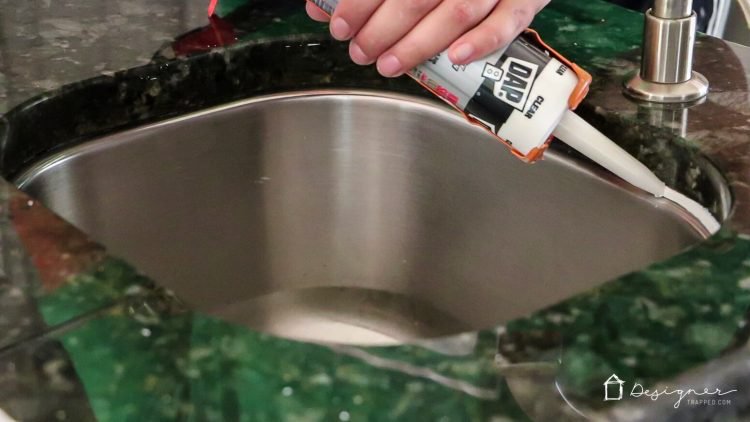
Image Source: www.dap.com
Why Reseal Your Kitchen Sink?
Over time, the sealant around your kitchen sink can degrade. This is due to a variety of factors, including constant exposure to water, cleaning chemicals, and everyday wear and tear. When the caulk breaks down, it creates gaps that allow water to seep underneath. This seemingly small issue can lead to significant problems:
- Water Damage: Water seeping into the countertop or cabinetry can cause rot, mold, and mildew growth. This is especially problematic for porous materials like wood and laminate.
- Structural Damage: Persistent moisture can weaken the bond between your sink and the countertop, leading to a loose sink. In severe cases, it can even compromise the integrity of your cabinets.
- Unsanitary Conditions: Trapped moisture and food particles in gaps can become breeding grounds for bacteria, posing a health risk.
- Aesthetic Concerns: Gaps and peeling caulk look unsightly and detract from the overall appearance of your kitchen.
Resealing your kitchen sink is a proactive step to prevent these issues. It’s a relatively simple DIY task that can significantly extend the life of your sink and countertops. This process is similar to bathroom sink sealing, focusing on creating a watertight barrier.
Signs Your Sink Needs Resealing
Before you dive in, it’s good to know what to look for. Here are common indicators that it’s time to reseal your kitchen sink:
- Visible Gaps: You can see small spaces or cracks between the sink edge and the countertop.
- Peeling or Cracked Caulk: The existing sealant is peeling away from the sink or countertop, or it looks brittle and cracked.
- Water Stains or Discoloration: Stains around the edge of the sink, especially on the countertop, suggest water has been seeping underneath.
- Mold or Mildew: Any signs of mold or mildew growth around the sink edge are a clear indicator of moisture intrusion.
- Loose Sink: If the sink feels loose or shifts when you press on it, the sealant has likely failed.
Gathering Your Supplies: The Right Tools for the Job
To effectively reseal your kitchen sink, you’ll need a few essential items. Choosing the best kitchen sink caulk is crucial for a durable and watertight seal.
Essential Tools and Materials:
- Caulk Gun: A basic, inexpensive caulk gun is sufficient for most DIY projects.
- Caulk Removal Tool or Utility Knife: For scraping away old sealant.
- Putty Knife or Scraper: To help lift stubborn old caulk.
- Rubbing Alcohol or Denatured Alcohol: For cleaning the area and ensuring good adhesion of the new caulk.
- Clean Cloths or Rags: Plenty of them for wiping and cleaning.
- Painter’s Tape (Optional but Recommended): To create clean caulk lines.
- Caulk Finisher Tool or Popsicle Stick: For smoothing the caulk bead.
- Your Chosen Sink Sealant: More on this below.
Choosing the Right Sink Sealant:
The type of sealant you choose is critical for the success of your project. For kitchen sinks, you need something that is:
- Waterproof: Obviously, it needs to withstand constant contact with water.
- Mold and Mildew Resistant: Kitchens can be humid environments, so this is a must.
- Flexible: It needs to accommodate minor movements between the sink and countertop without cracking.
- Durable: It should last for several years.
- Adhesive: It needs to bond well to both your sink material (stainless steel, porcelain, composite) and your countertop material (granite, laminate, quartz, etc.).
Here are the most common and recommended options:
Silicone Caulk Sink:
- Pros: Excellent waterproofing, very flexible, good adhesion, and highly resistant to mold and mildew. It’s also generally easy to work with.
- Cons: Can be slightly harder to clean up than latex-based caulks. It also cannot be painted over.
- Best For: Most kitchen sink installations, especially where a long-lasting, waterproof seal is paramount. Look for 100% silicone.
Acrylic Latex Caulk with Silicone:
- Pros: Easier to apply and clean up than 100% silicone. Many are paintable, which can be a benefit if you want to match the caulk color to your wall paint. Good for general-purpose sealing.
- Cons: Less flexible and durable than 100% silicone. May not offer the same level of mold and mildew resistance in high-moisture areas.
- Best For: Situations where paintability is a priority, or for less demanding sealing tasks. It’s important to ensure it’s rated for kitchen and bath use.
Best Kitchen Sink Caulk Recommendations:
Many manufacturers offer specialized kitchen and bath caulks. When selecting, look for labels that specifically mention “kitchen and bath,” “waterproof,” and “mold/mildew resistant.” Brands like GE Silicone, Loctite PL Premium, and DAP Alex Plus are popular choices. Many DIYers prefer a silicone caulk sink for its superior performance in preventing leaks.
Step-by-Step Guide to Resealing Your Kitchen Sink
This section will walk you through the entire process of resealing your sink, from removing the old caulk to applying the new. This is a core aspect of DIY sink sealing.
Step 1: Remove Old Caulk
This is a crucial step for a good bond. If you don’t remove all the old caulk, the new sealant won’t adhere properly, and you’ll still have a weak seal.
- Prepare the Area: Lay down old towels or newspaper around the sink to protect your countertops and floor from debris.
- Use a Caulk Removal Tool or Utility Knife: For most of the caulk, a dedicated caulk removal tool or a sharp utility knife is your best bet. Carefully insert the blade under the edge of the caulk and slice along the seam. Work slowly and deliberately to avoid scratching your countertop or sink.
- Scrape Away Debris: Use a putty knife or the scraper on your caulk tool to gently lift and peel away the loosened caulk. For stubborn bits, you might need to re-score with your knife.
- Clean Up Loose Bits: Use a damp cloth to wipe away any remaining caulk residue.
- Deep Clean the Seam: Once the bulk of the caulk is removed, you’ll want to clean the seam thoroughly. This is where rubbing alcohol or denatured alcohol comes in. Dampen a clean cloth with alcohol and wipe down the entire seam where the old caulk was. This removes any lingering residue, oils, or grime, preparing the surface for the new sink sealant.
Tip: If you’re resealing a sink drain as well (which is a good idea if it’s showing signs of wear), the removal process for that sealant is similar. Use a scraper or knife to carefully remove old plumber’s putty or sealant around the drain flange.
Step 2: Clean and Dry the Area Thoroughly
This is perhaps the most critical step for ensuring your new caulk adheres properly and creates a waterproof seal.
- Wipe Down with Alcohol: After removing the old caulk, wipe the entire seam area with rubbing alcohol or denatured alcohol again. This helps to degrease the surface and remove any residual moisture or dirt that might prevent the new caulk from sticking.
- Dry Completely: Use a clean, dry cloth to thoroughly dry the seam. Ensure there is absolutely no moisture left. You can even let the area air dry for an hour or two, especially in any nooks and crannies. Any moisture trapped under the new caulk will compromise the seal.
Step 3: Apply Painter’s Tape (Optional but Recommended)
Using painter’s tape will help you create perfectly straight, professional-looking caulk lines. This is a great technique for DIY sink sealing that makes a big difference in the final appearance.
- Position the Tape: Place a strip of painter’s tape along the edge of the countertop, parallel to the seam.
- Position Another Strip: Place another strip of tape along the edge of the sink, parallel to the seam.
- Ensure Even Spacing: The gap between the two tape strips should be the width you want your caulk bead to be. Aim for about 1/4 to 3/8 inch. This creates a clean channel for the caulk.
Step 4: Prepare and Apply the New Caulk
Now for the main event – applying the new sink sealant.
- Prepare the Caulk Tube:
- Cut the tip of the caulk tube at a 45-degree angle. Start with a small opening. You can always cut more if needed. A smaller opening gives you more control.
- Puncture the inner seal of the caulk tube with the needle on your caulk gun or a long nail.
- Load the Caulk Gun: Pull back the caulk gun’s plunger and insert the tube.
- Test the Flow: Practice on a piece of scrap cardboard or newspaper first. Squeeze the trigger gently to get a feel for how the caulk comes out.
- Apply a Consistent Bead:
- Place the tip of the caulk tube at the beginning of the seam.
- Apply steady, even pressure to the trigger of the caulk gun.
- Move the gun smoothly along the seam at a consistent speed, maintaining a consistent bead of caulk. Aim to fill the gap.
- Try to apply the caulk in one continuous motion if possible. If you need to stop, release the trigger and pull the plunger back slightly to stop the flow.
Important: Don’t overfill the gap. It’s better to apply a slightly thinner bead and add more if needed after smoothing.
Step 5: Smooth the Caulk Bead
This step is essential for creating a watertight seal and achieving a clean, finished look.
- Choose Your Tool: You can use a specialized caulk finishing tool, a damp finger (wear a glove if you prefer), or even a popsicle stick.
- Smooth the Caulk:
- With a Tool: Lightly press the tool along the bead of caulk, pulling it towards you at an angle. This pushes the caulk into the gap and creates a smooth, concave surface.
- With a Finger: Dampen your finger (with water for latex, or a little rubbing alcohol for silicone, depending on the caulk type – check the caulk instructions) and run it gently along the caulk bead. Wipe excess caulk from your finger onto a damp cloth after each pass.
- Work in Sections: If you have a long seam, it’s best to work in sections (3-4 feet at a time) so the caulk doesn’t start to skin over before you can smooth it.
- Remove Excess Caulk: Use a damp cloth or paper towel to wipe away any excess caulk that squeezed out from under the tape or onto the countertop/sink.
Step 6: Remove Painter’s Tape
This should be done immediately after smoothing the caulk, while the caulk is still wet.
- Pull Slowly and Steadily: Carefully and slowly pull the painter’s tape away from the seam at a 45-degree angle. Pulling too quickly can disturb the fresh caulk.
- Clean Up Any Mistakes: If any caulk got onto the tape, it should come off cleanly. If you see any imperfections, you can make minor adjustments with your smoothing tool or a damp cloth before the caulk fully cures.
Step 7: Allow Caulk to Cure
This is a waiting game, but a crucial one for kitchen sink waterproofing.
- Check Caulk Instructions: Refer to the manufacturer’s instructions on the caulk tube for specific curing times. These can vary significantly based on the type of caulk and humidity.
- Avoid Water Contact: Generally, you should avoid getting the newly sealed area wet for at least 24 hours. Some silicone caulks may require longer.
- Resist the Urge: Don’t use the sink or wipe down the area until the caulk has fully cured. This ensures a strong, long-lasting bond.
Addressing Sink Edge Repair and Drain Sealing
While resealing the perimeter of your sink is the most common task, there are other areas that might need attention.
Sink Edge Repair
If you notice chips or small cracks in the sealant or even the sink material itself around the edge, you might need to address this.
- Minor Sealant Gaps: The resealing process described above is usually sufficient for minor gaps.
- Cracked or Chipped Countertop: If the countertop material around the sink is damaged, this is a more involved repair. For small chips in granite or quartz, specialized repair kits are available. For laminate, you might be able to use a laminate repair pen or epoxy filler.
- Damage to the Sink Rim: Small chips or cracks on the sink rim itself might be repairable with epoxy or specialized paints depending on the sink material. However, significant damage to the sink rim often means it’s time to consider replacing the sink.
Reseal Sink Drain
It’s a good practice to check the seal around your sink drain, especially if you’re doing a full reseal. A failing drain seal can lead to leaks underneath the sink.
Signs a Sink Drain Needs Resealing:
- Water stains under the sink around the drainpipe.
- Dampness or mold growth on the underside of the sink basin near the drain.
- A loose drain flange.
How to Reseal a Sink Drain:
- Access the Drain: You’ll need to get under the sink. Remove any items stored in the cabinet to give yourself ample working space.
- Remove the Strainer Basket and Nut: Use a pair of pipe wrenches or basin wrenches to unscrew the large nut that holds the drain assembly to the sink. You may need to hold the strainer basket in place from above to prevent it from spinning.
- Clean Old Sealant: Once the drain assembly is loose, carefully remove it from the sink. Scrape away all the old plumber’s putty or silicone sealant from both the sink basin and the drain flange.
- Clean the Drain Flange and Sink Opening: Thoroughly clean the area where the drain sits in the sink.
- Apply New Plumber’s Putty or Sealant:
- Plumber’s Putty: Roll a rope of plumber’s putty about 1/2 inch thick and press it around the underside of the drain flange.
- Silicone Sealant: Alternatively, you can use a bead of silicone sealant around the underside of the flange.
- Reassemble the Drain: Insert the drain flange back into the sink opening. From underneath, slide the rubber gasket, friction washer, and then thread the large nut onto the drain tailpiece.
- Tighten Securely: Tighten the nut using your wrench. This will squeeze the putty or sealant out around the flange. Do not overtighten, as this can damage the sink.
- Clean Up Excess: Wipe away any excess putty or sealant that oozes out around the flange from the top of the sink.
- Allow to Cure: If you used silicone, allow it to cure as per the manufacturer’s instructions before running water. Plumber’s putty typically doesn’t require a cure time, but it’s wise to let it set for a few hours.
Frequently Asked Questions (FAQ)
Q1: How often should I reseal my kitchen sink?
A1: It’s a good idea to inspect the sealant around your kitchen sink at least once a year. You should reseal it every 3-5 years, or sooner if you notice signs of degradation like cracking, peeling, or gaps.
Q2: Can I caulk over old caulk?
A2: While you can technically apply new caulk over old caulk, it is highly not recommended. The new caulk will not adhere properly to the old, compromised caulk. This will lead to a weak seal that will likely fail quickly, allowing water to seep through. Always remove old caulk completely before applying new sealant for a lasting, waterproof seal.
Q3: What’s the difference between silicone and acrylic caulk for sinks?
A3: Silicone caulk is generally superior for kitchens and bathrooms because it offers excellent waterproofing, flexibility, and resistance to mold and mildew. It adheres well to most surfaces but cannot be painted. Acrylic latex caulk is easier to work with, cleans up with water, and can be painted, but it’s less durable and may not provide as robust a seal against moisture and mildew in high-use areas. For a kitchen sink, 100% silicone caulk is usually the best choice.
Q4: How do I clean caulk lines if I used silicone?
A4: Silicone caulk can be tricky to clean up. While wet, a little bit of mineral spirits or rubbing alcohol on a cloth can help wipe away excess. Once cured, silicone is very difficult to remove from surfaces like countertops. This is why using painter’s tape is so important.
Q5: My sink seems loose. Can resealing fix this?
A5: If your sink is loose, it’s likely because the existing sealant has failed and possibly the clips holding the sink to the countertop have loosened. Resealing will help secure the edges, but you might also need to check and tighten the sink clips from underneath. If the sink has been loose for a while and water has gotten in, there could be structural damage to the countertop or cabinetry that needs addressing.
Q6: What if my countertop material is delicate, like granite?
A6: When working with delicate materials like granite or marble, it’s even more important to be careful. Use a plastic putty knife or a specialized caulk removal tool designed not to scratch. Always test any cleaning agents on an inconspicuous area first. The painter’s tape method is especially beneficial for protecting these surfaces.
Conclusion
Resealing your kitchen sink is a straightforward but essential maintenance task. By following these steps, you can effectively prevent leaks, protect your countertops and cabinets from water damage, and keep your kitchen looking clean and well-maintained. Taking the time for proper sink edge repair and kitchen sink waterproofing will save you from more significant and costly problems in the future. This DIY sink sealing project is well within reach for most homeowners. Remember to choose the right sink sealant and take your time for the best results.