
Can you stain a kitchen table yourself? Absolutely! Staining a kitchen table is a rewarding DIY project that can completely transform its look and bring new life to your dining space. This guide will walk you through everything you need to know to achieve a beautiful, durable finish, whether you’re undertaking a full kitchen table restoration or just refreshing its appearance.
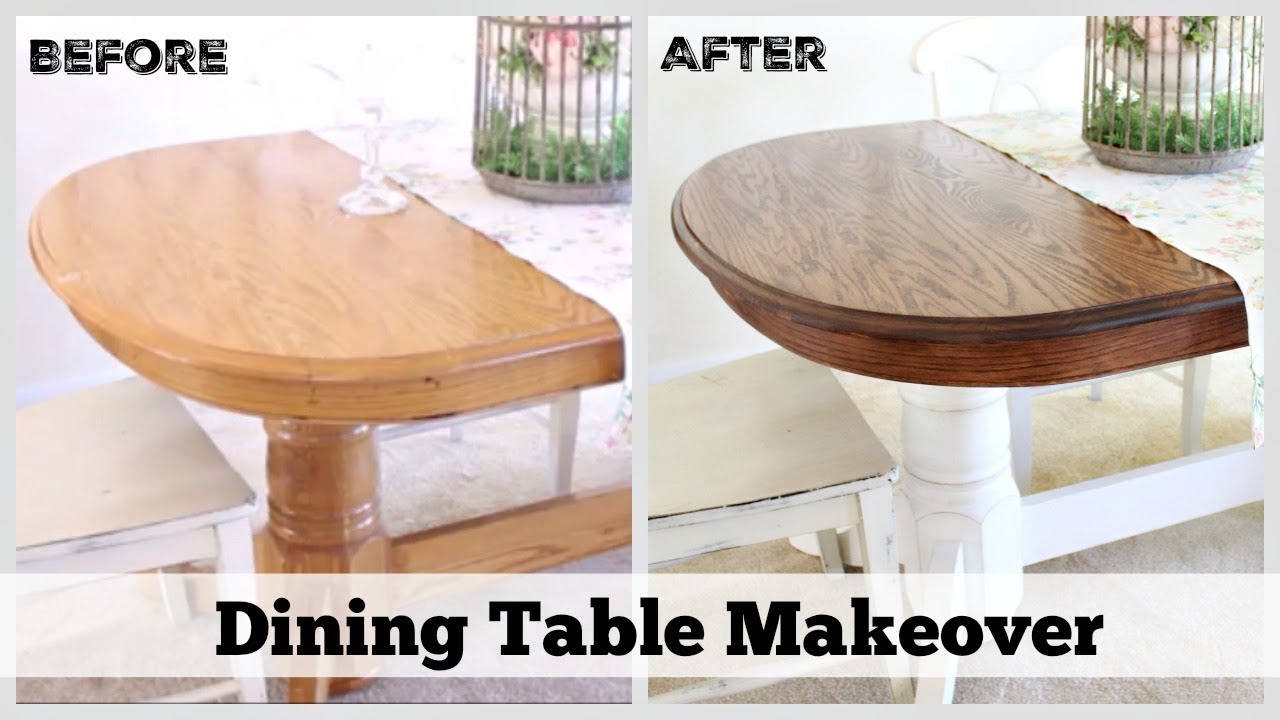
Image Source: i.ytimg.com
Choosing Your Wood Stain Type
The first step in any successful DIY furniture staining project is selecting the right wood stain type. The world of stains offers a variety of options, each with its own characteristics and application methods. Making the right choice ensures you get the desired look and durability for your kitchen table.
Oil-Based Stains
- Pros: Offer a rich, deep penetration into the wood, providing excellent durability and a classic, warm tone. They are generally more forgiving for beginners as they allow for longer working times, meaning you can wipe away excess stain for a longer period to achieve your desired color. They also tend to highlight the wood grain beautifully.
- Cons: Require mineral spirits or paint thinner for cleanup, which can be messy and involve harsh fumes. They also have a stronger odor and typically take longer to dry between coats.
Water-Based Stains
- Pros: Known for their fast drying times and low VOC (volatile organic compound) content, making them a more environmentally friendly option with less odor. Cleanup is a breeze with just soap and water. They also tend to be more resistant to fading and water damage.
- Cons: Can raise the wood grain, requiring an extra sanding step after the first coat. They dry much faster, meaning you need to work more quickly and efficiently during application.
Gel Stains
- Pros: A thicker, more viscous stain that sits on top of the wood rather than soaking in deeply. This makes them excellent for covering imperfections, existing finishes, or woods with uneven grain. They are very easy to apply, with minimal dripping and good control over the color intensity. They are also great for DIY furniture staining on various surfaces, including laminate or previously painted items.
- Cons: May not penetrate as deeply as oil or water-based stains, potentially leading to a less “natural” wood look. The finish can feel more like a paint or glaze if applied too thickly.
Dye Stains
- Pros: These are transparent stains that color the wood itself, allowing the natural grain to show through prominently. They offer very vibrant and rich colors.
- Cons: They are less forgiving as they penetrate quickly and evenly, making it difficult to correct mistakes. They are also less UV resistant than pigment stains and may require a protective topcoat more urgently.
When deciding among these best wood stains, consider your experience level, the type of wood your table is made from, and the look you want to achieve. For beginners embarking on kitchen table restoration, oil-based or gel stains are often recommended due to their ease of use and forgiveness.
Essential Tools and Materials
Gathering the right supplies is crucial for a smooth DIY kitchen table staining process. Having everything on hand before you begin ensures you can work efficiently and achieve professional-looking results.
Here’s a checklist of what you’ll need:
- The Kitchen Table: Of course!
- Sanding Supplies:
- Orbital Sander (optional but highly recommended for large surfaces)
- Sanding Sponges or Sandpaper in various grits (e.g., 80, 120, 150, 220)
- Tack Cloths or Lint-Free Rags for dust removal
- Cleaning Supplies:
- Mild Dish Soap
- Clean Water
- Clean, Lint-Free Rags or Sponges
- Mineral Spirits (if using oil-based products)
- Denatured Alcohol (optional, for stubborn residue)
- Staining Supplies:
- Your chosen wood stain
- High-Quality Foam Brushes, Natural Bristle Brushes, or Lint-Free Rags for stain application
- Disposable Gloves (nitrile recommended)
- Paint Stirrers
- Finishing Supplies:
- Polyurethane (oil-based or water-based) or a similar clear topcoat
- Fine-grit Sandpaper (220-320 grit) for between coats
- Applicators for the topcoat (foam brush, natural bristle brush, or high-quality foam roller)
- Safety Gear:
- Safety Glasses
- Dust Mask or Respirator (especially important for sanding)
- Work Gloves
Table Preparation: The Foundation of a Great Finish
Proper table preparation is arguably the most critical phase of staining. Skipping or rushing this step can lead to an uneven finish, poor adhesion, and a final product that doesn’t meet your expectations. This is where the magic of furniture refinishing truly begins.
Step 1: Cleaning the Table
Before any sanding or staining can occur, the table needs a thorough cleaning. This removes dirt, grease, grime, and any residual food particles that could interfere with the stain’s penetration or create a bumpy finish.
- Remove Everything: Clear the table completely. Remove any placemats, tablecloths, or decorative items.
- Initial Wipe-Down: Use a damp cloth with a mild dish soap solution to wipe down the entire table surface. Pay attention to corners and crevices where food debris might accumulate.
- Rinse and Dry: Wipe the table down again with a clean cloth dampened with plain water to remove any soap residue. Immediately dry the table thoroughly with a clean, dry cloth. Ensure no moisture is left in the wood.
- Degreasing (If Necessary): For heavily soiled tables or those with a greasy buildup, you might need to use a stronger degreaser. Mineral spirits can be effective for this, but ensure good ventilation and wear gloves. Test in an inconspicuous area first.
Step 2: Stripping Old Finishes (If Needed)
If your table has an existing thick finish, paint, or a very dark stain that you want to remove, you’ll need to strip it.
- Chemical Strippers: These are potent and effective. Apply according to the manufacturer’s instructions, let it work, and then scrape away the softened finish. This process requires good ventilation and protective gear.
- Sanding: For lighter finishes or if you plan to sand down to bare wood anyway, aggressive sanding can remove old finishes.
For most kitchen table restoration projects where you want to achieve a new stain color, stripping is often a good idea, especially if the old finish is peeling or uneven. If you’re just lightly refreshing or applying a new stain over a compatible existing finish, you might be able to skip this step.
Step 3: Sanding a Table
Sanding is the cornerstone of preparing wood for staining. It smooths the surface, removes imperfections, and opens the wood pores to accept the stain evenly. This is a vital part of furniture refinishing.
Grit Progression for Sanding
The key to effective sanding is to start with a coarser grit and gradually move to finer grits. This process removes material efficiently without creating excessive scratches that are hard to remove.
| Grit Number | Purpose | Typical Use |
|---|---|---|
| 80 | Heavy material removal, stripping old finishes | Start here if there are deep scratches, gouges, or old finish |
| 120 | Removing scratches from coarser grits | Smoothing out after initial heavy sanding |
| 150 | Further smoothing | Preparing the wood for stain application |
| 220 | Final smoothing, preparing for stain | Creates a smooth surface for stain to penetrate evenly |
Sanding Techniques
- Start with the Right Grit: If your table is in good condition with no major damage, start with 120 or 150 grit sandpaper. If there are scratches, dents, or old finishes to remove, begin with 80 grit.
- Sand with the Grain: Always sand in the direction of the wood grain. Sanding against the grain will create visible scratches that will be very difficult to hide with stain.
- Use an Orbital Sander (Recommended): For large, flat surfaces like a tabletop, an orbital sander is a huge time-saver and provides a more even finish than hand sanding alone. Use it with smooth, even pressure.
- Hand Sanding for Details: Use sanding sponges or folded sandpaper for edges, legs, and any intricate areas that the orbital sander can’t reach.
- Check Your Progress: After each grit, wipe the table down with a tack cloth or a slightly damp cloth to remove dust and inspect for any remaining scratches or imperfections. If you see scratches from the previous grit, continue sanding with that grit until they are gone.
- The Final Sand: For most stains, sanding with 220 grit is the final step before applying the stain. This creates a smooth surface that will absorb the stain evenly.
- Raising the Grain (Water-Based Stains): If you are using a water-based stain, it’s recommended to lightly wet the wood with a damp cloth after your final sanding (with 220 grit) and let it dry completely. This will cause the wood fibers to swell and stand up. Then, lightly sand again with 220 or 320 grit. This “raises the grain” and prevents the water-based stain from causing excessive grain raising upon application, leading to a smoother finish.
Step 4: Cleaning Off Sanding Dust
This is a crucial step. Any lingering dust will create a fuzzy or gritty finish when you apply the stain.
- Vacuum: Use a shop vacuum with a brush attachment to remove as much dust as possible.
- Tack Cloths: The best tool for removing the very fine dust particles is a tack cloth. These sticky cloths grab onto dust and lint. Wipe the entire table thoroughly with a tack cloth, working in the direction of the grain. You may need several tack cloths.
- Lint-Free Rags: Alternatively, use clean, lint-free cloths.
Stain Application Techniques
Now that your table is prepped and pristine, it’s time for the main event: applying the stain. Mastering stain application techniques will ensure a beautiful and consistent color.
Pre-Stain Conditioners
For some woods, like pine, maple, or birch, the grain can absorb stain unevenly, leading to blotchy results. A pre-stain wood conditioner helps to even out this absorption.
- How it Works: It acts as a sealer, blocking some of the pores that would otherwise drink up the stain too quickly.
- Application: Apply the conditioner according to the product’s instructions, usually with a brush or rag, and wipe off any excess after a short period. Let it dry according to the manufacturer’s directions before applying stain.
- When to Use: It’s especially beneficial for softwoods or woods known for blotching. If you’re unsure, test it on a scrap piece of the same wood.
Applying the Stain
Whether you’re using oil, water, or gel stain, the general principles of application remain similar, though some details vary.
- Stir, Don’t Shake: Wood stain, especially oil-based, has pigments that settle to the bottom. Stir the can gently but thoroughly with a paint stirrer. Avoid shaking, as this can introduce air bubbles that may transfer to your finish.
- Test Your Stain: Always test your chosen stain on an inconspicuous area of the table or on a scrap piece of the same wood. This allows you to verify the color and practice your application technique.
- Apply with a Brush or Rag:
- Rag Application: For a more natural, even look, many people prefer using a lint-free rag. Dip the rag into the stain, or apply a generous amount directly to the surface. Work the stain into the wood in the direction of the grain.
- Brush Application: Use a high-quality natural bristle brush for oil-based stains or a good synthetic brush for water-based stains. Apply the stain evenly and smoothly with the grain.
- Work in Sections: For large surfaces like a tabletop, it’s best to work in manageable sections to prevent the stain from drying before you can blend it.
- Wipe Off Excess: After allowing the stain to penetrate for the time recommended by the manufacturer (usually 5-15 minutes), use a clean, lint-free rag to wipe off the excess stain. Wipe in the direction of the grain. The longer you leave the stain on, the deeper and darker the color will be.
- Achieving Desired Depth: For a darker color, you can apply a second coat after the first has dried. Repeat the application and wiping process.
Stain Application Techniques for Different Stains
- Oil-Based: These stains offer a longer working time, allowing you to blend edges and wipe off excess more leisurely.
- Water-Based: Work quickly as they dry fast. Apply evenly and wipe off excess promptly.
- Gel Stains: Apply a thin, even coat with a brush or rag. Work it into the wood. Wipe off excess immediately with a clean rag. Gel stains are great for building up color in thin layers.
Drying Time
Allow the stain to dry completely according to the manufacturer’s instructions before applying a second coat or a topcoat. This can range from 4 to 24 hours or more, depending on the stain type and humidity. Rushing this step can lead to the topcoat not adhering properly or lifting the stain.
Applying a Protective Finish: Sealing Wood Tables
Stain colors the wood, but it doesn’t protect it. The final step in DIY furniture staining is applying a durable topcoat to protect your beautiful work from spills, wear, and tear. This is a crucial part of sealing wood tables.
Choosing a Topcoat
Polyurethane is a popular and durable choice for kitchen tables because it’s resistant to water, heat, and scratches. You can choose between oil-based and water-based polyurethane.
- Oil-Based Polyurethane: Offers a warm, amber tone that deepens with age. It’s very durable and resistant to chemicals. Cleanup requires mineral spirits. It has a stronger odor and longer drying time.
- Water-Based Polyurethane (Polycrylic): Dries clear, remaining non-yellowing over time. It’s also durable, though slightly less resistant to abrasion and chemicals than oil-based. Cleanup is with soap and water. It has less odor and dries faster.
Other options include:
- Varnish: Similar to polyurethane, offering good protection.
- Lacquer: Dries very quickly but can be more brittle and susceptible to scratches than polyurethane. Often used by professionals.
- Wax: Offers a soft sheen and a very natural feel but provides minimal protection against spills and wear. Not ideal for a high-traffic kitchen table.
For kitchen table restoration, polyurethane is generally the preferred choice for its balance of durability and ease of application.
Applying Polyurethane
- Light Sanding Between Coats: After the stain has dried completely, and after each coat of polyurethane, lightly sand the surface with 220-320 grit sandpaper. This removes any dust nibs or imperfections and creates a surface that the next coat can adhere to better.
- Wipe Away Dust: After sanding, use a tack cloth or a clean, lint-free cloth to remove all dust.
- Apply Thin Coats: Using a high-quality foam brush, natural bristle brush, or a foam roller, apply a thin, even coat of polyurethane. Avoid overworking the finish, which can lead to brush marks or bubbles.
- Work with the Grain: Apply the finish in long, even strokes, following the direction of the wood grain.
- Allow to Dry: Let each coat dry completely according to the manufacturer’s instructions. Drying times can vary, but typically range from 2 to 6 hours for water-based and 6 to 12 hours for oil-based.
- Number of Coats: For a kitchen table, at least 3-4 coats of polyurethane are recommended for adequate protection.
- Curing Time: While the table may be dry to the touch after a few hours, polyurethane takes time to fully “cure” and reach its maximum hardness. This can take several days to a few weeks. Avoid placing heavy or damp items on the table during this period.
Tips for a Flawless Finish
- Work in a Well-Ventilated Area: Especially when using oil-based stains and finishes, ensure good airflow to dissipate fumes.
- Keep Your Workspace Clean: Dust is the enemy of a smooth finish. Work in an area free from dust and debris, and clean your workspace often.
- Use Quality Tools: Investing in good brushes, rags, and sandpapers will make the job easier and yield better results.
- Patience is Key: Don’t rush any step, especially drying times. This is the most common mistake that leads to poor results.
- Practice on Scraps: Always test your stain and finish on scrap wood before applying them to your actual table.
Frequently Asked Questions (FAQ)
Q: Can I stain over an existing finish?
A: Yes, but only if the existing finish is in good condition, it’s a compatible type (like lacquer or varnish), and you properly prep the surface. This usually involves light sanding with fine-grit sandpaper (around 180-220 grit) to scuff the surface and create some “tooth” for the new stain or finish to adhere to. You should also clean the surface thoroughly. For a dramatic color change or if the old finish is damaged, stripping to bare wood is best.
Q: What’s the difference between stain and paint?
A: Stain penetrates the wood to color it, allowing the wood grain to show through. Paint sits on top of the surface and completely covers the wood, hiding the grain.
Q: How many coats of stain do I need?
A: Typically, one or two coats of stain are sufficient. The number of coats depends on the desired color depth and the type of stain used. Always wipe off excess stain after each application.
Q: How long does it take to stain a kitchen table?
A: The actual staining process might only take a few hours of active work, but the entire project, including preparation, drying time between coats of stain, and application of multiple topcoats, can easily span several days to a week or more. Patience is crucial for proper drying and curing.
Q: Should I use oil-based or water-based polyurethane?
A: For kitchen tables, which see a lot of use and potential spills, oil-based polyurethane offers superior durability and water resistance. However, water-based polycrylic is easier to clean up, dries faster, and remains clear, which is preferable if you want to maintain the natural color of the wood. Both can provide excellent protection if applied correctly with multiple coats.
Q: How do I fix a blotchy stain job?
A: If the stain is blotchy, you may need to re-sand the affected areas to remove the stain and then apply a pre-stain wood conditioner before re-staining. If the blotchiness is very minor, a second coat of stain or a darker stain might help to even it out. Sometimes, a slightly thicker application of the topcoat can also help to visually minimize minor blotchiness.
By following these detailed steps and tips, you can confidently tackle the process of staining your kitchen table, enjoying a beautifully DIY stained piece of furniture that you can be proud of for years to come. This furniture refinishing project is a fantastic way to update your home and save money compared to buying new.