
So, how do you style shelves in a living room to make them look great? You style them by mixing different heights, textures, and colors, and by leaving some empty space. This makes them interesting to look at.
Styling your living room shelves is a fantastic way to inject personality, showcase cherished items, and create a focal point in your home. It’s more than just placing objects; it’s about creating visual harmony and telling a story. Whether you have built-in bookshelves, a few floating shelves living room, or a sleek mantelpiece, these pro secrets and easy decor ideas will transform your space. We’ll delve into how to display items on shelves effectively, explore stylish shelf ideas, and offer practical living room storage solutions that look good too.
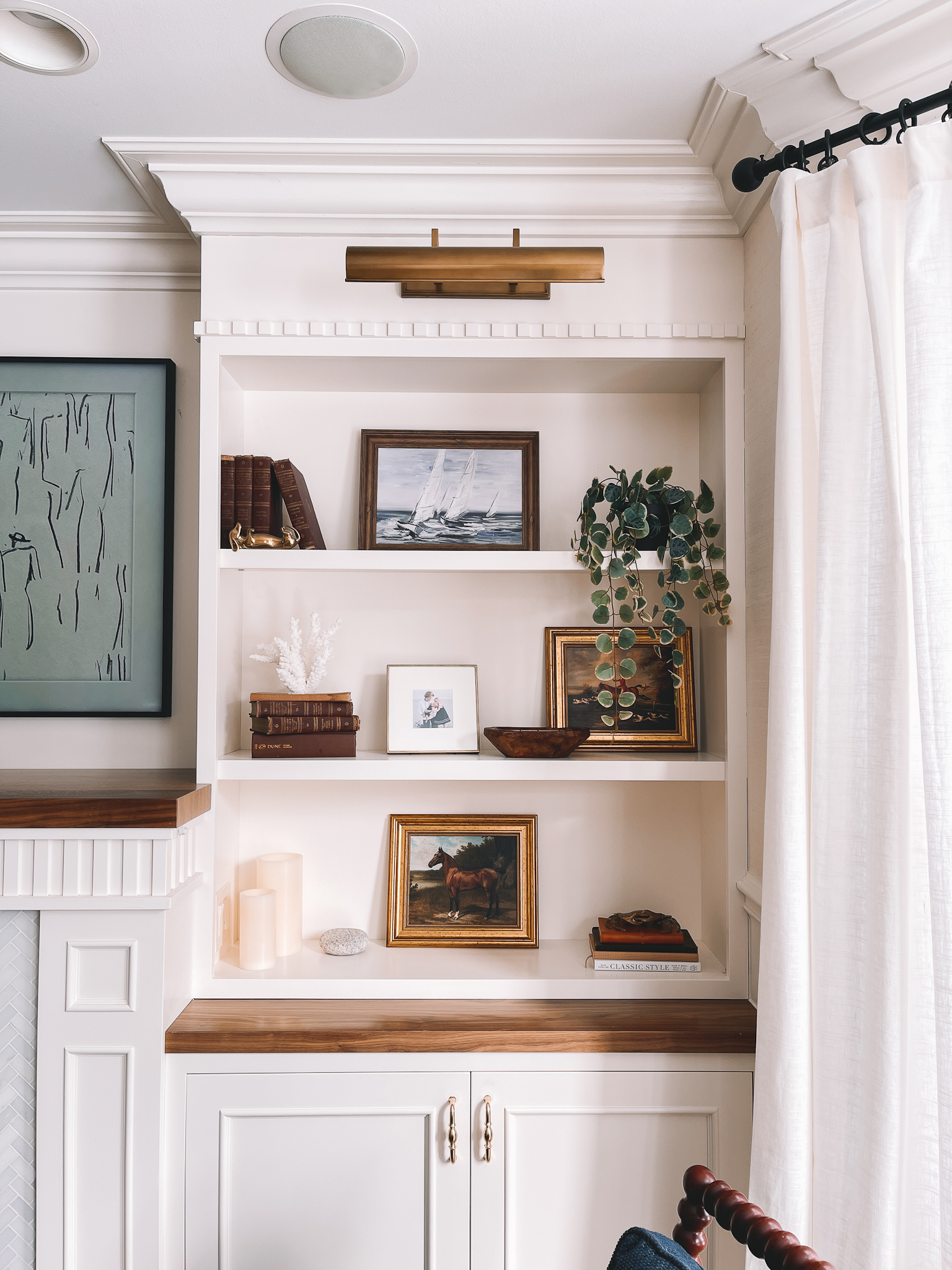
Image Source: kellyinthecity.s3.amazonaws.com
The Foundation: Planning Your Shelf Styling
Before you start placing anything, take a step back. What is the purpose of these shelves? Are they primarily for storage, display, or a bit of both? This initial thought process will guide your entire styling approach.
Defining Your Style
Your living room shelves should reflect your overall home decor style. Are you drawn to minimalist clean lines, a cozy bohemian vibe, a modern industrial look, or something else entirely? Consider the existing colors, furniture, and accessories in your room.
- Minimalist: Focus on a few well-chosen, high-quality items. Use a neutral color palette. Lots of white space is key.
- Bohemian: Mix textures, patterns, and colors. Incorporate plants, vintage finds, and global-inspired pieces.
- Modern: Opt for sleek, geometric shapes. Metallic accents, glass, and a limited color palette work well.
- Farmhouse/Rustic: Think natural wood, woven baskets, and vintage farmhouse accents.
The Power of a Color Palette
Choosing a color palette for your shelves can make a huge difference. You don’t need to stick to just one or two colors, but having a general scheme will create a cohesive look.
- Monochromatic: Using different shades of the same color creates a sophisticated and calm feel.
- Analogous Colors: Colors next to each other on the color wheel (like blue, blue-green, and green) create a harmonious and pleasing effect.
- Complementary Colors: Colors opposite each other on the color wheel (like blue and orange) create a high contrast and energetic look. Use sparingly for accents.
Declutter and Curate
This is perhaps the most crucial step in any living room shelf decor project. Less is often more. Go through everything you intend to put on your shelves.
- Keep what you love: These are items that have meaning, bring you joy, or are visually appealing.
- Consider functionality: If the shelves are for storage, ensure items are organized neatly.
- Remove anything that feels cluttered or dated: Unless it’s a deliberate vintage piece.
Mastering the Art of Shelf Arrangement Living Room
Arranging items on shelves is where the magic happens. It’s about balance, proportion, and visual interest.
The Rule of Three (and Odd Numbers)
Our eyes are naturally drawn to groups of three. Arranging items in odd-numbered groups creates a more dynamic and pleasing composition than even numbers.
Varying Heights and Sizes
Using items of different heights and sizes is essential for creating visual depth and interest.
- Tall items: Vases, plants, stacks of books, sculptures. These draw the eye upwards.
- Medium items: Picture frames, smaller decorative boxes, candles.
- Small items: Figurines, coasters, decorative pebbles.
Tip: Place taller items towards the back and sides of the shelf, and shorter items towards the front. This creates a layered effect.
Balancing Weight and Visual Appeal
Think about the “visual weight” of your items. Darker, heavier objects have more visual weight than lighter, more delicate ones.
- Symmetrical balance: Placing similar items on opposite sides of the shelf creates a formal and balanced look.
- Asymmetrical balance: Using different items with similar visual weight on opposite sides creates a more casual and dynamic feel.
Incorporating Negative Space
Don’t feel the need to fill every inch of your shelves. Negative space, or empty areas, are just as important as the objects themselves. They allow each item to breathe and stand out. Empty space prevents shelves from looking cluttered and overwhelming.
Layering and Depth
Create depth by layering items. Place a larger item in the back, a medium item in front of it, and a smaller item at the very front. This technique is fantastic for displaying photos or artwork.
Essential Elements for Stylish Shelf Ideas
Let’s break down the types of items that make for fantastic living room shelf decor.
Books: The Classic Choice
Books are a natural fit for shelves and offer endless styling possibilities.
- Stacking: Stack books horizontally to create a base for other items or for a more casual look. Vary the direction of the stacks.
- Vertical Arrangement: Arrange books upright. Mix in books with different spine colors and textures.
- Color Blocking: Group books by color for a bold, modern statement.
- Turning Pages: For a more unique look, turn some books so the pages face outwards. This creates a softer, neutral texture.
Greenery: Bringing Life Indoors
Plants add color, life, and a touch of nature to any shelf.
- Trailing Plants: Pothos, ivy, and string of pearls look beautiful spilling over the edges of shelves.
- Succulents and Cacti: These are low-maintenance and add a modern, sculptural element.
- Small Potted Plants: Ferns, ZZ plants, or snake plants in decorative pots.
- Faux Plants: If you don’t have a green thumb, high-quality faux plants can be a great alternative.
Decorative Objects and Sculptures
These are your personal touches that tell your story.
- Vases: Whether filled with flowers or displayed on their own, vases add shape and height. Consider ceramic, glass, or metal options.
- Picture Frames: Display photos of loved ones, travel memories, or favorite artwork. Mix frame sizes and styles.
- Candles: Scented or unscented, candles add warmth and ambiance. Group them in threes or use varying heights.
- Trays: These are great for corralling smaller items like remotes, keys, or decorative trinkets.
- Bowls: Decorative bowls can hold small items or be displayed as sculptural pieces.
- Figurines and Sculptures: Choose pieces that resonate with your style, from abstract art to vintage animal figurines.
Baskets and Boxes: Smart Living Room Storage Solutions
Baskets and decorative boxes are excellent for hiding clutter while adding texture and visual interest.
- Woven Baskets: Baskets made of seagrass, rattan, or wicker add a natural, bohemian feel. Use them for blankets, magazines, or remotes.
- Decorative Boxes: Opt for stylish boxes in wood, metal, or fabric to store smaller items like charging cables, coasters, or sentimental keepsakes.
Styling Different Types of Shelves
The type of shelf you have will influence your styling approach.
Floating Shelves Living Room: Modern and Minimalist
Floating shelves offer a clean, contemporary look. Their minimalist design means every item placed on them needs to be carefully considered.
- Emphasize negative space: With floating shelves, it’s easy to over-clutter. Keep it light and airy.
- Strategic placement: Arrange items with intention, ensuring they don’t look like they’re about to fall off.
- Use wall anchors: Ensure your floating shelves are securely mounted to the wall for safety and stability.
- Consider shelf depth: Deeper shelves allow for more layering, while shallower ones require a more curated, front-facing arrangement.
Bookshelf Styling Ideas: From Traditional to Trendy
Bookshelves offer more space and versatility, allowing for more elaborate arrangements.
- Section by Section: Style one shelf at a time. Think of each shelf as a mini-display.
- Mix Books and Objects: Don’t just fill bookshelves with books. Interspace them with decorative objects, plants, and photos.
- The “Bookend” Technique: Use sturdy decorative objects as bookends to hold rows of books upright.
- Vary shelf heights: If your bookshelf has adjustable shelves, play with different heights to accommodate larger items.
Mantelpiece Arrangement: The Living Room’s Heart
The mantelpiece is often a natural focal point in a living room. Styling it well can significantly enhance the room’s aesthetic.
- Symmetry is Key: A fireplace and mantelpiece often lend themselves well to symmetrical arrangements. Place a large piece (like a mirror or artwork) above the fireplace, and then balance it with similar items on either side.
- Candle Clusters: Group candles of varying heights on either side of the central piece.
- Seasonal Decor: Mantels are perfect for seasonal updates – think greenery and cozy elements in winter, or brighter, lighter decor in summer.
- Fireplace Tools: If you have a working fireplace, consider the aesthetic of your fireplace tools and screen.
Pro Secrets for Stunning Living Room Shelf Decor
These are the insider tips that elevate your shelf styling from good to exceptional.
1. The Art of the Vignette
A vignette is a small, pleasing arrangement of objects. Think of your shelves as a series of small vignettes.
- Start with a base: Use a tray, a stack of books, or a placemat to ground your vignette.
- Add a focal point: This is usually the tallest or most interesting item.
- Layer smaller items: Add complementary pieces around the focal point.
- Vary textures: Mix smooth and rough textures for added interest.
2. Texture, Texture, Texture!
Mixing textures is crucial for adding depth and preventing a shelf from looking flat or one-dimensional.
- Natural Materials: Wood, rattan, jute, linen, ceramic.
- Smooth Surfaces: Glass, metal, polished stone.
- Rough Surfaces: Burlap, distressed wood, unglazed pottery.
3. The Importance of Lighting
How you light your shelves can completely change their mood and appeal.
- Task Lighting: Small directional spotlights can highlight specific items.
- Ambient Lighting: Consider incorporating small battery-operated LED lights within arrangements for a soft glow.
- Natural Light: Place plants on shelves that receive good natural light.
4. Don’t Forget the Back
The back of your shelves can be a styling opportunity too.
- Wallpaper or Paint: Apply a contrasting wallpaper or paint color to the back of your shelves for a pop of color or pattern.
- Mirrored Backs: Mirrors can create the illusion of more space and bounce light around the room.
- Artwork: Hang small pieces of art on the back of open shelves.
5. Rotate and Refresh
Your shelves shouldn’t be static. Refresh your decor periodically to keep your living room feeling fresh and exciting.
- Seasonal Swaps: Change out decorative items based on the season or holidays.
- Change Out Photos: Update family photos regularly.
- Rearrange: Even simply rearranging the items you already have can give your shelves a new look.
Practical Living Room Storage Solutions That Look Good
Shelves aren’t just for display; they can be powerful storage tools.
Baskets and Bins: The Clutter Conquerors
- Identical Baskets: Using several identical baskets in a similar color creates a uniform and organized look.
- Labeling: For opaque baskets, add stylish labels to identify contents.
- Varying Sizes: Use a mix of basket sizes to accommodate different items.
Decorative Boxes: For Keeping Secrets Safe (and Tidy)
- Stacking Boxes: Create height and interest by stacking decorative boxes of different sizes.
- Matching Sets: A set of decorative boxes in a coordinated style can look very polished.
Magazine Holders and File Boxes
These are great for storing mail, important documents, or magazines that you want to keep handy but out of sight. Choose stylish options that blend with your decor.
Hidden Storage within Shelves
- Drawer Units: Some shelving units come with built-in drawers.
- Decorative Chests: A stylish small chest can be placed on a larger shelf or within a bookcase to provide concealed storage.
Common Pitfalls to Avoid
Even with the best intentions, it’s easy to make mistakes. Here are a few to watch out for.
Over-Cluttering
This is the most common mistake. Too many items make shelves look messy and detract from the beauty of individual pieces. Remember to embrace negative space.
Lack of Variety
Using too many items of the same size, shape, or texture can make shelves look monotonous. Mix it up!
Forgetting the “Why”
Styling should serve a purpose. If an item doesn’t add value or beauty, reconsider its place.
Ignoring Proportions
Placing a tiny knick-knack on a massive shelf, or a giant vase on a narrow floating shelf, can throw off the balance of the entire display.
Tables: Comparing Styling Approaches
| Styling Approach | Key Elements | Best For | Example Items |
|---|---|---|---|
| Minimalist | Clean lines, negative space, neutral palette | Modern, Scandinavian, or decluttered aesthetics | Single sculptural vase, small plant, one framed photo |
| Maximalist | Layers, patterns, bold colors, curated chaos | Bohemian, eclectic, or maximalist interiors | Layers of books, art, plants, varied decorative objects |
| Color-Focused | Harmonious or contrasting color palettes | Creating a specific mood or visual impact | Books grouped by color, accessories in complementary hues |
| Texture-Rich | Mix of smooth, rough, woven, and natural items | Adding depth and tactile interest | Ceramic pots, wooden bowls, woven baskets, metal sculptures |
Frequently Asked Questions (FAQ)
Q: How often should I change my shelf decor?
A: There’s no set rule, but refreshing your shelves seasonally or every few months can keep your living room feeling new and interesting. Even small changes, like swapping out a few decorative items or rearranging plants, can make a big difference.
Q: What’s the best way to style open shelving in a kitchen?
A: For kitchen open shelving, prioritize functionality and visual appeal. Stack plates, bowls, and cookbooks neatly. Use attractive canisters for dry goods. Add small plants or herbs for a touch of green. Ensure items are easy to access and clean.
Q: Can I mix DIY decor with store-bought items on my shelves?
A: Absolutely! Mixing handmade items with purchased decor adds a personal touch and makes your shelves uniquely yours. It’s a great way to showcase your creativity and craftsmanship.
Q: How do I make my shelves look professionally styled?
A: Professional styling often involves thoughtful curation, varied heights and textures, intentional negative space, and a cohesive color palette. Think about the overall composition, not just individual items.
Q: What if I don’t have many decorative items?
A: Start small. You can style shelves beautifully with just a few well-chosen pieces. Books, a plant, and a framed photo can be very effective. Consider thrift stores or DIY projects for affordable and unique finds.
Styling your living room shelves is a journey, not a destination. Experiment, have fun, and don’t be afraid to rearrange until you achieve a look that you love. With these pro secrets and easy decor ideas, you’re well on your way to creating beautiful and functional living room shelf decor that truly reflects your style.