
Can you remove kitchen countertops yourself? Yes, you can remove kitchen countertops yourself with the right tools and a bit of patience. This guide will walk you through the entire process of kitchen countertop removal, from initial preparation to final disposal, making DIY countertop replacement a manageable project. Whether you’re dealing with laminate, granite, or another material, the fundamental steps remain similar, though some specifics will vary.
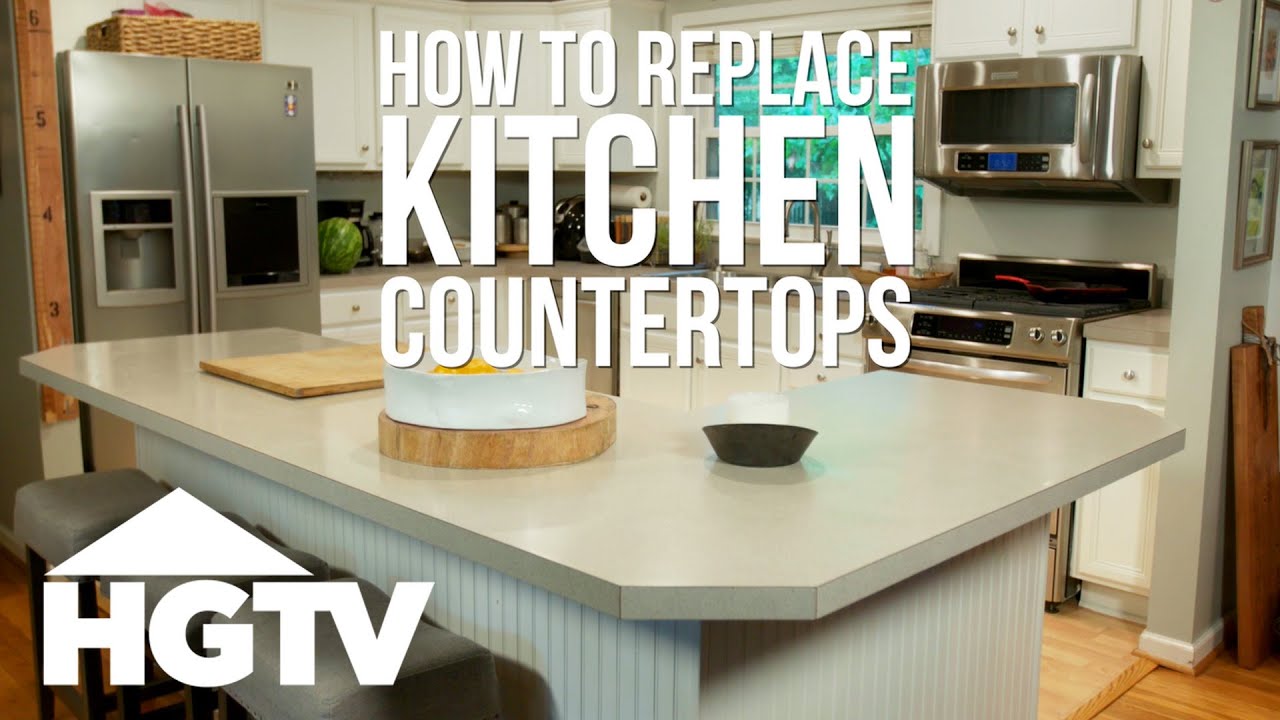
Image Source: i.ytimg.com
Preparing for Countertop Removal
Before you even think about touching your countertops, thorough preparation is key. This step ensures safety, protects your existing kitchen, and makes the actual removal process smoother.
Gathering Your Tools
Having the right tools readily available will save you time and frustration. Here’s a list of essentials for kitchen countertop removal:
- Safety Gear:
- Safety glasses or goggles
- Work gloves
- Dust mask (especially important for stone countertops)
- Knee pads
- Demolition & Removal Tools:
- Pry bar (various sizes can be helpful)
- Putty knife or scraper
- Utility knife or box cutter
- Screwdrivers (Phillips and flathead)
- Drill with various bits
- Reciprocating saw (Sawzall) with wood and metal cutting blades (optional, but highly useful for stubborn materials)
- Hammer
- Crowbar
- Chisel
- Caulking gun (for sealant removal)
- Protection & Cleanup:
- Drop cloths or old blankets
- Painter’s tape
- Heavy-duty trash bags or a dumpster
- Broom and dustpan
- Shop vacuum
- Cardboard or plywood for protecting floors
Protecting Your Workspace
Your kitchen cabinets and floors are valuable. Protecting them from scratches, dents, and dust is crucial.
- Cover Cabinets: Use drop cloths or old blankets to cover the exposed parts of your kitchen cabinets, especially the doors and drawer fronts. Secure them with painter’s tape.
- Protect Floors: Lay down drop cloths, old blankets, or even cardboard along the path you’ll be carrying the old countertops. This prevents damage from dropped tools or the countertops themselves.
- Clear the Area: Remove all items from the countertops and the surrounding work area. This includes small appliances, decorative items, and anything that might get in your way.
Shutting Off Utilities
This is a critical safety step, especially if your countertops have integrated sinks or fixtures connected to plumbing or electrical outlets.
- Plumbing Disconnection for Countertops:
- Water Supply: Locate the shut-off valves for your sink and dishwasher. These are typically found under the sink. Turn them off clockwise.
- Drainage: Once the water supply is off, place a bucket under the P-trap (the U-shaped pipe under the sink) to catch any residual water. Unscrew the slip nuts connecting the P-trap to the tailpiece and the drainpipe.
- Dishwasher Hose: If your dishwasher is connected to the sink drain or water supply, disconnect its hoses. Again, have a bucket ready for any water.
- Electrical Safety: If you have any electrical outlets or lighting fixtures integrated into or directly above your countertops, it’s wise to shut off the power to that circuit at your main breaker box. If you are unsure about this step, it’s best to consult an electrician.
Removing Specific Countertop Materials
While the general process is similar, the specific techniques for removing countertops depend heavily on the material.
Removing Laminate Countertops
Laminate countertops are generally the easiest to remove because they are lighter and less rigidly attached than stone.
The Anatomy of Laminate Countertops
Laminate countertops consist of a decorative plastic layer bonded to a particleboard or plywood core. They are typically attached to the cabinets via screws from underneath.
Step-by-Step Laminate Removal
- Check for Screws: Look underneath the cabinets for screws that might be attaching the countertop to the cabinet frame. These are usually around the front edge and sometimes along the back. Remove any you find with a screwdriver or drill.
- Cut Sealant: If there’s a backsplash, it’s likely sealed to the wall with caulk or adhesive. Use a utility knife or scraper to carefully cut through this seal. Do the same for any caulk around the sink or where the countertop meets the backsplash.
- Detach the Sink: If you have an undermount sink, it’s attached to the countertop. There will be clips holding it in place from underneath. Loosen and remove these clips. If it’s a drop-in sink, it’s usually held by clips as well, and the caulk around its edge. You might need to gently pry the sink up once the clips are removed and the caulk is cut.
- Loosen the Countertop: Once all visible screws are removed, try to gently pry up the front edge of the countertop with a putty knife or pry bar. If it lifts easily, you can proceed to lift it off the cabinets.
- Dealing with Adhesive: Sometimes, laminate countertops are secured with adhesive. If you encounter significant resistance, the countertop might be glued down. In this case, you may need to use a reciprocating saw with a wood blade to carefully cut through the countertop to make it easier to lift in sections. Cut parallel to the cabinet face, being careful not to damage the cabinets.
- Backsplash Removal: If your backsplash is integrated into the laminate countertop (a rolled edge), it will come off with the main piece. If it’s a separate tile or laminate backsplash, you’ll need to remove that first.
- Removing Tile Backsplashes: Use a hammer and chisel to break up tiles and scrape away grout.
- Removing Separate Laminate Backsplashes: These are often attached with adhesive or small screws. Cut through any adhesive with a utility knife and remove any visible screws. Pry gently.
Removing Granite Countertops
Granite countertops are heavy and require more careful handling and often more muscle. The process involves more attention to weight distribution and potential breakage.
The Rigidity of Granite
Granite is dense and heavy. It’s typically adhered to the cabinets with construction adhesive or silicone. In some cases, especially with undermount sinks, it might also be mechanically fastened.
Step-by-Step Granite Removal
- Plumbing and Electrical First: Ensure all plumbing and electrical connections are safely disconnected as described earlier.
- Sink Removal: Granite countertops often feature undermount sinks, which are secured to the underside of the granite. Locate the mounting clips that hold the sink to the countertop. These are usually metal clips screwed into the granite. Unscrew and remove these clips. If the sink is also adhered, you may need to gently pry it away after cutting any sealant around its edge.
- Cut Adhesives: Most granite countertops are glued to the cabinet boxes. Use a utility knife or a putty knife to cut through any silicone or adhesive sealant around the edges of the countertop, especially where it meets the backsplash and the cabinets.
- Detaching from Walls/Backsplash: If there’s a separate backsplash, it needs to be addressed. If it’s granite, it’s likely adhered and possibly screwed. If it’s tile, remove the tiles first. Cut through any caulk or adhesive where the countertop meets the wall.
- Loosening the Countertop: This is where it gets challenging. Granite is heavy, and you’ll need a helper. Try to gently pry up one corner of the countertop using a pry bar and a thin piece of wood or cardboard to protect the cabinets. You might need to cut through stubborn adhesive with a reciprocating saw (use a blade suitable for masonry or tile if there’s any stone involved, or a metal blade if you encounter metal fasteners). Exercise extreme caution not to put too much leverage on one spot, which could crack the granite.
- The “Leverage and Lift” Method: With your helper, position pry bars at strategic points along the front and sides. Work together to lift the countertop just enough to slide shims or pieces of wood underneath. Gradually add more shims, working your way along the length, to lift the countertop evenly.
- The Sawzall Strategy: For really stubborn adhesive, a reciprocating saw is your best friend. Carefully run the blade between the countertop and the cabinet. Crucially, ensure the blade is long enough to cut through the adhesive without damaging the cabinets underneath. It’s often best to cut along the front edge and then work your way back. This will likely involve cutting the countertop into sections, making it much easier to handle.
- Handling the Weight: Granite countertops are incredibly heavy. Always have at least one strong helper. Plan your exit route carefully. Carry sections by tilting them vertically and using your legs.
Removing Other Countertop Materials
- Solid Surface (e.g., Corian): Similar to laminate, these are typically screwed from underneath and sometimes adhered. They are lighter than stone but can be brittle. Use a utility knife to cut sealant and a pry bar to gently lift.
- Quartz: Like granite, quartz is heavy and adhered to cabinets. The removal process is very similar to granite, requiring careful cutting of adhesive and significant help for lifting.
- Butcher Block: Often screwed from underneath. Check for any sealant where it meets the wall or backsplash and cut it with a utility knife. It’s also much lighter than stone, making removal easier.
Detaching and Removing the Sink
The sink is usually attached to the countertop before the countertop is installed. Removing it is a necessary step in most kitchen countertop removal projects.
Sink Types and Attachment Methods
- Drop-in Sinks: These sit on top of the countertop, with the rim resting on the surface. They are typically held in place by clips screwed into the underside of the countertop and sealed around the edge with caulk or silicone.
- Undermount Sinks: These are installed from beneath the countertop. They are secured to the underside of the countertop with clips and strong adhesive (like silicone or epoxy).
Steps for Sink Removal
- Disconnect Plumbing: Ensure all water and drain lines are disconnected and have buckets ready for residual water.
- Cut Sealant: Use a sharp utility knife to carefully cut through the caulk or silicone sealant around the edge of the sink where it meets the countertop.
- Locate and Remove Clips:
- Drop-in Sinks: Reach under the countertop and feel for metal clips that often pivot or screw into place. Loosen and remove these clips.
- Undermount Sinks: These are attached to the underside of the countertop. You’ll need to look for screws securing metal brackets to the granite or laminate. Unscrew these brackets.
- Gently Pry the Sink: Once all clips are removed and the sealant is cut, you may need to gently pry the sink loose.
- For Drop-in Sinks: Try to lift the sink from the opening. It might require a gentle wiggle or a few taps with a rubber mallet.
- For Undermount Sinks: This is trickier. You’ll need to carefully pry the sink away from the countertop. A putty knife or a thin pry bar can be used, but be very gentle to avoid damaging the cabinet or the sink itself.
- Handle the Weight: Sinks, especially stainless steel ones with water left in them, can be surprisingly heavy. Lift with your legs and have a helper if needed.
Countertop Demolition and Cabinet Preparation for New Countertops
Once the countertops are removed, you’ll often need to address the cabinets and the area.
Dealing with Leftover Adhesive and Debris
Even after the main countertop pieces are off, you might find remnants of adhesive, caulk, or screws.
- Scraping: Use a putty knife or scraper to remove any leftover adhesive, caulk, or sealant from the top edges of your cabinets.
- Vacuuming: A shop vacuum is excellent for cleaning up dust, small debris, and any loose particles.
- Cabinet Inspection: Check the top edges of your cabinets for any damage that might have occurred during removal. Make any necessary repairs to ensure a stable base for your new countertops.
Underlayment Removal
In some installations, there might be an underlayment material (like a thin sheet of plywood or a membrane) attached to the cabinets before the countertop was installed.
- Identifying Underlayment: This is usually stapled or screwed to the top of the cabinets.
- Removal Process: Carefully pry up the underlayment with a pry bar. If it’s stapled, a staple remover or the claw of a hammer can help. If it’s screwed, use a drill or screwdriver.
Preparing Cabinets for New Countertops
Proper cabinet preparation is vital for a successful new countertop installation.
- Leveling: Ensure the top edges of your cabinets are level. Use shims if necessary to create a flat and stable surface.
- Cleaning: Thoroughly clean the cabinet tops, removing all dust, debris, and residual adhesive.
- Structural Integrity: Make sure the cabinets themselves are sturdy and securely fastened. Loose cabinets can compromise the stability of new countertops.
Disposing of Old Countertops
Proper disposal of old countertops is important. The method will depend on the material and local regulations.
Options for Disposal
- Local Landfill or Transfer Station: Most municipal waste facilities accept construction debris. You may need to pay a fee based on weight or volume. Check their specific rules for construction materials.
- Junk Removal Services: Companies specializing in junk removal can pick up and dispose of your old countertops. This is a convenient option if you don’t have a truck or trailer.
- Recycling Centers: Some materials, like certain types of laminate or solid surface, might be accepted at specialized recycling centers. Research local options.
- Donation: If the countertops are still in decent condition, consider donating them to a local Habitat for Humanity ReStore or other architectural salvage yards.
Handling Different Materials for Disposal
- Granite/Quartz: Due to their weight, these are often disposed of at landfills. They are not easily recycled. Breaking them down into smaller pieces before transport can make them easier to manage.
- Laminate: These can usually go to a standard landfill. If they are made of particleboard, they may be recyclable in some areas.
- Solid Surface: Some solid surface materials can be recycled, but it’s less common. Check with local recycling facilities.
Frequently Asked Questions (FAQ)
Q1: How much does it cost to remove kitchen countertops?
The cost to remove kitchen countertops can vary. If you do it yourself, your primary costs will be for tools (if you don’t own them) and disposal fees. Hiring a professional for removal can range from $200 to $500 or more, depending on the material and your location.
Q2: Do I need a helper to remove granite countertops?
Yes, absolutely. Granite countertops are extremely heavy, often weighing several hundred pounds. Attempting to remove them without a helper is dangerous and can lead to serious injury or damage.
Q3: What is the best way to break down granite countertops for disposal?
If you need to break down granite for easier disposal, use a sledgehammer and safety goggles. Be aware that this will create a lot of dust and sharp shards. It’s best to do this outdoors with protective gear and to contain the debris. A reciprocating saw with a diamond blade can also cut granite, but this is a more advanced and dusty method.
Q4: Can I remove kitchen countertops without removing the sink?
In most cases, the sink is integrated with the countertop and must be removed first or simultaneously to safely detach the countertop. For undermount sinks, they are physically attached to the underside of the countertop.
Q5: How do I remove a backsplash that is attached to the wall and the countertop?
First, use a utility knife to cut the caulk or adhesive sealing the backsplash to the wall and the countertop. Then, identify how the backsplash is attached to the wall (screws, adhesive). If it’s tile, you’ll need to break it apart. If it’s laminate or solid surface, look for screws or pry gently.
Q6: What safety precautions should I take during countertop removal?
Always wear safety glasses, gloves, and appropriate footwear. If dealing with stone or materials that can create dust, wear a dust mask. Be mindful of your lifting technique to avoid back injuries. Ensure electrical power is off if necessary.
By following these detailed steps, you can confidently tackle kitchen countertop removal as a DIY project, paving the way for your exciting DIY countertop replacement!