
Can you touch up kitchen cabinets yourself? Yes, you absolutely can! With a few basic tools and some patience, you can easily refresh your kitchen cabinets and give them a new lease on life. This guide will walk you through the simple DIY steps for cabinet repair and renewal, helping you tackle everything from minor scratches to worn finishes.
Is cabinet refinishing a complex process? Not at all, especially if you’re focusing on touch-ups rather than a full overhaul. Cabinet refinishing, when done as a touch-up, involves cleaning, repairing minor damage, and reapplying a small amount of finish to blend in imperfections. It’s a fantastic way to improve the look of your kitchen without the expense of a complete remodel.
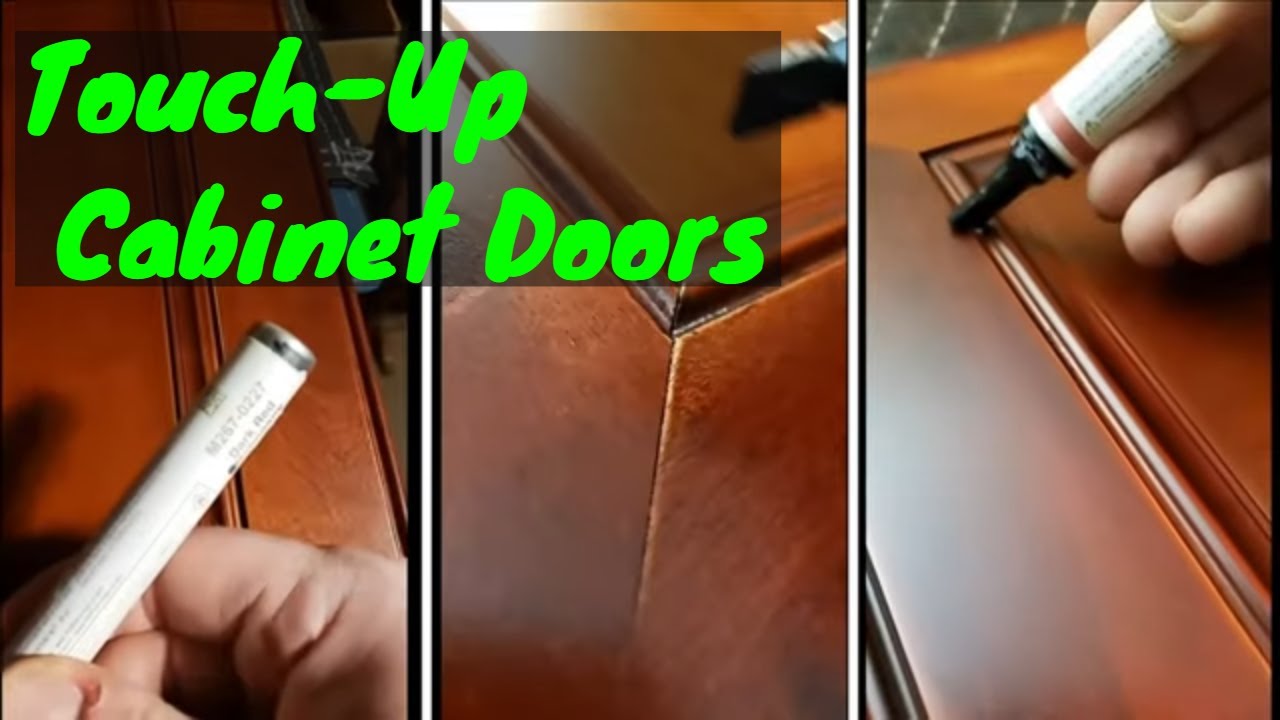
Image Source: i.ytimg.com
Preparing Your Cabinets for a Refresh
Before you start any work, good preparation is key. This ensures your touch-up job looks professional and lasts longer. Think of it as setting the stage for your kitchen cabinet restoration.
Essential Tools and Materials
Gathering the right supplies upfront will make the entire process smoother. Here’s what you’ll likely need:
- Cleaning Supplies:
- Mild dish soap
- Clean cloths (microfiber is great)
- Bucket
- Optional: Degreaser or TSP substitute for stubborn grease.
- Repair Materials:
- Wood filler or putty (match your cabinet color or be stainable/paintable)
- Putty knife or scraper
- Fine-grit sandpaper (180-220 grit)
- Orbital sander (optional, for larger areas)
- Finishing Supplies:
- Touch-up stain, paint, or clear coat (matching your existing finish is crucial)
- Small brushes (artist’s brushes for detail, small foam brushes for broader areas)
- Clean cloths for wiping
- Drop cloths or old newspapers to protect your workspace
- Cabinet Hardware:
- Screwdriver (appropriate type for your hardware)
- New cabinet hardware (optional, but a great upgrade)
Step-by-Step Cabinet Cleaning
This is the first and most important step. Dirty cabinets won’t accept new finishes well. A good cabinet cleaning removes grease, grime, and food splatters that can build up over time.
- Empty the Cabinets: Remove all contents from the cabinets you plan to work on. This makes access much easier.
- Remove Doors and Drawers: For a thorough job, detach cabinet doors and drawer fronts. Label them with masking tape to ensure they go back in the correct place. This also allows you to clean the cabinet boxes themselves more effectively.
- Mix Your Cleaning Solution: In a bucket, mix a few drops of mild dish soap with warm water. Avoid harsh detergents or abrasive cleaners, as they can damage the finish. If you have heavy grease buildup, consider a specialized kitchen degreaser or a TSP (trisodium phosphate) substitute. Always follow product instructions.
- Wipe Down Surfaces: Dip a clean cloth into the soapy water, wring it out well so it’s damp, not soaking wet. Gently wipe down all cabinet surfaces, including doors, drawer fronts, and cabinet frames. Pay extra attention to areas around knobs and handles where grease tends to accumulate.
- Rinse (If Necessary): If you used a strong cleaner or if there’s soap residue, wipe the cabinets again with a cloth dampened with plain water.
- Dry Thoroughly: Use a clean, dry cloth to immediately dry all surfaces. Moisture can warp wood or damage finishes if left to sit.
This thorough cabinet cleaning is the foundation for successful cabinet refinishing or any touch-up work.
Tackling Cabinet Scratch Repair
Scratches are common in kitchens. Luckily, many are easy to fix with simple DIY methods.
Minor Scratches and Scuffs
These are often superficial and can be masked easily.
Using Furniture Polish or Wax
For very light scuffs, a good quality furniture polish or wax can sometimes fill and hide the scratch.
- Clean the Area: Ensure the scratched area is clean and dry.
- Apply Polish/Wax: Apply a small amount of furniture polish or wax with a soft cloth.
- Buff: Rub the area gently, following the direction of the scratch. The polish or wax can fill in the fine lines, making the scratch less visible.
Using a Walnut or Pecan
This is a classic, natural method for minor scratches on wood finishes.
- Select Your Nut: Choose a walnut or pecan.
- Rub the Nut: Gently rub the meat of the nut over the scratch, applying a bit of pressure. The oils in the nut will help to fill and darken the scratch, blending it with the surrounding wood.
- Buff: Use a soft cloth to buff the area.
Using a Touch-Up Marker or Crayon
For slightly deeper scratches, a wood touch-up marker or crayon is ideal. These come in a wide range of colors to match your cabinets.
- Clean and Dry: Make sure the scratched area is clean and dry.
- Choose the Right Color: Select a marker or crayon that closely matches your cabinet’s finish. You might need to test on an inconspicuous area first.
- Apply: Gently apply the marker or crayon along the scratch, filling it in. For crayons, you might need to warm them slightly by rubbing them with your fingers.
- Blend: Use a clean cloth or your finger to gently blend the excess color into the surrounding finish, making it less noticeable.
Deeper Scratches and Gouges
For scratches that have removed some of the finish or even a bit of wood, you’ll need a bit more.
Using Wood Filler
Wood filler is excellent for filling in deeper scratches and small dents.
- Clean and Sand: Clean the scratched area. Lightly sand the edges of the scratch to create a smooth surface for the filler.
- Apply Filler: Using a putty knife, carefully apply a small amount of wood filler into the scratch. Press it in firmly to ensure it fills the void completely. For deeper scratches, you may need to apply filler in thin layers, allowing each layer to dry according to the product instructions.
- Smooth: Once the filler is slightly dry but still pliable, use the putty knife to scrape away any excess filler, ensuring it’s flush with the cabinet surface.
- Dry and Sand: Let the wood filler dry completely. This can take anywhere from a few minutes to several hours depending on the product and humidity. Once dry, gently sand the filled area with fine-grit sandpaper until it’s smooth and level with the surrounding finish.
- Clean Dust: Wipe away all sanding dust with a tack cloth or a slightly damp cloth.
Fixing Cabinet Dents and Damage
Beyond scratches, you might encounter small dents or chips. These are also manageable with DIY techniques.
Small Dents
Small dents, where the wood is compressed but not broken, can sometimes be “raised” using steam.
- Prepare the Area: Ensure the area is clean.
- Apply Steam: Place a damp cloth over the dent. Gently iron the cloth with a warm iron. The steam will penetrate the wood and can cause it to expand, pushing the dent out. Be cautious not to oversaturate the wood or use an excessively hot iron, as this can damage the finish.
- Check and Repeat: Lift the cloth and check the dent. You may need to repeat the steaming process a few times for best results.
- Dry and Finish: Allow the area to dry completely. If the finish is marred, you may need to apply a touch-up stain or clear coat as described in the scratch repair section.
Chips and Small Holes
For small chips where a piece of the wood or finish has come off, wood filler is your best friend.
- Clean the Area: Make sure the chip or hole is clean and free of debris.
- Apply Wood Filler: Use a putty knife to press wood filler into the chip or hole. Overfill it slightly, as it will shrink as it dries.
- Smooth and Dry: Smooth the filler so it’s as flush as possible with the surrounding surface. Let it dry completely according to the product instructions.
- Sand: Once dry, sand the filler smooth and flush with the cabinet surface.
- Touch Up Finish: After sanding, you’ll likely need to touch up the finish with matching paint, stain, or clear coat to blend the repair seamlessly.
Renewing the Cabinet Finish
Sometimes, the cabinet box itself is in good shape, but the finish has faded or worn away in spots. This is where cabinet renewal comes in.
Matching the Existing Finish
This is the trickiest part of cabinet refinishing as a touch-up. Precision is key.
For Stained Cabinets
- Identify the Stain Color: If you have leftover stain from when the cabinets were originally finished, use that. If not, take a small sample (perhaps from the back of a door or inside a drawer) to a paint or hardware store. They can often color-match the stain for you. You can also buy a few different shades of wood stain and test them on scrap wood to find the best match.
- Test the Match: Always test your matched stain on an inconspicuous area of the cabinet or a piece of scrap wood.
- Apply Stain:
- For minor scratches: Use a fine-tipped brush or a cotton swab to apply the stain directly into the scratch or worn area.
- For larger worn areas: You might need to lightly sand the entire worn section with very fine-grit sandpaper (220 grit or higher) to ensure the new stain adheres evenly. Then, apply the stain sparingly with a clean cloth or foam brush, working in the direction of the wood grain.
- Wipe Off Excess: Immediately wipe off any excess stain with a clean, lint-free cloth, following the grain of the wood. Work in small sections.
- Let it Dry: Allow the stain to dry completely according to the manufacturer’s instructions.
- Apply Clear Coat: Once the stain is dry, apply a matching clear coat (polyurethane, varnish, etc.) to protect the finish and add sheen. Use a fine brush and apply thin, even coats, letting each coat dry before applying the next. Lightly sand with very fine-grit sandpaper (320 grit or higher) between coats if needed for a smoother finish.
For Painted Cabinets
- Identify the Paint Color: If you have leftover paint, use that. Otherwise, take a paint chip (again, from an unseen area) to a paint store for color matching. Many paint companies can match custom colors.
- Prepare the Area: Clean the area to be touched up. If there are scratches or chips, repair them first using wood filler and sanding. Lightly sand the area to be painted to create a smooth surface for adhesion.
- Apply Primer (if needed): If you’re painting over a dark color or have bare wood showing, apply a thin coat of primer that matches your paint base.
- Apply Paint: Use a small artist’s brush or a fine foam brush to carefully apply the paint to the repaired or worn areas. Aim for thin, even coats.
- Blend: For larger areas, you might feather the edges of the new paint into the existing paint to create a seamless blend.
- Multiple Coats: Apply additional thin coats as needed, allowing each to dry thoroughly.
- Apply Clear Coat (Optional): Some painted finishes benefit from a clear topcoat for added durability and sheen, especially in high-traffic areas like kitchens.
Cabinet Refinishing vs. Cabinet Painting vs. Cabinet Staining
It’s important to differentiate these terms when planning your touch-ups.
- Cabinet Refinishing: This generally refers to restoring the existing finish without changing the color or type of finish. For touch-ups, it means matching your existing stain and topcoat.
- Cabinet Painting: This involves applying a new coat of paint over the existing finish. This is a good option if your cabinets are laminate, heavily damaged, or if you want a color change. For touch-ups, it means matching the existing paint color.
- Cabinet Staining: This involves applying a stain to the wood to change or enhance its color, followed by a clear protective coat. Touch-ups here mean matching the original stain color.
Refreshing Cabinet Hardware
A simple yet effective way to update the look of your kitchen cabinets is by replacing the hardware. This is a quick win for cabinet renewal.
Selecting New Hardware
Consider the style of your kitchen, the finish of your cabinets, and your personal taste.
- Materials: Brass, brushed nickel, chrome, stainless steel, matte black, and oil-rubbed bronze are popular choices.
- Styles: From modern sleek pulls to traditional knobs, there’s a style to suit every kitchen.
- Functionality: Ensure the size and projection of knobs or pulls are comfortable to use.
Cabinet Hardware Replacement
This is usually a straightforward process.
- Remove Old Hardware: Using a screwdriver, unscrew the old knobs or pulls. Keep the screws handy in case you need them for the new hardware.
- Clean the Area: Wipe down the cabinet surface where the old hardware was.
- Install New Hardware:
- Knobs: Align the new knob with the existing hole and screw it in from the back.
- Pulls: Align the new pull with the existing screw holes. Insert screws from the back of the cabinet door or drawer front and tighten the pull onto them.
- Tighten Securely: Ensure all hardware is tightened securely but avoid overtightening, which can strip the wood or the screw.
Replacing cabinet hardware is a fantastic way to instantly modernize your kitchen and complements any cabinet repair or renewal you’ve done.
Maintaining Your Touched-Up Cabinets
Once you’ve put in the effort to touch up your kitchen cabinets, proper maintenance will help them look great for years to come.
Regular Cleaning
Continue with your regular cleaning routine using mild soap and water. Avoid abrasive cleaners or scrub brushes that can scratch the finish. Dry cabinets thoroughly after cleaning.
Protective Measures
- Avoid Harsh Chemicals: Never use ammonia-based cleaners, bleach, or abrasive scouring pads on your cabinets.
- Wipe Spills Immediately: Kitchens are prone to spills. Wipe up any food or liquid spills as soon as they happen to prevent staining or damage to the finish.
- Be Mindful of Heat: Avoid placing hot pots or pans directly on cabinet surfaces. Use trivets or hot pads.
Seasonal Checks
Periodically check your cabinets for any new wear and tear. Small issues can be addressed early before they become major problems. This proactive approach is key to long-term kitchen cabinet restoration.
When to Call a Professional
While DIY touch-ups are great for minor cosmetic issues, there are times when professional help is a better choice.
- Extensive Damage: If cabinets have significant water damage, warping, or large areas of peeling veneer, a professional cabinet refinishing or restoration service is recommended.
- Complex Finishes: If your cabinets have a very intricate or antique finish that you’re unsure how to match, a pro has the expertise and specialized products.
- Lack of Time or Confidence: If you don’t have the time or feel uncomfortable tackling the repairs yourself, a professional can ensure a high-quality result.
- Complete Overhaul Needed: For a full cabinet painting or staining job on all your kitchen cabinets, a professional can deliver a consistent, factory-like finish.
Frequently Asked Questions (FAQ)
Q1: How often should I clean my kitchen cabinets?
A: It’s best to wipe down your cabinets regularly, at least weekly, to remove everyday grime and grease. A deeper clean can be done every few months, depending on your kitchen usage.
Q2: What’s the best way to remove grease from kitchen cabinets?
A: For stubborn grease, use a specialized kitchen degreaser or a solution of warm water and a few drops of dish soap. For very tough spots, a TSP substitute can be effective, but always test in an inconspicuous area first and follow product instructions carefully.
Q3: Can I paint over stained cabinets without stripping?
A: Yes, you can paint over stained cabinets. The key is proper preparation: clean the cabinets thoroughly, lightly sand the surface to create a good base for the paint to adhere to, and consider using a high-quality primer.
Q4: My cabinets are laminate. Can I touch them up?
A: Laminate cabinets are a bit trickier. You can clean them, and for minor scratches, sometimes a touch-up marker or specific laminate repair kits can work. However, painting laminate cabinets is possible, but it requires specific primers and paints designed for laminate surfaces to ensure good adhesion and durability.
Q5: What is the difference between cabinet refinishing and cabinet renewal?
A: Cabinet refinishing typically involves restoring the existing finish, often by cleaning, sanding, and reapplying stain or a clear coat to match the original. Cabinet renewal is a broader term that can encompass refinishing, painting, or other methods to refresh the appearance of cabinets. For touch-ups, these terms often overlap in practice.
Q6: How can I fix peeling paint on my kitchen cabinets?
A: If the paint is peeling, you’ll need to scrape away the loose paint with a putty knife. Then, sand the edges smooth. Fill any imperfections with wood filler, let it dry, sand again until smooth, and then reapply primer and paint to match the surrounding finish.
By following these steps, you can effectively tackle cabinet scratch repair, cabinet dent repair, and general cabinet renewal, breathing new life into your kitchen. Your kitchen cabinet restoration journey can be a rewarding DIY project!