
Can you turn a bedroom into a living room? Yes, you absolutely can! Transforming a bedroom into a living room is a fantastic way to maximize space, especially in apartments or smaller homes. This guide will walk you through the entire process, from initial planning to the final decorative touches, offering creative small space solutions and dual-purpose room design ideas. Whether you’re dealing with a small bedroom living room conversion or looking for studio apartment layout inspiration, you’ll find actionable tips here.
Image Source: cdn.apartmenttherapy.info
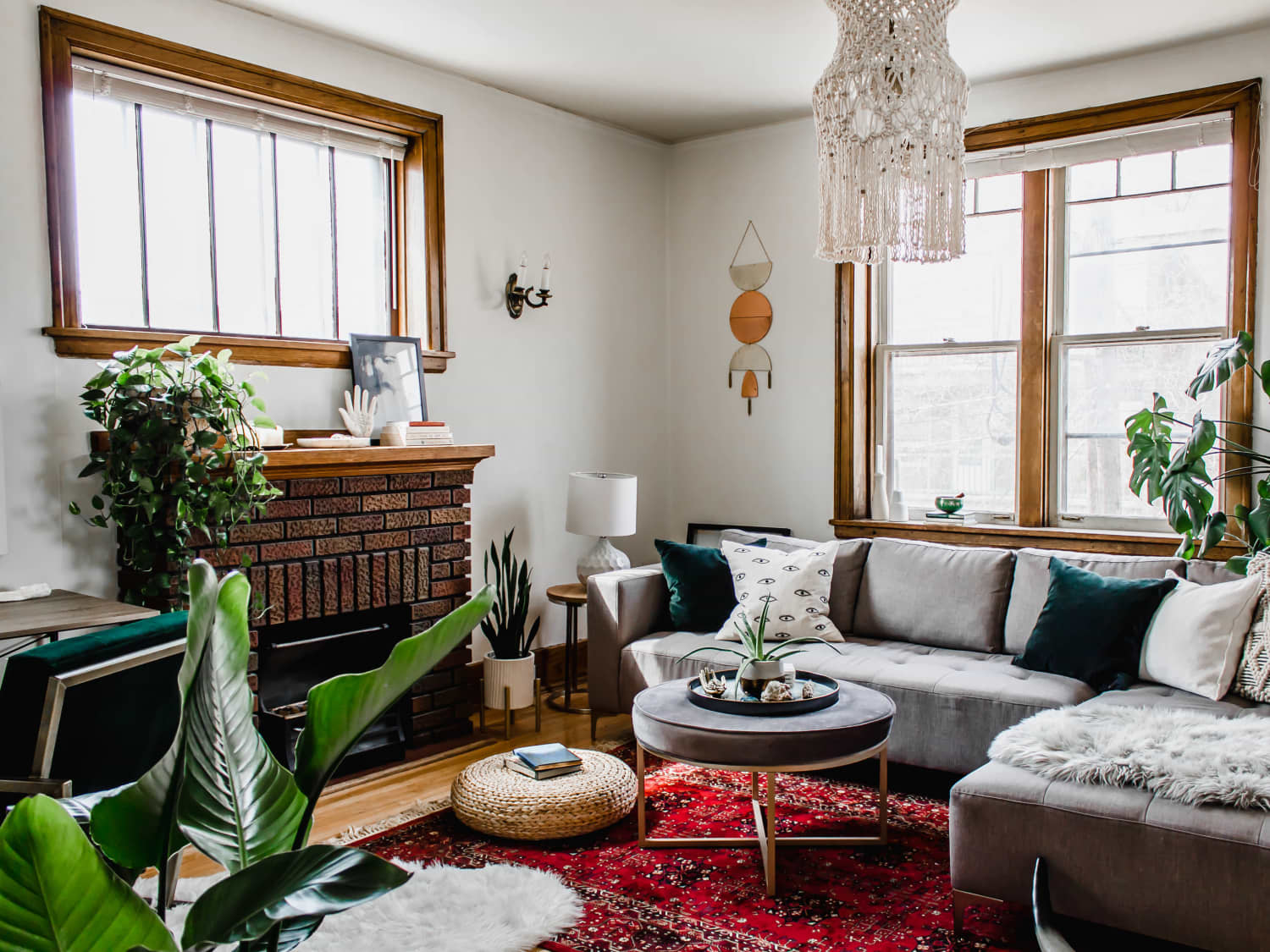
Why Convert a Bedroom to a Living Room?
Many homeowners or renters find themselves with an extra bedroom that isn’t being used to its full potential. Perhaps it’s a guest room that rarely hosts guests, or a home office that’s now redundant. Converting this space into a living room can:
- Increase Usable Space: It provides an additional area for relaxation, entertaining, or family activities.
- Improve Home Flow: It can create a more cohesive living area, especially in open-plan homes.
- Enhance Property Value: A well-designed living space can be a significant selling point.
- Serve Dual Purposes: With smart design, the room can still serve secondary functions.
Planning Your Bedroom to Living Room Transformation
Before you move a single piece of furniture, a solid plan is key. This ensures your new living room is functional, comfortable, and stylish.
Defining the Purpose of Your New Living Room
What will this room primarily be used for?
- Formal Entertaining: If you like hosting guests, focus on comfortable seating and a welcoming atmosphere.
- Casual Family Room: This space might need durable furniture, entertainment systems, and plenty of storage.
- Reading Nook/Quiet Zone: Prioritize cozy seating, good lighting, and a tranquil vibe.
- Hobby Space: If you have a specific hobby, like painting or playing an instrument, ensure the room accommodates it.
Assessing the Existing Bedroom Layout
Take measurements of the room. Note the placement of doors, windows, closets, and any built-in features. This information is crucial for furniture placement and flow. Sketching a floor plan can be incredibly helpful.
Table: Bedroom Dimensions and Features Checklist
| Feature | Measurement (in feet/meters) | Notes (e.g., window opening size, closet depth) |
|---|---|---|
| Length | ||
| Width | ||
| Ceiling Height | ||
| Door Width | ||
| Window 1 | Position (e.g., centered on wall) | |
| Window 2 | ||
| Closet | ||
| Other Features |
Budgeting for Your Makeover
Determine how much you’re willing to spend. Your budget will influence your choices for paint, furniture, flooring, and decor. Break down your budget into categories:
- Paint and Supplies
- Flooring (if needed)
- Furniture (sofa, chairs, coffee table, side tables)
- Lighting
- Decor and Accessories
- Storage Solutions
- Labor (if hiring professionals)
Key Elements of a Successful Living Room Conversion
Several core components contribute to a functional and appealing living room.
Furniture Selection: The Cornerstone of Comfort and Style
Choosing the right furniture is paramount. For apartment living room ideas and maximizing small bedroom space, think about scale and versatility.
Sofas and Seating Options
- Loveseats and Small Sofas: Ideal for smaller rooms, these provide ample seating without overwhelming the space.
- Accent Chairs: Offer additional comfortable seating and can add a pop of color or personality.
- Ottomans and Poufs: Can serve as footrests, extra seating, or even impromptu coffee tables with a tray.
- Sectionals (Modular): Some smaller modular sectionals can be configured to fit specific layouts and offer flexible seating.
Coffee and Side Tables
- Nesting Tables: Offer flexibility; use them stacked for a smaller footprint or spread out when needed.
- Lift-Top Coffee Tables: Provide hidden storage and can convert into a dining or work surface.
- C-Tables: Slide easily under sofas, bringing a surface close to hand without taking up floor space.
Multifunctional Furniture for Small Spaces
This is where creative small space solutions shine.
- Sofa Beds/Futons: If the room might occasionally need to double as a guest room, these are perfect.
- Ottomans with Storage: Hide blankets, magazines, or remotes.
- Wall-Mounted Shelving and Desks: Keep floors clear and add vertical storage.
- Convertible Coffee Tables: Tables that can be raised to dining height or extended are incredibly useful.
Example Table: Multifunctional Furniture Ideas
| Furniture Type | Multifunctional Feature | Benefit for Small Spaces |
|---|---|---|
| Storage Ottoman | Storage compartment | Hides clutter, provides extra seating, footrest |
| Lift-Top Coffee Table | Adjustable height, hidden storage | Can be a workspace, dining surface, keeps items tidy |
| Nesting Tables | Stackable design | Can be used individually or combined, space-saving |
| C-Table | Slides under furniture | Accessible surface without blocking pathways |
| Wall-mounted Shelf | Vertical storage | Frees up floor space, displays decor |
| Sleeper Sofa | Converts to a bed | Accommodates guests without a dedicated guest room |
Lighting: Setting the Mood and Enhancing Functionality
Good lighting can completely transform a room. Layering different types of light is key.
- Ambient Lighting: General illumination from overhead fixtures (ceiling fan lights, recessed lighting).
- Task Lighting: Focused light for activities like reading (floor lamps, desk lamps).
- Accent Lighting: Highlights specific features like artwork or architectural details (spotlights, picture lights).
- Natural Light: Maximize it by keeping windows unobstructed. Consider sheer curtains to diffuse light softly.
For a small bedroom living room conversion, consider wall-mounted sconces or slim floor lamps to save floor space.
Color Palette and Wall Treatments
The colors you choose will significantly impact the feel of the room.
- Light Colors: Whites, creams, pastels, and light grays can make a small room feel larger and brighter.
- Bold Accents: Use bolder colors for accent walls, pillows, or decor to add personality without overwhelming the space.
- Wallpaper: Can add texture, pattern, and depth. Consider removable wallpaper for flexibility.
- Paint Finishes: Matte finishes hide imperfections, while satin or eggshell finishes offer a slight sheen and are easier to clean.
Flooring: Comfort and Aesthetics
The flooring plays a vital role in both comfort and visual appeal.
- Rugs: A well-placed rug can define seating areas, add warmth, and absorb sound. Choose a size that anchors the furniture.
- Carpet Tiles: Offer flexibility and can be easily replaced if damaged.
- Laminate or Vinyl: Durable and often more affordable options that can mimic the look of wood or tile.
- Hardwood or Engineered Wood: Timeless and adds value, but can be more expensive.
Storage Solutions: Keeping Clutter at Bay
Effective storage is crucial for maintaining a tidy and inviting living room.
- Vertical Storage: Bookshelves, wall-mounted cabinets, and tall credenzas utilize vertical space.
- Hidden Storage: Ottomans, benches, and coffee tables with drawers or compartments keep items out of sight.
- Floating Shelves: Offer display and storage without a bulky visual footprint.
- Baskets and Bins: Great for corralling smaller items like remotes, magazines, or throws.
Step-by-Step Guide to Transforming Your Bedroom
Now, let’s get into the practical steps for transforming a room from a bedroom to a living area.
Step 1: Declutter and Depersonalize
- Remove All Bedroom Furniture: Take out the bed, dressers, nightstands, etc.
- Sort Belongings: Go through everything. Decide what to keep, donate, sell, or discard. If the room had a closet full of clothing, consider if those items belong elsewhere now.
- Pack Away Personal Items: Remove anything that strongly signifies it was a bedroom (e.g., excessive personal photos, very specific decor).
Step 2: Prepare the Space
- Clean Thoroughly: Vacuum, dust, and wash down walls and surfaces.
- Paint or Wallpaper: This is the best time to update wall treatments.
- H3: Painting Your New Living Room
- Choose your color palette.
- Use primer if covering dark colors or stains.
- Apply at least two coats of your chosen paint.
- Consider painting the ceiling a light color to make the room feel taller.
- H3: Applying Wallpaper
- Ensure walls are clean and smooth.
- Follow manufacturer instructions carefully for application.
- Consider a feature wall for added interest.
- H3: Painting Your New Living Room
- Update Flooring (Optional): If you’re changing the flooring, do it after painting. Laying down a rug can often suffice without a full flooring overhaul.
Step 3: Furniture Layout and Placement
This is where you bring your studio apartment layout principles to a larger room.
Creating Zones
Even in a smaller room, defining zones can make it feel more organized and functional.
- Seating Area: The primary focus. Arrange your sofa and chairs to face each other or towards a focal point (like a TV or fireplace).
- Reading Nook: A comfortable chair with a side table and a floor lamp.
- Serving/Bar Area: A small console table or bar cart for drinks and snacks.
Furniture Arrangement Tips for Maximizing Small Bedroom Space
- Anchor the Room: Place the largest piece of furniture (usually the sofa) first.
- Create Pathways: Ensure there’s enough space to walk around comfortably. Aim for at least 2-3 feet for main walkways.
- Consider Focal Points: Arrange furniture to draw the eye towards a window, fireplace, or entertainment center.
- Don’t Push Everything Against Walls: Pulling furniture slightly away from walls can create a more intimate and inviting conversation area, even in a small room.
- Use Mirrors: Strategically placed mirrors can reflect light and make the room feel much larger.
Diagram Concept: Basic Living Room Layout
Imagine a rectangular room.
* One long wall: Sofa facing this wall.
* Opposite wall: TV console or artwork.
* Side walls: Accent chairs flanking the sofa or facing each other across a coffee table.
* Coffee table: Centered in front of the sofa.
* Side tables: Next to the sofa and chairs.
Step 4: Installing Lighting
- Overhead Fixtures: Install or update your main ceiling light.
- Lamps: Place floor lamps in corners or behind seating, and table lamps on side tables.
- Dimmers: Consider installing dimmer switches for ambient control.
Step 5: Adding Decor and Accessories
This is where your personality comes in!
- Art and Wall Decor: Hang paintings, photographs, or decorative mirrors.
- Textiles: Add throw pillows, blankets, and curtains to introduce color, texture, and comfort.
- Plants: Bring life and freshness into the room.
- Rugs: Lay down your chosen rug to define the seating area.
- Personal Touches: Display cherished items that make the space feel like yours.
Specific Scenarios and Creative Solutions
Let’s explore some common challenges and how to overcome them in your bedroom to living area ideas.
Converting a Small Bedroom into a Cozy Living Room
For small bedroom living room conversion scenarios, focus on:
- Scale: Choose furniture that is appropriately sized for the room. Avoid oversized pieces.
- Vertical Space: Utilize wall-mounted shelves and cabinets to keep the floor clear.
- Light Colors: Employ a bright and airy color palette.
- Mirrors: Strategically placed mirrors can visually expand the space.
- Multifunctional Furniture: Prioritize pieces that serve multiple purposes.
Making a Studio Apartment Layout Work
If your bedroom is your living space in a studio apartment, the goal is seamless integration and clear zoning.
- Define Zones with Rugs: Use rugs to visually separate the sleeping area from the living area.
- Furniture Placement: Position your sofa so it acts as a divider without blocking light or views.
- Storage Solutions: Opt for attractive storage units that can double as room dividers or display areas.
- Consistent Color Scheme: Maintain a cohesive color palette throughout the studio to create a sense of flow.
- Wall-Mounted Everything: Think wall-mounted TVs, shelves, and even foldable tables to maximize floor space.
Dual-Purpose Room Design
Can the room still serve another function?
- Guest Room Functionality: If you sometimes host guests, a stylish sleeper sofa or a comfortable pull-out ottoman is a must.
- Home Office Corner: A small, stylish desk tucked into a corner with a comfortable chair can create a functional workspace without dominating the living area. Ensure good task lighting.
- Hobby Station: If you have a hobby like crafting or painting, a fold-out table or a dedicated craft cart can keep supplies organized and accessible.
Common Pitfalls to Avoid
- Overcrowding: Too much furniture will make the room feel cramped.
- Poor Lighting: Insufficient or harsh lighting can make the space feel uninviting.
- Ignoring Scale: Using furniture that is too large or too small for the room.
- Lack of Flow: Furniture arrangement that obstructs pathways.
- Insufficient Storage: Leading to clutter and a messy appearance.
Frequently Asked Questions (FAQ)
Q1: What is the best way to make a small room feel bigger?
Use light colors on walls and ceilings, incorporate mirrors, choose furniture with legs to create a sense of openness, and utilize vertical space for storage. Avoid heavy, dark curtains and opt for sheer fabrics.
Q2: Can I use a queen-size bed as a sofa in a living room?
While possible, a queen-size bed isn’t typically designed for living room use. Its height and mattress comfort might not be ideal for sitting. Consider a proper sofa bed or futon for a more comfortable and aesthetically pleasing solution.
Q3: How much space do I need for a living room layout?
Even small living rooms benefit from clear pathways. Aim for at least 2-3 feet for main walking routes. Seating areas should be comfortable for conversation, typically with furniture arranged within 8-12 feet of each other.
Q4: What kind of flooring works best for a living room conversion?
Hardwood, laminate, or good quality vinyl are popular choices for durability and ease of cleaning. A large area rug over any of these can add significant comfort and style.
Q5: Should I put a TV in my converted bedroom living room?
This is entirely a matter of personal preference and how you intend to use the room. If entertainment is a focus, plan your furniture layout around the TV. If it’s more of a quiet reading or conversation space, you might omit it.
Q6: What if the bedroom has a closet? Can I still use it?
Absolutely! A closet can be repurposed into a fantastic storage solution, a small home office nook, a mini bar, or even a reading corner with a comfortable chair and a good reading lamp.
By following these guidelines, you can successfully transform your spare bedroom into a functional, stylish, and inviting living room, enhancing your home’s usability and your overall living experience.