
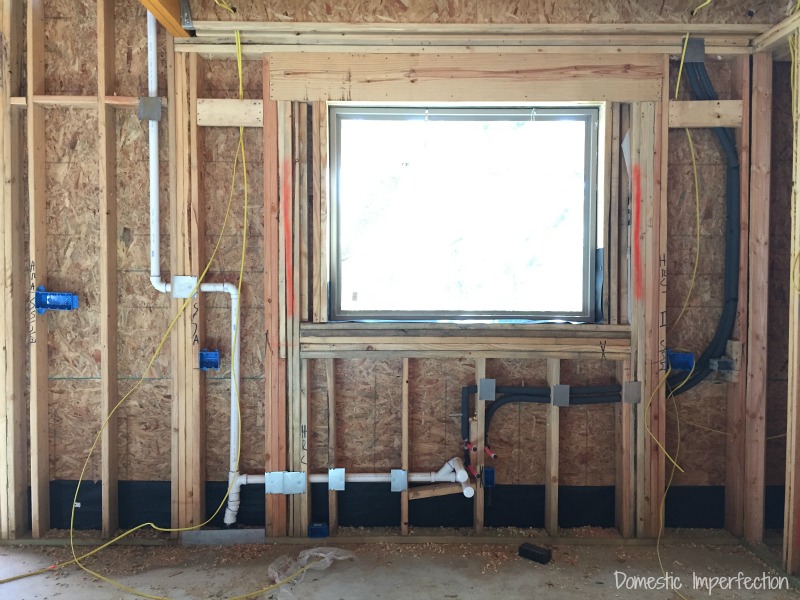
Image Source: www.domesticimperfection.com
How To Vent A Kitchen Sink Under A Window: Pro Tips
Can you vent a kitchen sink under a window? Yes, you can vent a kitchen sink under a window, but it requires careful planning to ensure proper air circulation and prevent issues like sewer gas backflow. This guide provides expert advice for navigating this common plumbing challenge.
A kitchen sink is a crucial part of any home, but its placement can sometimes pose a venting challenge, especially when situated beneath a window. Properly venting your kitchen sink is vital for a smooth-running plumbing system. Without adequate venting, you can encounter slow drains, gurgling noises, and unpleasant odors. This article delves into the specifics of venting a kitchen sink under a window, offering practical solutions and professional insights.
The Importance of Drainpipe Venting
Drainpipe venting is an essential component of any residential plumbing system. Its primary function is to allow air into the drainage system. This air helps to equalize pressure, allowing wastewater to flow freely down the drain and preventing the siphoning of water from P-traps. The P-trap, a U-shaped pipe beneath your sink, holds a small amount of water to create a barrier against sewer gases entering your home. Without proper venting, the water in the P-trap can be sucked out, allowing those unpleasant and potentially harmful gases to escape.
When wastewater flows through your drainpipes, it pushes air ahead of it. If there’s no way for air to enter the system behind the water, it creates a vacuum, pulling the water from the P-trap. A vent pipe provides an escape route for this air, maintaining atmospheric pressure and ensuring efficient drainage. This is particularly important for kitchen sink plumbing where grease and food particles can accumulate, potentially causing blockages that require clear pathways to function.
Factors to Consider for Venting Under a Window
Placing a vent pipe near a window requires careful consideration of several factors to comply with plumbing code and ensure functionality and aesthetics.
Window Sill Clearance
One of the most significant considerations is window sill clearance. The vent pipe must not obstruct the opening or closing of the window. You’ll need to measure the available space between the window sill and any potential obstructions. This clearance is dictated not only by practical needs but also by local building codes. They specify minimum clearances for ventilation pipes to ensure they don’t interfere with window operation or create fire hazards. Always check these regulations before planning your vent pipe’s route.
Aesthetics and Accessibility
While functionality is paramount, the appearance of the vent pipe is also important, especially when it’s near a visible area like a window. You might consider how the plumbing vent pipe will look and whether it can be concealed or integrated into the home’s design. Accessibility for future maintenance is also key. A vent pipe that is too difficult to reach can complicate repairs or inspections.
Drainage Capacity
The overall drain capacity of your kitchen sink and its associated plumbing system will influence the size and type of vent pipe needed. A higher volume sink or a system with multiple fixtures feeding into the same main drain might require a larger vent. This ensures that the venting system can handle the volume of wastewater without causing pressure issues.
Common Venting Methods for Under-Window Installations
Several methods can be employed to vent a kitchen sink under a window, each with its advantages and disadvantages.
1. Through-the-Wall Venting
This is often the most straightforward method. The vent pipe is run horizontally through the wall behind the sink and then connects to a vertical vent stack that rises through the roof.
- Pros: Can be relatively simple to install, keeps the vent pipe out of sight within the wall.
- Cons: Requires cutting into the wall, which can be disruptive. The exterior termination point needs careful sealing to prevent water ingress.
Steps for Through-the-Wall Venting:
- Locate Vent Connection: Identify the existing drainpipe for your kitchen sink. The vent connection should be made at least 4 inches above the flood rim of the fixture it serves.
- Drill Through Wall: Carefully drill a hole through the exterior wall, ensuring it’s at a slight downward angle towards the interior to prevent water from entering the vent.
- Install Vent Pipe: Insert the appropriate vent pipe material (typically PVC or ABS) through the hole. Connect it to the existing drainpipe using a sanitary tee fitting.
- Run Vent Upwards: Once inside, the vent pipe will need to run upwards to connect to the main vent stack or terminate independently through the roof, following local building codes.
- Seal Exterior: Thoroughly seal the exterior penetration with appropriate flashing and sealant to prevent leaks.
2. Venting Through the Cabinet or Floor
In some cases, the vent pipe can be routed downwards through the cabinet and connected to the main drain below the floor. This is less common for sinks directly under a window but can be an option if the layout allows.
- Pros: Keeps the vent entirely hidden from view, potentially avoiding window obstruction issues.
- Cons: Can be complex if the subfloor is difficult to access or if there are many existing pipes. Requires careful planning to avoid conflicts with other plumbing or structural elements.
Considerations for Venting Through the Floor:
- P-trap Height: Ensure the vent connection point is sufficiently above the P-trap to prevent siphoning.
- Drainpipe Alignment: The vent pipe needs to connect cleanly to the drainpipe without creating sharp bends or impeding wastewater flow.
- Building Codes: Verify that this method aligns with all applicable plumbing code requirements, particularly regarding vent termination if it runs outside the main stack.
3. Air Admittance Valves (AAVs)
Air Admittance Valves (also known as “studor vents” or “cheater vents”) are mechanical devices that allow air into the drain system but prevent sewer gases from escaping. They are installed on the vent line, typically above the flood level of the fixture.
- Pros: Simplifies installation significantly as it eliminates the need to run a vent pipe through the roof. They are compact and can be hidden in cabinets.
- Cons: Some plumbers and building codes have reservations about their long-term reliability and effectiveness compared to traditional vent pipes. They are a single point of failure; if the valve malfunctions, venting issues will arise.
When to Use an AAV:
AAVs are often a good solution when running a traditional vent pipe to the outside is impractical or cost-prohibitive, such as in older homes or when the sink is located far from the main vent stack. They are also a common choice for island sinks or situations where a traditional vent would be aesthetically unpleasing.
Installation of an AAV:
- Placement: Install the AAV on a vertical or horizontal pipe arm branch above the fixture’s trap. It should be at least 4 inches above the trap’s highest point.
- Connection: Connect the AAV to the vent line using appropriate fittings.
- Ventilation: Ensure the AAV has adequate clearance to operate. It needs air to flow in.
- Inspection: Follow manufacturer instructions and check local building codes for specific requirements regarding AAV use and installation. Some jurisdictions may have restrictions or require specific types of AAVs.
Vent Pipe Material and Installation Best Practices
Choosing the right vent pipe material and adhering to installation best practices are crucial for a long-lasting and effective venting system.
Common Vent Pipe Materials
- PVC (Polyvinyl Chloride): The most common material for drain, waste, and vent (DWV) systems. It’s lightweight, durable, and easy to join with solvent cement.
- ABS (Acrylonitrile Butadiene Styrene): Similar to PVC, it’s also a popular choice for DWV systems. It’s often black in color and uses a different type of solvent cement for joining.
- Cast Iron: A traditional material, it’s very durable but heavy and more difficult to cut and join. Often used in older homes or for specific applications.
- Copper: Used in some older plumbing systems, copper is excellent but more expensive and requires soldering for joints.
Installation Best Practices
- Pitch: Vent pipes should be pitched slightly downwards towards the drainpipe to allow any condensation or debris to flow away from the vent opening.
- Support: Securely support vent pipes with appropriate hangers or straps to prevent sagging.
- Cleanouts: Ensure there are accessible cleanouts on the drain system to allow for clearing blockages.
- Proximity to Obstructions: Avoid placing the vent pipe too close to electrical wiring, plumbing fixtures, or structural elements that could complicate installation or future maintenance.
- Sealing: All joints and penetrations must be properly sealed to prevent leaks and the escape of sewer gases.
Navigating Local Building Codes and Plumbing Regulations
Plumbing code and local building codes are the definitive guides for any plumbing project. These codes are designed to ensure safety, health, and the proper functioning of plumbing systems.
Key Code Considerations for Venting
- Vent Size: Codes specify the required diameter of vent pipes based on the size of the drainpipe and the number of fixtures it serves. This ensures adequate airflow for the drain capacity.
- Vent Termination: Regulations dictate where vent pipes must terminate, typically above the roofline, to prevent sewer gases from entering occupied spaces or being blown back into the building.
- Horizontal Runs: If horizontal runs are unavoidable, codes specify the maximum length and the minimum slope required to prevent siphoning.
- Distance from Windows and Doors: There are often minimum distances required between vent pipe terminations and operable windows or doors to prevent the ingress of sewer gases.
How to Find Your Local Codes:
Your best resource is your local building department. They can provide copies of the current plumbing code adopted by your municipality. Online searches for “[Your City/County] plumbing code” can also be helpful, but always verify the information with the official source.
When planning your sink installation under a window, consulting with a licensed plumber is highly recommended. They will be familiar with the specific local building codes and can ensure your venting solution is compliant and effective.
Troubleshooting Common Venting Issues
Even with careful planning, you might encounter issues. Here are some common problems and their solutions:
Slow Draining
- Cause: Insufficient venting allows a vacuum to form, slowing wastewater flow.
- Solution: Check if the vent pipe is blocked by debris or if the AAV (if used) is functioning correctly. Ensure the vent pipe has the correct slope.
Gurgling Noises
- Cause: Air being forced through the water seal in the P-trap as wastewater passes. This indicates a venting problem.
- Solution: Inspect the vent pipe for obstructions or ensure proper air admittance is occurring.
Unpleasant Odors
- Cause: The water seal in the P-trap is being siphoned out, allowing sewer gases to enter.
- Solution: This is a direct indication of a venting issue. Ensure the vent pipe is clear and properly connected. If using an AAV, it might need replacement.
Conclusion: A Well-Ventilated Sink for a Healthy Home
Venting a kitchen sink under a window is a solvable plumbing challenge. By understanding the principles of drainpipe venting, carefully considering the spatial constraints, and adhering to local building codes, you can implement an effective and compliant solution. Whether you opt for traditional through-the-wall venting, explore alternative routing, or utilize an Air Admittance Valve, the goal remains the same: to ensure your kitchen sink plumbing operates efficiently and safely, keeping your home free from unpleasant odors and drainage problems. Always prioritize safety and consult with professionals when in doubt.
Frequently Asked Questions (FAQ)
Q1: Can I run a vent pipe directly behind a window?
A1: While possible, it’s generally not ideal. You must ensure there is sufficient window sill clearance and that the pipe doesn’t obstruct window operation. Local building codes often specify minimum clearances. Routing the vent through the wall or using an AAV might be better options for aesthetics and functionality.
Q2: What is the proper slope for a vent pipe?
A2: Vent pipes are typically installed with a slight downward pitch towards the drainpipe, usually ¼ inch per linear foot. This helps prevent water from accumulating in the vent pipe. Always check your specific plumbing code for exact requirements.
Q3: Do I need a plumber to vent my kitchen sink?
A3: While DIYers with plumbing experience can handle this, it’s highly recommended to hire a licensed plumber, especially for installations under a window. They are familiar with plumbing code, can ensure the correct drain capacity is maintained, and can guarantee a safe and compliant installation. Improper venting can lead to serious issues.
Q4: What is the difference between a vent pipe and a drainpipe?
A4: A drainpipe carries wastewater away from fixtures, while a vent pipe allows air into the drainage system. This air is crucial for maintaining pressure, preventing siphoning of water from the P-trap, and allowing wastewater to flow smoothly.
Q5: Can I use an Air Admittance Valve (AAV) if my sink is under a window?
A5: Yes, an AAV can be a viable option, especially if running a traditional plumbing vent pipe through the roof is difficult or undesirable. It simplifies the installation and avoids window interference. However, verify that your local building codes permit their use and follow the manufacturer’s installation instructions precisely.