
The width of a kitchen island can vary significantly, but generally, a functional kitchen island is at least 3 feet (36 inches or 91 cm) wide. However, the ideal width depends on your kitchen’s size, layout, intended use, and the desired clearances around it.
When planning your kitchen, the island is often the star. It’s a hub for cooking, dining, and socializing. But how wide should this central piece be? The answer isn’t a simple one-size-fits-all. A kitchen island’s width is a crucial decision that impacts both its functionality and the overall flow of your kitchen. Let’s dive deep into the world of kitchen island dimensions to help you find the perfect fit.
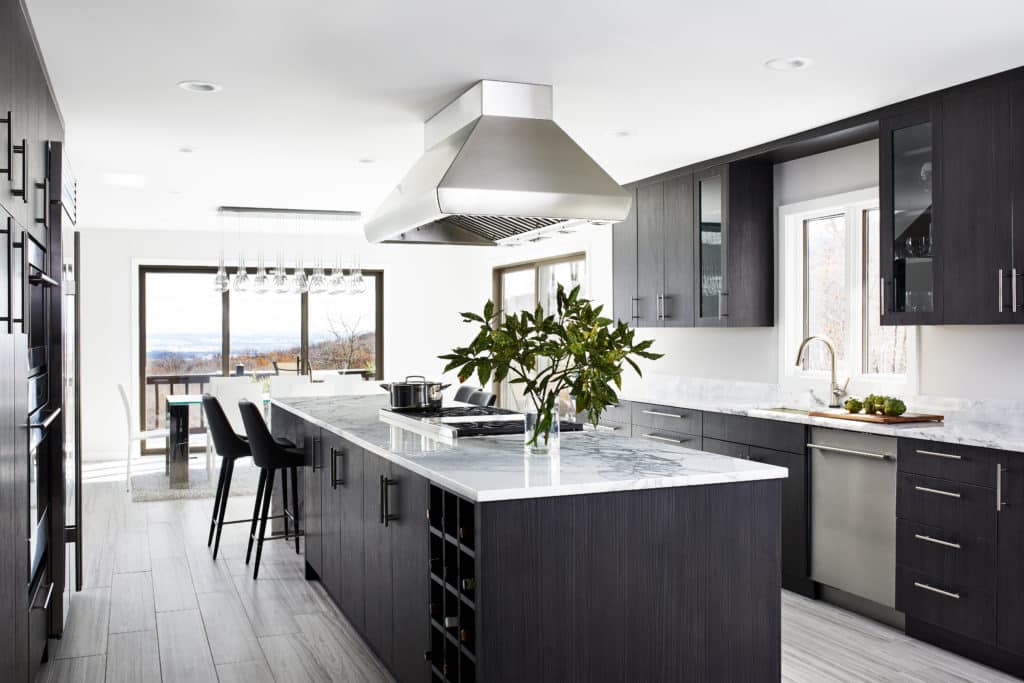
Image Source: jackrosen.com
The Basics of Kitchen Island Width
Before we get into specific recommendations, let’s establish some foundational knowledge. Standard kitchen island dimensions are a good starting point, but remember that these are guidelines, not strict rules. Your unique kitchen and lifestyle will dictate the best choices.
Factors Influencing Your Island’s Width
Several key elements come into play when deciding on the ideal width for your kitchen island:
- Kitchen Size and Layout: This is paramount. A tiny kitchen cannot accommodate a massive island, and a sprawling one can feel empty without a substantial centerpiece. The layout, including the placement of cabinets, appliances, and doorways, directly affects how much space is available for an island.
- Intended Use: What will your island primarily be used for?
- Prep Work: More width might be needed for ample counter space.
- Casual Dining: You’ll need space for seating, which often dictates a wider island to accommodate overhangs.
- Storage: Deeper cabinets or specialized storage solutions might increase the island’s width.
- Appliance Integration: An island with a cooktop, sink, or dishwasher will require specific clearances and potentially more width.
- Traffic Flow and Clearances: This is where kitchen island clearances become critically important. Proper clearances ensure you can move around your kitchen safely and comfortably. We’ll explore these in detail later.
- Aesthetics and Proportion: The island should look balanced within the room. Too small an island in a large kitchen can look lost, while an oversized one can overwhelm a smaller space.
Navigating Standard Kitchen Island Dimensions
While flexibility is key, knowing common standard kitchen island dimensions gives you a solid reference.
Minimum Kitchen Island Width: The Functional Baseline
What’s the smallest a kitchen island can be and still be useful? The minimum kitchen island width is generally considered to be around 24 inches (61 cm). However, this is often very limited and might only work for very basic, non-functional decorative islands or extremely narrow kitchen layouts. For practical use, especially for prep work or storage, aim for a bit more.
A more realistic minimum kitchen island width for a functional island that offers some workspace or storage is closer to 30-36 inches (76-91 cm). Even at this width, you’ll be limited in what you can do.
Typical Width Ranges
Here’s a breakdown of common width ranges and what they typically accommodate:
| Island Width Range | Typical Use | Considerations |
|---|---|---|
| 24-30 inches (61-76 cm) | Small decorative islands, minimalist workspaces. | Very limited counter space. Primarily for aesthetics or a small landing zone. Clearance is crucial. |
| 36-42 inches (91-107 cm) | Single-person prep, basic storage, small landing zones. | Functional for light prep. Can work in smaller kitchens if clearances are adequate. |
| 48-60 inches (122-152 cm) | Ample prep space, seating for 2-3, appliance integration. | Good balance for many kitchens. Allows for comfortable work and casual dining. Wider end may require more clearance. |
| 60 inches+ (152 cm+) | Large-scale prep, multi-person dining, multiple appliances. | Best for larger kitchens. Offers significant workspace and seating. Requires generous clearances. |
Exploring Different Kitchen Island Sizes
Let’s delve into how different sizes cater to various needs and spaces.
Small Kitchen Island Width: Maximizing Compact Spaces
For kitchens where space is a premium, a small kitchen island width is essential. The goal is to provide functionality without overwhelming the room or hindering movement.
What is a Small Kitchen Island?
A small kitchen island typically ranges from 24 inches to 48 inches (61 cm to 122 cm) in width. The key is to select a size that offers a usable surface and perhaps some storage while maintaining adequate kitchen island clearances.
Design Strategies for Small Kitchen Islands:
- Narrow Kitchen Island Width: Opting for a narrow kitchen island width, perhaps around 24-30 inches (61-76 cm), can be a lifesaver in tight spaces. These islands might primarily serve as a movable cart or a small fixed prep area.
- Multi-functional Design: Choose an island with integrated storage like drawers or shelves. Rolling islands can also be beneficial, allowing you to move them out of the way when not in use.
- Consider Depth: While we’re focusing on width, kitchen island depth is also critical in small spaces. A standard depth of 25-36 inches (63-91 cm) is common, but you might consider a slightly shallower depth for your island if width is extremely limited.
- Visibility: Using lighter colors and materials can make a small island appear less imposing.
Large Kitchen Island Dimensions: Statement Pieces for Spacious Homes
In expansive kitchens, a large kitchen island dimensions can become a focal point, offering abundant workspace, seating, and storage.
What are Large Kitchen Islands?
Large kitchen island dimensions generally start from around 60 inches (152 cm) in width and can extend to 8 feet (96 inches or 244 cm) or even more. These islands are designed to be substantial and can often accommodate multiple functions.
Benefits of Larger Islands:
- Extensive Prep Space: Plenty of room for multiple cooks or elaborate meal preparation.
- Seating for Many: Can easily accommodate bar stools or counter-height chairs for casual dining or entertaining.
- Integrated Appliances: Space for sinks, cooktops, dishwashers, and even wine fridges without feeling cramped.
- Ample Storage: Room for deep cabinets, pull-out shelves, and specialized drawers.
Considerations for Large Islands:
- Traffic Flow: Ensure there are still sufficient kitchen island clearances around a large island to prevent it from becoming a barrier.
- Dominance: A very large island can dominate the kitchen if not scaled appropriately with the room’s overall size.
- Weight and Installation: These larger units can be heavy and may require professional installation.
The Importance of Kitchen Island Clearances
This is arguably the most critical aspect of determining your island’s width, as inadequate clearances can render even a beautifully designed island impractical and unsafe. Kitchen island clearances are the pathways around the island.
Standard Clearance Recommendations:
- Work Aisles (Between Island and Main Countertops/Appliances): The ideal clearance here is 42-48 inches (107-122 cm). This allows for comfortable passage, opening appliance doors (like ovens or dishwashers), and even two people working back-to-back.
- Traffic Aisles (Between Island and Walls/Dining Areas): A minimum of 36 inches (91 cm) is generally acceptable for traffic flow. However, 42 inches (107 cm) is often preferred for easier movement, especially if this is a primary thoroughfare.
- Seating Overhang: If you plan to seat people at your island, you’ll need to factor in overhang space. For counter-height seating (around 36 inches or 91 cm high), allow 12-15 inches (30-38 cm) of overhang. For bar-height seating (around 42 inches or 107 cm high), allow 10-12 inches (25-30 cm). This overhang directly impacts the usable width of the island for seating.
Visualizing Clearances:
Imagine your kitchen as a blueprint. The island sits in the middle, and the clearances are the “walkways” surrounding it.
- Island Width + Clearance on One Side + Clearance on the Other Side = Total Kitchen Width
Let’s say your kitchen is 10 feet (120 inches or 305 cm) wide.
- If you want a 42-inch (107 cm) island with 42-inch (107 cm) clearances on both sides, you’d need: 42 (island) + 42 (clearance 1) + 42 (clearance 2) = 126 inches (320 cm). This means a 42-inch island won’t fit with 42-inch clearances in a 120-inch wide kitchen.
- You might have to compromise: 42 (island) + 36 (clearance 1) + 36 (clearance 2) = 114 inches (290 cm). This fits, but 36 inches is the absolute minimum for comfortable working aisles.
The “Work Triangle” and Island Placement
The concept of the work triangle (sink, refrigerator, cooktop) still applies. Your island’s width and placement should enhance, not hinder, the efficiency of your kitchen’s workflow. A wide island can break up the triangle if not strategically placed.
Deciphering Your Ideal Kitchen Island Width
So, how do you arrive at the ideal kitchen island width for your specific needs? It’s a process of balancing your desires with the practical constraints of your kitchen.
Step-by-Step Guide to Choosing Width:
- Measure Your Kitchen: Get precise measurements of your kitchen’s length and width. Note the location of windows, doors, cabinets, and appliance hookups.
- Determine Desired Functionality:
- How much counter space do you need for prep?
- Will you have seating? How many people?
- Do you want to install a sink, cooktop, or dishwasher?
- Sketch Your Layout: Draw a floor plan. You can use graph paper or online tools.
- Place Potential Island Locations: Experiment with different island positions and sizes on your sketch.
- Factor in Clearances: Crucially, draw in the required clearances around each potential island size. This is where many initial ideas get scaled back. Use masking tape on your actual floor to visualize the space.
- Consider Depth: Remember that kitchen island depth also consumes space. Standard depths range from 25 inches for standard cabinets to 36 inches or more for islands with seating overhangs or deep appliances.
- Evaluate Aesthetics: Does the island size look proportional to the rest of the kitchen?
The 3-Foot Rule (A General Guideline)
A very general rule of thumb is to ensure that the total width of your kitchen, minus the width of your island, leaves you with at least 6 feet (72 inches or 183 cm) of clearance in the main traffic paths. This means if your kitchen is 12 feet (144 inches or 366 cm) wide, you can realistically fit a 4-foot (48 inches or 122 cm) wide island (144 – 48 = 96 inches, which is 48 inches on each side – a good clearance).
Custom Kitchen Island Width: Tailoring to Your Space
Sometimes, standard dimensions just won’t cut it. This is where a custom kitchen island width becomes invaluable.
When to Go Custom:
- Unusual Kitchen Layouts: Awkwardly shaped rooms or kitchens with many architectural constraints often require custom solutions.
- Specific Storage Needs: If you need specialized cabinets, pull-outs, or a unique appliance integration, custom sizing ensures everything fits perfectly.
- Maximizing Limited Space: A custom-designed narrow island can be tailored to fit exactly where you need it, even in very tight spots.
- Achieving a Unique Look: Custom builds allow for bespoke designs that perfectly match your aesthetic vision.
The Process of Customization:
Working with a kitchen designer or cabinet maker is the best approach. They can help you:
- Design an island that fits your exact measurements.
- Incorporate specific features like appliance garages, wine racks, or specialized drawers.
- Ensure the proportions are aesthetically pleasing for your kitchen.
- Advise on structural integrity and materials.
The Nuances of Kitchen Island Depth
While the question is about width, kitchen island depth plays a supporting role in overall functionality and how much usable width you perceive.
Standard Depths:
- Base Cabinets: Typically 24 inches (61 cm) deep.
- Islands with Seating Overhang: Can range from 30 inches (76 cm) to 42 inches (107 cm) or more, depending on the size of the overhang and whether there are cabinets on both sides.
- Appliance Depth: Built-in ovens, microwaves, or dishwashers will dictate a minimum depth for that section of the island.
A deeper island will naturally take up more floor space, potentially reducing the perceived width of your aisles. Conversely, a shallower island might offer more maneuvering room but less workspace or storage.
Interpreting Your Kitchen Island Size Guide
Think of this entire guide as your personal kitchen island size guide. It’s about taking all the pieces – your kitchen’s dimensions, your lifestyle, desired features, and clearance needs – and fitting them together.
Putting It All Together:
Let’s consider a few scenarios:
-
Scenario 1: Small Apartment Kitchen
- Kitchen Size: 10 ft x 8 ft (120 inches x 96 inches).
- Goal: Add a small prep area and some storage.
- Recommendation: A narrow kitchen island width of 30-36 inches (76-91 cm) is feasible. With 36-inch clearances on the sides, this leaves 24-30 inches of aisle space between the island and the wall cabinets/countertops. This is tight but workable. A mobile cart might be even more practical. Kitchen island depth should ideally be around 24-30 inches.
-
Scenario 2: Medium Family Kitchen
- Kitchen Size: 14 ft x 12 ft (168 inches x 144 inches).
- Goal: Ample prep space, seating for 2-3 people.
- Recommendation: An ideal kitchen island width might be 48-60 inches (122-152 cm). With a 54-inch island and 42-inch clearances on all sides, you’d use 54 + 42 + 42 = 138 inches. This fits comfortably within the 168-inch dimension. For the 144-inch dimension, 54 + 42 + 42 = 138 inches also works. A kitchen island depth of 36-42 inches (to accommodate a seating overhang) would be suitable.
-
Scenario 3: Large Gourmet Kitchen
- Kitchen Size: 20 ft x 15 ft (240 inches x 180 inches).
- Goal: Large workspace, seating for 4-5, multiple appliances.
- Recommendation: Large kitchen island dimensions are appropriate. A 72-inch (6 ft) wide island with a 42-inch depth would be a good starting point. You could easily accommodate 48-inch clearances around it, leaving plenty of room to maneuver. Consider a width of 72-96 inches (6-8 ft) for maximum functionality.
Frequently Asked Questions (FAQ)
What is the minimum width for a kitchen island with seating?
For seating, you need to account for both the island’s width and the overhang. The island itself should still have a practical minimum width for prep, ideally around 36 inches (91 cm). However, the total width needed for seating depends on the number of seats and the required overhang (10-15 inches per person). A very narrow island can be 30 inches wide, but to add seating, you’ll need to extend its width considerably, perhaps to 48 inches or more, to accommodate a comfortable overhang and allow people to sit without bumping knees.
Can I have a kitchen island less than 3 feet wide?
Yes, you can have a kitchen island less than 3 feet (36 inches or 91 cm) wide, but its functionality will be limited. A small kitchen island width of 24-30 inches is usually more for aesthetic appeal or a very compact landing zone. For practical prep work or storage, 36 inches is a more functional minimum.
What is the standard depth of a kitchen island?
The standard kitchen island depth is usually the same as base cabinets, which is 24 inches (61 cm). However, islands designed for seating will have a greater depth, typically ranging from 30 inches (76 cm) to 42 inches (107 cm) or more, to accommodate the countertop overhang.
How much space do I need between my island and the counter?
You need adequate kitchen island clearances. For working aisles between an island and countertops or appliances, aim for a minimum of 36 inches (91 cm), but 42-48 inches (107-122 cm) is ideal for comfort and safety. For traffic aisles where people are just passing through, 36 inches is the minimum, but 42 inches is preferred.
How do I choose the right kitchen island size for my kitchen?
To choose the right kitchen island size guide, measure your kitchen, determine the island’s primary functions (prep, dining, storage), sketch potential layouts, and most importantly, factor in the necessary kitchen island clearances. Consider standard dimensions as a starting point and then adjust based on your specific needs and space constraints. Consulting with a kitchen designer can also be very beneficial.