
What is the ideal width for a kitchen island? The ideal width for a kitchen island varies based on your kitchen layout, intended use, and desired clearance, but a common range is between 30 inches and 42 inches for functionality, with more space needed if seating is incorporated.
Getting the width of your kitchen island right is crucial for both its functionality and the overall flow of your kitchen. A poorly sized island can lead to cramped spaces, awkward movement, and a kitchen that just doesn’t feel quite right. This in-depth guide will help you navigate the important decisions to ensure your kitchen island is a perfect fit. We’ll cover everything from standard measurements to practical considerations for your unique space.
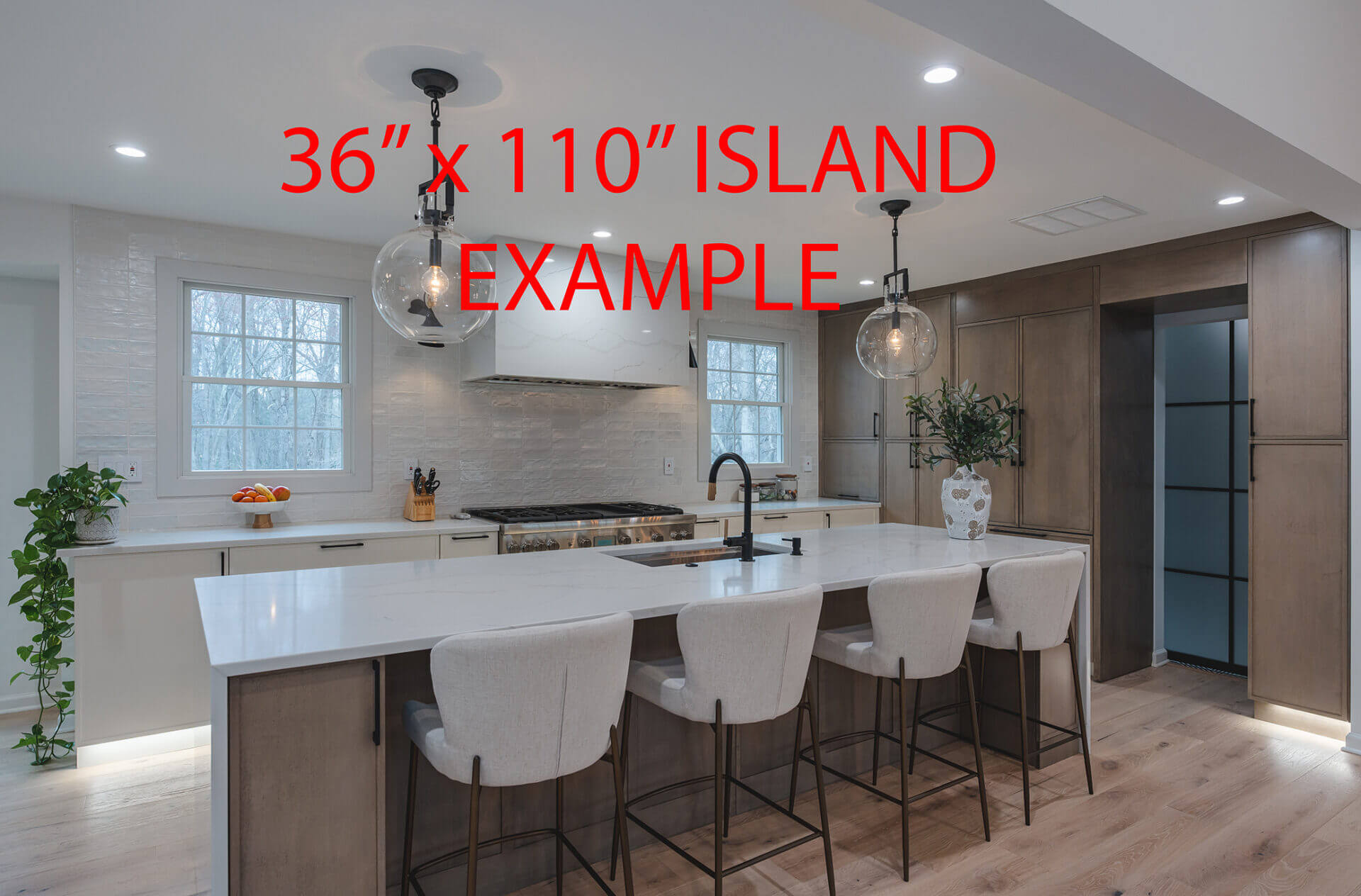
Image Source: bossdesigncenter.com
Fathoming Kitchen Island Dimensions
When planning your kitchen island, kitchen island dimensions are paramount. The width is one of the most significant factors, impacting usability, traffic flow, and the overall aesthetic of your kitchen. It’s not just about the island itself, but how it interacts with the rest of your kitchen.
Standard Kitchen Island Width
The standard kitchen island width typically falls between 24 inches and 48 inches. However, this is just a baseline. The “right” width is highly dependent on how you plan to use the island and the available space.
- 24-36 inches wide: This is generally considered the minimum workable width for a functional island. It’s suitable for smaller kitchens or for islands that serve primarily as prep surfaces with minimal storage.
- 36-42 inches wide: This is a very common and versatile width. It allows for a good amount of countertop space for prep and can accommodate some storage or even a small appliance.
- 42-48 inches wide: This offers ample countertop space and can comfortably house larger appliances, extensive storage, or a significant seating area.
- Over 48 inches wide: Islands this wide are typically found in very large kitchens where space is not a constraint. They can become statement pieces and accommodate extensive work zones and seating.
Optimal Kitchen Island Depth
While we’re focusing on width, the optimal kitchen island depth also plays a role. Most standard kitchen cabinets are 24 inches deep.
- 24 inches deep: This is the most common depth, aligning with standard cabinet sizes. It provides a good balance of storage and usability without making the island feel too bulky.
- 30-36 inches deep: If you plan to integrate appliances like a cooktop or sink, you’ll likely need a greater depth to accommodate these fixtures and their necessary clearances and plumbing. You might also opt for a deeper island for added storage or a more substantial look.
Deciphering Minimum Walkway Requirements
One of the most critical aspects of island placement and sizing is ensuring adequate circulation space. This is where minimum walkway around island measurements become essential. Insufficient clearance can make your kitchen feel cramped and inefficient.
Essential Clearance Zones
- Between the island and the perimeter cabinets/appliances: The general recommendation is a minimum of 36 inches. This allows for comfortable passage of one person.
- For high-traffic areas or areas where multiple people will be working: Aim for 42-48 inches. This provides more comfortable movement and allows two people to pass each other or work at the island simultaneously without feeling crowded.
- When seating is involved: You’ll need more space behind the seating area. This will be discussed in more detail under seating clearance.
Table 1: Recommended Minimum Walkway Clearances
| Scenario | Recommended Clearance (inches) | Notes |
|---|---|---|
| Island to cabinets/appliances (low traffic) | 36 | Allows one person to pass comfortably. |
| Island to cabinets/appliances (high traffic) | 42-48 | Accommodates multiple people or busy cooking activity. |
| Behind seating at the island | 42-48 | Allows people to sit down, stand up, and walk behind seated individuals. |
| Between two parallel working areas (e.g., island and sink) | 48 | Provides ample space for two people to work simultaneously without obstruction. |
Island Placement Guidelines
Island placement guidelines are intrinsically linked to walkway clearances. Consider the primary work zones in your kitchen: the refrigerator, sink, and cooktop (the “work triangle”).
- Placement within the work triangle: An island can disrupt the work triangle if placed incorrectly. Ideally, it should not block direct pathways between these key areas.
- Accessibility: Ensure easy access to all sides of the island. Avoid pushing it too close to walls or other fixed elements.
- Proportion to the room: The island should be proportional to the size of your kitchen. A massive island in a small kitchen will dominate the space, while a tiny island in a large kitchen can look lost.
A Kitchen Island Size Guide for Every Need
A kitchen island size guide can help you visualize what will work best in your specific kitchen. The size of your island directly impacts its utility and how it fits into your overall kitchen layout island size considerations.
Small Kitchens
In smaller kitchens, the goal is to maximize functionality without sacrificing circulation.
- Width: 30-36 inches is often the maximum workable width.
- Depth: Standard 24 inches is usually sufficient.
- Considerations: Opt for islands with wheels (a “kitchen cart” or “butcher block island”) if space is extremely limited. These can be moved out of the way when needed. Avoid islands with excessive depth or elaborate overhangs.
Medium Kitchens
Medium-sized kitchens offer more flexibility for island design.
- Width: 36-42 inches is a popular and effective choice.
- Depth: 24-30 inches can work well, especially if you want a bit more storage or a slightly larger prep area.
- Considerations: This size range allows for a comfortable work zone and potentially some casual seating. You can also consider islands with a moderate amount of storage.
Large Kitchens
Larger kitchens can accommodate more substantial islands, which can serve as the central hub of the kitchen.
- Width: 42-60 inches or even wider is feasible.
- Depth: 30-36 inches or more is common, especially if incorporating sinks, cooktops, or extensive seating.
- Considerations: You can create distinct zones on a large island – a prep area, a cooking zone, a seating bar. Ensure there’s still ample clearance around it.
Comprehending Countertop Overhang Width
The countertop overhang width is a vital detail for both aesthetics and usability, especially if you plan to have seating at your island.
Seating Clearance for Island
Seating clearance for island is critical. People need space to pull out chairs, sit comfortably, and move around the seated guests.
- Knee Space: For comfortable seating, you need adequate knee space. This typically means an overhang of at least 10-12 inches for standard counter height (36 inches). For bar height (42 inches), you might need 15 inches.
- Stool Clearance: Ensure there’s enough room for stools to be tucked under the island without obstructing walkways.
- Total Width for Seating: If you’re incorporating seating, add the depth of the island (usually 24 inches) plus the overhang (10-15 inches) to the required walkway clearance behind the seating (42-48 inches). This will give you the total minimum footprint needed for your island with seating.
Table 2: Countertop Overhang and Seating Requirements
| Counter Height | Minimum Overhang for Knee Space | Recommended Overhang for Comfort | Seating Clearance Behind (min) |
|---|---|---|---|
| Counter Height (30-36″) | 10″ | 12-15″ | 42″ |
| Bar Height (40-42″) | 12″ | 15-18″ | 42″ |
| Table Height (28-30″) | 15″ | 18-20″ | 42″ |
Note: These are general guidelines and can be adjusted based on the type of seating used and personal preference.
Structural Support for Overhangs
- Length of Overhang: For standard countertop materials like granite or quartz, overhangs up to 10-12 inches are often self-supporting.
- Longer Overhangs: If you plan for a larger overhang (e.g., for more substantial seating), you may need additional support such as steel brackets or a thicker countertop slab. Consult with your fabricator to determine the best support method.
Crafting a Workable Kitchen Island Width
A workable kitchen island width is one that supports your daily activities without hindering movement. This means considering both your kitchen’s dimensions and your lifestyle.
Factors Influencing Workable Width
- Kitchen Size: This is the primary driver. A larger kitchen can accommodate a wider island.
- Number of Cooks: If multiple people regularly cook in your kitchen, you’ll need more space to move freely.
- Appliances: Will you have a cooktop, sink, or dishwasher integrated into the island? These require specific clearances and can influence the necessary depth and overall width.
- Storage Needs: Do you need extensive drawers, cabinets, or open shelving? The more storage you incorporate, the wider the island might need to be.
- Seating: As discussed, seating adds significant width requirements.
Balancing Aesthetics and Functionality
- Visual Weight: A very wide island can sometimes make a small kitchen feel even smaller. Conversely, a narrow island in a vast kitchen might look out of place.
- Focal Point: The island is often the focal point of the kitchen. Its size and design should complement the overall style and proportions of the room.
- Ergonomics: A workable width ensures that you can move efficiently between the island and other kitchen zones, making cooking and cleaning more enjoyable.
Interpreting Your Kitchen Layout Island Size Needs
The overall kitchen layout island size is a holistic decision. It’s not just about the island’s measurements in isolation but how they integrate with the entire kitchen design.
Common Kitchen Layouts and Island Considerations
- Galley Kitchens: Islands are often not feasible in very narrow galley kitchens. If you have a slightly wider galley, a narrow, movable island or a slim peninsula might be a better option.
- L-Shaped Kitchens: An island can be a great addition to an L-shaped kitchen, often placed perpendicular to one of the “L” arms to create a more defined work zone and break up the space. Ensure adequate clearance is maintained.
- U-Shaped Kitchens: Islands can work well in U-shaped kitchens, often placed in the open center. Again, clearance is key.
- Open Concept Kitchens: Islands are very popular in open concept layouts as they can define the kitchen space, provide a social gathering spot, and offer ample workspace. They often become the central feature.
Measuring Your Space Accurately
Before committing to any kitchen island dimensions, measure your kitchen space meticulously.
- Measure the entire kitchen floor space.
- Identify the location of existing doors, windows, and radiators.
- Mark out the proposed island location on the floor using painter’s tape.
- Walk through the taped-off area, simulating cooking and movement. This is the best way to feel the clearances and identify any potential issues.
Frequently Asked Questions About Kitchen Island Width
Q1: Can I fit a kitchen island in a small kitchen?
Yes, you can often fit a kitchen island in a small kitchen, but you’ll need to be strategic with its size and design. Opt for a narrower island (30-36 inches wide) with a depth of around 24 inches. Consider islands on casters or a slim peninsula if space is very limited. Prioritize functionality and ensure you maintain at least 36 inches of walkway clearance.
Q2: How much space do I need behind a kitchen island for seating?
For comfortable seating at a kitchen island, you generally need a minimum of 42-48 inches of clearance behind the seated person. This allows individuals to pull out their chairs, stand up, and move around without bumping into cabinets or walls.
Q3: What is the minimum width for a kitchen island with a sink or cooktop?
If you plan to integrate a sink or cooktop into your island, you’ll typically need a greater width and depth. A sink might require an island that is at least 36 inches wide for the sink itself and surrounding workspace. Cooktops often require more depth and space for ventilation and landing areas, potentially pushing the minimum width to 48 inches or more, depending on the appliance. Always check the manufacturer’s specifications for the appliance.
Q4: How do I determine the best width for my kitchen island?
To determine the best width, consider your kitchen’s overall dimensions, your primary use for the island (prep, cooking, dining, storage), the amount of traffic flow you anticipate, and whether you want seating. Measure your space carefully and mock up the island’s footprint with tape to test clearances and usability.
Q5: Is a 42-inch wide kitchen island too big?
A 42-inch wide kitchen island is generally not considered too big and is a popular, functional size for many kitchens. It provides ample countertop space and can accommodate some storage or seating. However, whether it’s “too big” depends entirely on your kitchen’s overall dimensions and the required walkway clearances. Always ensure you have at least 36-48 inches of clearance around the island.
By carefully considering these factors and meticulously measuring your space, you can confidently determine the perfect width for your kitchen island, ensuring it becomes a functional and beautiful centerpiece for your home.