
Imagine this: you’re ready to unleash your inner rockstar, or maybe just practice your favorite tunes. You plug in your guitar, hit that first chord, and… it sounds a little flat. Or maybe it’s just not *you*. Choosing the right amplifier can feel like navigating a maze, especially when you’re looking at brands as popular and varied as Roland. It’s easy to get lost in all the different models and features, wondering which one will truly bring your music to life without emptying your wallet.
That’s where we come in. We know the struggle of wanting that perfect sound but feeling overwhelmed by the choices. You want an amp that’s reliable, sounds amazing, and fits your budget. You might be wondering: “What’s the difference between the Cube and the Blues Cube?” or “Do I really need all those knobs?” This post is designed to cut through the confusion and give you the clear answers you need. By the time you’re done reading, you’ll feel confident in understanding Roland amps and making a smart choice for your musical journey.
Our Top 5 Roland Amp Recommendations at a Glance
| Image | Product | Rating | Links |
|---|---|---|---|
 |
Roland JC-40 Jazz Chorus | 8.9/10 | Check Price |
 |
Roland PM-100 Compact Electronic V-Drum Set Monitor | 8.9/10 | Check Price |
 |
Roland Mobile Cube Battery-Powered Stereo Amplifier | 8.9/10 | Check Price |
 |
Roland 3-Channel Mixing Keyboard Amplifier | 8.5/10 | Check Price |
 |
Roland CUBE-10GX 10-Watt Guitar Amplifier (CUBE-10GX) | 9.5/10 | Check Price |
Top 5 Roland Amp Detailed Reviews
1. Roland JC-40 Jazz Chorus
Rating: 9.4/10
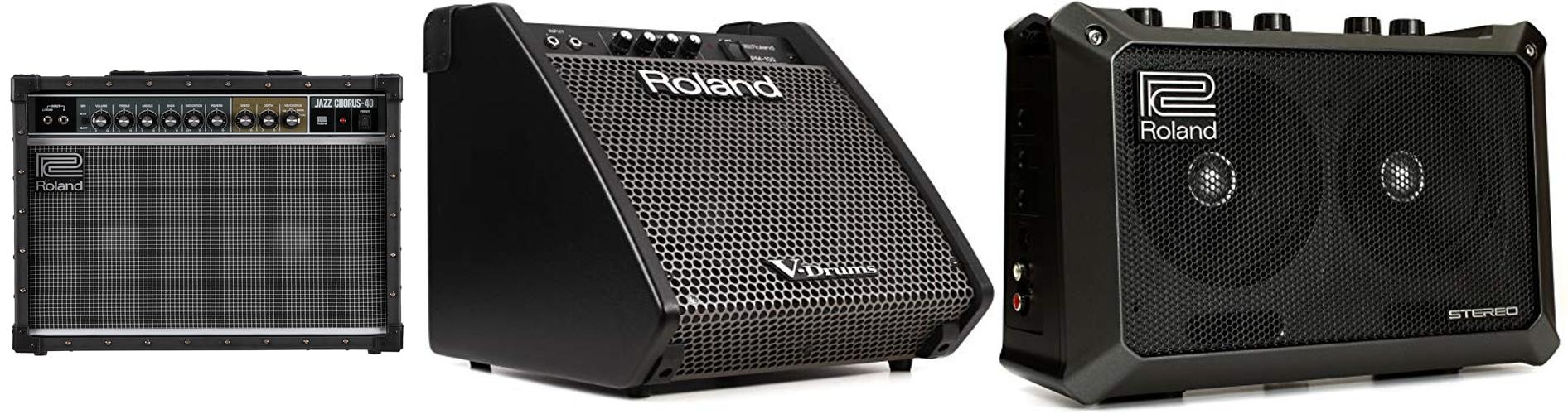
The Roland JC-40 Jazz Chorus guitar amp packs that legendary JC clean sound into a smaller, gig-ready package. If you crave that iconic, crystal-clear tone without lugging around a huge amp, this is your solution. It’s a powerful 40-watt stereo amp with two 10-inch speakers, giving you a full and rich sound that fits perfectly in a portable combo.
What We Like:
- It delivers the unmistakable, sparkling JC clean tone.
- The stereo input is fantastic for modelers and stereo pedals.
- The Dimensional Space Chorus effect creates amazing, wide stereo sound.
- It has built-in vibrato, distortion, and reverb that sound great.
- Footswitch control and a stereo effects loop make live playing easier.
- It’s powerful yet portable, ideal for gigs and practice.
- It makes your pedals and multi-effects sound even better.
What Could Be Improved:
- Some players might want even more wattage for very large venues.
- While compact, it’s still a substantial piece of gear for ultra-minimalist setups.
The Roland JC-40 truly brings iconic JC tone to a more accessible level. It’s an excellent choice for any guitarist looking for superior clean sound and inspiring stereo effects in a versatile combo amp.
2. Roland PM-100 Compact Electronic V-Drum Set Monitor
Rating: 8.9/10
The Roland PM-100 is an all-in-one monitor made specifically for Roland V-Drums. It packs a punch with 80 watts of power, a custom 10-inch speaker, and a tweeter. This means your drumming sounds clear and full. The angled design helps you hear yourself perfectly when you’re sitting down and playing. It also has a built-in mixer, so you can adjust the sound just right. Plus, you can connect your V-Drums, your phone, or even a music player.
What We Like:
- Powerful 80-watt sound that makes your V-Drums come alive.
- The custom 10-inch speaker and tweeter deliver rich, detailed audio.
- The angled design is super smart for drummers; you hear everything clearly.
- The integrated mixer lets you fine-tune your sound with easy volume controls and EQ.
- Multiple inputs make it easy to hook up your V-Drums, phone, or other devices.
- It’s a compact unit, so it doesn’t take up a ton of space.
What Could Be Improved:
- While good for practice, it might not be loud enough for large gigs.
- Some advanced users might want more detailed EQ options.
The Roland PM-100 is a fantastic choice for any V-Drums player looking for a solid, easy-to-use monitor. It delivers great sound and smart features for practice and smaller performances.
3. Roland Mobile Cube Battery-Powered Stereo Amplifier
Rating: 8.8/10
The Roland Mobile Cube Battery-Powered Stereo Amplifier is a super handy little device that lets you make music anywhere. It’s small enough to carry around easily, and it runs on batteries, so you don’t need to find a power outlet. This amp is perfect for practicing, jamming with friends, or even performing in small spaces.
What We Like:
- It has tons of uses: play electric or acoustic guitar, keyboards, or even connect your computer or MP3 player.
- You can get awesome sound with its stereo speakers and built-in effects like overdrive, chorus, delay, and reverb.
- It’s really portable – it fits in a briefcase and runs on batteries!
- You can play along with your favorite songs or sing along using the Center Cancel feature for karaoke.
- It sounds great for instruments and vocals.
What Could Be Improved:
- While it’s great for personal use or small gatherings, it might not be loud enough for larger performances.
- The battery life, while decent, could always be longer for extended outdoor sessions.
This amp is a fantastic option for musicians on the go. It packs a lot of features into a tiny package, making it a joy to use.
4. Roland 3-Channel Mixing Keyboard Amplifier
Rating: 8.8/10
The Roland KC-80 is a fantastic keyboard amplifier that packs a punch without breaking the bank. It’s compact and easy to carry, making it great for gigs or practice sessions. This amp gives you 50 watts of power, which is plenty for many situations. Roland upgraded the power sections, so it’s more stable and sounds better, especially with bass. The speaker system is new and improved, featuring a 10-inch woofer and a tweeter for clear sound.
What We Like:
- It’s a great value for the price.
- The sound is clear and has good bass.
- You can plug in three instruments with 1/4-inch cables.
- It has extra inputs for your phone or other devices.
- There’s an XLR mic input for singing along.
- The metal jacks are built tough.
- It’s compact and easy to move around.
What Could Be Improved:
- For very large venues, 50 watts might not be enough.
- It doesn’t have Bluetooth connectivity.
The Roland KC-80 is a solid choice for keyboardists looking for a reliable and affordable amp. It offers good sound quality and useful features for its price point.
5. Roland CUBE-10GX 10-Watt Guitar Amplifier (CUBE-10GX)
Rating: 8.7/10
The Roland CUBE-10GX is a small but mighty 10-watt guitar amp that’s great for practicing at home or jamming with friends. It has a special 8-inch speaker that sounds really good for its size. You get three amp sounds built-in: a clean sound, a crunchy sound, and a lead sound. What’s really cool is that you can change these sounds using a free app called CUBE KIT on your phone or tablet. This lets you get lots of different amp tones without buying more gear. It also has three effects to make your guitar sound even better: chorus, delay, and reverb, which can sound like springs or plates.
What We Like:
- It’s small and easy to carry around.
- The ability to change amp sounds with the CUBE KIT app is awesome.
- The built-in effects add a lot of fun to your playing.
- It has simple controls for bass, middle, and treble so you can shape your sound.
- It’s a good value for the price.
What Could Be Improved:
- Since it’s only 10 watts, it might not be loud enough for playing with a full band.
- The selection of preset amps, while changeable, is limited without the app.
- More advanced players might want more control over the effects.
This amp is a fantastic option for beginners and intermediate players who want a versatile and fun practice amp. It offers a lot of sound possibilities in a compact package.
Choosing Your Perfect Roland Amp: A Buyer’s Guide
Roland amps are a great choice for musicians of all levels. They make a variety of amps for different instruments and needs. This guide will help you find the right Roland amp for you.
1. Key Features to Look For
When you’re looking at Roland amps, keep these important features in mind:
Power Output (Wattage)
- What it is: This tells you how loud the amp can get. More watts usually mean a louder amp.
- Why it matters: For practicing at home, lower wattage (5-20 watts) is often enough. For playing with a band or on stage, you’ll need more power (30 watts and up).
Speaker Size
- What it is: This is the cone inside the amp that makes the sound. Common sizes are 8-inch, 10-inch, and 12-inch.
- Why it matters: Bigger speakers often produce a fuller, warmer sound with more bass. Smaller speakers can be good for portability and a tighter sound.
Amp Type
- What it is: Roland makes different types of amps, like guitar amps, bass amps, keyboard amps, and acoustic amps.
- Why it matters: You need an amp made for your instrument. A guitar amp won’t sound right for a keyboard, and vice versa.
Channels
- What it is: Some amps have multiple channels. Each channel can have its own settings for volume, tone, and effects.
- Why it matters: Multiple channels let you switch between different sounds easily. This is great if you play different styles or use different guitars.
Effects and Modeling
- What it is: Many Roland amps come with built-in effects like reverb, delay, or distortion. Some also have amp modeling, which means they can sound like many different classic amps.
- Why it matters: Built-in effects can save you money and hassle. Amp modeling gives you a wide range of sounds from one amp.
2. Important Materials
The materials used in an amp affect its sound and how long it lasts.
Cabinet Construction
- What it is: This is the box the speaker sits in. Good cabinets are usually made of solid wood or high-quality plywood.
- Why it matters: A sturdy cabinet helps the amp sound better by reducing unwanted vibrations. Cheaper amps might use particleboard, which doesn’t sound as good.
Speaker Cones
- What it is: The cone is usually made of paper, but some higher-end amps use materials like Kevlar or carbon fiber.
- Why it matters: Different cone materials affect the amp’s tone. Paper cones are common and sound great. Advanced materials can offer more clarity or durability.
3. Factors That Improve or Reduce Quality
Several things can make a Roland amp sound better or worse.
Build Quality
- What it is: This refers to how well the amp is put together. Look for clean wiring, solid knobs, and a well-finished cabinet.
- Why it matters: A well-built amp will last longer and perform reliably. Poor build quality can lead to problems down the road.
Component Quality
- What it is: The electronic parts inside the amp, like the tubes (if it’s a tube amp) or the transistors, make a big difference.
- Why it matters: High-quality components produce a cleaner, richer sound. Cheaper parts can introduce noise or a less pleasing tone.
Design and Circuitry
- What it is: How the amp’s internal circuits are designed affects its sound and how it responds to your playing.
- Why it matters: Roland is known for its excellent amp designs. Their amps often have a great dynamic response, meaning they react well to how hard you play.
4. User Experience and Use Cases
How an amp feels to use and where you use it are very important.
Ease of Use
- What it is: How simple is it to adjust the settings? Are the knobs clearly labeled?
- Why it matters: You want an amp that’s easy to control, especially if you’re new to playing. Roland amps are generally user-friendly.
Portability
- What it is: How easy is it to carry the amp around?
- Why it matters: If you move your amp often for gigs or practice, a lighter amp with a handle is a big plus.
Use Cases
- Home Practice: Smaller, lower-wattage Roland amps are perfect for practicing at home without disturbing others.
- Gigs and Performances: Larger, more powerful Roland amps are ideal for playing live with bands or in front of an audience.
- Recording: Many Roland amps sound fantastic when recorded, offering great tone for studio work.
- Travel: Compact Roland amps are great for taking to jam sessions or on the road.
Frequently Asked Questions About Roland Amps
Q: What are the main Key Features to look for in a Roland amp?
A: Key features include power output (wattage), speaker size, amp type (guitar, bass, keyboard), channels for different sounds, and built-in effects or amp modeling.
Q: Are Roland amps good for beginners?
A: Yes, many Roland amps are excellent for beginners. They are known for being reliable, easy to use, and producing great sound.
Q: What is the difference between a guitar amp and a bass amp?
A: Guitar amps are designed for the frequencies of an electric guitar. Bass amps are built to handle the lower frequencies of a bass guitar, providing a fuller sound.
Q: How important is the speaker size?
A: Speaker size affects the amp’s tone and volume. Larger speakers (like 12-inch) often give a fuller sound with more bass, while smaller speakers (like 8-inch) can be more portable and offer a tighter sound.
Q: What does “amp modeling” mean?
A: Amp modeling means the amp can digitally recreate the sound of many different famous amplifiers. This gives you a wide variety of tones to choose from.
Q: Should I get an amp with built-in effects?
A: Built-in effects can be very convenient and save you money on separate effect pedals. They let you easily add sounds like reverb or distortion to your playing.
Q: How do I know what wattage I need?
A: For home practice, 5-20 watts is usually enough. For playing with a band or on stage, you’ll need 30 watts or more.
Q: What is the best Roland amp for home practice?
A: Roland offers many great small amps perfect for home practice, like the Cube series. They are compact and deliver excellent sound.
Q: Are Roland amps durable?
A: Yes, Roland amps are generally very well-built and durable. They are made with quality materials and are known for their reliability.
Q: Where can I use my Roland amp?
A: You can use Roland amps for home practice, recording, small gigs, or even larger performances, depending on the amp’s size and power.
In conclusion, every product has unique features and benefits. We hope this review helps you decide if it meets your needs. An informed choice ensures the best experience.
If you have any questions or feedback, please share them in the comments. Your input helps everyone. Thank you for reading.