
Ants in the kitchen are a common problem. Ants come into kitchens looking for food, water, and shelter. They are attracted by sweet or greasy substances, crumbs, and open water sources. If you’re asking yourself, “Why are ants in my kitchen?”, this guide will help you find them and understand their behavior.
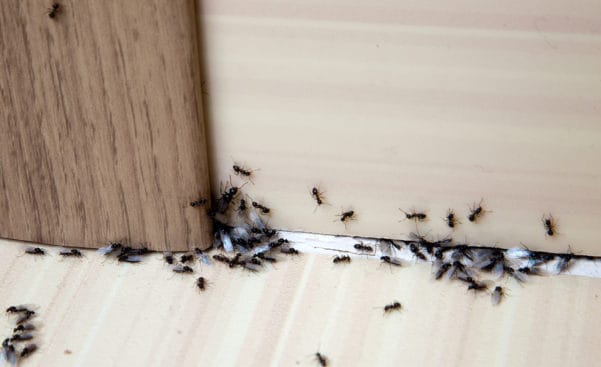
Image Source: www.callnorthwest.com
Fathoming the Invasion: Why Your Kitchen is a Magnet for Ants
Your kitchen, with its abundance of food scraps, moisture, and warmth, is often an ant’s paradise. These tiny creatures are constantly searching for resources to sustain their colony. When they discover a reliable source, they leave behind a chemical trail, called a pheromone trail, that guides other ants to the bounty. This is why you often see a steady stream of ants marching in a line – these are the ant trails leading directly to the source.
The Allure of Kitchen Ants
Kitchen ants, also known as house ants or common ants, are drawn to specific elements found in most kitchens:
-
Food Sources for Ants: This is the primary driver. Ants are attracted to a wide range of items, especially:
- Sugary Foods: Anything with sugar, honey, syrup, fruit juice, or even crumbs from cookies and pastries. This is why you’ll often hear about sugar ants in relation to kitchen infestations.
- Greasy Foods: Leftover cooking grease, oil spills, or crumbs from fried foods are highly appealing.
- Proteins: Pet food left out, dead insects, or even small spills of meat juices can be attractive.
- Moisture: Ants need water. Leaky faucets, condensation on pipes, damp sponges, or spills that aren’t wiped up can be a draw.
-
Warmth and Shelter: Kitchens are generally warm and offer protection from the elements, making them an ideal nesting environment or foraging area for ants.
Where Do Ants Come From? Uncovering Their Entry Points
Ants don’t just magically appear. They are skilled at finding even the smallest openings to gain access to your home. Deciphering where do ants come from is a crucial step in tackling an ant infestation.
- Cracks and Crevices: Tiny gaps in walls, around windows and doors, or where pipes and wires enter your home are common entry points.
- Vents and Utility Lines: Ants can travel through plumbing, electrical conduits, and ventilation systems.
- Openings in Foundations: Cracks or holes in your home’s foundation can allow ants to enter.
- Plants and Landscaping: Ants can enter through branches of trees or shrubs that touch your house or through plants brought inside.
Tracing the Trails: Identifying the Source of the Ant Problem
Once you notice ants in your kitchen, the next step is to trace their movements to pinpoint the entry point and the primary food source.
Following the Ant Trails
Locating ant trails is key to understanding the flow of the infestation.
- Observe Closely: Watch the ants. Where are they coming from, and where are they going?
- Look for Patterns: Ants often follow the shortest path between their nest and a food source. You’ll likely see them moving along baseboards, countertops, or cabinet edges.
- Morning and Evening Observation: Ants are often more active in the morning and late afternoon.
Pinpointing the Nest
While you might see ants in your kitchen, their nest could be located outside your home or within the walls.
- Outdoor Nests: Many common ant species nest in the soil, under rocks, in rotting wood, or in ant mounds in your yard. These colonies can be very large.
- Indoor Nests: Some species, like carpenter ants or pharaoh ants, can establish nests inside your home. Look for them in damp areas, behind walls, under floorboards, or in electrical fixtures.
Common Kitchen Pests: Knowing Your Ant Antagonist
Several types of ants are commonly found in kitchens, and knowing which one you’re dealing with can help with ant control.
Identifying Common Kitchen Ants
- Sugar Ants: These are typically small, often light brown or black ants that are strongly attracted to sweet substances. They are very common in kitchens.
- Pavement Ants: These are dark brown to black ants, about 1/8 inch long, and are often found nesting in pavement cracks, but will readily forage for food indoors.
- Odorous House Ants: These ants are also small and dark brown. They get their name from the unpleasant smell (often described as rotten coconut or garbage) they emit when crushed.
- Carpenter Ants: These are larger ants, often black or reddish-black, and are known for nesting in moist or decaying wood. While they don’t eat wood, they excavate tunnels to create nests, which can cause structural damage. They are attracted to sweets and proteins.
- Pharaoh Ants: These are very small, pale yellow to reddish-brown ants. They are notorious for nesting in hard-to-reach places within the home, such as wall voids, behind baseboards, and even in electrical outlets. They are attracted to a wide variety of foods.
Table 1: Common Kitchen Ant Species and Their Preferences
| Ant Species | Size (approx.) | Color | Preferred Food Sources | Nesting Habits |
|---|---|---|---|---|
| Sugar Ants | Small | Light brown | Sweets, crumbs, sugary drinks | Outdoors in soil or under rocks; can form small satellite nests indoors. |
| Pavement Ants | 1/8 inch | Dark brown/black | Sweets, grease, insects, pet food | Outdoors in pavement cracks, soil, under stones; will forage and nest indoors. |
| Odorous House Ants | Small | Dark brown | Sweets, grease, proteins, decaying insects | Outdoors in soil, under rocks, rotting wood; commonly nest indoors in wall voids. |
| Carpenter Ants | 1/4 – 1/2 inch | Black/Reddish-black | Sweets, proteins, insects, honeydew | Primarily nest in moist or decaying wood; can create galleries within structures. |
| Pharaoh Ants | Tiny (1/16 inch) | Pale yellow/reddish-brown | Sweets, proteins, fats, all types of food, water | Indoors in wall voids, behind baseboards, under floorboards, in insulation, outlets. |
Implementing Ant Control: Strategies for Elimination
Once you’ve identified the ants and their entry points, you can begin to implement ant control measures. The goal is to eliminate the current problem and prevent future infestations.
Immediate Actions to Get Rid of Ants
To effectively get rid of ants, a multi-pronged approach is usually best.
-
Cleanliness is Paramount:
- Wipe Up Spills Immediately: Don’t let sugary drinks, grease, or food crumbs linger.
- Seal Food Containers: Store all food, especially sweets and cereals, in airtight containers.
- Regularly Sweep and Mop: Keep floors clean to remove any fallen crumbs.
- Empty Trash Cans Daily: Use bins with tight-fitting lids and clean them regularly.
- Clean Pet Food Bowls: Don’t leave pet food out overnight.
-
Eliminate Water Sources:
- Fix Leaky Faucets and Pipes: Address any sources of standing water.
- Dry Sinks and Countertops: Don’t leave wet sponges or cloths lying around.
-
Target the Trails:
- Wipe Down Ant Trails: Use soapy water or a vinegar solution to wipe down ant trails. This removes the pheromone scent that other ants follow.
Ant Control Methods
Several methods can be used to eliminate ants.
-
Ant Baits:
- How They Work: Ant baits contain a slow-acting poison mixed with an attractant (usually sweet). Worker ants eat the bait and carry it back to the colony, where it’s shared, eventually killing the queen and the colony.
- Placement: Place baits along known ant trails and near entry points. Avoid spraying insecticides near baits, as this can deter ants from taking the bait.
- Types: Gel baits, liquid baits, and bait stations are available.
-
Insecticidal Sprays (Use with Caution):
- Targeted Application: Sprays can be effective for direct killing of ants you see, but they often don’t address the colony. If used, apply them directly to ants and along entry points.
- Avoid Broad Application: Spraying indiscriminately can scatter ants and make the problem harder to control.
-
Natural and DIY Solutions:
- Vinegar Solution: A 50/50 mixture of white vinegar and water can disrupt pheromone trails and kill ants on contact.
- Soapy Water: Simple dish soap mixed with water can also kill ants and wash away their scent trails.
- Diatomaceous Earth (Food Grade): This natural powder, when sprinkled in dry areas where ants travel, can dehydrate and kill them. Ensure it’s food-grade and keep it away from pets and children.
- Essential Oils: Peppermint, tea tree, or citrus oils can act as natural repellents.
Professional Ant Control
For severe or persistent ant infestations, professional pest control services may be necessary. They have access to more potent treatments and expertise in identifying and eradicating ant colonies.
Ant Prevention: Keeping Them Out for Good
Effective ant prevention is key to avoiding future kitchen invasions.
Sealing Entry Points
- Caulk and Seal: Inspect your home’s exterior and interior for cracks and holes. Seal them with caulk or other appropriate materials.
- Check Window and Door Seals: Ensure screens are intact and weather stripping around doors and windows is in good condition.
Maintaining a Clean Kitchen
- Consistent Cleaning Routine: Stick to the cleaning practices mentioned earlier – wipe spills, store food properly, and keep surfaces clean.
- Regular Deep Cleans: Periodically clean out cabinets and pantry shelves to catch any hidden spills or food particles.
Landscaping and Exterior Maintenance
- Trim Vegetation: Keep tree branches and shrubs trimmed so they don’t touch your house, providing a bridge for ants.
- Remove Debris: Clear away leaf litter, woodpiles, and other debris near your home’s foundation, as these can harbor ant nests.
- Manage Moisture: Ensure good drainage around your foundation to avoid creating inviting damp environments for ants.
Frequently Asked Questions About Kitchen Ants
Here are some common questions people have when dealing with ants in their kitchens:
-
Q: What attracts ants to my kitchen?
- A: Ants are primarily attracted to food sources for ants, such as sugar, crumbs, grease, and moisture. Your kitchen is often a rich source of these.
-
Q: How can I tell where the ants are coming from?
- A: Follow the ant trails. They are lines of ants moving from an entry point to a food or water source. Look for small cracks, gaps, or openings where they might be entering.
-
Q: Are sugar ants dangerous?
- A: While sugar ants are a nuisance and can contaminate food, they are generally not dangerous in terms of biting or stinging, unlike some other ant species. Their main concern is hygiene.
-
Q: How long does it take to get rid of an ant infestation?
- A: Depending on the size of the colony and the methods used, it can take anywhere from a few days to a few weeks to completely eliminate an ant infestation. Consistent ant control and ant prevention are crucial.
-
Q: Can ants nest inside my walls?
- A: Yes, some ant species, like pharaoh ants and carpenter ants, can nest inside wall voids, behind baseboards, or in other sheltered indoor locations.
-
Q: What is the best way to prevent ants from returning?
- A: The best ant prevention involves maintaining strict cleanliness, sealing entry points, eliminating moisture sources, and regularly inspecting your home for any signs of activity.
-
Q: Are there natural ways to get rid of ants?
- A: Yes, natural methods include using vinegar solutions, soapy water, diatomaceous earth, and certain essential oils to disrupt trails and kill ants.
By following this comprehensive guide, you can effectively tackle the issue of kitchen ants, understand where do ants come from, and implement robust ant prevention strategies to keep your kitchen pest-free.