
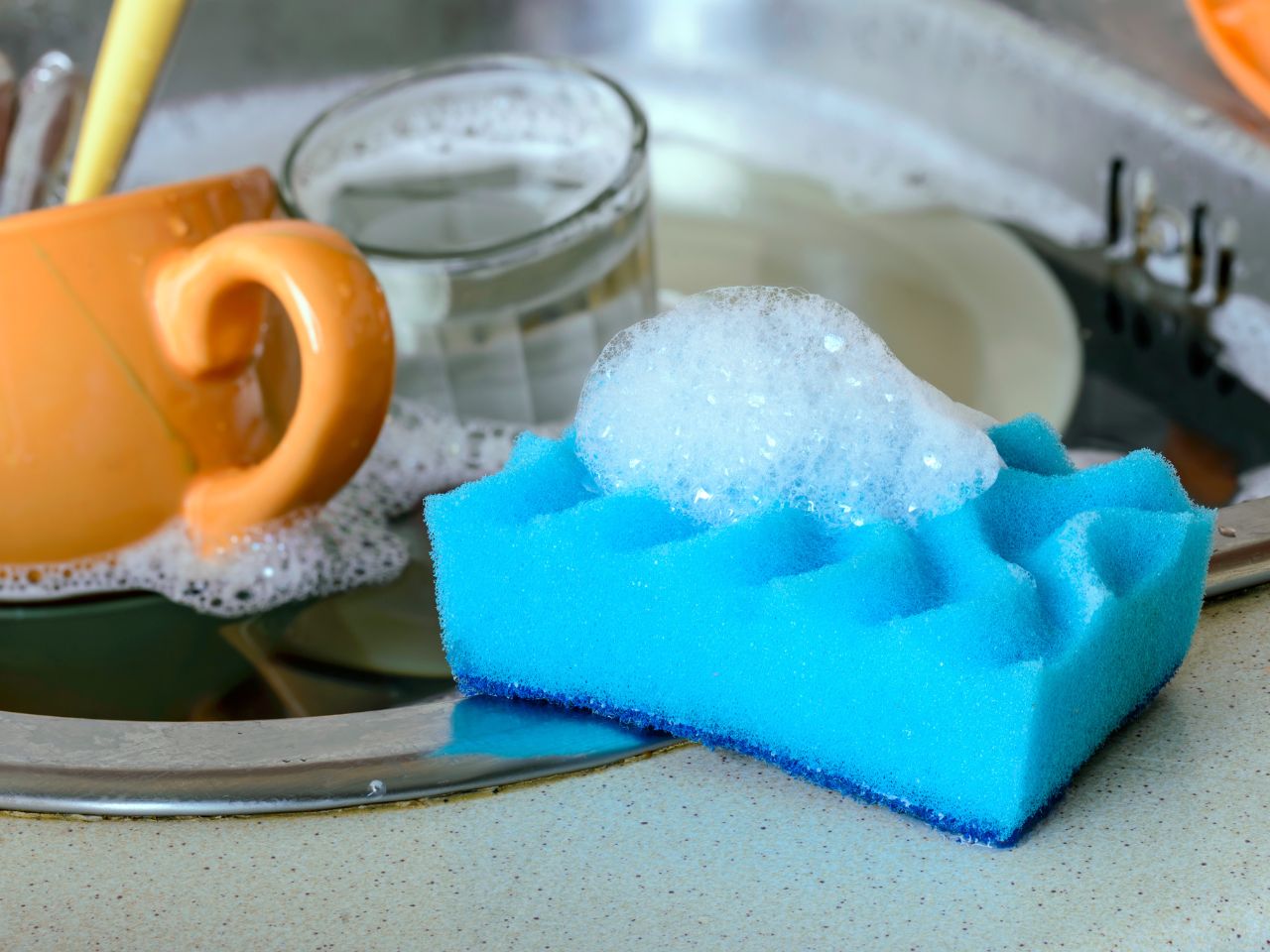
Image Source: onbetterliving.com
Solve Kitchen Sponge Odors: Why Does My Kitchen Sponge Smell?
Does your kitchen sponge emit an unpleasant odor, even after you’ve just used it? The primary reason your kitchen sponge smells is the rapid proliferation of bacteria and other microorganisms that thrive in its moist, porous environment, feeding on food particles and grease.
The kitchen sponge is a culinary paradox: an indispensable tool for cleaning, yet a prime breeding ground for unwanted guests. That persistent, often pungent smell emanating from your sponge isn’t just a nuisance; it’s a clear indicator of a microbial ecosystem flourishing within its fibers. But why exactly does this happens, and what can you do about it? Let’s delve into the common kitchen sponge odor causes and explore effective solutions.
Fathoming the Fermenting Fibers: What Makes Sponges Smell?
The humble kitchen sponge, designed to absorb and scrub, inadvertently creates the perfect habitat for a diverse range of bacteria, fungi, and yeasts. These microscopic organisms are ubiquitous in our environment, and the kitchen, with its constant supply of food residues, is no exception.
Smelly Kitchen Sponge Bacteria: The Culprits Behind the Cues
Several types of bacteria are commonly found in kitchen sponges, turning them into tiny petri dishes of unpleasantness. Among the most prevalent are:
- Escherichia coli (E. coli): Often associated with raw meat and poultry, E. coli can easily transfer from food preparation surfaces to your sponge.
- Salmonella: Similar to E. coli, Salmonella is a common foodborne bacterium that can contaminate sponges.
- Staphylococcus aureus (Staph): This bacterium is commonly found on human skin and can be transferred to sponges through handling.
- Pseudomonas: These bacteria are found in soil and water and can contribute to a damp, musty smell.
- Yeasts and Molds: In damp conditions, yeasts and molds can also colonize sponges, adding to the odor profile with their distinct, often earthy or cheesy smells.
These microorganisms feast on the leftover food particles, grease, and soap residue trapped within the sponge’s absorbent structure. As they multiply, they break down these organic materials, releasing volatile organic compounds (VOCs) – the very compounds responsible for that foul, often sour or rotten smell.
The Life Cycle of a Smelly Sponge: From Clean to Contaminated
The journey of a kitchen sponge from a fresh, odor-free state to a pungent, bacterial haven is a swift one.
Initial Use: A new sponge is relatively sterile and efficient at cleaning.
Accumulation Phase: After each use, microscopic food particles, grease, and moisture get trapped within the sponge’s pores. This provides a nutrient-rich environment.
Microbial Bloom: Bacteria and other microbes present in the kitchen environment begin to colonize the sponge. They multiply rapidly, feeding on the trapped food.
Odor Generation: As the microbes metabolize the food particles, they release waste products, including sulfur compounds and other VOCs, which are the source of the unpleasant smell.
Saturation: The longer a sponge remains damp and uncleaned, the more saturated it becomes with bacteria and their byproducts. This leads to a more intense and persistent odor.
How to Get Rid of Sponge Smell: Reclaiming Your Cleaning Tool
Fortunately, you don’t have to resign yourself to a perpetually smelly sponge. Several methods can effectively combat these odors and restore a sense of freshness.
Effective Odor Elimination Strategies
- Microwaving: This is a quick and effective method. Disinfecting kitchen sponges by microwaving can kill a significant percentage of bacteria.
- How to: Thoroughly wet the sponge. Place it in the microwave and heat on high power for 1-2 minutes. Use tongs to carefully remove the hot sponge, as it will be extremely hot. Allow it to cool completely before handling. Caution: Do not microwave dry sponges, as they can catch fire.
- Boiling: A simple yet powerful way to sterilize and deodorize.
- How to: Bring a pot of water to a rolling boil. Submerge the sponge in the boiling water for at least 5 minutes. Use tongs to remove and let it cool.
- Vinegar Soak: White vinegar is a natural disinfectant and deodorizer.
- How to: Mix equal parts white vinegar and water in a bowl. Soak the sponge in this solution for at least 5 minutes, or ideally for a few hours or overnight. Rinse thoroughly afterward.
- Baking Soda Paste: Baking soda is excellent at absorbing odors.
- How to: Make a paste of baking soda and water. Apply it to the sponge, let it sit for a few minutes, then scrub and rinse well.
- Dishwasher Cycle: If your dishwasher has a sanitize cycle, it can also help.
- How to: Place the sponge in the top rack of your dishwasher during a regular wash cycle, preferably with a heated dry option or a sanitize cycle.
The Best Way to Clean Kitchen Sponge: A Multi-pronged Approach
While the methods above are great for immediate odor removal, consistent cleaning is key to maintaining kitchen sponge hygiene.
Daily and Weekly Cleaning Regimens
- Rinse and Squeeze Thoroughly After Each Use: This is the most crucial daily habit. Squeeze out as much water and food debris as possible.
- Let it Dry Completely: Store your sponge in a well-ventilated area. Avoid leaving it in a damp sink. A sponge holder or a clean, dry surface is ideal.
- Weekly Deep Clean: Implement one of the odor elimination methods described above (microwaving, boiling, or vinegar soak) at least once a week.
Kitchen Sponge Hygiene: More Than Just Freshness
Maintaining good kitchen sponge hygiene goes beyond just eliminating smells. It’s about preventing the spread of harmful bacteria that can contaminate your kitchen surfaces and potentially cause foodborne illnesses. A consistently clean sponge is a safer sponge.
Best Practices for a Sanitary Sponge
- Separate Sponges: Consider having different sponges for different tasks, such as one for dishes and another for countertops. This minimizes cross-contamination.
- Avoid Soaking in Sink Water: Don’t leave your sponge sitting in dirty dishwater.
- Regular Replacement: Even with diligent cleaning, sponges have a limited lifespan.
Kitchen Sponge Replacement Frequency: When Enough is Enough
This is a critical aspect of kitchen sponge sanitation. Sponges are porous and can harbor bacteria even after cleaning.
Signs it’s Time for a New Sponge
- Persistent Odor: If the smell returns quickly after cleaning, it’s a strong indicator.
- Tear and Wear: If the sponge is falling apart, has developed tears, or lost its scrubbing power, it’s time for a replacement.
- Color Changes or Discoloration: While not always a sign of bacteria, significant discoloration can mean deep-seated contamination.
- Every 1-2 Weeks: As a general rule, many experts recommend replacing kitchen sponges every one to two weeks, regardless of their appearance or smell, to ensure optimal hygiene.
Preventing Kitchen Sponge Smell: Proactive Measures
The best defense against a smelly sponge is prevention. By adopting a few simple habits, you can significantly reduce the chances of your sponge developing an odor in the first place.
Strategies for Odor Prevention
- Squeeze Dry: After every use, squeeze out all excess water.
- Ventilate: Store your sponge in a way that allows it to air dry completely between uses. A sponge caddy that allows air circulation is ideal.
- Sunlight Exposure: If possible, leave your sponge to dry in direct sunlight for a few hours periodically. UV rays can help kill bacteria.
- Use Hot Water: When washing dishes, use hot water, as this can help kill some bacteria on contact.
- Rinse with Disinfectant: Occasionally, rinse your sponge with a diluted bleach solution (1 tablespoon bleach per gallon of water) or a vinegar solution, followed by a thorough rinse.
Disinfecting Kitchen Sponges: A Deeper Dive
Disinfecting kitchen sponges regularly is key to controlling microbial growth.
Advanced Disinfection Techniques
- Bleach Solution: A diluted bleach solution is highly effective against bacteria and viruses.
- Ratio: 1 part bleach to 9 parts water is a common recommendation.
- Method: Submerge the sponge, let it soak for at least 5 minutes, then rinse thoroughly.
- Frequency: Once a week or as needed.
- Hydrogen Peroxide: Another effective disinfectant, though perhaps less commonly used for sponges.
- Method: Soak the sponge in a 3% hydrogen peroxide solution for at least 5 minutes. Rinse well.
Kitchen Sponge Mold: The Visible Sign of Trouble
Kitchen sponge mold is a more visible and often more concerning problem than just an unpleasant odor. Mold spores are always present in the air, and given the right conditions – moisture and organic matter – they can grow on your sponge.
Identifying and Addressing Mold
- Visual Cues: Look for fuzzy or slimy patches of green, black, white, or pink on the sponge.
- Smell: Mold often has a distinct musty or damp smell, different from the sour smell of bacteria.
- Action: If you see mold, it’s best to discard the sponge immediately and replace it with a new one. While some disinfection methods might kill visible mold, it’s difficult to ensure all the microscopic hyphae (root-like structures) are eliminated, and the spores may remain.
Kitchen Sponge Sanitation: The Ultimate Goal
Kitchen sponge sanitation is the overarching aim to keep your cleaning tools safe and effective. It’s a combination of regular cleaning, disinfection, and timely replacement.
Creating a Sanitation Routine
- Daily: Rinse, squeeze, and air dry.
- Weekly: Deep clean via microwaving, boiling, or vinegar soak.
- Bi-Weekly: Replace the sponge.
Alternative Cleaning Tools: Beyond the Sponge
If you find yourself constantly battling smelly sponges, or are concerned about their hygiene, consider alternative cleaning tools:
- Silicone Scrubbers: These are non-porous, easy to clean, and dry quickly, making them less hospitable to bacteria. They are often dishwasher safe.
- Microfiber Cloths: While not ideal for heavy scrubbing, microfiber cloths are excellent for wiping surfaces and can be washed and dried thoroughly.
- Dish Brushes with Natural Bristles: These can be hung to dry and are generally more durable than sponges.
Frequently Asked Questions (FAQ)
Q1: Can I reuse a sponge after it smells bad?
A: While you can try to clean and disinfect a smelly sponge, if the odor persists or is very strong, it’s generally best to replace it. A persistent smell often indicates a deep-seated bacterial issue that’s hard to fully eradicate.
Q2: How often should I replace my kitchen sponge?
A: Most experts recommend replacing your kitchen sponge every 1 to 2 weeks. This is a good general guideline for maintaining hygiene, even if the sponge looks clean.
Q3: Is microwaving a sponge safe?
A: Yes, microwaving a wet sponge for 1-2 minutes on high heat is a safe and effective way to disinfect it. Never microwave a dry sponge, as it can be a fire hazard. Always use tongs to remove it as it will be very hot.
Q4: Can I put sponges in the dishwasher?
A: Yes, you can put sponges in the dishwasher. Using a hot water cycle with a heated drying setting or a sanitize cycle can help clean and disinfect them. Place them on the top rack.
Q5: What’s the difference between cleaning and disinfecting a sponge?
A: Cleaning removes visible dirt and debris. Disinfecting kills or inactivates most harmful microorganisms. Both are important for a clean and safe sponge.
Q6: My sponge has black spots, is that mold?
A: Black spots on a sponge can sometimes be mold, but they can also be residue from certain foods or types of grime. If you suspect mold, it’s safest to discard the sponge. If it’s just stubborn food residue, vigorous cleaning might help.
Q7: Are there natural ways to disinfect sponges?
A: Yes, soaking sponges in a solution of equal parts white vinegar and water or using a baking soda paste can help clean and deodorize them. Boiling is also a natural and effective disinfection method.
By following these guidelines, you can bid farewell to smelly sponges and ensure your kitchen remains a clean and healthy environment. Remember, a clean sponge is a small but vital part of good kitchen hygiene.