
Kitchen safety is important today because it protects people from common dangers like fires, food poisoning, and injuries. A safe kitchen prevents accidents and ensures everyone can cook and eat without getting hurt or sick.
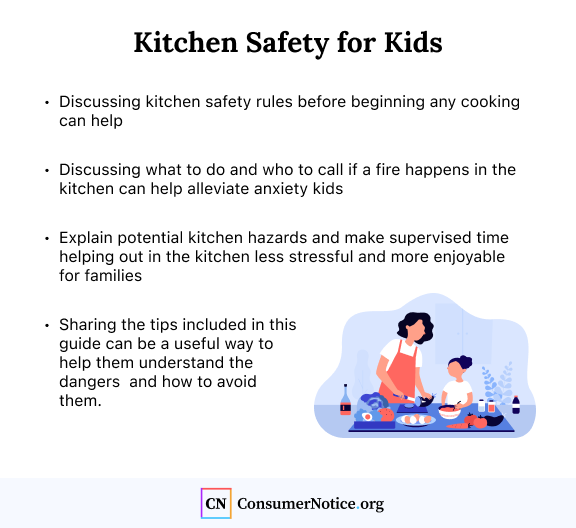
Image Source: www.consumernotice.org
The Heart of the Home: A Space for Safety
The kitchen is often called the heart of the home. It’s where we gather to share meals, talk, and create memories. But it’s also a place where serious accidents can happen if we’re not careful. From the moment you step inside, every action you take, from washing your hands to using a sharp knife or a hot stove, has the potential to be safe or unsafe. Prioritizing kitchen safety isn’t just about following rules; it’s about safeguarding the well-being of everyone who uses the space. In our busy lives today, where time can be scarce, it’s even more crucial to have a solid foundation of safety knowledge.
Fire Prevention: Keeping Flames in Their Place
What is fire prevention in the kitchen? Fire prevention is taking steps to stop fires from starting in the kitchen. This involves being mindful of heat sources, flammable materials, and electrical appliances.
Fires can start in a kitchen very quickly. A forgotten pot on the stove, a greasy buildup, or a frayed electrical cord can all become a serious problem.
Common Kitchen Fire Hazards:
- Grease Fires: Cooking oil or fat that gets too hot can ignite. This is a major cause of kitchen fires.
- Flammable Materials: Paper towels, dish towels, oven mitts, and food packaging are often kept near stoves or other heat sources, making them easy to catch fire.
- Unattended Cooking: Leaving cooking food unattended is a leading cause of kitchen fires. Distractions can easily lead to a small problem becoming a big one.
- Electrical Malfunctions: Faulty appliances or overloaded outlets can spark and start fires.
Strategies for Fire Prevention:
- Stay in the Kitchen: Never leave cooking food unattended, especially when frying, grilling, or broiling. If you must leave the room, turn off the stove.
- Keep Combustibles Away: Keep towels, curtains, paper, and other flammable items away from the stovetop and other heat-producing appliances.
- Clean Regularly: Clean grease and food debris from stovetops, ovens, and exhaust fans. A buildup of grease is very flammable.
- Handle Hot Oil Carefully: Heat oil slowly and never fill a pan more than one-third full. If oil starts to smoke, turn off the heat immediately and let it cool.
- Know How to Put Out a Grease Fire: If a grease fire starts, do not use water. Turn off the heat source. Smother the flames by sliding a lid over the pan. If it’s small, you can also use baking soda or a Class K (kitchen) fire extinguisher.
Foodborne Illness Prevention: Protecting Against Hidden Dangers
What is foodborne illness prevention? It is the practice of stopping harmful bacteria and viruses from contaminating food and making people sick. This involves good hygiene and proper food handling.
We often hear about outbreaks of foodborne illnesses. These illnesses can range from mild discomfort to severe, life-threatening conditions. Preventing them is a core part of kitchen safety.
Key Pillars of Foodborne Illness Prevention:
- Hygiene Practices: This is the absolute foundation. Washing hands thoroughly with soap and warm water before, during, and after preparing food is non-negotiable. It also includes cleaning and sanitizing all surfaces, utensils, and equipment that come into contact with food.
- Proper Cooking Temperatures: Ensuring that foods, especially meat, poultry, and eggs, are cooked to the correct internal temperatures kills harmful bacteria. Using a food thermometer is essential for this.
- Safe Storage: Refrigerating perishable foods promptly at the correct temperature (below 40°F or 4°C) and freezing foods at 0°F (-18°C) slows or stops the growth of bacteria. Avoiding the “danger zone” (40°F to 140°F or 4°C to 60°C) where bacteria multiply rapidly is critical.
- Preventing Cross-Contamination: This means keeping raw foods separate from cooked or ready-to-eat foods. Using different cutting boards and utensils for raw meats and produce, and washing them thoroughly between uses, is vital.
Simple Steps for Safe Food Handling:
- Wash hands frequently.
- Clean all surfaces and utensils after each use.
- Cook food thoroughly.
- Chill food quickly.
- Separate raw meats from other foods.
Accident Prevention: Avoiding Common Kitchen Mishaps
What is accident prevention in the kitchen? It’s about recognizing potential hazards and taking steps to avoid injuries from slips, cuts, falls, and burns.
Kitchens are busy places. People are often moving quickly, sometimes multitasking, which can lead to accidents if safety measures are not in place.
Common Kitchen Accident Hazards and How to Prevent Them:
- Slip Prevention:
- Cause: Spills of water, oil, or food on the floor.
- Prevention: Clean up spills immediately. Wear slip-resistant footwear when cooking. Keep the floor dry and free of clutter. Ensure rugs and mats are secured and not a tripping hazard.
- Cut Prevention:
- Cause: Improper use of knives, broken glass, or sharp edges on appliances.
- Prevention: Always cut away from yourself. Use a stable cutting board. Keep knives sharp – dull knives require more force and are more likely to slip. Store knives safely. Be careful when handling broken dishes or glassware.
- Burn Prevention:
- Cause: Contact with hot surfaces, steam, or boiling liquids.
- Prevention: Use oven mitts or pot holders for handling hot items. Turn pot handles inward so they don’t hang over the edge of the stove. Be cautious when opening lids of hot pots and pans to avoid steam burns. Never carry hot liquids when you are trying to do other things.
Appliance Safety: Using Tools Wisely
What is appliance safety? It refers to the safe operation and maintenance of kitchen appliances to prevent electrical hazards, fires, and injuries.
Modern kitchens are filled with appliances designed to make our lives easier. However, these machines can also pose risks if not used correctly.
Key Appliance Safety Guidelines:
- Read the Manual: Always read and follow the manufacturer’s instructions for any appliance.
- Regular Maintenance: Keep appliances clean and in good working order. Check cords for damage and replace them if they are frayed or worn.
- Proper Usage: Do not use appliances for purposes they were not designed for. For example, never use a toaster for anything other than toast.
- Unplug When Not in Use: Unplug appliances when cleaning them or when they are not in use for extended periods.
- Overloading: Avoid overloading electrical outlets or extension cords.
Specific Appliance Safety Tips:
- Microwave Ovens:
- Only use microwave-safe containers.
- Never operate an empty microwave.
- Be careful of superheated liquids, which can erupt when disturbed.
- Toasters and Toaster Ovens:
- Never put metal objects into a toaster.
- Clean crumb trays regularly.
- Blenders and Food Processors:
- Ensure the lid is securely in place before operating.
- Keep hands and utensils away from the blades while the appliance is running.
- Deep Fryers:
- Never leave unattended.
- Do not overfill with oil.
- Be extremely cautious with hot oil.
Electrical Safety: Avoiding Shock and Fire
What is electrical safety? It involves preventing electric shocks and fires caused by faulty wiring, overloaded circuits, or improper use of electrical appliances.
Electricity powers our kitchens, but it can be dangerous if mishandled. Water and electricity are a particularly hazardous combination.
Electrical Hazards in the Kitchen:
- Frayed or Damaged Cords: These can cause shocks or short circuits, leading to fires.
- Overloaded Outlets: Plugging too many appliances into one outlet can cause overheating and fires.
- Water Near Appliances: Water can conduct electricity, creating a serious shock risk.
- Faulty Appliances: Appliances with internal wiring problems can be dangerous.
Ensuring Electrical Safety:
- Inspect Cords: Regularly check all appliance cords for nicks, frays, or other damage.
- Use GFCI Outlets: Ground Fault Circuit Interrupter (GFCI) outlets are designed to shut off power quickly if they detect an imbalance in the electrical current, preventing shocks. They are especially important in areas where water is present, like near sinks.
- Avoid Overloading: Use power strips with surge protectors and avoid plugging too many high-wattage appliances into a single circuit.
- Keep Appliances Dry: Keep all electrical appliances and their cords away from water.
- Unplug Safely: Never pull on the cord to unplug an appliance; pull the plug itself.
Chemical Safety: Storing and Using Cleaning Products Responsibly
What is chemical safety in the kitchen? It means safely storing and using cleaning agents and other chemicals to prevent accidental poisoning or injury.
We use various cleaning products to keep our kitchens sparkling. However, many of these contain harsh chemicals that can be harmful if not used correctly.
Chemical Hazards and Precautions:
- Read Labels: Always read and follow the instructions and warnings on cleaning product labels.
- Proper Storage: Store chemicals in their original containers, away from food and out of reach of children and pets. Never store them near heat sources.
- Ventilation: Ensure good ventilation when using cleaning products, especially those with strong fumes, by opening windows or using exhaust fans.
- Mixing Chemicals: Never mix different cleaning products, especially bleach and ammonia, as this can create toxic gases.
- Protective Gear: Consider wearing gloves and eye protection when handling strong cleaning chemicals.
Why Kitchen Safety Matters Today More Than Ever
The demands of modern life often mean kitchens are busier than ever. Juggling work, family, and social commitments can lead to rushing and a lapse in concentration. This is precisely why robust kitchen safety practices are paramount.
- Increased Appliance Usage: We have more appliances than ever, each with its own set of safety considerations.
- Time Constraints: The pressure to cook quickly can lead to shortcuts that compromise safety, such as leaving cooking unattended or not cleaning spills promptly.
- Multitasking Culture: The modern tendency to multitask in the kitchen—talking on the phone, supervising homework, or watching TV while cooking—significantly increases the risk of accidents.
- Diverse Household Members: Kitchens are used by people of all ages and abilities. Ensuring safety for everyone, including children and the elderly, is crucial.
- Awareness of Health Risks: With a greater emphasis on public health, preventing foodborne illness is a significant concern for individuals and communities.
Creating a Culture of Safety
Building a safe kitchen is a continuous effort. It involves:
- Education: Regularly educating everyone who uses the kitchen about safety practices.
- Awareness: Being constantly aware of potential hazards.
- Proactive Measures: Taking steps to prevent accidents before they happen.
- Responsibility: Encouraging a sense of personal responsibility for safety.
A safe kitchen is a happy kitchen, a healthy kitchen, and a kitchen where delicious meals and cherished memories can be made without fear of harm. By making kitchen safety a priority, we protect ourselves and our loved ones, ensuring this vital space remains a source of nourishment and joy.
Frequently Asked Questions (FAQ)
Q1: What is the most common cause of kitchen fires?
A1: The most common cause of kitchen fires is unattended cooking.
Q2: How can I prevent cross-contamination in my kitchen?
A2: Prevent cross-contamination by using separate cutting boards and utensils for raw meats and produce, washing them thoroughly between uses, and washing your hands frequently.
Q3: Is it safe to use a damp dishcloth on a hot pan handle?
A3: No, it is not safe. A damp dishcloth can create steam, which can cause burns. Always use dry oven mitts or pot holders.
Q4: What should I do if my clothing catches fire?
A4: Stop, Drop, and Roll. Stop what you are doing, drop to the ground, and roll over to smother the flames.
Q5: Why is it important to clean refrigerator coils?
A5: Cleaning refrigerator coils helps the appliance run more efficiently and can prevent overheating, which could pose a fire hazard.
Q6: Can I use baking soda to put out a small stovetop fire?
A6: Yes, for small stovetop fires, especially grease fires, a generous amount of baking soda can help smother the flames. However, a lid or a Class K fire extinguisher is generally more effective. Never use water on a grease fire.
Q7: What is the “danger zone” for food?
A7: The “danger zone” for food is the temperature range between 40°F (4°C) and 140°F (60°C), where bacteria multiply rapidly. Perishable foods should not be left in this temperature range for more than two hours.