
Is your kitchen faucet dripping? You’re not alone. A dripping kitchen faucet is one of the most common household annoyances and a sign of a plumbing leak. This persistent drip can waste a surprising amount of water, drive up your utility bills, and even lead to more serious damage if left unaddressed. The good news is that many leaky faucet fix jobs are simple DIY tasks. This guide will walk you through the common causes of a kitchen sink leak and provide straightforward solutions to get your faucet working properly again.
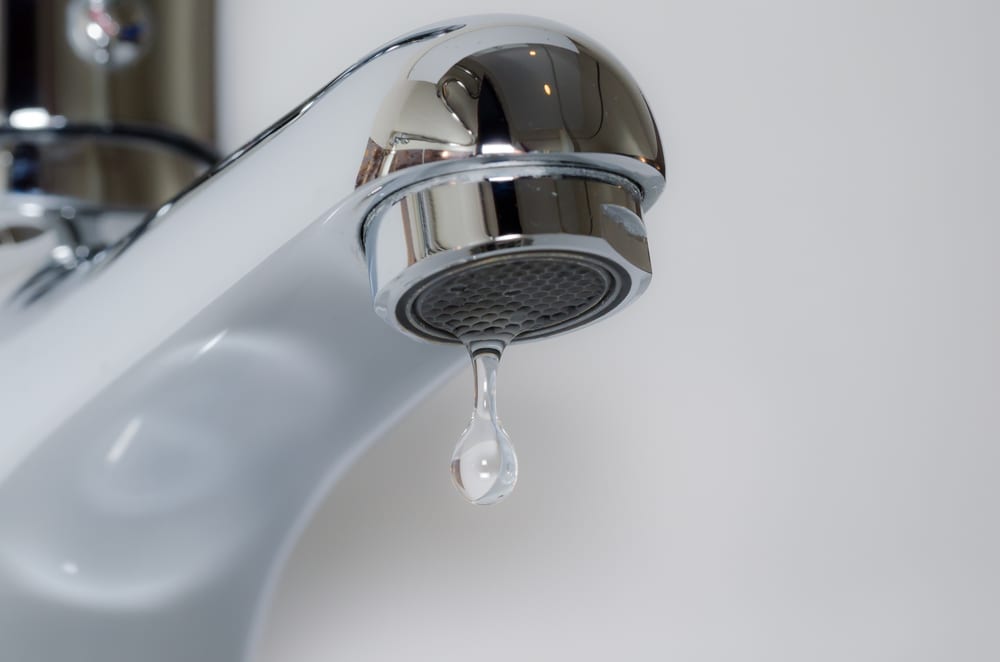
Image Source: www.wmhendersoninc.com
Deciphering the Dripping Faucet: Common Causes
Before you can fix a leaky spout, it’s helpful to know why it’s happening. Most faucet leaks stem from worn-out internal parts. Think of your faucet as having many small components, and when one of these wears down, water can find a way out. Even a bathroom faucet leak often shares similar root causes with kitchen faucets.
1. Worn-Out Washers
This is arguably the most frequent culprit behind a dripping kitchen faucet. Washers are small rubber or nylon rings that create a seal inside the faucet to stop water flow. Over time, the constant friction from turning the handle can cause these washers to harden, crack, or wear thin. When this happens, they can no longer form a tight seal, allowing water to seep through and create that annoying drip.
2. Damaged O-Rings
O-rings are another type of seal, often found around the base of the faucet stem or spout. They are small, rubber rings that fit into grooves. Like washers, O-rings can deteriorate over time due to wear and tear, or exposure to minerals in the water. A damaged O-ring can lead to leaks around the handle or the base of the spout.
3. Corroded Valve Seat
The valve seat is the part of the faucet that the washer presses against to stop the water. It’s typically made of brass. Over time, mineral deposits from hard water can build up on the valve seat, causing it to corrode. This rough surface prevents the washer from creating a perfect seal, leading to leaks.
4. Faulty Cartridge (For Cartridge Faucets)
Many modern faucets, especially single-handle ones, use a cartridge system. The cartridge is a self-contained unit that controls the flow and temperature of water. If the O-rings within the cartridge wear out, or if the cartridge itself is damaged, it can cause leaks, often around the handle.
5. Loose Parts
Sometimes, the issue is much simpler: a part has simply become loose. This could be the packing nut, the handle screw, or even the spout itself. If a component isn’t tightened properly, it can allow water to escape.
Fathoming Your Faucet Type: A Key to Repair
There are several main types of faucets, and knowing which one you have is crucial for a successful faucet repair. Each type has a different internal mechanism, meaning the leaky faucet fix will vary slightly.
Here’s a quick breakdown of common faucet types:
- Compression Faucets: These are the oldest and simplest type. They have two handles (one for hot, one for cold) that you turn to tighten down a stem and compress a washer against the valve seat. These are the most likely to leak due to worn washers or valve seats.
- Cartridge Faucets: These typically have a single handle that moves up and down for volume and side to side for temperature. They use a cartridge that contains all the necessary valve components.
- Ball Faucets: These also usually have a single handle and use a slotted metal or plastic ball inside the faucet body. This ball rotates to control water flow and temperature. They often have springs and rubber seats that can wear out.
- Ceramic Disc Faucets: These are very durable and less prone to leaks. They use two ceramic discs that slide against each other. When the handle is moved, the discs align to allow water to flow. Leaks in these are rare but can occur if the discs crack or the seals wear out.
To identify your faucet type, look at the handles and how you operate them. If you’re unsure, taking a picture of your faucet and its brand name (if visible) to a hardware store can help.
Quick Fixes for a Dripping Kitchen Faucet
Now that we’ve covered the common causes, let’s get to the good stuff: how to fix that kitchen sink leak.
Fix 1: The Faucet Washer Replacement (For Compression Faucets)
This is the most common leaky faucet fix, especially for older compression faucets.
Tools You’ll Need:
- Adjustable wrench
- Screwdriver (Phillips or flat-head, depending on your faucet handle)
- Pliers
- Replacement faucet washers (it’s good to have a variety pack)
- Plumber’s grease or silicone lubricant
- Rag or towel
Steps:
- Turn Off the Water Supply: This is the most important step! Look under the sink for the two shut-off valves (one for hot, one for cold). Turn them clockwise until they are snug. Turn on the faucet to drain any remaining water and confirm the water is off.
- Remove the Handle: You’ll usually find a decorative cap on top or front of the handle. Pry this off gently with a flat-head screwdriver. Underneath, you’ll see a screw. Unscrew it and lift the handle straight up and off the faucet stem.
- Remove the Packing Nut: With the handle off, you’ll see a hexagonal nut called the packing nut. Use an adjustable wrench to loosen and remove this nut by turning it counter-clockwise.
- Remove the Stem: Once the packing nut is off, you should be able to pull or unscrew the entire stem assembly from the faucet body. It might be a bit stiff.
- Locate and Replace the Washer: At the bottom of the stem, you’ll see a screw holding a small rubber washer in place. Unscrew this screw. The old washer will likely be brittle or damaged. Remove it and replace it with a new one of the same size. It’s a good idea to apply a small amount of plumber’s grease to the new washer.
- Inspect the Valve Seat: With the stem out, look down into the faucet body. You’ll see the valve seat. If it looks rough or corroded, you can try cleaning it with a soft cloth or a specialized valve seat dresser tool. If it’s heavily corroded, you might need to replace it. Some valve seats screw out and can be replaced; others are part of the faucet body and might require professional help if severely damaged.
- Reassemble the Faucet:
- Screw the stem back into the faucet body.
- Tighten the packing nut with the wrench. Don’t overtighten.
- Place the handle back on the stem and secure it with the screw.
- Pop the decorative cap back on.
- Turn Water Back On: Slowly turn the shut-off valves under the sink counter-clockwise. Check for leaks around the handle and spout.
Fix 2: Replacing O-Rings (For Spout and Handle Leaks)
If you have a leak around the base of the spout or the handle of your faucet, it’s likely an O-ring issue. This is common in both compression and cartridge faucets.
Tools You’ll Need:
- Adjustable wrench
- Screwdriver
- Pliers
- Replacement O-rings (you might need to take the old one to the store to match the size)
- Plumber’s grease or silicone lubricant
- Rag or towel
Steps (General for most faucet types):
- Turn Off Water Supply: Same as Fix 1, turn off the hot and cold water shut-off valves under the sink.
- Disassemble the Faucet: This will vary depending on your faucet type.
- For spout leaks: You might need to loosen a set screw at the back of the spout or unscrew a retaining ring at the base of the spout. Once loose, you can usually pull the spout straight up and off.
- For handle leaks: Follow the steps for removing the handle and stem as in Fix 1.
- Locate the O-ring(s):
- On the spout: You’ll likely find one or more O-rings around the base where it connects to the faucet body.
- On the stem: O-rings can also be found on the faucet stem assembly, often above the washer.
- Remove and Replace O-rings: Carefully pry off the old O-rings with a small flat-head screwdriver or pick. Clean the grooves where the O-rings sat. Apply a bit of plumber’s grease to the new O-rings and carefully slide them into place.
- Reassemble the Faucet: Put the faucet back together in the reverse order you took it apart. Ensure all parts are snug but not overtightened.
- Turn Water Back On: Slowly turn the water supply back on and check for leaks.
Fix 3: Replacing a Faucet Cartridge (For Cartridge Faucets)
If you have a single-handle faucet that leaks from the spout or handle, the cartridge might be the problem.
Tools You’ll Need:
- Screwdriver (Phillips or flat-head)
- Pliers or a specialized cartridge puller tool
- Replacement cartridge (ensure it’s the correct model for your faucet brand)
- Plumber’s grease or silicone lubricant
- Rag or towel
Steps:
- Turn Off the Water Supply: Locate and turn off the hot and cold water shut-off valves under the sink. Drain the faucet by opening the handle.
- Remove the Handle: Look for a decorative cap or a small set screw on the side or back of the handle. Remove the cap or screw to release the handle. It should lift off.
- Remove the Retaining Clip or Nut: There might be a plastic clip or a metal nut holding the cartridge in place. Carefully remove the clip with pliers or unscrew the nut with a wrench.
- Pull Out the Cartridge: Gently pull the old cartridge straight up and out. It might be stuck. If so, use pliers to grip it carefully and wiggle it as you pull. A cartridge puller tool is often helpful here.
- Install the New Cartridge: Apply a thin layer of plumber’s grease to the O-rings on the new cartridge. Align the new cartridge correctly (there are often notches or tabs to guide you) and push it firmly into the faucet body.
- Reassemble: Replace the retaining clip or nut. Reattach the handle and secure it with its screw or cap.
- Turn Water Back On: Slowly turn the shut-off valves back on and test the faucet for leaks.
Fix 4: Dealing with a Leaky Spout End
If your faucet is dripping specifically from the very end of the spout, it’s often a sign that the washer or the valve seat is compromised, as described in Fix 1. However, some spout ends have aerators that can become clogged with mineral deposits, which might affect water flow but usually doesn’t cause a drip.
If you suspect the spout itself is leaking from the end without the handle being turned on, it strongly points to an internal seal failure (washer or cartridge).
Troubleshooting Other Common Faucet Problems
While a dripping spout is the most common issue, other leaks can occur.
Leaks Around the Handle
This usually indicates a problem with:
- Worn O-rings: Especially around the stem or cartridge.
- Loose packing nut: On compression faucets, the nut that compresses the packing material around the stem can loosen. Tighten it slightly. If that doesn’t work, you might need to replace the packing material.
- Cracked cartridge: If you have a cartridge faucet and the leak is around the handle, the cartridge itself might have a crack or a faulty seal.
Leaks from the Base of the Faucet
This is less common but can happen if:
- Mounting nuts are loose: The nuts securing the faucet to the sink or countertop might have loosened over time. You’ll need to access these from under the sink and tighten them.
- The seal between the faucet and sink is damaged: If the putty or gasket sealing the faucet base to the sink is worn out, water can seep underneath and drip. This is a more involved repair.
Leaky Aerator
While not a “leak” in the traditional sense of dripping water, a clogged aerator can cause sputtering or reduced water flow from the spout.
Fix: Unscrew the aerator from the end of the spout. Soak it in white vinegar for a few hours or overnight to dissolve mineral deposits. Rinse it thoroughly, reassemble, and screw it back onto the spout.
Tools for Every DIY Plumber’s Kit
Having the right tools makes any faucet repair much easier and less frustrating. Here’s a basic list:
| Tool | Purpose |
|---|---|
| Adjustable Wrench | For tightening or loosening nuts of various sizes |
| Phillips Head Screwdriver | For removing handle screws |
| Flat Head Screwdriver | For prying off caps and removing some screws |
| Pliers (Needle-nose and Standard) | For gripping small parts, removing clips, and pulling components |
| Plumber’s Grease | Lubricates O-rings and washers for a better seal and easier assembly |
| Faucet Washers | Essential for compression faucet repairs |
| O-rings | Essential for many faucet types |
| Plumber’s Tape/Thread Sealant | For sealing threaded connections (not typically needed inside the faucet itself) |
| Bucket | To catch any residual water during disassembly |
| Rags/Towels | For wiping and cleaning |
| Flashlight/Headlamp | For better visibility under the sink |
| Safety Glasses | To protect your eyes from debris or spraying water |
| Valve Seat Dresser Tool | For smoothing corroded valve seats (optional but useful) |
| Cartridge Puller | For removing stubborn cartridges (optional but highly recommended for cartridge faucets) |
When to Call a Professional Plumber
While many common faucet problems are DIY-friendly, there are times when it’s best to call in a professional.
- Uncertainty about Faucet Type or Repair: If you’re not sure what type of faucet you have or which part is causing the leak, a plumber can quickly diagnose the issue.
- Stubborn Parts: If you can’t get a handle, stem, or cartridge to budge, forcing it could cause more damage. A plumber has specialized tools and experience.
- Corroded Valve Seats: If the valve seat is severely corroded and cannot be easily cleaned or replaced, a plumber might be able to reface it or advise on faucet replacement.
- Leaks from the Faucet Base: If the leak originates from the base of the faucet where it meets the sink, it might involve disassembling the entire faucet assembly and resealing it, which can be tricky.
- Multiple Leaks or Persistent Problems: If you’ve tried several fixes and the leak persists, or if you have multiple leaks in your plumbing system, it’s time to call a professional.
- Lack of Time or Tools: Sometimes, you simply don’t have the time or the right tools for the job.
Frequently Asked Questions (FAQ)
Q1: How much water does a dripping faucet waste?
A: A single drip every second can waste up to 3,000 gallons of water per year. A steady drip can waste even more!
Q2: Can I fix a leak without turning off the water?
A: While some very minor drips might allow for quick fixes without completely shutting off the water, it’s strongly recommended to turn off the supply at the shut-off valves under the sink. This prevents accidental flooding and makes the repair much safer and cleaner.
Q3: What kind of lubricant should I use for faucet repairs?
A: Use plumber’s grease or silicone-based lubricant. These are safe for use with rubber and plastic components in faucets and do not degrade over time. Avoid petroleum-based lubricants like Vaseline, as they can damage rubber parts.
Q4: My faucet is old. Is it worth fixing, or should I replace it?
A: If your faucet is very old, has significant corrosion, or if multiple parts are failing, it might be more cost-effective in the long run to replace the entire faucet. Modern faucets are often more water-efficient and durable. However, for many common issues, a simple repair is usually more economical than a full replacement.
Q5: What is a “seat washer”?
A: A seat washer, often called a faucet washer, is the small rubber disc found at the bottom of the stem in compression faucets. It’s the part that presses against the valve seat to stop the flow of water. When it wears out, it’s a primary cause of a dripping kitchen faucet.
Q6: I have a leak from my spout that’s not a drip, but a steady stream. What could it be?
A: A steady stream usually indicates a complete failure of the internal seals, such as a broken cartridge or a washer that has completely disintegrated and fallen out. This requires immediate attention, as it wastes a significant amount of water.
By addressing that dripping kitchen faucet promptly with these quick fixes, you can save water, money, and the frustration of a persistent leak. Remember to always prioritize turning off the water supply before starting any repairs.