
A slow-draining kitchen sink is a common and frustrating household problem. What is the most common reason for a slow kitchen sink drain? The most frequent culprit behind a slow-draining kitchen sink is a buildup of grease, food particles, and other debris in the drainpipe. Can I fix a slow kitchen sink drain myself? In many cases, yes, you can fix a slow kitchen sink drain yourself with simple household items and basic tools.
This isn’t just an annoyance; it can lead to a full clogged kitchen sink if left unchecked. When water doesn’t flow away quickly, it can back up, making cooking and cleaning a messy affair. But before you call a plumber, let’s dive into slow drain troubleshooting and explore the common reasons for slow draining sink and how you can tackle them.
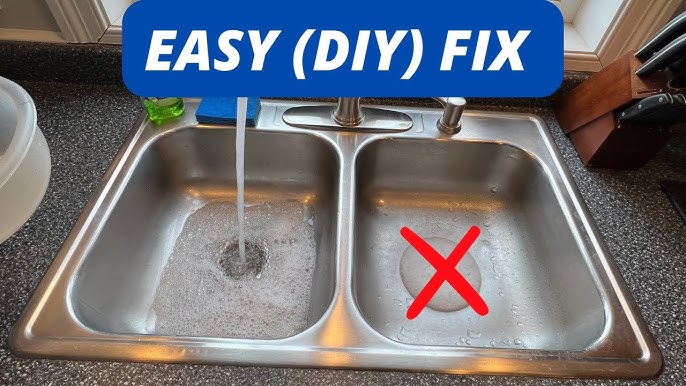
Image Source: i.ytimg.com
Common Culprits Behind a Sluggish Sink
Several factors can contribute to your kitchen sink’s slow drainage. Identifying the root cause is the first step to finding an effective solution.
Grease Buildup: The Silent Killer
One of the biggest enemies of your kitchen drain is grease buildup kitchen sink. Every time you wash greasy dishes, a thin layer of fat, oil, and grease goes down the drain. While it might seem liquid when hot, it cools and solidifies as it travels through your pipes. Over time, this sticky residue traps other debris like food scraps, coffee grounds, and soap scum. This combination creates a stubborn blockage that narrows the pipe and impedes water flow.
Food Scraps and Debris
The kitchen sink is a disposal unit for many things, but not everything is drain-friendly. Small food particles, like rice, pasta, vegetable peels, and coffee grounds, can easily slip past the drain stopper. These items can accumulate in the pipe, snagging on rough spots or combining with grease to form blockages. Even seemingly small items can contribute to a larger kitchen sink blockage.
Hair and Fibrous Materials
While hair is more commonly associated with bathroom drains, it can find its way into the kitchen sink too, especially if you’re washing raw meat or vegetables with hair-like roots. Fibrous materials like celery strings or onion skins can also twist and tangle, creating a mesh that traps other debris.
Soap Scum
Bar soap, while less common in kitchens than liquid soap, can leave behind a residue known as soap scum. This film can build up on the inside of your pipes, similar to grease, creating a slick surface that attracts and holds onto other debris.
Mineral Deposits
In areas with hard water, minerals like calcium and magnesium can precipitate out of the water and form hard deposits on the inside of your pipes. Over time, these deposits can narrow the pipe’s diameter, slowing down drainage.
Foreign Objects
Accidental drops of small objects like bottle caps, small plastic pieces, or even lost jewelry can end up in the drain. These objects can obstruct the pipe’s passage, causing a kitchen sink backup.
Simple Solutions for a Slow Drain
Fortunately, many kitchen sink plumbing issues causing slow drainage can be resolved with simple, DIY methods. Here’s how to fix a slow drain using common household items and basic techniques.
The Boiling Water Flush: A First Step
This is the simplest and often most effective first approach, especially for grease-related clogs.
How to do it:
- Boil water: Fill your kettle or a large pot with water and bring it to a rolling boil.
- Pour slowly: Carefully and slowly pour the boiling water directly down the drain. Do this in stages, allowing a few seconds between pours.
- Repeat if necessary: You might need to repeat this process a couple of times, especially if the blockage is significant.
Why it works: The heat from the boiling water can help melt and loosen solidified grease and other organic matter, allowing it to be flushed away.
Caution: This method is generally safe for most plumbing systems, but if you have older, brittle pipes or a PVC pipe system that might be susceptible to heat damage, use hot tap water instead.
Baking Soda and Vinegar: The Natural Powerhouse
This classic cleaning duo creates a chemical reaction that can help break down clogs.
How to do it:
- Remove standing water: If there’s water in the sink, bail it out as much as possible.
- Pour baking soda: Pour about 1/2 cup to 1 cup of baking soda directly into the drain.
- Add vinegar: Follow with an equal amount of white vinegar.
- Cover the drain: Immediately cover the drain opening with a stopper or a damp cloth to contain the fizzing reaction.
- Let it work: Allow the mixture to sit and bubble for at least 15-30 minutes, or even longer for tougher clogs.
- Flush with hot water: After the waiting period, flush the drain with a generous amount of hot water (not necessarily boiling, but very warm from the tap).
Why it works: Baking soda (a base) reacts with vinegar (an acid) to produce carbon dioxide gas. This fizzing action can help agitate and loosen debris within the pipe.
The Plunger: A Mechanical Marvel
A good old-fashioned plunger can be surprisingly effective for dislodging clogs.
How to do it:
- Create a seal: Ensure there’s enough water in the sink to cover the bell of the plunger. If not, add some warm water.
- Position the plunger: Place the plunger firmly over the drain opening, ensuring a tight seal.
- Plunge vigorously: Pump the plunger up and down vigorously for about 20-30 seconds. The upstroke is as important as the downstroke, as it helps pull the blockage free.
- Break the seal: Quickly pull the plunger away from the drain to break the seal.
- Check drainage: See if the water drains freely. You may need to repeat the plunging process several times.
- Double sink consideration: If you have a double sink, block the drain of the other sink with a wet cloth or stopper to create a better seal and more effective plunging pressure for the clogged side.
Why it works: Plunging creates alternating pressure and suction, which can dislodge the clog from the pipe walls.
The Drain Snake or Auger: For Deeper Clogs
If simpler methods fail, a drain snake (also called a plumber’s snake or auger) is your next best bet for reaching and removing deeper blockages.
How to do it:
- Insert the snake: Feed the end of the snake into the drain opening.
- Advance the snake: Gently push the snake further into the pipe, turning the handle clockwise as you go. This rotating action helps it navigate bends and grip the clog.
- Feel for resistance: When you encounter resistance, you’ve likely reached the blockage. Continue turning the handle to try and break up or hook onto the clog.
- Retrieve the clog: Once you’ve hooked the obstruction, slowly pull the snake back out of the drain, bringing the debris with it.
- Flush the drain: After removing the clog, flush the drain with hot water.
Why it works: The snake’s flexible cable and often barbed end can physically break apart or pull out the material causing the blockage.
Cleaning the P-Trap: The Hidden Culprit
The P-trap is the U-shaped pipe located directly beneath your sink. It’s designed to hold water, creating a seal that prevents sewer gases from entering your home. However, it’s also a common place for debris to accumulate and cause a clog.
How to do it:
- Prepare: Place a bucket or old towels directly underneath the P-trap to catch any water or debris that might spill out.
- Loosen the slip nuts: The P-trap is usually held in place by two slip nuts. These can often be loosened by hand. If they are too tight, use channel-lock pliers or a pipe wrench, being careful not to overtighten and damage the plastic or metal.
- Remove the trap: Once the slip nuts are loosened, gently lower the P-trap. Be ready for water to drain into the bucket.
- Clear the blockage: Inspect the inside of the P-trap for any visible debris, grease, or foreign objects. Use a stiff brush or an old toothbrush to clean out any buildup. You can also use a coat hanger bent into a hook shape for more stubborn gunk.
- Reassemble: Once clean, reattach the P-trap, making sure to properly align the pipes and hand-tighten the slip nuts. If needed, use pliers to snug them up, but avoid excessive force.
- Test for leaks: Run water into the sink and check the P-trap connections for any drips. If you notice leaks, try tightening the slip nuts slightly more.
Why it works: This method directly removes physical blockages that have settled in the P-trap, which is a common bottleneck in kitchen sink plumbing.
When to Consider a Kitchen Drain Cleaner
While natural methods are often preferred, sometimes a commercial kitchen drain cleaner might seem like the quickest solution. It’s important to use these products with caution and awareness.
Types of Drain Cleaners
- Enzymatic Cleaners: These use enzymes and bacteria to break down organic matter like grease and food. They are generally considered safer for pipes and the environment but work more slowly. They are best for maintenance and preventing clogs.
- Chemical Cleaners: These contain harsh chemicals like lye (sodium hydroxide) or sulfuric acid. They are fast-acting and can dissolve clogs effectively, but they can also be corrosive to pipes (especially older metal pipes) and are hazardous to skin and eyes.
Using Chemical Drain Cleaners Safely
If you choose to use a chemical drain cleaner, follow these guidelines strictly:
- Read the label carefully: Always adhere to the manufacturer’s instructions for use and safety precautions.
- Ventilate the area: Ensure good ventilation in your kitchen by opening windows or turning on the exhaust fan.
- Wear protective gear: Always wear rubber gloves and eye protection.
- Never mix chemicals: Do not mix different drain cleaners or use them in conjunction with other cleaning products, as this can create dangerous fumes.
- Avoid plunging immediately after: Some drain cleaners can splash back if you try to plunge the drain afterward.
- Consider the pipe material: Check if the cleaner is safe for your specific pipe material (PVC, copper, cast iron).
- Rinse thoroughly: After the recommended waiting time, flush the drain thoroughly with plenty of cold water.
Why they work: Chemical cleaners create a powerful reaction that can break down tough blockages like grease and hair.
When to reconsider: If a chemical drain cleaner doesn’t work after the first application, avoid using it multiple times. Repeated use can damage your pipes and may not even clear the clog, leading to a kitchen sink backup with a corrosive substance sitting in your pipes.
Preventative Measures: Maintaining Your Kitchen Drain
The best way to deal with a slow-draining sink is to prevent clogs from forming in the first place. Consistent kitchen drain maintenance can save you a lot of hassle.
What NOT to Put Down the Drain
This is crucial for preventing future kitchen sink blockage issues:
- Grease, oil, and fats: Wipe greasy pans with paper towels before washing them. Pour cooled grease into a disposable container and throw it away.
- Coffee grounds: These can clump together and create tough blockages. Compost them or dispose of them in the trash.
- Eggshells: The thin membrane around eggshells can adhere to pipes and trap other debris.
- Starchy foods: Rice, pasta, and potato peels expand with water and can form sticky masses.
- Fibrous vegetables: Celery, onion skins, corn husks, and asparagus can tangle and create clogs.
- Food scraps (especially large ones): Always scrape food scraps into the trash or compost bin before rinsing dishes.
- Bones and fruit pits: These are hard and can easily get stuck in the pipes.
- Cotton balls, facial tissues, paper towels: These are not designed to break down in water and can cause blockages.
Using a Sink Strainer
A good quality sink strainer is your first line of defense. It catches food particles and other debris before they enter the drainpipe. Make sure to empty the strainer regularly into the trash.
Regular Flushing with Hot Water
As mentioned earlier, a weekly flush with boiling or very hot water can help keep grease from solidifying and building up in your pipes.
Baking Soda and Vinegar Maintenance
Once a month, pour baking soda and vinegar down the drain, let it fizz, and then flush with hot water. This simple kitchen drain maintenance can prevent future problems.
Garbage Disposal Tips
If you have a garbage disposal, remember it’s not a magic bullet for all kitchen waste.
- Run cold water: Always run cold water for at least 30 seconds before and after using the disposal. This helps flush food particles through the pipes and solidifies any grease, making it easier for the disposal to grind.
- Grind in small batches: Don’t overload the disposal. Feed food waste in gradually.
- Avoid fibrous and starchy items: Even with a disposal, it’s best to avoid items like celery, corn husks, and potato peels.
When to Call a Professional Plumber
While many slow drain issues are DIY-friendly, there are times when you’ll need to call in the experts for your kitchen sink plumbing issues.
- Persistent clogs: If you’ve tried multiple DIY methods and the sink still drains slowly or is completely blocked, it’s time to call a plumber.
- Multiple clogged drains: If you notice slow drainage in other sinks, tubs, or toilets, it could indicate a blockage further down the main sewer line, which requires professional equipment to address.
- Foul odors: Persistent sewer odors can signal a more serious plumbing problem, such as a blocked vent pipe or a break in the sewer line.
- Water backing up: If water is backing up into your sink or elsewhere when you flush toilets or use other fixtures, this is a clear sign of a significant blockage.
- Lack of confidence: If you’re not comfortable tackling the problem yourself or are worried about causing further damage, it’s always best to err on the side of caution and call a plumber.
A plumber has specialized tools like video inspection cameras to identify the exact location and cause of a blockage, as well as powerful augers and hydro-jetting equipment to clear even the most stubborn clogs.
Troubleshooting Table
Here’s a quick reference table for common slow drain scenarios and solutions:
| Problem Symptom | Potential Cause | Simple DIY Solution(s) | When to Call a Plumber |
|---|---|---|---|
| Slow drain, no standing water | Minor grease/food buildup | Boiling water flush, Baking soda & vinegar, Plunger. | If issue persists after multiple attempts. |
| Standing water, slow drain | Moderate clog | Plunger, Drain snake/auger, Clean P-trap, Baking soda & vinegar. | If clogs are frequent, or if DIY methods don’t work. |
| Complete blockage, no drainage | Significant clog | Plunger (may be less effective), Drain snake/auger, Clean P-trap. | Definitely call a plumber; likely a serious obstruction or main line issue. |
| Foul odors with slow drain | Decomposing matter | Boiling water flush, Baking soda & vinegar (can help temporarily). | Call a plumber; could indicate a vent issue or a deeper, unsanitary blockage. |
| Slow drainage in multiple fixtures | Main sewer line blockage | None. This is beyond DIY. | Call a plumber immediately. This is a serious problem requiring professional intervention. |
Frequently Asked Questions (FAQ)
Q: How often should I use a kitchen drain cleaner?
A: For preventative maintenance, using an enzymatic drain cleaner monthly or quarterly can be beneficial. Chemical drain cleaners should only be used when a clog is present and with extreme caution. Overuse of any drain cleaner can damage your pipes.
Q: Can I pour bleach down my kitchen sink to unclog it?
A: While bleach can kill bacteria and deodorize, it is not very effective at dissolving grease or food particle clogs and can create hazardous fumes if mixed with other cleaners. It’s generally not recommended as a primary clog remover.
Q: My garbage disposal isn’t draining properly after use. What should I do?
A: Ensure you are running cold water both before and during disposal use. Check if the disposal unit itself is clogged. You might need to turn off the power to the disposal and use a flashlight to look for obstructions that can be removed with tongs. If the disposal is humming but not grinding, the reset button might need to be pushed. If the problem persists, it may indicate a clog in the pipe connecting the disposal to the drain.
Q: Is it bad to put hot water down the drain every day?
A: A daily flush with very hot, but not necessarily boiling, water is generally fine for most modern plumbing systems and can help prevent minor grease buildup. However, avoid constantly pouring boiling water, especially if you have older or PVC pipes, as it could potentially damage them over time.
By understanding the common causes and employing these simple solutions and preventative measures, you can keep your kitchen sink draining smoothly and avoid the frustration of a clogged kitchen sink. Regular kitchen drain maintenance is key to a healthy plumbing system.