
Can you separate a kitchen and living room without building a permanent wall? Yes, you absolutely can! In modern homes, the trend towards open concept living is undeniable. While it creates a sense of spaciousness and flow, it can sometimes blur the lines between different functional areas. For many homeowners, finding effective ways to define these spaces is crucial for both aesthetics and practicality. This post will explore smart ways to separate your kitchen and living room, transforming your functional living space and creating distinct zones without sacrificing the open feel entirely.
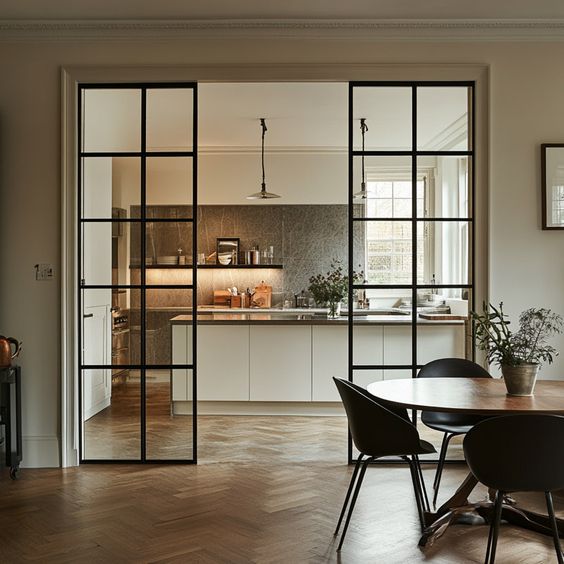
Image Source: andorwillow.com
Why Separate Kitchen and Living Room Spaces?
Even in an open concept living layout, there are compelling reasons to consider dividing spaces between the kitchen and the living room.
- Noise Reduction: Kitchen activities, like cooking, running the dishwasher, or even lively conversations, can be noisy. Separating the kitchen can create a quieter atmosphere in the living area, ideal for relaxation, reading, or watching TV.
- Smell Containment: Cooking smells, while sometimes delicious, can linger. A separation can help keep strong cooking aromas confined to the kitchen, preventing them from permeating the entire living space.
- Visual Clutter Control: The kitchen can sometimes become visually cluttered with dishes, appliances, and food preparation. A separation helps to visually shield this activity from the living room, maintaining a tidier and more serene environment.
- Defining Purpose: Each room has a distinct purpose. Separating them reinforces these functions, allowing for better focus and enjoyment of each area. You can relax in the living room without feeling the constant pull of kitchen chores.
- Aesthetic Appeal: Clever room dividers can add architectural interest and style to your home, enhancing the overall interior design.
Creative Room Divider Ideas for Your Home
When thinking about room divider ideas, the goal is to create a sense of separation without completely blocking light or the feeling of spaciousness. Here are some of the best ways to divide a room:
1. Furniture Arrangement Living Room Strategies
Furniture arrangement living room is one of the simplest and most effective ways to create zones. By strategically placing furniture, you can subtly delineate the boundary between the kitchen and living area.
- The Sofa as a Boundary: Place your sofa with its back to the kitchen. This creates a clear visual cue that the living room begins where the sofa ends. You can even add a console table behind the sofa to hold lamps, books, or decorative items, further reinforcing the separation.
- Chairs Facing Inward: Arrange accent chairs around the sofa, facing inward towards the living area. This creates a cozy conversation pit that naturally pulls attention away from the kitchen.
- Area Rugs: Use different area rugs to define each zone. A large rug under your living room seating area clearly marks it as the living space, while a smaller rug in the kitchen or dining area can define those zones.
2. Shelving Units as Dividing Walls
Freestanding shelving units are fantastic room divider ideas because they are versatile, functional, and can be styled to match your decor.
- Open Bookshelves: A tall, open bookshelf can act as a visual separation without blocking light. You can display books, plants, artwork, or decorative items, making it a beautiful and practical divider. Consider units with adjustable shelves for maximum flexibility.
- Closed Cabinet Units: For a more solid separation and added storage, consider using closed cabinet units. These can hide clutter and provide a more substantial barrier.
- Two-Sided Units: Some shelving units are designed to be accessible from both sides, allowing you to display different items in each space.
3. Screens and Folding Dividers
These are classic clever room dividers that offer flexibility and portability.
- Decorative Folding Screens: Available in a myriad of styles, materials (wood, fabric, rattan), and patterns, folding screens can add a touch of artistry while dividing spaces. They can be easily folded and stored when not needed.
- Modern Panel Screens: For a more contemporary look, consider modular panel screens. These can be configured in various shapes and sizes to create a custom separation.
4. Partial Walls and Half-Height Walls
If you’re open to minor construction, a partial wall or a half-height wall can offer a more defined separation while still allowing for an open feel.
- Half-Height Walls: Building a wall that only goes halfway up can create a strong visual break without entirely closing off the spaces. This is ideal for defining the kitchen’s perimeter while allowing sightlines to flow between areas. It also provides a natural surface for a breakfast bar or a place to display art.
- L-Shaped or U-Shaped Dividers: Instead of a full wall, consider a divider that extends from an existing wall, creating an L or U shape. This can partially enclose the kitchen or living area, providing definition without a complete blockage.
5. Sliding Doors and Barn Doors
These are excellent room divider ideas that offer the ultimate flexibility – complete separation when needed, and an open flow when desired.
- Sliding Pocket Doors: These doors slide into a cavity within the wall, disappearing completely when open, maintaining the open-concept feel.
- Barn Doors: Hung on an external track, barn doors add a rustic or industrial charm and can be easily slid open or closed. They are a stylish way of dividing spaces without complex construction.
- Glass Sliding Doors: For a lighter, more airy feel, consider sliding glass doors. They provide a strong visual separation but allow light to pass through and maintain a connection between the two areas.
6. Plants and Greenery
Bring the outdoors in with a living plant divider. This is a natural and beautiful way to create visual separation.
- Tall Potted Plants: Strategically placed tall plants, like Snake Plants or Fiddle Leaf Figs, can create a soft barrier.
- Shelving with Plants: Integrate plants onto your shelving units for added texture and life.
- Vertical Gardens: For a more dramatic statement, consider a vertical garden feature that can act as a living wall separating rooms.
7. Different Flooring or Ceiling Treatments
While not a physical barrier, changing the flooring or ceiling can create a strong visual separation and define zones.
- Flooring: Use tile or a different type of wood in the kitchen area, and carpet or hardwood in the living room. This instantly signals a change in function.
- Ceiling Treatments: A dropped ceiling, different paint color, or a decorative ceiling feature (like a unique light fixture or coffered ceiling) above one of the zones can also help delineate the space.
8. Lighting as a Zone Delineator
Strategic lighting can also play a role in creating zones.
- Pendant Lights: Hanging pendant lights over an island or a dining area adjacent to the kitchen can define that space.
- Accent Lighting: Use accent lighting in the living room to highlight artwork or create a cozy ambiance, drawing focus away from the kitchen.
- Different Light Temperatures: Consider using warmer, softer lighting in the living room for relaxation, and brighter, more functional lighting in the kitchen.
Combining Strategies for Optimal Separation
Often, the most effective solutions involve combining several of these room divider ideas. For example, you might use furniture arrangement living room to position your sofa as a primary divider, then add an open bookshelf behind it for extra definition and storage.
Here’s a table illustrating how different approaches can be combined:
| Primary Divider Method | Secondary Delineation Technique | Resulting Benefit |
|---|---|---|
| Sofa Placement | Area Rug in Living Room | Clear visual boundary, cozy seating area defined |
| Open Bookshelf | Plants on Shelves | Visual separation, added decor, improved air quality |
| Half-Height Wall | Pendant Lights Above Bar | Defined kitchen perimeter, functional dining/prep space |
| Barn Door | Different Flooring in each zone | Flexible separation, distinct visual cues for each area |
| Decorative Screen | Strategic Accent Lighting | Aesthetic appeal, soft barrier, defined ambiance |
Key Considerations When Dividing Spaces
When implementing room divider ideas, keep these factors in mind:
Maintaining Natural Light Flow
One of the biggest draws of open concept living is the abundance of natural light. Ensure your chosen divider doesn’t block windows or significantly reduce light penetration. Glass panels, open shelving, and screens are excellent for this.
Ensuring Practicality and Functionality
Your divider should enhance the usability of your space. If you choose a bookshelf, ensure it’s sturdy and provides useful storage. If you opt for a partial wall, consider if it can incorporate a useful feature like a breakfast bar. The goal is to create a more functional living space.
Aesthetics and Style Cohesion
The divider should complement your existing decor and overall home style. Whether you’re aiming for modern, minimalist, rustic, or eclectic, choose materials and designs that enhance, rather than detract from, your interior.
Budget and Installation Complexity
Some solutions, like sliding doors or partial walls, require more investment and professional installation. Others, like furniture arrangement living room or decorative screens, are budget-friendly and DIY-friendly.
Popular Room Divider Materials and Styles
The materials you choose will significantly impact the look and feel of your divider.
Wood
- Pros: Warm, versatile, can be stained or painted to match any decor.
- Cons: Can be heavy, requires finishing.
- Styles: Shaker, mid-century modern, rustic barn wood, sleek contemporary.
Glass
- Pros: Maximizes light, creates a sense of openness, modern and elegant.
- Cons: Can be fragile, may require specialized cleaning, privacy can be an issue.
- Styles: Clear, frosted, etched, tinted, reeded.
Metal
- Pros: Durable, modern, industrial, sleek.
- Cons: Can feel cold, may be expensive.
- Styles: Black iron, brushed steel, brass, copper.
Fabric
- Pros: Lightweight, flexible, adds softness and texture.
- Cons: Can be less durable, may absorb odors.
- Styles: Cotton, linen, velvet, sheers.
Plants/Greenery
- Pros: Natural, air-purifying, adds life and color.
- Cons: Requires maintenance, may not offer substantial visual separation.
- Styles: Potted plants, living walls, hanging plants.
Frequently Asked Questions (FAQ)
Q: What is the easiest way to separate a kitchen and living room?
A: The easiest way is typically through smart furniture arrangement living room strategies and the use of area rugs. Placing a sofa with its back to the kitchen and defining the living area with a rug creates a simple yet effective separation.
Q: Can I use a bookshelf as a room divider without it looking messy?
A: Yes, you can. To avoid a messy look, curate what you display on the bookshelf. Keep it organized, incorporate decorative items, books, and plants, and consider a unit with some closed storage to hide less attractive items.
Q: How do I choose the best divider for my open concept space?
A: Consider your primary goals: Do you need to block noise, smells, or just create a visual break? Also, think about your budget, the amount of light you want to preserve, and your home’s overall style. Combining several room divider ideas often yields the best results.
Q: Are room dividers a good solution for small apartments?
A: Absolutely! Clever room dividers can be particularly beneficial in small spaces to create distinct zones and make the most of limited square footage, enhancing the functional living space. Lightweight and visually permeable options are usually best for smaller areas.
Q: How much does it typically cost to install a room divider?
A: Costs vary greatly. A decorative screen or rearranging furniture can cost very little. A quality shelving unit might cost a few hundred dollars. More significant interventions like partial walls or sliding doors can range from a few hundred to several thousand dollars, depending on the complexity and materials.
By thoughtfully applying these smart ways how to separate kitchen and living room, you can achieve a more organized, functional, and aesthetically pleasing home, enjoying the benefits of defined spaces within your open concept living layout.