
Does your kitchen sink have an unpleasant smell? You’re not alone. A smelly sink is a common problem that can make even the most pleasant kitchen feel less inviting. Fortunately, there are many effective ways to tackle kitchen sink odor removal. This guide will walk you through how to deodorize kitchen sink areas and get rid of sink smell for good, using both common household items and specific cleaning techniques. We’ll explore how to eliminate bad odors sink problems and, importantly, how to prevent sink smells from returning.
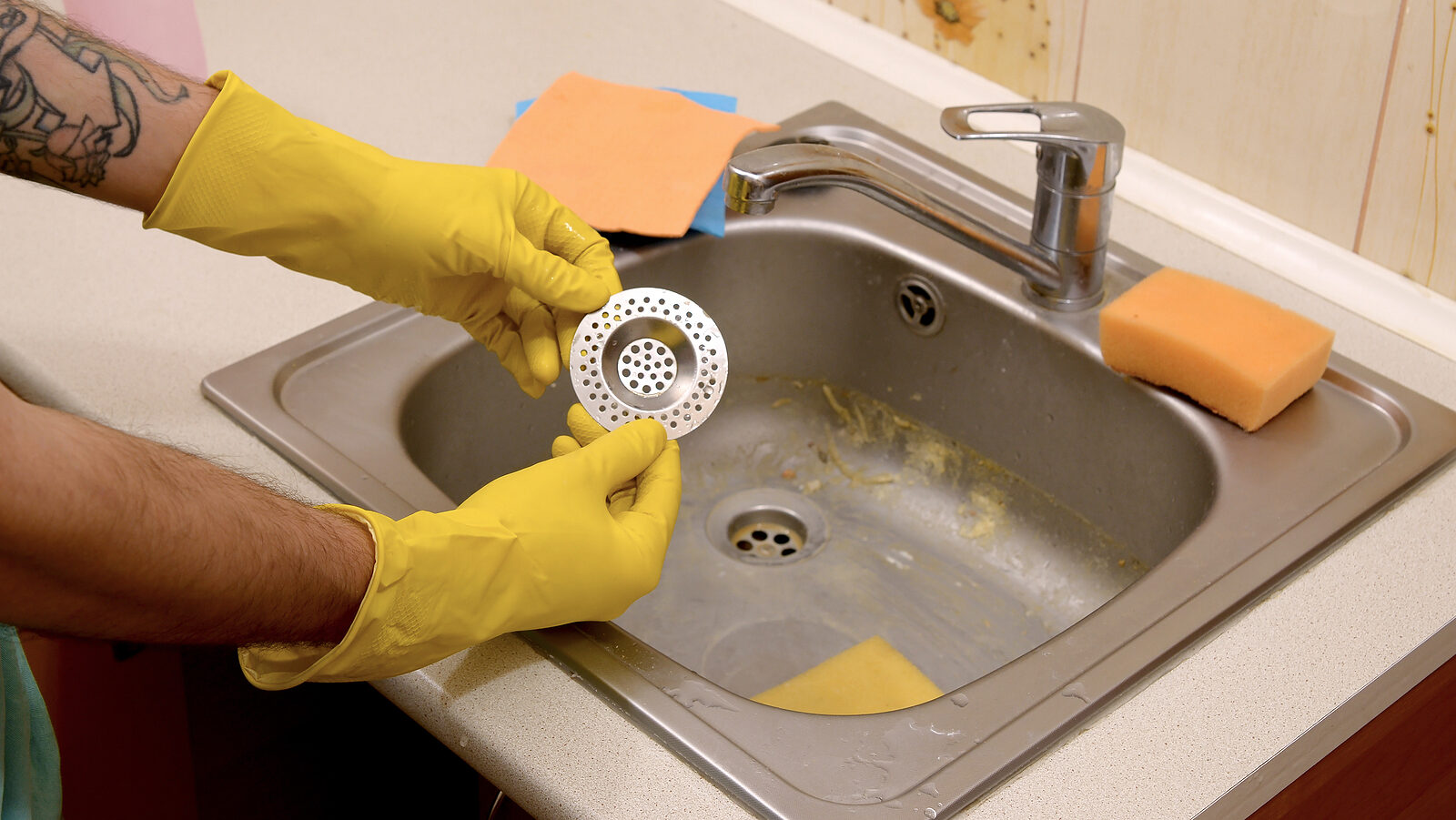
Image Source: blockbusters.co.uk
Why Does My Kitchen Sink Smell?
Before we dive into solutions, let’s figure out why your sink smells. The most common culprits are food particles and grease that get stuck in the drain and the pipes. Over time, this organic matter breaks down, creating a foul odor.
Here are the primary reasons for sink smells:
- Food Debris: Small bits of food left behind after washing dishes can accumulate in the drain and garbage disposal.
- Grease and Fat: When you pour grease, oil, or fat down the drain, it solidifies in the pipes, trapping food particles and creating a sticky surface for bacteria to grow.
- Bacteria Growth: Warm, moist environments like sink drains are perfect breeding grounds for bacteria, which produce unpleasant smells as they consume leftover food.
- Trapped Moisture: Even without visible debris, moisture can linger in the drain assembly and under the sink, leading to mold and mildew growth, which can cause musty odors.
- Septic System Issues (for some homes): In homes with septic systems, if the system isn’t functioning correctly, odors can back up into the drains.
- Garbage Disposal Buildup: If you have a garbage disposal, food residue can cling to the blades and the underside of the splash guard, leading to smells.
- Sink Trap (P-Trap) Problems: The P-trap is the curved pipe under your sink. It holds water to prevent sewer gases from entering your home. If this trap dries out or is blocked, you might smell sewer gas.
Getting Rid of the Smell: Effective Solutions
Now that we know why your sink smells, let’s explore how to fix it. We’ll cover various methods, from simple, natural sink cleaners to more intensive sink drain cleaning.
1. The Baking Soda and Vinegar Power Duo
This is a classic and highly effective method for kitchen sink odor removal. Baking soda is a natural deodorizer, and vinegar is a great disinfectant and cleaner.
What you’ll need:
- 1/2 cup baking soda
- 1/2 cup white vinegar
- Hot water
- Optional: Lemon peels or essential oils (like lemon or tea tree oil) for added freshness
Steps:
- Pour Baking Soda: Sprinkle the 1/2 cup of baking soda directly down the drain. Try to get as much as possible into the drain opening.
- Add Vinegar: Slowly pour the 1/2 cup of white vinegar down the drain. You’ll notice an immediate fizzing reaction. This is the vinegar and baking soda working together to break down grime and neutralize odors.
- Let it Sit: Cover the drain opening with a stopper or a wet cloth to keep the fizzing mixture contained within the pipes. Let it sit for at least 15-30 minutes. For tougher smells, you can leave it for an hour.
- Rinse with Hot Water: After the waiting period, pour a kettle of boiling or very hot water down the drain. This will flush away the loosened debris and residue. Be careful when handling boiling water.
- Add Optional Scents: If you’re using lemon peels, you can boil them in water and use that water for the final rinse. Alternatively, add a few drops of lemon or tea tree essential oil to the baking soda before adding the vinegar for a fresh scent.
This method is excellent for deodorize kitchen sink areas and is a primary choice for natural sink cleaners.
2. Boiling Water Flush
Sometimes, a simple flush with boiling water is all that’s needed to clear minor clogs and odors.
What you’ll need:
- Kettle of boiling water
Steps:
- Boil Water: Fill a kettle and bring it to a boil.
- Pour Slowly: Carefully and slowly pour the boiling water directly down the drain.
- Repeat if Necessary: For persistent but minor odors, you can repeat this process a couple of times.
This is a quick way to address cleaning smelly sink situations that aren’t too severe.
3. Salt and Hot Water
Salt can act as a mild abrasive and a deodorizer.
What you’ll need:
- 1/2 cup salt
- Hot water
Steps:
- Pour Salt: Pour 1/2 cup of salt down the drain.
- Follow with Hot Water: Immediately follow with a kettle of hot or boiling water.
- Let it Work: Let it sit for a few minutes, then rinse with more hot water.
This is another simple approach to get rid of sink smell.
4. Lemon Juice or Citrus Peels
The citric acid in lemons can help cut through grease and deodorize.
What you’ll need:
- Lemon juice from 1-2 lemons, or peels from 2-3 lemons
- Hot water
Steps (Lemon Juice):
- Juice Lemons: Squeeze the juice from 1-2 lemons into the drain.
- Rinse: Follow with a flush of hot water.
Steps (Citrus Peels):
- Boil Peels: Take the peels from 2-3 lemons (or oranges, grapefruit) and boil them in a pot of water for about 10-15 minutes.
- Strain and Use: Strain the water into a heat-safe container.
- Flush: Pour the citrus-infused hot water down the drain.
Using citrus is a fantastic way to deodorize kitchen sink naturally and leave a pleasant aroma.
5. Dish Soap and Hot Water
A little dish soap can help break down grease.
What you’ll need:
- Dish soap
- Hot water
Steps:
- Pour Soap: Squirt a generous amount of dish soap down the drain.
- Add Hot Water: Follow with a kettle of hot water.
- Rinse: Let it sit for a few minutes, then rinse with more hot water.
This is a gentle method for sink drain cleaning and can help get rid of sink smell.
Tackling Garbage Disposals
If you have a garbage disposal, it’s often the source of unpleasant odors. Regular cleaning is key to kitchen sink hygiene.
6. Ice Cubes and Salt/Vinegar
Using ice cubes can help dislodge food particles, and salt or vinegar can help clean and deodorize.
What you’ll need:
- 1 cup ice cubes
- 1/2 cup salt or 1/2 cup vinegar
- Citrus peels (optional)
Steps:
- Fill with Ice: Fill the garbage disposal with ice cubes.
- Add Deodorizer: Add the salt or vinegar on top of the ice. If using citrus peels, add them now.
- Turn on Disposal: Turn on the cold water and then run the garbage disposal. The ice will help scrape the sides, and the salt/vinegar will clean and deodorize.
- Flush: Once everything is ground up, flush with plenty of cold water.
This is a great way to tackle cleaning smelly sink components specifically related to the disposal.
7. Baking Soda and Vinegar for Disposal
You can use the baking soda and vinegar method directly in the disposal as well.
Steps:
- Pour Baking Soda: Pour 1/2 cup of baking soda into the disposal.
- Add Vinegar: Slowly add 1/2 cup of vinegar.
- Let it Fizz: Let it fizz for 5-10 minutes.
- Flush: Turn on cold water and run the disposal.
This is a key step in maintaining kitchen sink hygiene when a disposal is involved.
Advanced Cleaning and Prevention
Sometimes, a deeper clean is necessary to eliminate bad odors sink issues.
8. Plumbing Snake or Drain Brush
If you suspect a clog is causing the smell, a plumbing snake or a flexible drain brush can reach deeper into the pipes.
What you’ll need:
- Plumbing snake or drain brush
- Gloves
- Bucket
- Disinfectant cleaner
Steps:
- Protect Yourself: Wear gloves and place a bucket under the P-trap if you plan to access it directly.
- Insert Snake/Brush: Gently insert the snake or brush into the drain opening or into the pipe after removing the drain cover.
- Scrape and Remove: Rotate the snake or move the brush up and down to scrape away any buildup. Pull out any debris collected.
- Clean the Area: Once you’ve cleared the clog, use a disinfectant cleaner to wipe down the drain opening and surrounding sink area.
- Flush: Flush the drain with hot water.
This is essential for effective sink drain cleaning and kitchen sink odor removal.
9. Enzyme Drain Cleaners
These are natural cleaners that use enzymes to break down organic matter, making them a safe and effective option for prevent sink smells.
How they work:
Enzyme cleaners contain specific bacteria or enzymes that “eat” away at the food particles, grease, and other organic waste that cause odors and clogs. They are slower-acting than chemical cleaners but are generally much safer for your pipes and the environment.
How to use:
Follow the product instructions carefully. Typically, you pour a measured amount down the drain, usually at night, and let the enzymes work overnight.
These are excellent for regular maintenance and deodorize kitchen sink areas without harsh chemicals.
10. Bleach (Use with Extreme Caution!)
Bleach can kill bacteria and deodorize, but it should be used sparingly and with extreme caution, especially if you have a septic system or have recently used other drain cleaners. Never mix bleach with vinegar or ammonia, as this creates toxic fumes.
What you’ll need:
- Diluted bleach solution (1 part bleach to 10 parts water)
- Gloves and eye protection
- Good ventilation
Steps:
- Ensure Ventilation: Open windows and turn on the exhaust fan.
- Wear Protection: Put on gloves and eye protection.
- Pour Solution: Carefully pour about 1/4 to 1/2 cup of the diluted bleach solution down the drain.
- Let it Sit: Allow it to sit for about 10-15 minutes.
- Flush Thoroughly: Flush with a large amount of cold water.
This is a powerful option for cleaning smelly sink issues but requires careful handling.
Preventing Future Smells: Proactive Steps
The best way to deal with kitchen sink smells is to prevent them from happening in the first place. Maintaining good kitchen sink hygiene is crucial.
1. Scrape Plates Before Washing
Always scrape leftover food scraps from plates and cookware into the trash or compost bin before rinsing them in the sink.
2. Run Cold Water with Garbage Disposal
When using your garbage disposal, always run cold water first, then feed the food scraps in, and continue running cold water for about 15-20 seconds after you finish grinding. This helps push the food particles through the pipes and prevents grease from solidifying.
3. Avoid Pouring Grease and Oils Down the Drain
Never pour cooking grease, oil, fat, or even oily liquids down the sink. Instead, let them cool and solidify, then scrape them into the trash. You can also pour liquid grease into a container and dispose of it once it solidifies.
4. Use the Garbage Disposal Correctly
Only grind food waste. Avoid putting fibrous materials (like celery stalks, onion skins, corn husks), coffee grounds, eggshells, starchy foods (like pasta and rice, which expand), or hard materials (like bones, fruit pits) down the disposal, as these can cause clogs and smells.
5. Regular Cleaning Routine
Make it a habit to regularly clean your sink drain. A weekly DIY sink deodorizer with baking soda and vinegar can keep things fresh.
6. Use a Sink Strainer
A sink strainer catches larger food particles, preventing them from going down the drain. Empty the strainer into the trash regularly.
7. Flush with Hot Water Daily
After washing dishes, give your drain a quick flush with hot water to help wash away any lingering food particles or grease.
8. Deep Clean Periodically
Aim for a deeper clean of your sink and drain at least once a month, using one of the methods described above. This is vital for kitchen sink odor removal and overall kitchen sink hygiene.
Troubleshooting Persistent Smells
If you’ve tried these methods and the smell persists, it might be time to consider professional help.
When to Call a Plumber
- Persistent Foul Odors: If odors remain despite regular cleaning and troubleshooting, it could indicate a more significant plumbing issue.
- Slow Drains or Clogs: Persistent slow drains often mean a more substantial blockage deep within the pipes.
- Gurgling Sounds: Strange gurgling sounds from the drain can signify venting problems or serious blockages.
- Sewage Smells: A distinct sewage smell might indicate a problem with your main sewer line or septic system.
A plumber can inspect your pipes, identify issues with the P-trap or venting system, and clear deep clogs that DIY methods can’t reach.
Summary of Methods
Here’s a quick look at some effective methods for deodorize kitchen sink areas:
| Method | Best For | Frequency | Notes |
|---|---|---|---|
| Baking Soda & Vinegar | General odor removal, mild clogs | Weekly/Bi-weekly | Natural, effective, creates fizzing action. |
| Boiling Water | Minor odor, flushing grease | Daily/As needed | Simple, quick. Use caution. |
| Salt & Hot Water | Mild deodorizing, slight abrasion | Weekly | Simple, uses common household items. |
| Lemon/Citrus Peels | Deodorizing, cutting grease | Weekly | Natural, leaves a fresh scent. |
| Dish Soap & Hot Water | Grease breakdown, gentle cleaning | As needed | Good for maintenance. |
| Ice & Salt/Vinegar (Disposal) | Garbage disposal cleaning and deodorizing | Monthly | Helps scrape and clean disposal blades. |
| Enzyme Drain Cleaners | Regular maintenance, prevent clogs & odors | Monthly/As per instructions | Natural, safe for pipes and septic systems. |
| Plumbing Snake/Brush | Clearing clogs, removing buildup | As needed | For more stubborn blockages. |
| Diluted Bleach | Severe odors, killing bacteria | Rarely, with caution | Never mix with other cleaners. Ensure ventilation. Not for septic. |
Frequently Asked Questions (FAQ)
Q1: Can I use coffee grounds to clean my sink drain?
A1: While coffee grounds are sometimes suggested for scrubbing, they can actually contribute to clogs in sink drains, especially if not flushed with a lot of water. It’s generally best to avoid putting coffee grounds down the drain.
Q2: How often should I clean my kitchen sink drain to prevent smells?
A2: For regular maintenance, a DIY sink deodorizer with baking soda and vinegar once a week or every other week is a good practice. Deeper cleaning can be done monthly.
Q3: My sink still smells even after cleaning. What else could it be?
A3: If odors persist, it might be a sign of a more significant issue like a clogged vent pipe, a problem with the P-trap’s water seal, or even a blockage further down the plumbing system. In such cases, it’s advisable to contact a plumber.
Q4: Are natural sink cleaners as effective as chemical ones?
A4: For most everyday situations and for general kitchen sink odor removal, natural cleaners like baking soda, vinegar, and citrus are highly effective. Chemical drain cleaners can be more powerful for immediate clogs but can also be harsh on pipes and the environment. For deodorize kitchen sink needs, natural options are often preferred for regular maintenance.
Q5: Is it safe to pour boiling water down my sink every day?
A5: While boiling water is great for flushing, doing it daily might be excessive for some pipe types, particularly older plastic pipes, as extreme heat can potentially cause damage over time. A few times a week or as needed for cleaning smelly sink issues is usually fine. Very hot tap water is a safer daily alternative.
By following these tips and incorporating regular cleaning habits, you can successfully banish those unpleasant kitchen sink smells and maintain a fresh, hygienic kitchen.