
Does your KitchenAid oven need a good scrub? Yes, you can clean your KitchenAid oven effectively using a variety of methods, from specialized cleaners to natural solutions. Keeping your KitchenAid oven clean not only makes it look great but also ensures it functions at its best and prevents potential fire hazards. Let’s dive into making your oven sparkle!
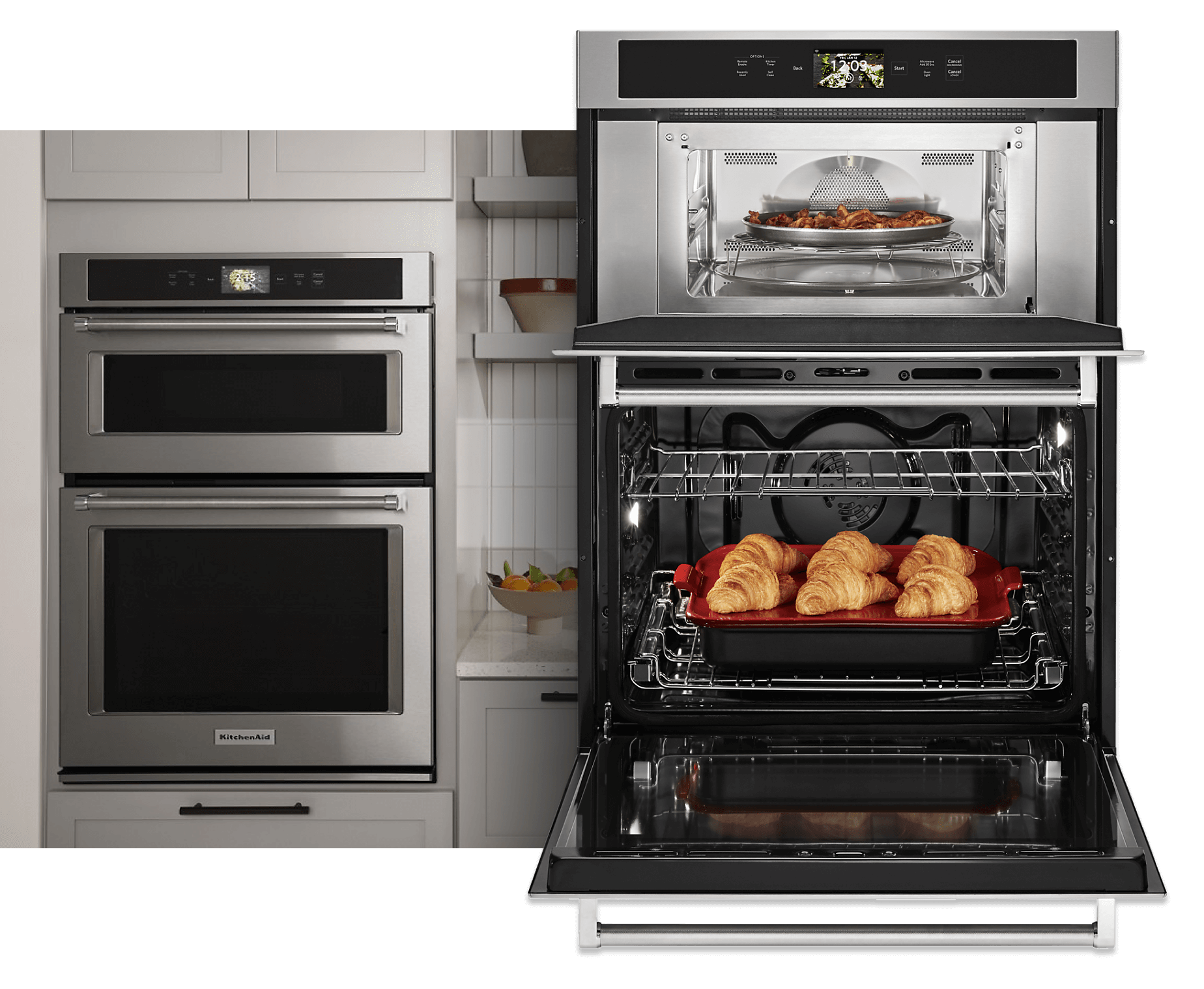
Image Source: www.kitchenaid.com
Keeping Your KitchenAid Oven Pristine: A Comprehensive Guide
A clean oven is a happy oven. When grease and food splatters build up, they can burn, smoke, and affect the taste of your food. Regular cleaning is key, and luckily, there are many ways to tackle this chore, whether you have a self-cleaning oven KitchenAid model or a standard one.
Tackling Tough Grease: Degreasing Your KitchenAid Oven
Grease is often the biggest culprit when it comes to a dirty oven. It splatters from cooking and baking, and over time, it hardens and becomes difficult to remove.
Methods for Effective Degreasing
Here are some of the most effective ways to degrease your KitchenAid oven:
- Commercial Oven Cleaners: Many products are specifically designed for oven cleaner for KitchenAid appliances. Look for ones that are formulated to cut through tough grease and baked-on food. Always follow the product instructions carefully, wear gloves, and ensure good ventilation.
- Natural Degreasers: Don’t underestimate the power of natural ingredients!
- Baking Soda Oven Cleaner KitchenAid: This is a fantastic and safe option. Create a thick paste of baking soda and water. Apply it to the greasy areas, avoiding the heating elements. Let it sit for a few hours or overnight. Then, wipe away the paste with a damp cloth. For stubborn spots, a little scrubbing might be needed.
- Vinegar Oven Cleaning KitchenAid: White vinegar is another excellent degreaser. You can spray diluted white vinegar onto greasy surfaces after removing the bulk of the grime with baking soda. The acidity of the vinegar helps to break down remaining residue.
Step-by-Step Degreasing Process
- Preparation is Key: Ensure your oven is completely cool. Remove oven racks and any other accessories. Lay down old newspapers or towels on the floor in front of the oven to catch drips.
- Apply Your Cleaner: Whether you choose a commercial cleaner or your natural paste, apply it evenly to the interior surfaces. For the baking soda paste, aim for a thick coating.
- Allow Dwell Time: This is crucial! Let the cleaner work its magic. Commercial cleaners often require 30 minutes to a few hours, while baking soda paste benefits from an overnight soak.
- Scrubbing and Wiping: Use a non-abrasive sponge or cloth to wipe away the cleaner and loosened grime. For stubborn spots, a plastic scraper or a nylon brush can be helpful. Always wipe in the direction of the oven’s finish to avoid scratching.
- Rinsing: Use a clean, damp cloth to wipe down all surfaces, ensuring no residue is left behind. You might need to rinse your cloth multiple times.
- Drying: Dry the interior with a clean, dry towel.
Mastering KitchenAid Oven Rack Cleaning
Your cleaning KitchenAid oven racks can be a daunting task, but with the right approach, it’s manageable. Greasy drips and baked-on food particles often cling to these surfaces.
Effective Methods for Cleaning Oven Racks
- Soaking in Hot Water and Dish Soap: For moderately soiled racks, a good soak can do wonders.
- Fill your bathtub or a large sink with very hot water.
- Add a generous amount of dish soap.
- Submerge the oven racks completely.
- Let them soak for several hours or overnight.
- After soaking, use a scrub brush or steel wool (for very stubborn grime, but be cautious of scratching) to remove the loosened debris.
- Rinse thoroughly and dry.
- Baking Soda and Vinegar Power Soak: This is a robust natural method for tougher grime.
- Line your bathtub with old towels to protect it.
- Place the oven racks in the tub.
- Sprinkle a generous amount of baking soda over the racks.
- Pour white vinegar over the baking soda. It will fizz, which is the active cleaning process.
- Add hot water to cover the racks.
- Let them soak for at least 4-6 hours, or overnight for heavily soiled racks.
- Use a scrub brush or steel wool to remove residue.
- Rinse and dry.
- Ammonia Method (Use with Extreme Caution): This is a very effective method for heavily baked-on grime, but it requires significant precautions due to the strong fumes.
- Place each oven rack in a heavy-duty garbage bag.
- Add about 1/2 cup of ammonia to each bag.
- Seal the bags tightly.
- Leave the bags outdoors or in a well-ventilated area (like a garage) overnight. The ammonia fumes will loosen the grime.
- Crucially, when opening the bags, do so carefully outdoors with a mask and gloves. The fumes are potent.
- Rinse the racks thoroughly with water and scrub away any remaining residue.
- Dry completely.
Tips for Sparkling Racks
- Wear Gloves: Protect your hands from the cleaning agents and grime.
- Use the Right Tools: Stiff brushes, old toothbrushes for crevices, and non-abrasive scrubbers are your friends.
- Patience Pays Off: Soaking is often the key to making scrubbing easier.
Shining the KitchenAid Oven Door
The oven door is the most visible part of your oven, and smudges, grease splatters, and baked-on food can make it look unsightly. KitchenAid oven door cleaning requires a gentle yet effective approach.
Cleaning the Interior of the Oven Door
- Glass Cleaning Paste: A paste of baking soda and water works wonderfully on the interior glass. Apply the paste, let it sit for about 30 minutes, then wipe clean with a damp cloth. For tougher spots, gently use a non-scratch scrub pad.
- Vinegar Solution: A spray bottle filled with a 50/50 mix of white vinegar and water is great for a final polish and to remove any lingering baking soda residue.
Cleaning the Exterior of the Oven Door
- Stainless Steel: For stainless steel doors, use a stainless steel cleaner or a damp microfiber cloth. Always wipe in the direction of the grain. Avoid abrasive cleaners, which can scratch the surface.
- Glass Panels: A standard glass cleaner can be used on the exterior glass, followed by a polish with a dry microfiber cloth for a streak-free shine.
Accessing the Oven Door Interior (For Deeper Cleaning)
Some KitchenAid oven models allow you to remove the oven door for more thorough cleaning of the glass panels. Consult your owner’s manual for specific instructions on how to do this for your model. If your manual doesn’t cover it, or you’re unsure, it’s often best to clean the door in place to avoid potential damage.
Deep Cleaning the KitchenAid Oven Interior
Cleaning KitchenAid oven interior involves tackling all surfaces – the walls, the floor, and the ceiling.
The Baking Soda and Vinegar Approach for Interior Cleaning
This is a highly recommended natural oven cleaning KitchenAid method for a deep clean.
- Remove Everything: Take out oven racks, pizza stones, and any other accessories.
- Initial Wipe-Down: Use a damp cloth to remove any loose crumbs or debris.
- Create the Paste: Mix baking soda with a little water to form a thick, spreadable paste.
- Apply the Paste: Generously apply the paste to all interior surfaces, avoiding the heating elements and any self-cleaning liners if present. Pay special attention to stained areas.
- Let it Sit: Allow the paste to sit and work for at least a few hours, or ideally overnight. The longer it sits, the easier it will be to remove the grime.
- Scrape and Wipe: Use a plastic scraper or spatula to gently scrape off the dried baking soda paste and loosened grime.
- Vinegar Rinse: Spray white vinegar onto any remaining baking soda residue. This will cause a foaming action that helps lift the last bits of dirt.
- Final Wipe-Down: Wipe all interior surfaces with a clean, damp cloth until all traces of baking soda and grime are gone. You may need to rinse and wring out your cloth several times.
- Dry: Dry the interior thoroughly with a clean towel.
Using Commercial Oven Cleaners Safely
If you opt for a commercial cleaner, remember:
- Ventilation is Crucial: Open windows and turn on your kitchen fan.
- Wear Protective Gear: Gloves and eye protection are essential.
- Follow Instructions Precisely: Each product has its own application and dwell time recommendations.
- Avoid Heating Elements: Never spray cleaners directly onto heating elements.
- Rinse Thoroughly: Ensure no chemical residue remains after cleaning.
When to Use the Self-Cleaning Feature (Self-Cleaning Oven KitchenAid)
Many modern KitchenAid ovens come with a self-cleaning oven KitchenAid feature. This is designed to burn off food residue at very high temperatures, leaving behind only ash.
How to Use Your Self-Cleaning Cycle
- Prepare the Oven: Remove all oven racks, broiler pans, and any other accessories from the oven. These can be damaged by the high heat.
- Wipe Up Loose Debris: Before starting the cycle, wipe out any large food particles or spills. This will reduce smoke and odors during the cleaning process.
- Select the Cycle: Choose the self-clean option on your oven’s control panel. You can usually select the cycle length (e.g., 2, 3, or 4 hours) depending on how soiled the oven is.
- Lock the Door: The oven door will automatically lock for safety and remain locked until the oven has cooled down sufficiently.
- Ventilation: As mentioned before, ensure good ventilation during the self-cleaning cycle, as some smoke and odor are normal.
- Cool Down: After the cycle is complete, the oven will need to cool down before you can open the door.
- Wipe Out Ash: Once the oven is cool and unlocked, use a damp cloth to wipe away the fine ash residue left behind.
Important Considerations for Self-Cleaning
- Read Your Manual: Always refer to your specific KitchenAid oven’s user manual for detailed instructions and any model-specific warnings.
- Ventilation: As noted, good airflow is critical to dissipate any smoke or fumes.
- Rinse Aid: Some models may recommend a rinse aid to help with ash removal.
- Avoid Overuse: While convenient, the high heat of self-cleaning can put stress on oven components over time. Regular manual cleaning can help extend the life of your oven.
Cleaning the Broiler Pan and Drawer
Don’t forget the broiler pan and drawer, which can accumulate baked-on grease.
Cleaning Broiler Pans and Drawers
- Soaking: The best approach is usually to soak the broiler pan and drawer in hot, soapy water.
- Baking Soda Paste: Apply a baking soda paste to tough spots and let it sit before scrubbing.
- Scrubbing: Use a sturdy scrub brush or steel wool to remove stubborn residue.
- Dishwasher Safe: Check your manual to see if your broiler pan and drawer are dishwasher safe.
Natural Oven Cleaning KitchenAid: Eco-Friendly Options
For those who prefer to avoid harsh chemicals, natural oven cleaning KitchenAid methods are excellent. We’ve already covered baking soda and vinegar extensively, but here are a few more tips:
- Lemon Power: Cut a lemon in half and squeeze the juice into a baking dish filled with about an inch of water. Place the dish in the oven and heat it to around 250°F (120°C) for 20-30 minutes. The steam will help loosen grime. Let the oven cool, then wipe clean.
- Essential Oils: A few drops of citrus essential oil (like lemon or orange) added to your baking soda paste can provide a pleasant scent and boost the degreasing power.
Frequently Asked Questions about KitchenAid Oven Cleaning
Q: How often should I clean my KitchenAid oven?
A: It’s best to wipe up spills as they happen. A light interior clean every 1-3 months is recommended, with a deeper clean every 6-12 months, depending on usage. For self-cleaning ovens, using the feature every 6-12 months is usually sufficient, with manual wiping of spills in between.
Q: Can I use oven cleaner on the oven door glass?
A: Yes, but be gentle. For the interior glass, baking soda paste is usually best. For the exterior, use a glass cleaner or a damp cloth, followed by a dry microfiber cloth for a streak-free finish. Avoid abrasive pads on any glass surfaces.
Q: What should I do if my KitchenAid oven has a strong chemical smell after using a cleaner?
A: Ensure thorough rinsing and ventilation. Run the oven empty at a low temperature (around 250°F or 120°C) for about 30 minutes with windows open. This helps to burn off any residual cleaner. If the smell persists, consult your owner’s manual or contact KitchenAid support.
Q: Is it safe to use steel wool on my KitchenAid oven interior?
A: Generally, it’s best to avoid steel wool on the interior surfaces of your oven unless specifically recommended for extremely stubborn, baked-on residue, and even then, use it with extreme caution to prevent scratching the enamel. Non-abrasive sponges and nylon brushes are usually sufficient and safer.
Q: Can I clean the self-cleaning oven liners?
A: Most self-cleaning ovens have special liners designed to withstand high temperatures. Avoid using any abrasive cleaners or harsh chemicals on these liners, as it can damage their self-cleaning properties. A damp cloth is usually all that’s needed for routine cleaning. Refer to your owner’s manual for specific care instructions.
By following these tips and tricks, you can keep your KitchenAid oven looking spotless and functioning efficiently. Happy cleaning!