
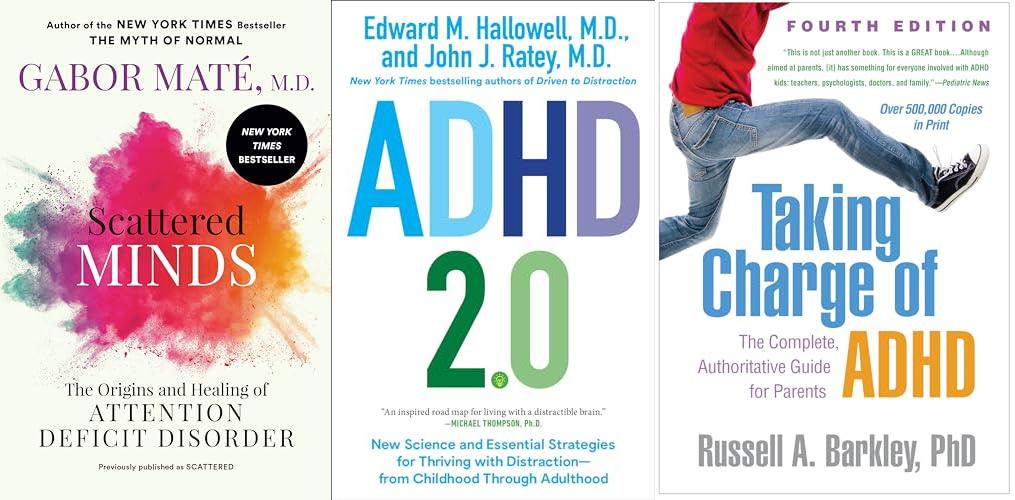
Do you ever feel like your brain is a runaway train, full of amazing ideas but struggling to stay on track? You’re not alone. Millions of people navigate life with ADHD, and finding the right books to understand and manage it can feel like searching for a needle in a haystack. The sheer volume of information out there can be overwhelming, leaving you wondering where to even begin.
Choosing the perfect ADHD book shouldn’t be another task that adds to your mental load. You need resources that are clear, helpful, and actually speak to your experience. That’s exactly why we’ve dived deep into the world of ADHD literature.
In this post, we’ll cut through the noise and highlight some of the best books available. You’ll discover guides that offer practical strategies, inspiring stories, and a deeper understanding of how ADHD works. Get ready to find your next favorite read that can truly make a difference.
Our Top 5 Adhd Books Recommendations at a Glance
Top 5 Adhd Books Detailed Reviews
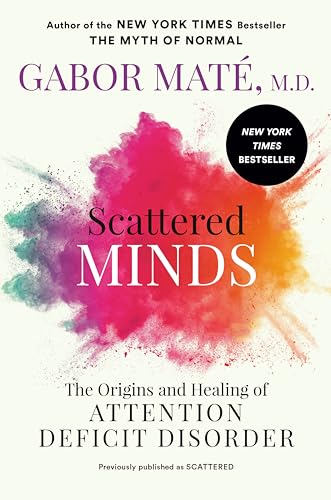
1. Scattered Minds: The Origins and Healing of Attention Deficit Disorder
Rating: 8.6/10
Scattered Minds: The Origins and Healing of Attention Deficit Disorder dives deep into what makes brains work differently. It explains why some people struggle with focus and attention. The book also offers helpful ways to manage and even heal these challenges. It’s a guide for anyone wanting to understand ADD better.
What We Like:
- Explains complex ideas in an easy-to-understand way.
- Offers practical strategies for managing ADD.
- Provides hope and encouragement for those affected by ADD.
- Covers both the causes and solutions for ADD.
What Could Be Improved:
- Could include more personal stories or case studies.
- Some readers might find the scientific explanations a bit dense.
- More visual aids like diagrams could be beneficial.
This book is an excellent resource for understanding ADD. It empowers readers with knowledge and actionable steps.
2. ADHD 2.0: New Science and Essential Strategies for Thriving with Distraction–from Childhood through Adulthood

Rating: 8.7/10
ADHD 2.0: New Science and Essential Strategies for Thriving with Distraction–from Childhood through Adulthood dives deep into understanding Attention-Deficit/Hyperactivity Disorder. It explores the latest scientific discoveries and offers practical advice for people of all ages. This book aims to help individuals with ADHD not just cope, but truly flourish. It covers challenges from childhood all the way through adult life.
What We Like:
- Provides up-to-date scientific information about ADHD.
- Offers actionable strategies for managing distraction.
- Covers the ADHD journey from childhood to adulthood.
- Written in a way that is easy to understand.
- Helps readers thrive, not just survive, with ADHD.
What Could Be Improved:
- Some readers might find certain scientific explanations a bit complex.
- More personal stories or case studies could be included.
This book is a valuable resource for anyone seeking a better understanding of ADHD and how to navigate its challenges. It empowers readers with knowledge and tools for success.
3. Taking Charge of ADHD: The Complete

Rating: 9.1/10
Navigating the world of ADHD can feel overwhelming for parents. This comprehensive guide, “Taking Charge of ADHD: The Complete, Authoritative Guide for Parents,” aims to empower you with the knowledge and tools you need. It breaks down complex information into understandable steps, offering practical advice for understanding and supporting your child. You’ll find strategies to help manage daily challenges and foster your child’s strengths. This book is designed to be a trusted resource for parents seeking to make a positive difference.
What We Like:
- Offers clear, easy-to-understand explanations of ADHD.
- Provides actionable strategies for managing behavior at home and school.
- Focuses on building your child’s confidence and self-esteem.
- Covers a wide range of topics, from diagnosis to long-term support.
- Written by experts, making it a reliable source of information.
What Could Be Improved:
- Some sections could benefit from more real-life examples and case studies.
- More visual aids or infographics would enhance readability for some readers.
This guide is an essential read for any parent looking to better understand and support their child with ADHD. It equips you to confidently take charge and advocate for your child’s needs.
4. How to ADHD: An Insider’s Guide to Working with Your Brain (Not Against It)

Rating: 8.5/10
Have you ever felt like your brain just doesn’t cooperate? “How to ADHD: An Insider’s Guide to Working with Your Brain (Not Against It)” dives deep into understanding ADHD. This book helps you see your unique brain not as a problem, but as a different operating system. It offers practical advice for navigating daily life, school, and work in ways that actually make sense for you. You’ll learn to harness your strengths and manage challenges without feeling like you’re fighting yourself.
What We Like:
- It provides real-world strategies that are easy to understand and use.
- The book offers a positive and empowering perspective on ADHD.
- It helps readers discover their strengths and use them effectively.
- The advice feels personal and written by someone who truly gets it.
- It encourages self-compassion and reduces feelings of shame.
What Could Be Improved:
- Some readers might want more in-depth scientific explanations of ADHD.
- The book could benefit from more visual aids or examples for certain concepts.
- It would be helpful to include a section on finding professional support.
This guide is a valuable resource for anyone with ADHD or those who want to understand it better. It empowers you to work with your brain, not against it, leading to a more fulfilling life.
5. Thriving with ADHD Workbook for Kids: 60 Fun Activities to Help Children Self-Regulate

Rating: 9.3/10
The Thriving with ADHD Workbook for Kids is packed with 60 engaging activities designed to help children manage their ADHD. It focuses on building essential skills like self-regulation and focus, setting kids up for success in school and life. This workbook makes learning these important skills fun and interactive.
What We Like:
- The activities are creative and keep kids interested.
- It provides practical tools for self-regulation and focus.
- The exercises are easy to understand and follow.
- It helps build confidence and a sense of accomplishment.
- The workbook is designed with children’s needs in mind.
What Could Be Improved:
- Some activities might require adult supervision or assistance for younger children.
- More variety in activity types could be beneficial for different learning styles.
This workbook offers a fantastic resource for families navigating ADHD. It’s a valuable tool that empowers children to develop crucial life skills in a positive and supportive way.
Choosing the Right ADHD Book: Your Guide to Understanding and Thriving
Navigating the world of ADHD can be overwhelming. Thankfully, there are many books that can help. This guide will help you find the best ADHD books for you or a loved one. We’ll cover what to look for, what makes a good book, and answer common questions.
Key Features to Look For
When you’re browsing for ADHD books, keep these important features in mind:
- Clear and Simple Language: ADHD can make it hard to focus. Books that use straightforward words and short sentences are easier to understand. Avoid books with too much jargon or complex writing.
- Actionable Strategies: The best books don’t just explain ADHD. They offer practical tips and techniques you can use right away. Look for books with checklists, exercises, or step-by-step plans.
- Relatable Stories: Reading about others who have ADHD can make you feel less alone. Books that share personal experiences help you connect with the information.
- Evidence-Based Information: Good books are written by experts or based on scientific research. They present information that is proven to be true.
- Target Audience: Some books are for adults with ADHD, while others are for parents of children with ADHD. Make sure the book is written for the right person.
Important Materials and Content
The content of an ADHD book is crucial. Here’s what to consider:
- Understanding ADHD: The book should explain what ADHD is. It should cover the different types and how it affects people.
- Coping Mechanisms: Look for strategies to manage common ADHD challenges. This can include tips for organization, time management, focus, and impulsivity.
- Support Systems: A good book will talk about the importance of support. It might offer advice on how to talk to family, friends, or doctors.
- Different Approaches: ADHD treatment can vary. Some books focus on medication, others on therapy, and some on lifestyle changes. A balanced book may discuss several options.
- Specific Age Groups: If you’re buying for a child, look for books tailored to their age. These books often use illustrations and simpler concepts.
Factors That Improve or Reduce Quality
Several things can make an ADHD book great or not so great.
Factors that Improve Quality:
- Expert Authorship: Books written by psychologists, psychiatrists, or researchers who specialize in ADHD are usually very reliable.
- Up-to-Date Information: ADHD research is always growing. Newer books are more likely to have the latest information.
- Positive and Empowering Tone: Books that encourage and motivate readers are more helpful. They should make you feel capable of managing ADHD.
- Good Organization: A book that is well-structured with clear headings and a table of contents is easier to use.
Factors that Reduce Quality:
- Outdated Information: Very old books might have information that is no longer considered accurate.
- Overly Technical Language: If the book is hard to read, it won’t be helpful.
- Focusing on Negatives: Books that only talk about the problems of ADHD without offering solutions can be discouraging.
- Unrealistic Promises: Be wary of books that claim to have a “magic cure” for ADHD.
User Experience and Use Cases
How you use an ADHD book depends on your needs.
- For Self-Understanding: If you have been diagnosed with ADHD, a book can help you learn more about yourself. It can explain why you do certain things.
- For Parents and Caregivers: Parents can use books to understand their child’s ADHD. They can find strategies to help their child succeed in school and at home.
- For Students: Students with ADHD can find books with tips for studying, organizing homework, and managing their time.
- For Partners and Friends: Books can help loved ones understand ADHD better. This leads to more empathy and better support.
- As a Reference Tool: Keep a good ADHD book on your shelf. You can refer back to it when you need advice or a reminder of strategies.
Frequently Asked Questions about ADHD Books
Q: What is the most important thing to look for in an ADHD book?
A: The most important thing is that the book offers clear, actionable strategies. It should also be easy to understand.
Q: Are there specific books for different age groups?
A: Yes, there are books for young children, teenagers, adults, and parents. It’s important to pick one for your specific situation.
Q: Should I only buy books written by doctors?
A: Books written by doctors or researchers are often very good. However, books by people with ADHD who share their experiences can also be very valuable.
Q: How do I know if the information in an ADHD book is reliable?
A: Look for books that mention research or studies. Check if the author is a qualified professional in the field of ADHD.
Q: Can books help with ADHD medication?
A: Some books discuss medication as part of treatment. They might explain how it works or what to expect. However, books cannot replace advice from a doctor.
Q: What if a book doesn’t seem to help me?
A: Not every book is right for everyone. Try another book with a different approach or author. Sometimes it takes a few tries to find what works.
Q: Can I use ADHD books to help my child without them reading it?
A: Yes, parents can read books about ADHD to learn strategies. They can then use those strategies to support their child.
Q: Are there books that focus on specific ADHD challenges, like focus or organization?
A: Absolutely. Many books specialize in helping with particular issues. You can find books dedicated to improving focus, managing time, or staying organized.
Q: What are some signs of a low-quality ADHD book?
A: Signs include overly technical language, outdated information, and promises of a quick “cure” that seem too good to be true.
Q: How often should I expect new information on ADHD to come out?
A: Research on ADHD is ongoing. New findings and approaches are shared regularly. Newer books will have the most current information.
In conclusion, every product has unique features and benefits. We hope this review helps you decide if it meets your needs. An informed choice ensures the best experience.
If you have any questions or feedback, please share them in the comments. Your input helps everyone. Thank you for reading.