
Remember that first spoonful of baby cereal? For many parents, it’s a milestone filled with excitement and a little bit of worry. You want to give your little one the very best start, but navigating the cereal aisle can feel like a maze. So many brands, so many ingredients – how do you know what’s truly good for your baby?
Choosing baby cereal is more than just picking a box off the shelf. It’s about understanding what your baby needs as they begin their food journey. You might be wondering about allergens, sugar content, or even the best time to introduce certain grains. These are common concerns, and you’re not alone in feeling a bit overwhelmed by the options and the information out there.
This post is here to help you cut through the confusion. We’ll explore the different types of baby cereals available, what to look for on the ingredient list, and how to make a choice that feels right for your baby’s development and your peace of mind. Get ready to feel more confident in your cereal selection.
Our Top 5 Baby Cereal Recommendations at a Glance
| Image | Product | Rating | Links |
|---|---|---|---|
 |
Gerber Stage 1 Baby Food | 8.6/10 | Check Price |
 |
Gerber Stage 1 Baby Food | 9.2/10 | Check Price |
 |
Gerber Baby Cereal 2nd Foods Probiotic | 9.5/10 | Check Price |
 |
Earth’s Best Organic Baby Food | 9.2/10 | Check Price |
 |
Gerber Cereal for Baby Power Blend 3rd Foods Probiotic Oatmeal Baby Cereal | 8.9/10 | Check Price |
Top 5 Baby Cereal Detailed Reviews
1. Gerber Stage 1 Baby Food
Rating: 8.6/10
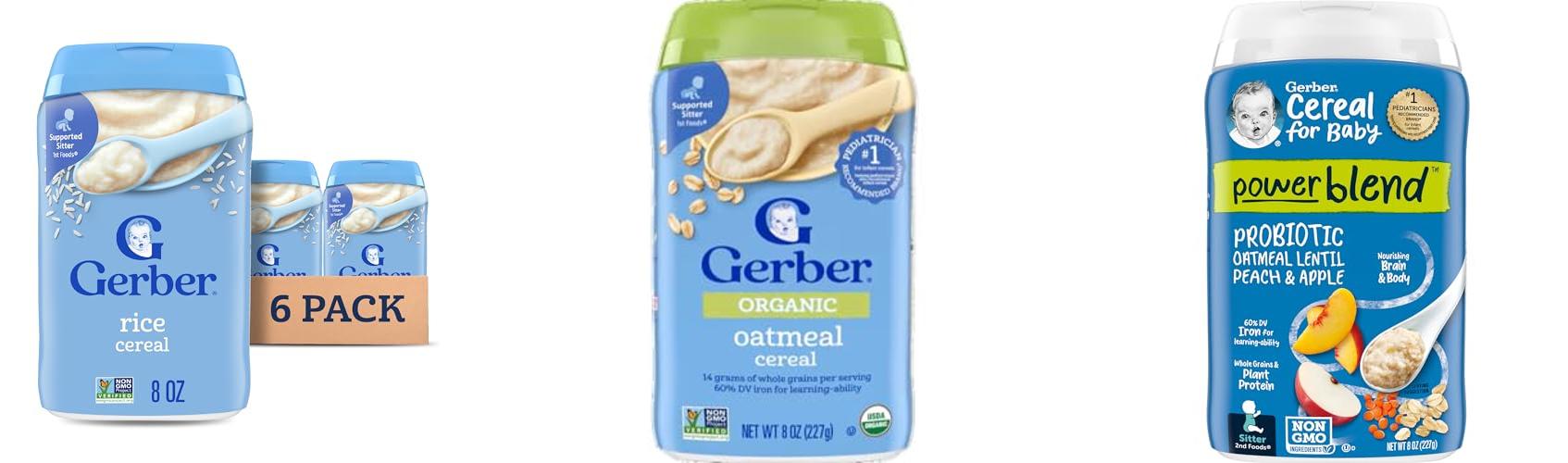
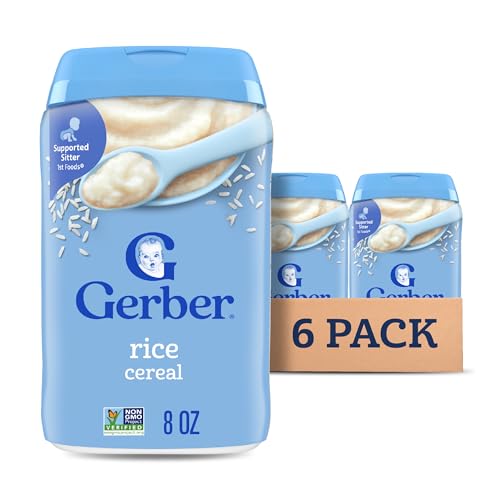
Introducing your little one to solids is a big milestone! The Gerber Stage 1 Baby Food, Baby Rice Cereal, Iron, Zinc & Vitamin B12, Infant Cereal, 6-Pack offers a simple and nutritious start for your growing baby. This cereal is designed for babies ready for their first spoonfuls of food.
What We Like:
- It’s a baby essential, made with parents in mind.
- It’s super nutritious, providing 60% of daily iron for learning, plus zinc and vitamin B12.
- It’s a Stage 1 baby food, perfect for first tastes.
- There are no artificial colors or flavors.
- It’s easy and quick to mix with breastmilk or formula.
- Gerber helps support your baby’s growth and development.
What Could Be Improved:
- As a single-grain cereal, some parents might prefer a wider variety of grains for their baby’s first foods.
- The packaging for a 6-pack could be bulky for storage for some households.
Gerber Baby Rice Cereal is a reliable choice for introducing solids. It provides essential nutrients in an easy-to-prepare format, making mealtime smoother for both you and your baby.
2. Gerber Stage 1 Baby Food
Rating: 8.5/10
Gerber Stage 1 Baby Food, Organic Baby Oatmeal Cereal, 6-Pack, offers a simple and nutritious start to your baby’s solid food journey. This organic baby oatmeal is designed for little ones ready for their first tastes of cereal, providing essential nutrients to support their growth and development.
What We Like:
- It’s made with organic ingredients, giving parents peace of mind.
- Each serving packs 14 grams of whole grains for a hearty meal.
- It’s a good source of iron, zinc, and vitamin B12, important for a baby’s development.
- The cereal is easy to mix with breastmilk or formula, saving busy parents time.
- It contains no artificial colors or flavors, ensuring pure goodness for your baby.
- This is a Stage 1 baby food, perfect for babies who are starting solids.
- The 6-pack provides a convenient supply of this baby essential.
What Could Be Improved:
- Some parents might prefer a wider variety of Stage 1 flavors within the oatmeal line.
Gerber Organic Baby Oatmeal Cereal is a solid choice for introducing your little one to the world of solids. Its wholesome ingredients and nutritional benefits make it a trusted option for a healthy start.
3. Gerber Baby Cereal 2nd Foods Probiotic
Rating: 8.7/10
Gerber Baby Cereal 2nd Foods Probiotic, Powerblend, Oatmeal Lentil Peach Apple, 8 Ounce (Pack of 6) offers a delicious and nutritious way to introduce your little one to new tastes and textures.
What We Like:
- This pack comes with six 8 oz packages, so you have plenty on hand.
- Gerber oatmeal cereal helps your baby grow and develop.
- It’s made with real fruit, giving it a tasty peach and apple flavor.
- The cereal includes probiotics, which are good for your baby’s tummy.
- It also has iron, which is important for brain development.
- This cereal introduces interesting new flavor combinations.
- The texture is just right for babies who can sit up on their own.
What Could Be Improved:
- Some babies might be picky about the lentil flavor.
- The packaging could be easier to open for busy parents.
This Gerber baby cereal is a great choice for parents looking for a healthy and tasty option to support their baby’s growing needs. It makes mealtime both enjoyable and beneficial for your little one.
4. Earth’s Best Organic Baby Food
Rating: 9.3/10
Starting your little one on solids is a big milestone! Earth’s Best Organic Whole Grain Multi-Grain Baby Cereal offers a gentle and nutritious way to introduce new tastes and textures. This cereal is made with simple, wholesome ingredients like organic oat, spelt, and barley flour. It’s also fortified with iron, which is super important for your baby’s development as they begin their journey with solid food. You can mix it with breast milk, formula, or water to create the perfect consistency for your baby, usually between 4 to 6 months old.
What We Like:
- Made with organic whole grains: oat, spelt, and barley flour provide a wholesome start.
- Iron fortified: essential for your baby’s growth and development.
- Easily digestible: a gentle option for tiny tummies.
- Non-GMO ingredients: you can feel good about what you’re feeding your baby.
- Convenient bulk pack: twelve 8 oz boxes mean you’ll have plenty on hand.
- Simple ingredient list: no artificial flavors or colors.
What Could Be Improved:
- Packaging could be more eco-friendly: while the boxes are recyclable, exploring more sustainable options would be a plus.
- Variety of grain blends: while this multi-grain is great, a few more unique grain combinations could be introduced.
This multi-grain cereal is a solid choice for parents seeking a trusted organic option. It simplifies mealtime while ensuring your baby gets essential nutrients.
5. Gerber Cereal for Baby Power Blend 3rd Foods Probiotic Oatmeal Baby Cereal
Rating: 9.3/10
Introducing Gerber Cereal for Baby Power Blend 3rd Foods Probiotic Oatmeal Baby Cereal, Lentil Carrot Apple, 8 oz Canister (6 Pack). This special blend offers a nutritious and delicious way to feed your growing baby. It combines the goodness of oatmeal with the wholesome flavors of lentils, carrots, and apples. This cereal is designed to support your baby’s development from their early stages. The 6-pack canister ensures you have plenty of this wholesome food on hand.
What We Like:
- Made with plant protein, which helps feed your baby’s brain and body.
- Contains probiotics, which are good for your baby’s tummy.
- The combination of oatmeal, lentils, carrots, and apple is a tasty mix.
- It’s Non-GMO, so you know you’re giving your baby quality ingredients.
- Gerber baby cereal provides essential nutrients for healthy growth.
- This is a crawler cereal, perfect for babies who are starting to eat more solid foods.
What Could Be Improved:
- The 8 oz canister might be a bit large for some parents who prefer smaller portions.
- While the flavor is generally well-liked, some babies might need a little extra sweetness from fruit.
This Gerber Power Blend cereal is a fantastic option for parents looking for nutritious and convenient baby food. It offers a balanced mix of ingredients to support your baby’s journey through their first foods and beyond.
Choosing the Best Baby Cereal: A Parent’s Guide
Starting your baby on solids is an exciting milestone! Baby cereal is often one of the first foods parents introduce. It’s a great way to get nutrients into your little one. But with so many options, how do you pick the right one? This guide will help you find the perfect cereal for your baby.
Key Features to Look For
When you shop for baby cereal, keep these important features in mind.
1. Ingredient Simplicity
- Look for cereals with a short ingredient list.
- Single-grain cereals are a good starting point. Common choices include rice, oatmeal, and barley.
- Avoid cereals with added sugars, artificial flavors, or colors.
2. Nutrient Fortification
- Many baby cereals are fortified with iron. Iron is very important for babies.
- Your baby’s iron stores from birth start to run low around 6 months. Cereal helps them get enough.
- Some cereals also contain other vitamins and minerals like Vitamin C and B vitamins. These help with growth and development.
3. Texture and Form
- Most baby cereals come in a dry powder form. You mix it with breast milk, formula, or water.
- This allows you to control the thickness. Start thin and make it thicker as your baby gets used to eating.
- Some brands offer pre-mixed, ready-to-eat cereals, which are convenient for on-the-go.
Important Materials (Ingredients)
The main “materials” in baby cereal are the grains themselves.
1. Single Grains
- Rice Cereal: This is a very common first food. It’s gentle on a baby’s tummy and less likely to cause allergies. However, it can be low in fiber.
- Oatmeal Cereal: Oatmeal is a good source of fiber, which helps with digestion. It provides more nutrients than plain rice cereal.
- Barley Cereal: Barley is another nutritious grain option. It’s also a good source of fiber.
2. Mixed Grains
- Once your baby has tried single grains without issues, you can try multi-grain cereals.
- These often combine oats, barley, and sometimes wheat.
- They offer a broader range of nutrients and flavors.
Factors that Improve or Reduce Quality
What makes a baby cereal great or not so great?
1. What Improves Quality
- Organic Ingredients: Choosing organic means the grains are grown without synthetic pesticides or fertilizers. This is healthier for your baby.
- No Added Sugars: Sweeteners can lead to unhealthy eating habits later. Good cereals are naturally flavorful enough.
- High Iron Content: As mentioned, iron is crucial. Cereals with a good amount of fortification are a plus.
2. What Reduces Quality
- Added Sugars and Salt: These offer no nutritional benefit and can be harmful.
- Artificial Additives: Colors, flavors, and preservatives are unnecessary and can sometimes cause reactions in sensitive babies.
- Allergens (if not introduced carefully): While not a quality issue, introducing multiple potential allergens at once can make it hard to pinpoint what causes a reaction. Always introduce new foods one at a time.
User Experience and Use Cases
How do parents and babies interact with baby cereal?
1. Ease of Preparation
- Most parents find dry cereals very easy to prepare. You just mix them with liquid.
- Some babies might spit out thin cereal at first. You can thicken it gradually.
- Pre-mixed cereals offer ultimate convenience but are often more expensive.
2. Introducing New Flavors and Textures
- Baby cereal is a gentle way to introduce your baby to new tastes and the experience of eating from a spoon.
- You can mix pureed fruits or vegetables into the cereal to add flavor and nutrients. This helps your baby explore different tastes.
- It’s a good way to build up to more complex meals.
Frequently Asked Questions (FAQ) about Baby Cereal
Here are some common questions parents have.
Q: When should I start feeding my baby cereal?
A: Most pediatricians recommend starting solids, including cereal, around 6 months of age. Your baby should show signs of readiness, like being able to sit up with support and having good head control.
Q: How do I prepare baby cereal?
A: You usually mix the dry cereal powder with breast milk, formula, or water. Start with a thin consistency and make it thicker as your baby gets used to it. Follow the package instructions.
Q: What is the best first cereal for my baby?
A: Single-grain cereals like oatmeal or rice are often recommended as first foods because they are less likely to cause allergies. Oatmeal is a great choice because it has fiber.
Q: Can I add fruit or vegetables to my baby’s cereal?
A: Yes! Once your baby has tried the cereal plain, you can mix in small amounts of pureed fruits or vegetables to add flavor and nutrients.
Q: How much cereal should I give my baby?
A: Start with a very small amount, like one or two teaspoons, once a day. You can gradually increase the amount and frequency as your baby shows they are ready for more.
Q: What if my baby doesn’t like the cereal?
A: Don’t worry! Babies’ tastes change. Try again in a few days or try a different type of cereal. You can also try mixing it with a familiar food like breast milk or formula.
Q: Is iron-fortified cereal important?
A: Yes, iron-fortified cereal is very important. Babies need iron for healthy growth and brain development, and their stores of iron from birth begin to decrease around 6 months.
Q: What is the difference between single-grain and multi-grain cereal?
A: Single-grain cereal is made from just one type of grain (like rice or oats). Multi-grain cereal is a mix of two or more grains (like oats, barley, and wheat).
Q: Can I make my own baby cereal?
A: You can make your own by grinding plain cooked grains into a powder. However, store-bought cereals are usually fortified with essential vitamins and minerals like iron, which can be harder to ensure at home.
Q: How should I store opened baby cereal?
A: Store opened baby cereal in a cool, dry place in its original container or an airtight container. Make sure to close it tightly after each use to keep it fresh.
In conclusion, every product has unique features and benefits. We hope this review helps you decide if it meets your needs. An informed choice ensures the best experience.
If you have any questions or feedback, please share them in the comments. Your input helps everyone. Thank you for reading.