
Imagine holding a gentle, slithering creature in your hands, a pet that’s quiet, fascinating, and surprisingly low-maintenance. For many, the idea of owning a snake is exciting, but the thought of choosing the *right* one can feel overwhelming. It’s easy to get lost in all the different types, and figuring out which snake is truly suitable for a first-time owner is a common puzzle.
This is where we come in. We understand the confusion and the desire to find a pet that’s not only beautiful but also manageable and safe for beginners. We know you want to avoid common mistakes and pick a snake that will thrive in your care. By reading on, you’ll discover the secrets to selecting a perfect beginner snake, learn what makes certain species ideal for newcomers, and gain the confidence to make a choice you’ll be happy with.
Get ready to embark on your snake-owning adventure with clarity and excitement. Let’s dive into the world of beginner-friendly serpents and find your ideal scaly companion!
Our Top 5 Beginner Snake Recommendations at a Glance
Top 5 Beginner Snake Detailed Reviews
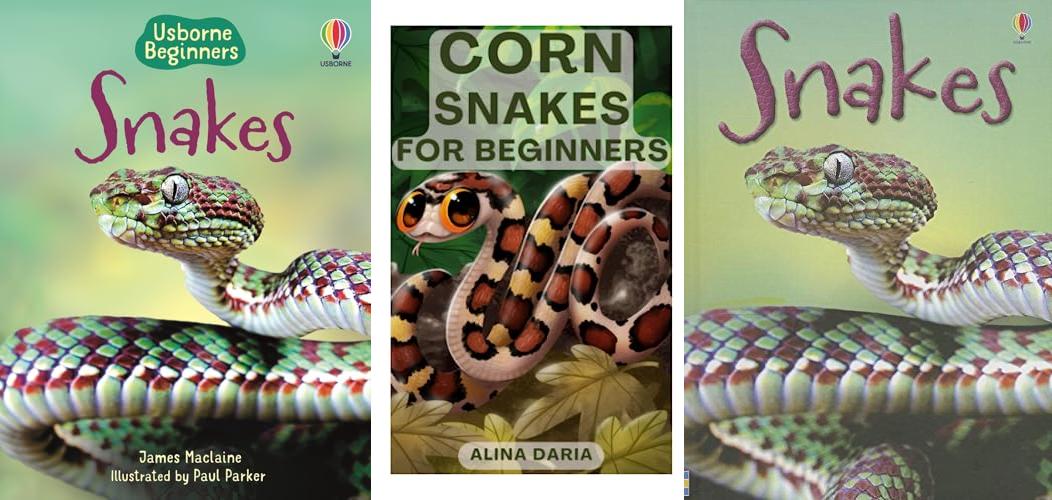
1. Snakes (Beginners)

Rating: 8.9/10
Thinking about getting your first snake? The ‘Snakes (Beginners)’ product is designed just for you! This guide aims to make understanding and caring for a beginner-friendly snake as easy as possible. It focuses on the essentials, so you don’t feel overwhelmed. You’ll learn about the types of snakes that are good for new owners and what they need to be happy and healthy. It’s all about taking the first step into the fascinating world of snakes with confidence.
What We Like:
- Clear, simple language that’s easy to understand.
- Focuses on the most important information for new snake owners.
- Helps you choose the right pet snake for your home.
- Provides basic care instructions.
- Helps you avoid common mistakes.
What Could Be Improved:
- More detailed information on specific snake breeds would be helpful.
- Visual aids like pictures or diagrams are missing.
- A section on common health issues and how to spot them could be added.
- Tips on handling and interacting with your snake could be expanded.
This product is a good starting point for anyone curious about owning a snake. It provides a solid foundation for your journey into snake ownership.
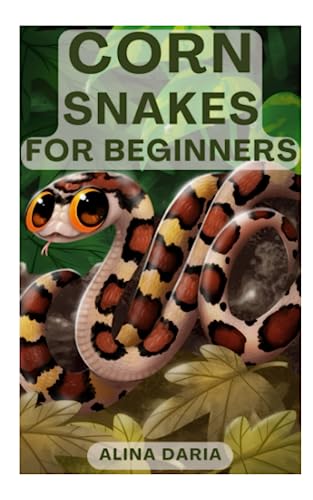
2. Corn Snakes for Beginners
Rating: 8.8/10
Thinking about getting a pet snake? Corn snakes are a fantastic choice for anyone new to keeping reptiles. They are known for their gentle nature and beautiful colors. This guide, “Corn Snakes for Beginners,” is your go-to resource for everything you need to know to start your snake-keeping journey. It covers the basics and helps you understand what it takes to care for one of these amazing creatures.
What We Like:
- Easy to handle and generally calm.
- They come in a wide variety of stunning patterns and colors.
- They are relatively small, making them manageable pets.
- Their feeding habits are straightforward.
- The information provided is clear and easy to understand for new owners.
What Could Be Improved:
- More detailed information on common health issues might be helpful.
- Specific recommendations for terrarium setup could be expanded.
- A section on different morphs and their specific care needs could add value.
This guide makes starting with corn snakes feel less intimidating. It’s a solid foundation for anyone eager to welcome a corn snake into their home.
3. Snakes (Usborne Beginners)

Rating: 8.5/10
Snakes (Usborne Beginners) is an engaging and informative book that introduces young readers to the fascinating world of snakes. It uses bright illustrations and simple language to explain everything from what snakes eat to how they move and where they live. This book is designed to spark curiosity and provide a solid foundation of knowledge for children aged 6-8.
What We Like:
- The illustrations are big and colorful. They really grab a child’s attention.
- The text is easy to understand. Young readers won’t get lost in complicated words.
- It covers a good range of snake facts. Kids learn about different types of snakes and their habits.
- The “Beginners” series is known for being reliable. You can trust the information presented.
- It encourages a love for learning about animals. It makes learning fun and exciting.
What Could Be Improved:
- Some of the snake facts could be a bit more detailed for older kids in the target age range.
- More interactive elements like lift-the-flaps or scratch-and-sniff pages might enhance engagement for some children.
Overall, Snakes (Usborne Beginners) is a fantastic resource for young animal enthusiasts. It’s a book that kids will want to revisit again and again.
4. SNAKE PLANT CARE FOR BEGINNERS: The only book you need for caring and growing the majestic Snake Plant whether your new to house plants or you’re an experienced house parent

Rating: 8.8/10
Thinking about adding a Snake Plant to your home? Or maybe you already have one and want to make sure it thrives? The book “SNAKE PLANT CARE FOR BEGINNERS: The only book you need for caring and growing the majestic Snake Plant whether your new to house plants or you’re an experienced house parent” is your ultimate guide. It breaks down everything you need to know about these cool, upright plants. You’ll learn how to give them the right amount of sun, water, and even how to make more of them. This book makes growing these impressive plants super easy, even if you’ve never owned a plant before.
What We Like:
- Clear and simple instructions for beginners.
- Covers all the essential care tips for healthy Snake Plants.
- Explains how to propagate Snake Plants to get more plants.
- Helpful for both new plant owners and experienced “house parents.”
- Makes understanding Snake Plant needs easy and stress-free.
What Could Be Improved:
- More visual aids like diagrams or photos could be helpful.
- Could include a troubleshooting section for common Snake Plant problems.
This book truly lives up to its promise of being the only Snake Plant care guide you’ll need. It empowers you to grow beautiful, healthy Snake Plants with confidence.
5. Amazing Snakes! (I Can Read Level 2)

Rating: 9.3/10
Get ready for some slithery fun with “Amazing Snakes! (I Can Read Level 2)”! This book dives into the fascinating world of snakes, making it super easy for young readers to learn. You’ll discover incredible facts that will surprise and amaze you. It’s a perfect way to build reading confidence while exploring these cool creatures.
What We Like:
- Learn how snakes sleep all winter!
- Discover snakes that grow as long as a school bus!
- Find out how snakes swallow their food whole!
- Explore the amazing way snakes crawl out of their skin!
- The text is simple and engaging for early readers.
- Bright, colorful illustrations grab attention.
- It makes learning about science exciting.
What Could Be Improved:
- More detailed information on different snake species would be great.
- A glossary of new terms could help younger readers.
- Perhaps a few more interactive elements like simple quizzes.
“Amazing Snakes! (I Can Read Level 2)” offers a captivating and educational journey into the reptile world. It’s an excellent resource for budding naturalists and young readers alike.
Choosing Your First Slithery Friend: A Beginner Snake Buying Guide
So, you’re thinking about bringing a snake into your home? That’s exciting! Snakes can be fascinating pets, and picking the right one for a beginner is super important. This guide will help you find a great first snake.
1. Key Features to Look For in a Beginner Snake
When you’re looking for your first snake, think about these important things:
- Temperament: You want a snake that is generally calm and not easily startled. This makes them easier to handle.
- Size: Smaller to medium-sized snakes are usually best for beginners. They are easier to manage and don’t need huge enclosures.
- Care Requirements: Some snakes need very specific temperatures and humidity. Look for snakes that have straightforward care needs.
- Availability: Common and widely bred species are easier to find and often come from reliable sources.
2. Important Materials for Your Snake’s Home
Your snake needs a safe and comfortable place to live. Here’s what you’ll need:
- Enclosure: This is the snake’s tank or terrarium. It needs to be escape-proof. Glass tanks with secure lids are common. Plastic tubs can also work for some species.
- Substrate: This is what you put on the bottom of the enclosure. Good options include aspen shavings, cypress mulch, or coconut fiber. Avoid dusty or pine-based bedding, as it can harm snakes.
- Heating: Snakes are cold-blooded, so they need a heat source. This could be a heat mat placed under one side of the tank, or a ceramic heat emitter. You’ll also need a thermostat to control the temperature.
- Hides: Snakes need places to feel safe and hidden. Provide at least two hides, one on the warm side and one on the cool side of the enclosure. Cork bark, half-logs, or commercial reptile hides work well.
- Water Dish: A sturdy water dish is essential. Make sure it’s big enough for your snake to soak in if it wants to.
- Thermometer and Hygrometer: These tools help you monitor the temperature and humidity in the enclosure.
3. Factors That Improve or Reduce Quality
The quality of your snake and its setup makes a big difference.
- Good Quality: A healthy snake will be active, have clear eyes, and no visible mites or scale rot. A well-maintained enclosure with proper heating and humidity will lead to a happy, healthy snake. Responsible breeders often provide better quality animals.
- Reduced Quality: A snake that is lethargic, has cloudy eyes, or has stuck shed can indicate health problems. An enclosure that is too small, too hot, too cold, or too dry will stress your snake and can lead to illness. Wild-caught snakes can also carry parasites and diseases.
4. User Experience and Use Cases
A beginner snake should offer a positive experience.
- Handling: A docile snake will be a joy to handle. You can gently pick it up and let it explore your hands. This builds trust between you and your pet.
- Observation: Watching your snake move, explore its enclosure, and eat is fascinating. Different species have unique behaviors.
- Learning: Owning a beginner snake is a great way to learn about reptile care. You’ll become an expert in its needs.
- Low Maintenance (Relatively): While all pets need care, some beginner snakes have simpler feeding schedules and enclosure requirements, making them easier for busy individuals or families.
Your Top 10 Beginner Snake FAQs
Q: What are the best snake species for beginners?
A: Great choices include Corn Snakes, Ball Pythons, and King Snakes. They are known for being docile and having manageable care needs.
Q: How often do I need to feed my beginner snake?
A: Most baby and juvenile beginner snakes eat once every 5-7 days. Adult snakes might eat less often, perhaps every 7-14 days.
Q: What kind of food do beginner snakes eat?
A: Most beginner snakes eat frozen, thawed mice or rats. You will need to choose the right size prey for your snake.
Q: How big does the enclosure need to be for a beginner snake?
A: A good rule of thumb is that the length plus the width of the enclosure should be about three times the length of your snake. For example, a 2-foot snake might need a 2-foot by 1-foot tank.
Q: Do beginner snakes need special lighting?
A: Most beginner snakes do not need special UVB lighting. They get the heat they need from heat mats or ceramic emitters.
Q: How do I know if my snake is healthy?
A: A healthy snake is alert, moves well, has clear eyes, and sheds its skin in one piece. It also eats regularly.
Q: Can I handle my beginner snake right away?
A: It’s best to give your new snake a few days to a week to settle into its new home before you start handling it regularly. This reduces stress.
Q: What is a good temperature range for a beginner snake’s enclosure?
A: Most beginner snakes do well with a temperature gradient. One side of the enclosure should be around 80-85°F (27-29°C), and the other side should be cooler, around 75-80°F (24-27°C).
Q: Do I need a thermostat for the heat source?
A: Yes, absolutely! A thermostat is crucial for regulating the temperature of your heat source. It prevents the enclosure from becoming too hot or too cold, which is vital for your snake’s health.
Q: Where should I buy my beginner snake?
A: It’s best to buy from a reputable breeder or a specialized reptile shop. This ensures you get a healthy animal that has been cared for properly.
In conclusion, every product has unique features and benefits. We hope this review helps you decide if it meets your needs. An informed choice ensures the best experience.
If you have any questions or feedback, please share them in the comments. Your input helps everyone. Thank you for reading.