
Have you ever wondered about the ancient stories and wise teachings that have shaped millions of lives for thousands of years? Hinduism, one of the world’s oldest religions, offers a rich tapestry of philosophy, mythology, and spiritual practices. But where do you even begin to explore such a vast and profound subject?
It can feel overwhelming to pick the right book when there are so many choices. You might want to understand the stories of gods and goddesses, learn about meditation and yoga, or simply grasp the core beliefs. Without a clear path, finding books that are accurate, easy to understand, and truly engaging can be a real challenge.
In this post, we’ll guide you through some fantastic books about Hinduism that will open your mind and spirit. We’ll help you discover stories that inspire, ideas that enlighten, and practices that can bring peace. Get ready to embark on a fascinating journey into the heart of Hindu wisdom.
Our Top 5 Books About Hinduism Recommendations at a Glance
Top 5 Books About Hinduism Detailed Reviews
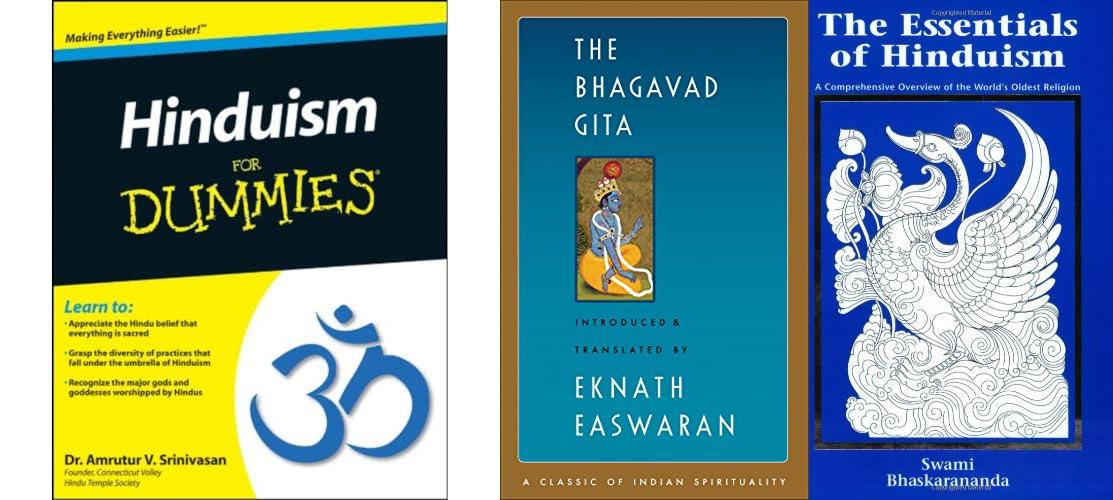
1. Hinduism For Dummies

Rating: 9.3/10
Embarking on a journey to understand Hinduism can feel like navigating a vast ocean of knowledge. The “Hinduism For Dummies” book promises to be your compass, guiding you through the core concepts, beliefs, and practices of this ancient religion. It aims to make complex ideas accessible to beginners, offering a straightforward introduction to a rich and diverse tradition.
What We Like:
- The book breaks down complex religious ideas into easy-to-understand language.
- It covers a wide range of topics, from deities and scriptures to festivals and rituals.
- The straightforward approach makes it a good starting point for anyone curious about Hinduism.
- It helps clarify common misconceptions about Hindu practices and beliefs.
What Could Be Improved:
- Some deeper philosophical nuances might be simplified too much for advanced learners.
- More visual aids or examples could enhance the learning experience.
- The book could benefit from exploring the regional diversity within Hinduism more thoroughly.
This book is an excellent first step for anyone eager to learn about Hinduism without feeling overwhelmed. It offers a clear and concise overview that builds a solid foundation for further exploration.
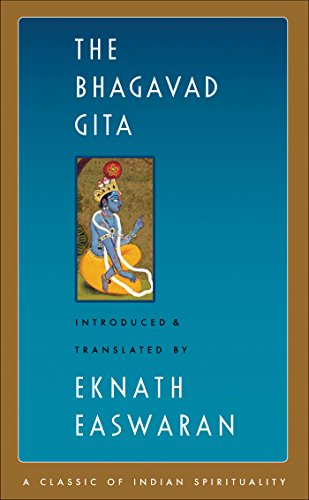
2. The Bhagavad Gita (Easwaran’s Classics of Indian Spirituality)
Rating: 9.4/10
The Bhagavad Gita, as presented in Easwaran’s Classics of Indian Spirituality, offers a powerful and accessible journey into ancient Indian wisdom. This book guides readers through profound philosophical and spiritual teachings, exploring themes of duty, purpose, and the nature of reality. It’s a text that has inspired countless individuals for centuries, and Easwaran’s interpretation makes its timeless messages understandable for a modern audience.
What We Like:
- Easwaran’s translation is clear and easy to follow.
- The commentary helps explain complex ideas simply.
- It provides practical advice for daily life.
- The book encourages self-reflection and personal growth.
- It’s a great introduction to a very important spiritual text.
What Could Be Improved:
- Some readers might prefer a more literal translation.
- The commentary, while helpful, is based on one perspective.
This edition of the Bhagavad Gita serves as an excellent starting point for anyone interested in spiritual exploration. It’s a valuable resource for understanding enduring philosophical questions and finding peace in everyday life.
3. The Essentials of Hinduism: A Comprehensive Overview of the World’s Oldest Religion

Rating: 8.7/10
Embark on a journey into the heart of one of the world’s most ancient and vibrant religions with “The Essentials of Hinduism: A Comprehensive Overview of the World’s Oldest Religion.” This book offers a clear and accessible exploration of Hindu beliefs, practices, and philosophies. It covers key concepts like karma, dharma, and reincarnation, introducing you to the rich tapestry of Hindu deities, festivals, and sacred texts. Whether you’re a curious beginner or seeking a deeper understanding, this book serves as an excellent starting point.
What We Like:
- Provides a broad and easy-to-understand introduction to Hinduism.
- Covers essential concepts and figures in a structured way.
- It’s a used book in good condition, offering great value.
- The comprehensive overview makes complex ideas more manageable.
What Could Be Improved:
- As a used book, there might be minor cosmetic wear.
- It focuses on the essentials, so advanced readers might desire more depth.
This book is a fantastic resource for anyone wanting to learn about Hinduism. It offers a solid foundation for understanding this diverse and enduring faith.
4. Many Many Many Gods of Hinduism: Turning believers into non-believers and non-believers into believers

Rating: 8.9/10
The book “Many Many Many Gods of Hinduism: Turning believers into non-believers and non-believers into believers” dives deep into the complex world of Hindu deities. It explores the vast array of gods and goddesses that are central to this ancient religion. The book aims to present information in a way that can challenge existing beliefs and open minds. It tackles the sheer number of deities and the diverse stories associated with them. It’s a journey designed to make you think.
What We Like:
- It offers a fresh perspective on Hinduism.
- The book encourages critical thinking about faith.
- It presents a lot of information about Hindu gods.
- The title is certainly attention-grabbing.
What Could Be Improved:
- The “N/A” for features makes it hard to know what the book actually *does*.
- Clarification on *how* it turns believers into non-believers and vice-versa would be helpful.
- More details about the specific content or approach would be beneficial.
This book promises a thought-provoking exploration of Hinduism’s divine pantheon. It could be a fascinating read for anyone curious about diverse religious beliefs and their impact.
5. UNDERSTANDING HINDUISM: A Comprehensive Guide to Understanding Hinduism’s Ancient Traditions

Rating: 8.7/10
Embark on a fascinating journey into the heart of Hinduism with “UNDERSTANDING HINDUISM: A Comprehensive Guide to Understanding Hinduism’s Ancient Traditions, Philosophies, and Practices (Journey Of Wisdom).” This book opens the door to a world rich with ancient wisdom. It helps readers explore the core beliefs and practices that have shaped this vibrant religion for thousands of years. You’ll discover the stories of gods and goddesses, understand the meaning of karma and reincarnation, and learn about the different paths to spiritual growth.
What We Like:
- The guide explains complex ideas in a clear and easy-to-understand way.
- It covers a wide range of topics, from history to daily rituals.
- The book encourages readers to think deeply about their own lives and the world around them.
- It provides a solid foundation for anyone curious about Hinduism.
What Could Be Improved:
- More visuals, like pictures or illustrations, would enhance the reading experience.
- Some advanced philosophical concepts could be explored in greater detail for those seeking deeper knowledge.
This guide is an excellent starting point for anyone wanting to learn about Hinduism. It offers a valuable glimpse into a profound and enduring spiritual tradition.
Your Guide to Understanding Hinduism Through Books
So, you’re interested in learning more about Hinduism? That’s fantastic! Books are a wonderful way to explore this rich and ancient tradition. This guide will help you find the perfect books to start your journey.
Why Read Books About Hinduism?
Hinduism is a vast and diverse religion. It has many different beliefs, practices, and stories. Books can introduce you to its core ideas. They can explain its history and different paths. Whether you’re a complete beginner or want to deepen your knowledge, the right book makes all the difference.
Key Features to Look For
When choosing a book about Hinduism, keep these features in mind:
- Clarity and Simplicity: Look for books that explain complex ideas in an easy-to-understand way. Good books avoid confusing jargon. They use clear language.
- Accuracy and Reliability: The information should be correct. Authors who are scholars or have deep knowledge of Hinduism are usually reliable.
- Scope and Focus: Some books give a broad overview. Others focus on specific topics like yoga, deities, or festivals. Decide what you want to learn first.
- Engaging Content: Stories, myths, and examples make learning fun. Illustrations or images can also help.
- Table of Contents and Index: These help you find information quickly.
Important Materials and Content
What kind of stuff will you find in these books?
- Sacred Texts: Many books will discuss or quote from important Hindu scriptures. These include the Vedas, Upanishads, Bhagavad Gita, and Puranas.
- Deities: You’ll learn about gods and goddesses like Brahma, Vishnu, Shiva, Lakshmi, and Durga. Their stories and roles are central to Hinduism.
- Philosophy and Concepts: Books explain ideas like Karma (action and consequence), Dharma (duty and righteousness), Moksha (liberation), and Samsara (cycle of birth and rebirth).
- Practices: You’ll find information on meditation, yoga, puja (worship), and festivals.
- History and Culture: Understanding the historical development and cultural impact of Hinduism is important.
Factors That Improve or Reduce Quality
What makes a book good or not so good?
- Author’s Expertise: An author who has studied Hinduism for many years will write a better book. Their understanding shines through.
- Writing Style: A book that is well-written and flows nicely is a joy to read. A boring or confusing style can make you lose interest.
- Publisher Reputation: Reputable publishers often ensure books are well-researched and edited.
- Reviews: Reading what other people say about a book can be very helpful. Positive reviews often point to quality.
- Outdated Information: Hinduism is a living tradition. Books that are too old might not reflect current practices or understandings.
User Experience and Use Cases
Who are these books for, and how can you use them?
- Beginners: If you’re new to Hinduism, start with introductory books. These give you a solid foundation.
- Students: If you’re studying religion or philosophy, you’ll need more in-depth resources.
- Spiritual Seekers: Many people read about Hinduism for personal growth and spiritual understanding.
- Travelers: If you plan to visit India or places with Hindu temples, books can enhance your experience.
- Parents: Books can help parents explain Hinduism to their children.
Frequently Asked Questions (FAQ)
Q: What is the best book for someone who knows nothing about Hinduism?
A: Look for “Introduction to Hinduism” or “Hinduism for Beginners.” These books usually cover the basics clearly.
Q: Are there books that focus on Hindu mythology?
A: Yes! Many books retell the epic stories of the Ramayana and Mahabharata, and the tales of the gods and goddesses.
Q: Where can I find books about Hindu festivals?
A: Search for books on “Hindu Festivals” or “Hindu Holidays.” They will explain the meaning and celebrations of events like Diwali and Holi.
Q: Should I read the Bhagavad Gita first?
A: The Bhagavad Gita is very important, but it can be complex. It’s often helpful to read an introductory book first. Then, you can explore the Gita with more understanding.
Q: Are there books specifically for children?
A: Absolutely! Many publishers offer beautifully illustrated books about Hindu stories and concepts for younger readers.
Q: What’s the difference between a primary and secondary source about Hinduism?
A: Primary sources are the original sacred texts. Secondary sources are books written by scholars or authors who explain those texts and traditions.
Q: How do I know if a book is biased?
A: Look for books that present different viewpoints fairly. Authors who have a deep respect for the tradition are usually good choices. Be wary of books that seem to criticize or praise Hinduism too strongly without good reason.
Q: Can I find books about different Hindu denominations or schools of thought?
A: Yes, as you learn more, you can find books that focus on specific traditions like Vedanta, Yoga, or Shaivism.
Q: Are there audiobooks or e-books available?
A: Many popular books about Hinduism are available in audiobook and e-book formats, making them easy to access.
Q: How can books help me understand Hindu practices like yoga and meditation?
A: Books can explain the philosophy behind these practices. They can also offer guided exercises and techniques for you to try.
In conclusion, every product has unique features and benefits. We hope this review helps you decide if it meets your needs. An informed choice ensures the best experience.
If you have any questions or feedback, please share them in the comments. Your input helps everyone. Thank you for reading.