
Does your mind ever race with worries, leaving you feeling overwhelmed and stuck? You’re not alone. Many people grapple with anxiety, and sometimes, finding the right words to understand and manage it can feel like searching for a needle in a haystack. The sheer number of books about anxiety can be dizzying, making it tough to know where to start.
Choosing the wrong book can leave you feeling more confused than before, or worse, like the advice just doesn’t fit you. But what if there was a way to cut through the noise and find books that truly offer comfort, practical tools, and a clear path forward? This guide is designed to do just that.
By diving deeper, you’ll discover a curated selection of books that can help you understand your anxiety better, learn effective coping strategies, and begin to feel more in control. Let’s explore the best resources available to help you on your journey to a calmer mind.
Our Top 5 Books On Anxiety Recommendations at a Glance
Top 5 Books On Anxiety Detailed Reviews
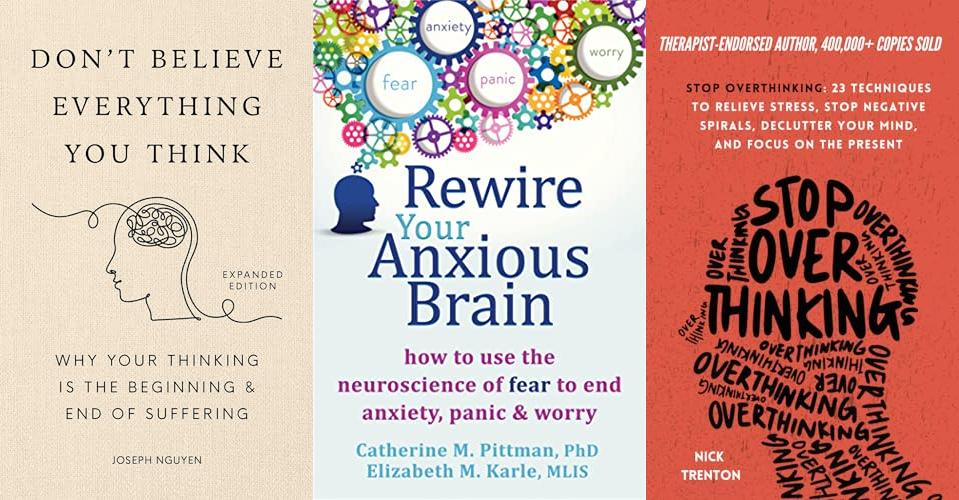
1. Don’t Believe Everything You Think (Expanded Edition): Why Your Thinking Is The Beginning & End Of Suffering (Books By Joseph Nguyen)

Rating: 9.3/10
Joseph Nguyen’s “Don’t Believe Everything You Think (Expanded Edition): Why Your Thinking Is The Beginning & End Of Suffering” is a book that helps readers understand their own thoughts. It explains how our thoughts can cause us to feel bad. The book offers ways to change how we think. This new edition has more information. It’s for anyone who wants to feel happier.
What We Like:
- The book offers clear explanations of complex ideas.
- It provides practical tips that readers can use right away.
- The expanded edition includes new insights and exercises.
- It helps readers understand why they feel certain emotions.
- The writing style is easy to understand for many readers.
What Could Be Improved:
- Some readers might find the concepts challenging at first.
- A few sections could benefit from more real-life examples.
This book offers valuable tools for anyone looking to improve their mental well-being. It empowers readers to take control of their thoughts and find more peace.
2. Rewire Your Anxious Brain: How to Use the Neuroscience of Fear to End Anxiety

Rating: 9.3/10
Feeling overwhelmed by worry and panic? “Rewire Your Anxious Brain: How to Use the Neuroscience of Fear to End Anxiety, Panic, and Worry” offers a fresh perspective on conquering those feelings. This book dives into the science behind why we feel anxious. It then shows you practical ways to change how your brain responds to fear. You will learn how to retrain your brain to feel calmer and more in control. It helps you understand the root of anxiety and gives you tools to manage it.
What We Like:
- Explains complex brain science in easy-to-understand terms.
- Provides actionable steps and exercises to practice.
- Empowers readers with a deeper understanding of their own anxiety.
- Focuses on long-term solutions rather than quick fixes.
What Could Be Improved:
- Some readers might find the initial scientific explanations a bit dense.
- The pace of change can vary greatly from person to person, which isn’t always clear.
This book is a valuable resource for anyone looking to understand and manage their anxiety. It offers hope and practical strategies for a calmer mind.
3. Stop Overthinking: 23 Techniques to Relieve Stress

Rating: 9.4/10
Do you find your mind racing with worries? Do negative thoughts get stuck on repeat? This book, “Stop Overthinking: 23 Techniques to Relieve Stress, Stop Negative Spirals, Declutter Your Mind, and Focus on the Present (The Path to Calm),” offers practical solutions. It provides simple, actionable steps to help you calm your mind. You’ll learn how to break free from endless thinking. The book guides you toward a more peaceful and focused life.
What We Like:
- Offers 23 clear and easy-to-understand techniques.
- Helps reduce stress and anxiety effectively.
- Teaches you how to stop negative thought cycles.
- Guides you to declutter your mind and think more clearly.
- Promotes focusing on the present moment for greater peace.
- The title clearly explains what the book offers.
What Could Be Improved:
- Some readers might wish for more in-depth explanations of certain techniques.
- The “N/A” feature list means we can’t comment on specific product materials or build quality.
This book is a valuable tool for anyone seeking mental clarity and calm. It empowers you to take control of your thoughts and live a more present life.
4. Unwinding Anxiety: New Science Shows How to Break the Cycles of Worry and Fear to Heal Your Mind

Rating: 9.0/10
Feeling overwhelmed by worry and fear? “Unwinding Anxiety: New Science Shows How to Break the Cycles of Worry and Fear to Heal Your Mind” offers a fresh perspective. This book dives into the latest scientific discoveries to help you understand and overcome anxiety. It gives you practical tools to quiet your mind and find peace.
What We Like:
- Explains complex science in an easy-to-understand way.
- Provides actionable steps to manage anxiety.
- Focuses on breaking negative thought patterns.
- Offers hope for a calmer, happier life.
What Could Be Improved:
- Some readers might find the scientific explanations a bit detailed.
- The book doesn’t offer specific advice for every single type of anxiety.
This book is a valuable resource for anyone looking to understand and heal from anxiety. It empowers you with knowledge and strategies to regain control of your thoughts and emotions.
5. Anxious for Nothing: Finding Calm in a Chaotic World

Rating: 8.9/10
Feeling overwhelmed by all the stress in your life? “Anxious for Nothing: Finding Calm in a Chaotic World” offers a fresh approach to managing those worries. This guide helps you understand why you feel anxious and gives you practical tools to find peace. It’s like having a calm friend by your side, ready to help you navigate through tough times. The book teaches you simple, effective ways to quiet your mind and feel more in control.
What We Like:
- Clear and easy-to-understand advice.
- Provides actionable steps you can use right away.
- Helps you build resilience against stress.
- Encourages a more positive outlook on life.
What Could Be Improved:
- Some readers might wish for more personal stories.
- Could benefit from a companion workbook for deeper practice.
This book is a valuable resource for anyone seeking a calmer, more peaceful existence. It empowers you to face challenges with confidence and find your inner peace.
Finding Your Calm: A Guide to Books on Anxiety
Feeling worried or stressed? You’re not alone. Many people deal with anxiety. Books can be a great way to learn about it and find ways to feel better. This guide will help you choose the right book for you.
What to Look For in a Book on Anxiety
When you pick a book about anxiety, think about what you want to get out of it.
Key Features to Look For
- Clear Explanations: The book should explain what anxiety is in simple terms. It should tell you why it happens and how it feels.
- Practical Tools: Look for books that offer exercises or techniques you can use. These might be breathing exercises, ways to challenge negative thoughts, or mindfulness tips.
- Relatable Stories: Sometimes, reading about others’ experiences can make you feel less alone. Personal stories can be very helpful.
- Expert Advice: Books written by therapists, psychologists, or researchers often have the most reliable information.
- Easy to Read: The language should be easy to understand. You don’t want to get confused by complicated words.
Important Materials
Most books on anxiety are made of paper. The paper quality can make a difference. Thicker paper feels nicer and the words won’t show through from the other side. The binding of the book is also important. A strong binding means the book will last longer.
Factors That Affect Quality
- Author’s Expertise: A book written by someone who truly understands anxiety will be much better than one written by someone who doesn’t. Check the author’s background.
- Research-Backed Information: Good books use information that is proven to work. They don’t just share opinions.
- Up-to-Date Information: Anxiety research changes. Newer books often have the latest and most helpful advice.
- Positive Tone: A book that is encouraging and hopeful can make a big difference. It should make you feel like you can get better.
- Too Much Jargon: If a book uses too many fancy words you don’t understand, it can make anxiety worse.
User Experience and Use Cases
- Self-Help: Many people use these books on their own at home. They read them to understand their feelings and try new coping skills.
- Therapy Support: Therapists sometimes recommend books to their clients. The book can help people practice what they learn in therapy.
- For Friends and Family: If you have a friend or family member who struggles with anxiety, reading a book can help you understand them better and know how to support them.
- Specific Anxieties: Some books focus on certain types of anxiety, like social anxiety or panic attacks. If you know what you’re dealing with, a specific book might be best.
Frequently Asked Questions About Books on Anxiety
Q: What are the main benefits of reading a book on anxiety?
A: Books can help you understand anxiety better. They give you tools to manage your worries and feel calmer. They also show you that you are not alone.
Q: Are all books on anxiety the same?
A: No, not all books are the same. Some focus on explaining anxiety, while others give you exercises to do. Some are written by experts, and others share personal stories.
Q: How do I know if a book is good for me?
A: Look for a book with clear explanations and practical tips. Check if the author is an expert. Read reviews if you can.
Q: Can a book completely cure anxiety?
A: A book can be a very helpful tool, but it might not be the only thing you need. Sometimes, talking to a doctor or therapist is also important.
Q: What if I don’t like a book I bought?
A: Many bookstores have return policies. You can also try borrowing books from the library to see if you like them before buying.
Q: Are there books for different types of anxiety?
A: Yes, there are books that focus on specific anxieties like social anxiety, generalized anxiety disorder, or panic attacks.
Q: What is mindfulness, and will books explain it?
A: Mindfulness means paying attention to the present moment without judging. Many books on anxiety explain mindfulness and give you ways to practice it.
Q: Should I look for books with exercises or just information?
A: Both can be useful. Books with exercises give you hands-on ways to practice coping skills. Books with information help you understand why you feel the way you do.
Q: Can children read books on anxiety?
A: Yes, there are books written specifically for children that explain anxiety in a way they can understand. These books often use stories and pictures.
Q: How often should I read my anxiety book?
A: There’s no set rule. Read it when you feel you need it. You can also try reading a little bit each day to learn new techniques.
In conclusion, every product has unique features and benefits. We hope this review helps you decide if it meets your needs. An informed choice ensures the best experience.
If you have any questions or feedback, please share them in the comments. Your input helps everyone. Thank you for reading.