
Does your engine sputter and cough, refusing to start on a cold morning? That frustrating hesitation could be a sign of a dirty carburetor, the unsung hero that mixes fuel and air for your engine. But navigating the world of carburetor cleaners can feel like trying to decipher a secret code. With so many brands and types, how do you pick the one that will truly bring your engine back to life without causing more harm than good?
Choosing the wrong cleaner can lead to wasted money, stubborn clogs, or even damage to sensitive parts. It’s a common headache for DIY mechanics and car enthusiasts alike. But don’t worry! This post is here to cut through the confusion. We’ll break down what makes a carburetor cleaner effective, what to look for, and how to use it safely.
By the end of this guide, you’ll feel confident in selecting the best carburetor cleaner for your needs. You’ll learn how to identify the right product to tackle those stubborn carbon deposits and gummed-up jets, ensuring a smoother, more powerful engine. Let’s dive in and get your ride running like new!
Our Top 5 Carburetor Cleaner Recommendations at a Glance
Top 5 Carburetor Cleaner Detailed Reviews
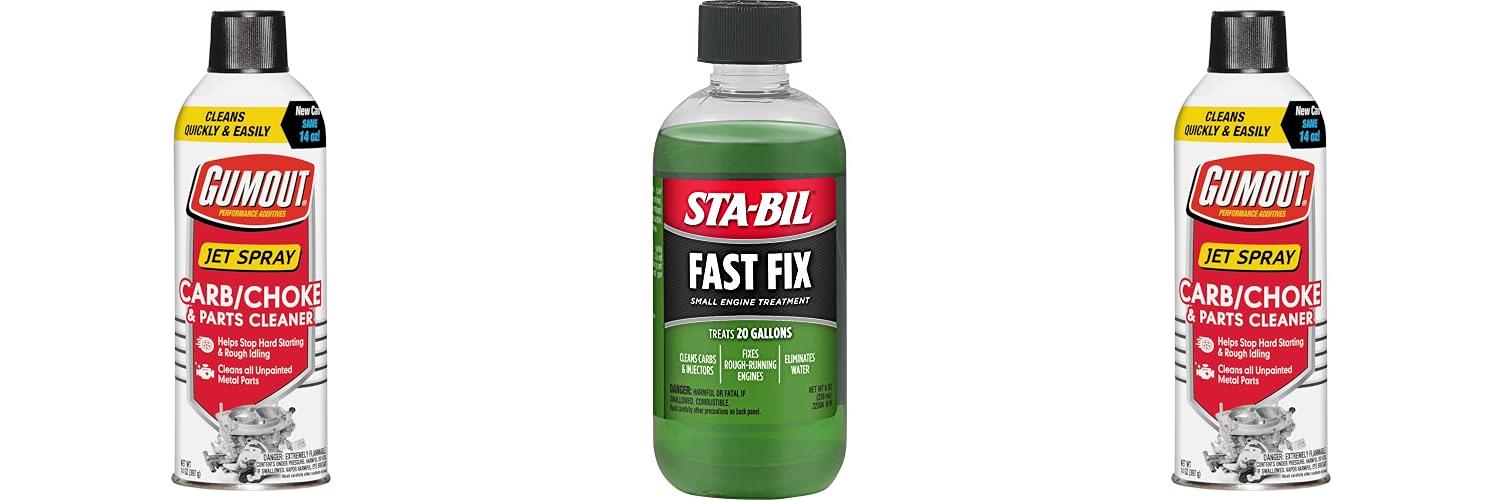
1. Gumout 800002231 Carb/Choke Carburetor Cleaner Spray

Rating: 9.2/10
Is your car having trouble starting? Does it idle roughly or even stall out? The Gumout 800002231 Carb/Choke Carburetor Cleaner Spray might be the solution you need. This spray is designed to clean out the gunk and grime that builds up inside your carburetor and choke. It tackles tough deposits like gum, varnish, and dirt, both inside and outside the carburetor chamber. By clearing these blockages, it helps your engine run smoother and can even save you money on gas.
What We Like:
- Helps fix hard starting, rough idling, and stalling issues.
- Quickly removes stubborn deposits from inside and outside the carburetor.
- Improves engine performance and boosts fuel economy.
- Cleans gum, varnish, and dirt from clogged carburetors and choke valves.
- Effectively cleans unpainted metal parts.
- It dries quickly after use.
- Helps reduce high exhaust emissions.
- Prevents future build-up for long-lasting results.
What Could Be Improved:
- The spray can be a bit messy if not used carefully.
- Some users might find the chemical smell strong.
This cleaner is a powerful tool for keeping your engine running at its best. Give your car the tune-up it deserves and experience smoother performance and better gas mileage.
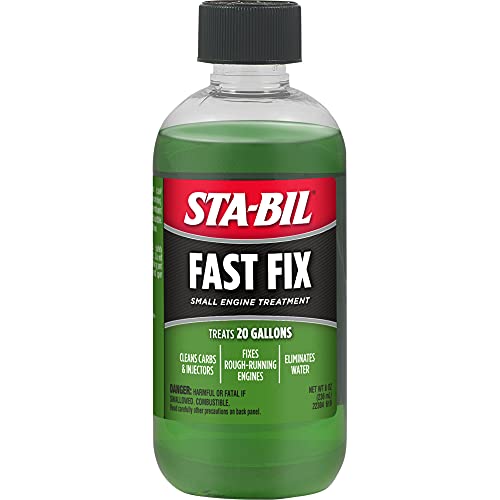
2. STA-BIL Fast Fix – Small Engine Treatment
Rating: 9.0/10
Is your small engine equipment sputtering, refusing to start, or running rough? The STA-BIL Fast Fix – Small Engine Treatment is here to help! This green formula tackles common fuel system problems, making your lawn mower, chainsaw, or snow blower run smoothly again. It’s designed to clean out gunk and get your engines back in action.
What We Like:
- Fixes rough-running and no-start engines by breaking down gum and varnish.
- Effectively removes water from your fuel system, preventing damage.
- Works on both 2-cycle and 4-cycle small engines, including lawn mowers, chainsaws, trimmers, snow blowers, and generators.
- Easy to use; just add to your fuel and let it work.
- One 8oz bottle treats up to 20 gallons of fuel.
- The product remains good for use up to 2 years after opening.
What Could Be Improved:
- While it helps fix many issues, persistent problems might still require a mechanic.
- The directions suggest a 15-minute run time, which might be difficult for some equipment if it barely starts.
STA-BIL Fast Fix is a simple solution for many small engine woes. It’s a worthwhile addition to your maintenance toolkit to keep your outdoor power equipment running reliably.
3. Gumout 800002231 Carb/Choke Carburetor Cleaner Spray
Rating: 8.6/10
Is your car or truck having trouble starting? Does it idle roughly, stall out, or seem to be polluting more than usual? The Gumout 800002231 Carb/Choke Carburetor Cleaner Spray is designed to tackle these common engine problems. This powerful cleaner gets rid of sticky gum, varnish, and dirt both inside and outside your carburetor and choke. It comes in a convenient pack of six 14-ounce cans, ensuring you have plenty on hand for maintenance or multiple vehicles. Plus, its 50-state VOC-compliant formulation means it meets environmental standards across the country.
What We Like:
- Effectively cleans gum, varnish, and dirt from carburetors and chokes.
- Helps fix issues like hard starting, rough idling, and stalling.
- Reduces high exhaust emissions for a cleaner-running engine.
- 50-state VOC compliant for widespread use.
- Comes in a value pack of six cans.
What Could Be Improved:
- The spray can might require some effort to depress for some users.
- The strong chemical smell is noticeable during use.
This Gumout cleaner is a practical solution for keeping your engine running smoothly. It’s a great way to address common performance issues and maintain your vehicle’s health.
4. Berryman 0996-ARM B-9 Chem Dip Parts Cleaner with Basket and Armlock

Rating: 8.6/10
Tired of stubborn grime on your car parts? The Berryman 0996-ARM B-9 Chem Dip Parts Cleaner is here to help. This powerful cleaner tackles tough messes like gum, varnish, sludge, and baked-on carbon. It also cuts through oil and grease with ease. You can trust it to clean metal parts without damaging plastic, rubber, or painted surfaces. Plus, it’s safe to use on most metals and alloys. This cleaner is VOC compliant everywhere in the U.S., making it a great choice for any mechanic or DIYer.
What We Like:
- It cleans really fast.
- It works on tough stuff like gum, varnish, sludge, and carbon.
- It’s safe for plastic, rubber, and painted parts.
- It’s compatible with most metals.
- It meets VOC rules in all 50 states.
- The pail comes with a handy basket and Armlock.
What Could Be Improved:
- The 3/4-gallon size might be small for very large projects.
This Berryman cleaner makes tough jobs easier. It’s a reliable solution for getting your parts looking like new again.
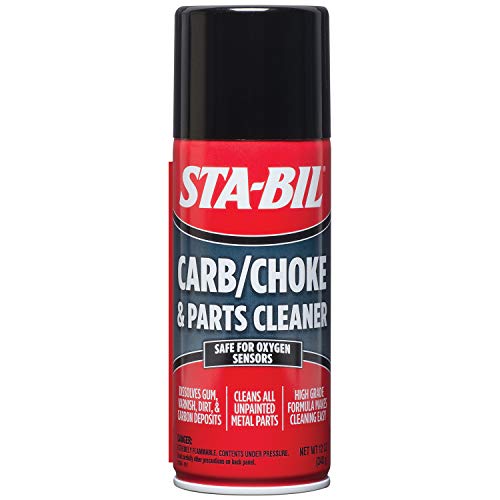
5. STA-BIL Carb/Choke & Parts Cleaner – Safe For Oxygen Sensors – Dissolves Gum
Rating: 8.8/10
Is your engine sputtering or having trouble starting? The STA-BIL Carb/Choke & Parts Cleaner is here to help. This powerful cleaner tackles tough gunk like gum, varnish, dirt, and carbon. It works fast to get your engine running smoothly again. Plus, it’s safe for important parts like oxygen sensors, so you don’t have to worry about causing more problems.
What We Like:
- Cleans out stubborn gum, varnish, dirt, lead, and carbon deposits quickly.
- Helps your engine start faster and idle more smoothly.
- Uses a high-quality formula that cleans all unpainted metal parts.
- Leaves no oily residue behind after cleaning.
- Works on both gasoline and diesel engines.
- Safe for catalytic converters and oxygen sensors.
- Restores your engine’s performance and improves gas mileage.
What Could Be Improved:
- The can size might be a bit small for very large cleaning jobs.
- May require good ventilation due to strong fumes.
This cleaner is a solid choice for anyone looking to boost their engine’s health. It’s effective and safe for many engine components.
Your Carburetor’s Best Friend: A Guide to Carburetor Cleaner
A dirty carburetor can make your engine sputter and stall. Carburetor cleaner is a spray that helps clean out the gunk and grime. This guide will help you pick the best one for your needs.
What is Carburetor Cleaner?
Carburetor cleaner is a special spray. It dissolves fuel deposits, varnish, and carbon. These build-ups can clog your carburetor. A clean carburetor helps your engine run smoothly.
Key Features to Look For
- Fast-Acting Formula: You want a cleaner that works quickly. It should break down tough deposits without a lot of scrubbing.
- Safe for Various Materials: Good cleaners won’t harm rubber or plastic parts in your carburetor. This is important because many carburetors have these parts.
- Deep Penetration: The spray needs to get into all the small passages of the carburetor. This ensures a thorough cleaning.
- Non-Detergent: Some cleaners are too harsh. A non-detergent formula is gentler. It cleans without leaving residue that can cause new problems.
Important Materials
Most carburetor cleaners use a blend of strong solvents. Common solvents include acetone, xylene, and toluene. These chemicals are good at dissolving grease and fuel residue. The exact mix of these materials determines how strong and fast the cleaner works. Some cleaners also have additives. These can help prevent corrosion or improve the spray pattern.
Factors That Improve or Reduce Quality
Quality Boosters:
- Concentration of Solvents: A higher concentration of effective solvents usually means a better, faster clean.
- Specialized Additives: Some cleaners have extra ingredients. These might help protect metal parts or make the spray more effective on certain types of gunk.
- Reputable Brands: Well-known brands often invest more in research. This leads to better formulas and consistent quality.
Quality Reducers:
- Weak Solvents: If a cleaner uses weak solvents, it won’t break down tough deposits. You will have to spray more and work harder.
- Harmful Additives: Some cheaper cleaners might have additives. These could damage rubber seals or plastic components.
- Inconsistent Formulas: Sometimes, different batches of the same product can vary. This can lead to unpredictable results.
User Experience and Use Cases
Who Uses Carburetor Cleaner?
- DIY Mechanics: People who work on their own cars, motorcycles, or lawnmowers often use it.
- Small Engine Owners: Anyone with a small engine, like in a generator or weed trimmer, might need it.
- Restoration Enthusiasts: People restoring old vehicles find it useful.
When Do You Need It?
- Engine Idles Poorly: If your engine shakes or runs rough when it’s not moving, the carburetor might be dirty.
- Engine Stalls: If your engine dies unexpectedly, a clogged carburetor is a common cause.
- Hesitation or Stumbling: When you press the gas pedal, if the engine hesitates, it could be a carburetor issue.
- Hard Starting: If your engine is difficult to start, especially when cold, a dirty carburetor can be the culprit.
- Routine Maintenance: Some people use it as part of regular engine upkeep to prevent problems.
Using carburetor cleaner is usually straightforward. You typically spray it directly into the carburetor’s throat while the engine is off. Always follow the instructions on the can. Make sure you work in a well-ventilated area. Safety first!
Frequently Asked Questions (FAQ)
Q: How often should I use carburetor cleaner?
A: You usually only need to use it when you notice problems with your engine. Some people use it for preventative maintenance once a year.
Q: Will carburetor cleaner damage my engine?
A: When used as directed, it should not damage your engine. However, always check if it’s safe for rubber and plastic parts in your specific carburetor.
Q: Can I use brake cleaner instead of carburetor cleaner?
A: While both are strong cleaners, brake cleaner can be too harsh for carburetor components. It’s best to use a product made specifically for carburetors.
Q: What should I do if the cleaner doesn’t work?
A: If the cleaner doesn’t solve the problem, the carburetor might be too clogged. You may need to remove and disassemble the carburetor for a deeper clean.
Q: Is carburetor cleaner flammable?
A: Yes, most carburetor cleaners are highly flammable. Keep them away from open flames and sparks.
Q: Can I spray it into the fuel tank?
A: There are fuel system cleaners that go in the tank. Carburetor cleaner is usually sprayed directly into the carburetor itself.
Q: How long does it take for carburetor cleaner to work?
A: It can work within minutes, but for very stubborn build-up, you might need to let it soak for a bit before re-spraying or cleaning.
Q: Do I need to wear gloves?
A: Yes, it’s a good idea to wear chemical-resistant gloves. The solvents can irritate your skin.
Q: Where can I buy carburetor cleaner?
A: You can find it at auto parts stores, hardware stores, and online retailers.
Q: What are the signs of a dirty carburetor?
A: Signs include rough idling, stalling, poor acceleration, and difficulty starting.
In conclusion, every product has unique features and benefits. We hope this review helps you decide if it meets your needs. An informed choice ensures the best experience.
If you have any questions or feedback, please share them in the comments. Your input helps everyone. Thank you for reading.