
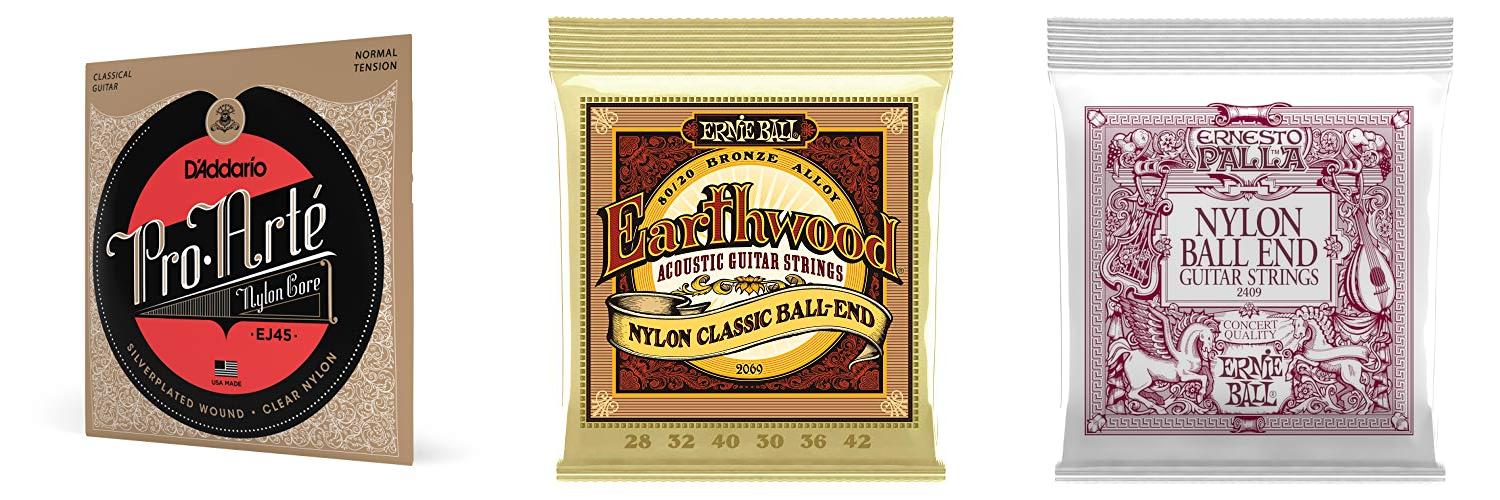
Imagine a world where your classical guitar sings with pure, resonant beauty. But sometimes, it just doesn’t sound quite right. Have you ever wondered if your guitar strings might be the reason? Choosing the perfect classical guitar strings can feel like navigating a maze. There are so many different materials, tensions, and brands, it’s easy to feel overwhelmed and frustrated.
The right strings make a huge difference in how your guitar sounds and feels. They can affect your tone, your playability, and even how long you enjoy practicing. Picking the wrong ones can lead to a dull sound, buzzing notes, or strings that feel too stiff or too loose. It’s a common problem for guitarists, from beginners just starting their journey to experienced players looking for that perfect sound.
But don’t worry! By the end of this post, you’ll have a much clearer understanding of what makes classical guitar strings tick. We’ll break down the confusing options, explain what each type does, and help you figure out which strings will make your guitar truly shine. Get ready to discover the secrets to unlocking your instrument’s full potential.
Our Top 5 Classical Guitar Strings Recommendations at a Glance
Top 5 Classical Guitar Strings Detailed Reviews
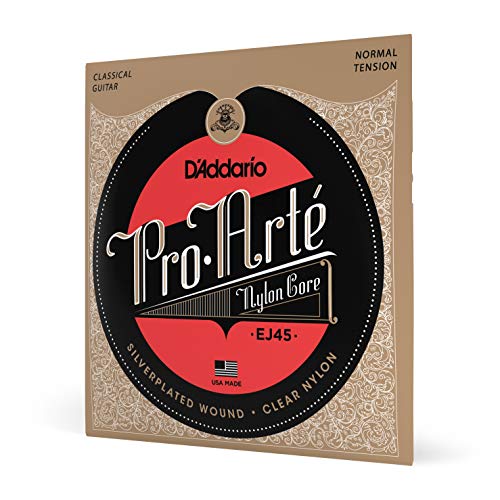
1. D’Addario Pro Arté Nylon Classical Guitar Strings
Rating: 8.8/10
Discover the classic sound you love with D’Addario Pro Arté Nylon Classical Guitar Strings, EJ45, Normal Tension. These strings are designed for the traditional classical guitar tone that many musicians cherish. They bring out a sweet, mellow warmth in your playing.
What We Like:
- They deliver the standard classical guitar tone many players love.
- The strings feel great to play and produce a warm sound.
- They have tie-ends, a nylon core, and silver-plated copper wrap wire for a good feel.
- You can earn reward points by registering a code from the bag.
- They are made in the USA with careful attention to detail.
What Could Be Improved:
- Some players might prefer higher tension for a different feel.
- The silver plating on the wrap wire could potentially wear over time for very heavy players.
For any classical guitarist seeking that authentic, warm tone and comfortable playability, these D’Addario Pro Arté strings are a fantastic option. They offer a reliable and rewarding playing experience.
2. Ernie Ball Folk Nylon Clear & Gold Ball-End 80/20 Bronze Acoustic Guitar Strings

Rating: 9.2/10
These Ernie Ball Folk Nylon Clear & Gold Ball-End 80/20 Bronze Acoustic Guitar Strings offer a unique sound for your acoustic guitar. They combine the warmth of nylon with the brightness of 80/20 bronze, giving you a lively and full tone. The multifilament nylon core makes them comfortable to play, and the ball-ends make them super easy to put on your guitar.
What We Like:
- They produce a full and lively sound that’s great for folk music.
- The nylon strings are gentle on your fingers, making them comfortable for long playing sessions.
- Installing these strings is a breeze thanks to the ball-ends.
- The combination of nylon and 80/20 bronze creates a bright yet warm tone.
What Could Be Improved:
- The gauges (.028, .032, .040p, .030, .036, .042) might be a bit light for players who prefer a heavier feel or a very powerful strum.
- Some players might find the bronze wrap wears out a bit faster than other types of strings.
If you’re looking for a comfortable and vibrant sound for your acoustic guitar, these Ernie Ball strings are a solid choice. They bring a nice character to your playing without being hard on your fingertips.
3. Ernie Ball 2409 Ernesto Palla Nylon Black and Gold Classical Ball End Set

Rating: 8.6/10
The Ernie Ball 2409 Ernesto Palla Nylon Black and Gold Classical Ball End Set is a great choice for classical guitar players. It features black nylon trebles and 80/20 bronze wound basses. This combination gives your guitar a bright and clear sound. The strings have medium tension, which feels comfortable when you play. They also come with ball-ends, making them super easy to put on your guitar. This set is designed for classical guitars and comes in gauges from .028 to .043. It’s a perfect way to refresh your instrument’s sound.
What We Like:
- The black nylon trebles and 80/20 bronze wound basses create a bright and clear tone.
- Medium tension is comfortable for playing.
- Ball-ends make installation quick and easy.
- Designed specifically for classical guitars.
What Could Be Improved:
- Some players might prefer a different tension.
- The gauge range might not suit every single player’s preference.
Overall, this Ernie Ball set offers a fantastic sound and easy setup for your classical guitar. It’s a solid option for players looking for a reliable and great-sounding string set.
4. D’Addario Student Nylon Classical Guitar Strings

Rating: 9.4/10
The D’Addario Student Nylon Classical Guitar Strings, EJ27N-3D, Normal Tension, 6-String Set, Pack of 3 is a fantastic choice for anyone just starting out on the classical guitar. This set is made to help new players learn and grow, offering a comfortable and pleasant sound. It’s a great way to get your musical journey started with reliable strings.
What We Like:
- These strings are designed especially for beginner guitarists.
- They offer a good balance of warm sound and clear projection, perfect for students.
- The strings have tie ends and are made with quality materials: nylon core basses wound with silver-plated copper and clear nylon treble strings.
- You can earn reward points by registering a code found on the recyclable bag, which is a nice bonus.
- The strings are made in the USA with high standards.
What Could Be Improved:
- While great for beginners, more experienced players might want strings with a slightly different tonal quality for advanced techniques.
- The normal tension might not be ideal for every player’s preference; some might prefer lighter or heavier tension.
Overall, the D’Addario Student Nylon Classical Guitar Strings are an excellent value for new guitarists. They provide a solid foundation for learning and developing your skills.
5. Augustine Strings Classic Black – Low Tension Classical Guitar Strings – The Original Nylon String – 1 Set

Rating: 8.6/10
Augustine Strings Classic Black – Low Tension Classical Guitar Strings – The Original Nylon String – 1 Set brings a touch of history to your guitar. These are the strings that legendary players like Andres Segovia used. They are made right here in New York by the company that first invented nylon guitar strings. This set gives you normal tension nylon for the high notes and low tension silver for the lower notes. It’s a classic choice for any classical guitarist.
-
What We Like:
- The nylon trebles feel smooth and comfortable.
- The silver basses produce a warm, rich sound.
- They offer a balanced tone that many guitarists love.
- The low tension makes them easier to play, especially for beginners.
- They carry the legacy of the original nylon guitar string.
-
What Could Be Improved:
- Some players might prefer higher tension for a brighter sound.
- The silver basses can wear down over time with heavy playing.
If you’re looking for that classic nylon string sound and feel, these Augustine strings are a fantastic option. They offer a comfortable playing experience and a beautiful tone that has stood the test of time.
Choosing the Right Classical Guitar Strings: Your Ultimate Guide
Selecting the perfect classical guitar strings can make a big difference in how your instrument sounds and feels. This guide will help you understand what to look for.
Key Features to Look For
When you shop for classical guitar strings, keep these important things in mind:
- Tension: This is how tight the strings feel when you play.
- Low Tension: These strings are easier to press down. They often have a softer, warmer sound. Beginners might like these.
- Medium Tension: This is a good middle ground. They offer a balanced sound and feel. Many players find this tension works well.
- High Tension: These strings are tighter and harder to press. They give a louder, brighter sound. Experienced players sometimes prefer these for more projection.
- Treble String Material: The thin strings (G, B, high E) are called trebles.
- Nylon: This is the most common material. It gives a clear, sweet tone.
- Composite: Some strings use a special composite material for the G string. This can make it sound brighter and louder.
- Bass String Material: The thick strings (E, A, D) are called basses. They are usually wound with metal.
- Silver-Plated Copper: This is a popular choice. It gives a rich, warm sound.
- Bronze: This can make the basses sound brighter and more projective.
- 80/20 Bronze: This is another type of bronze that offers a bright tone.
- Coating: Some strings have a thin coating on them.
- Coated Strings: These can last longer. They also help reduce finger noise when you move your fingers.
Important Materials Explained
The materials used in strings greatly affect their sound and how long they last.
- Nylon: This is a type of plastic. It is flexible and produces a classic classical guitar sound. Different types of nylon exist, like clear nylon, rectified nylon (which is sanded for a smoother feel), and carbon nylon (which is thinner and brighter).
- Composite Materials: These are man-made materials. They are often used for the G string to make it sound louder and clearer than traditional nylon.
- Metal Winding: The bass strings have a core string (usually nylon) wrapped with metal.
- Copper: This metal is often plated with silver or other materials.
- Silver Plating: This coating on copper strings gives them a smooth feel and a warm sound.
- Bronze: This is an alloy of copper and tin. It produces a brighter tone than silver-plated copper.
Factors That Improve or Reduce Quality
Several things can make strings sound better or worse.
- Brand Reputation: Well-known string makers often use better materials and have stricter quality control. This usually means more consistent and higher-quality strings.
- Manufacturing Process: How the strings are made matters. Good manufacturing ensures even winding on the bass strings and consistent thickness on the trebles. This leads to better intonation (playing in tune) and a more pleasing sound.
- Storage: Strings can be damaged if stored improperly. Exposure to moisture or extreme temperatures can make them sound dull or break easily. Fresh strings sound their best.
- Age: Even good strings will eventually wear out. As you play them, they get dirty and the metal can corrode. This makes them sound less bright and can affect their intonation.
User Experience and Use Cases
Who uses classical guitar strings and why?
- Beginners: Many beginners start with low or medium tension nylon strings. They are easier on the fingers and help build strength and technique without causing too much discomfort. The warm sound of nylon is also very pleasing for new players.
- Intermediate Players: These players often experiment with different tensions and materials. They might choose medium or high tension for more volume or a brighter tone. They might also try composite G strings for added clarity.
- Advanced Players and Professionals: They often have specific preferences for sound and feel. They might choose high-tension strings for a powerful sound that cuts through in an ensemble. Some might prefer specific brands or materials for their unique tonal qualities.
- Classical Music: These strings are designed for the nylon-stringed classical guitar. They are ideal for playing classical pieces, flamenco music, and other styles that require a warm, rich, and nuanced tone.
- Folk and Fingerstyle: While not exclusively for classical guitars, some folk and fingerstyle players on other types of guitars might use classical strings for a softer, mellower sound.
Frequently Asked Questions About Classical Guitar Strings
Q: What is the biggest difference between nylon and steel strings?
A: Nylon strings are used on classical guitars and have a softer, warmer sound. Steel strings are used on acoustic guitars and have a brighter, louder sound.
Q: How often should I change my classical guitar strings?
A: You should change your strings about every 1-3 months, or when they start to sound dull or feel rough. Playing often means you might need to change them more frequently.
Q: What does “tension” mean for guitar strings?
A: Tension is how tight the strings feel when you play them. Lower tension strings are easier to press down, while higher tension strings are harder but can be louder.
Q: Are composite G strings better than nylon?
A: Composite G strings are often brighter and louder than standard nylon G strings. Whether they are “better” depends on the sound you want.
Q: Can I use classical guitar strings on an electric guitar?
A: No, you cannot. Classical guitar strings are made for nylon-stringed instruments and will not work properly on an electric guitar, which uses steel strings.
Q: Do coated strings really last longer?
A: Yes, coated strings often last longer because the coating protects them from dirt and corrosion, which can make strings sound bad.
Q: What is the best string tension for a beginner?
A: Low or medium tension strings are usually best for beginners because they are easier to press down and less tiring for your fingers.
Q: How do I know if my strings are old?
A: Old strings often sound dull and lack brightness. They might also feel rough or corroded, and your guitar may not stay in tune as well.
Q: Why do bass strings sound different from treble strings?
A: Bass strings are thicker and have metal windings around a core. This construction gives them a deeper, richer tone compared to the thinner, single-strand treble strings.
Q: Where can I find good quality classical guitar strings?
A: You can find good quality strings at your local music store or from reputable online music retailers. Checking reviews can also help you find the best options.
In conclusion, every product has unique features and benefits. We hope this review helps you decide if it meets your needs. An informed choice ensures the best experience.
If you have any questions or feedback, please share them in the comments. Your input helps everyone. Thank you for reading.