
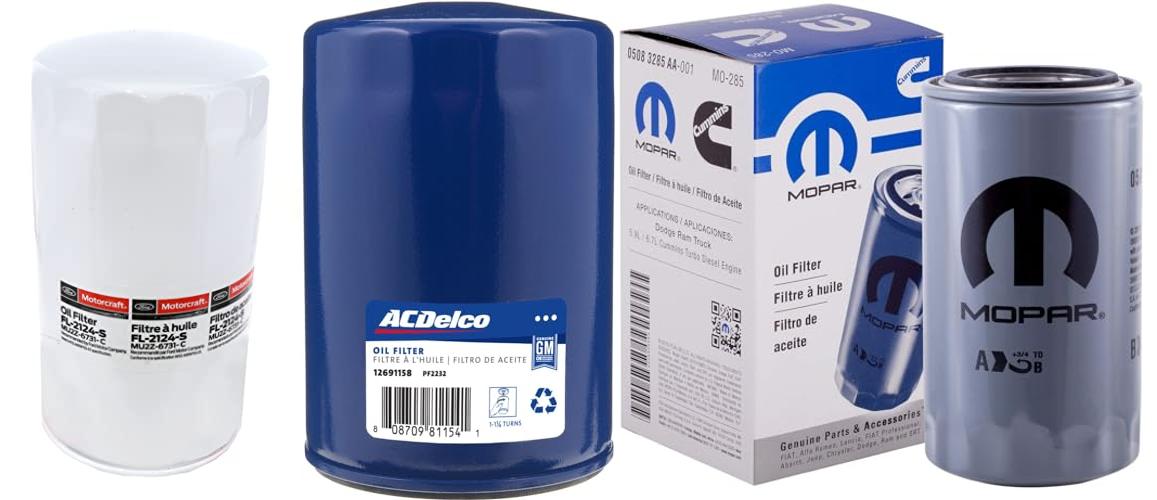
Imagine your diesel engine working hard, pushing power through every gear. But what’s protecting that powerful heart? It’s the humble diesel oil filter, a small part that does a huge job. Yet, choosing the right one can feel like navigating a maze. Do you go for the cheapest option, or the one with the fanciest name? It’s a common struggle for many diesel owners, and the wrong choice can lead to costly repairs down the road.
This is why understanding your diesel oil filter is so important. It’s the unsung hero that keeps your engine clean and running smoothly. In this post, we’re going to break down exactly what makes a good diesel oil filter. We’ll explore what to look for, what to avoid, and how to pick the perfect filter for your truck or equipment. Get ready to learn how to keep your engine purring like a kitten, not coughing like an old bear!
Our Top 5 Diesel Oil Filter Recommendations at a Glance
| Image | Product | Rating | Links |
|---|---|---|---|
 |
Motorcraft Oil Filter – FL2124S (Replaces FL2051S) | 9.1/10 | Check Price |
 |
ACDelco GM Original Equipment PF2232 Engine Oil Filter | 9.0/10 | Check Price |
 |
Mopar Engine Oil Filter – 5083285AA | 9.4/10 | Check Price |
 |
Doc’s Diesel Oil Filter D6128 | 9.2/10 | Check Price |
 |
Wix Filters – 57620 Heavy Duty Spin-On Lube Filter | 9.3/10 | Check Price |
Top 5 Diesel Oil Filter Detailed Reviews
1. Motorcraft Oil Filter – FL2124S (Replaces FL2051S)
Rating: 8.5/10
The Motorcraft Oil Filter – FL2124S (Replaces FL2051S) is a dependable choice for keeping your engine running smoothly. Motorcraft is known for making top-notch car parts. This filter is a direct replacement for the FL2051S, making the switch easy. It’s built to last and protect your engine from dirt and debris.
What We Like:
- It’s made by a leading manufacturer known for quality.
- Motorcraft has a great reputation worldwide for its many excellent products.
- This filter is designed to effectively trap contaminants, keeping your oil clean.
- It offers a direct fit, simplifying installation for many vehicles.
What Could Be Improved:
- While widely available, sometimes finding specific Motorcraft parts can take a little searching depending on your location.
- The packaging could sometimes be more robust to prevent minor damage during shipping.
If you’re looking for a reliable oil filter that offers great performance and is backed by a trusted brand, the Motorcraft FL2124S is a solid option to consider for your vehicle’s maintenance.
2. ACDelco GM Original Equipment PF2232 Engine Oil Filter
Rating: 8.9/10
The ACDelco GM Original Equipment PF2232 Engine Oil Filter is a vital part of keeping your engine running smoothly. It acts like a tiny bodyguard for your engine’s most important moving parts. This filter works hard to catch tiny, rough bits of dirt and debris. This keeps those abrasive particles from reaching your engine’s bearings and other hydraulic parts. This is crucial for preventing wear and tear. ACDelco GM Original Equipment parts are made with quality in mind. They are designed and tested to meet tough standards. General Motors backs these parts. GM engineers make sure these parts are a perfect fit for your Chevrolet, Buick, GMC, or Cadillac. They even update designs with new materials and technology to make them even better.
What We Like:
- It effectively keeps abrasive particles away from critical engine components, protecting them from damage.
- These are Genuine GM Original Equipment parts, meaning they are designed specifically for your vehicle.
- GM engineers rigorously test and validate these filters to ensure they meet high standards.
- Backed by General Motors, you can trust the quality and performance.
- The design is regularly updated with new materials and technologies for optimal performance.
What Could Be Improved:
- Sometimes these parts may have previously been known under different names like GM Genuine Parts (OE) or ACDelco Professional, which can cause slight confusion during purchase.
- Availability might vary depending on region or specific vehicle model.
Overall, the ACDelco GM Original Equipment PF2232 Engine Oil Filter is a reliable choice for maintaining your vehicle’s engine health. It offers excellent protection and is built to the exact standards your GM vehicle deserves.
3. Mopar Engine Oil Filter – 5083285AA
Rating: 8.6/10
The Mopar Engine Oil Filter – 5083285AA is a vital component for keeping your vehicle’s engine running smoothly. This filter is designed to trap dirt and other small particles that can harm your engine. It ensures that only clean oil circulates, protecting crucial engine parts from wear and tear. Regular replacement of your oil filter, like this Mopar model, helps extend the life of your engine and maintains its performance.
What We Like:
- Built to Mopar’s high standards for your specific vehicle.
- Effective at capturing contaminants, keeping your oil clean.
- Designed for a proper fit, making installation straightforward.
- Helps maintain optimal engine performance and longevity.
What Could Be Improved:
- The package dimensions (11″ L x 5″ W x 8″ H) are a bit larger than some other filters, which might affect storage for some users.
- At 1.5 pounds, it’s not the lightest filter available, though this often indicates robust construction.
This Mopar Engine Oil Filter – 5083285AA is a reliable choice for maintaining your vehicle’s engine health. It’s a solid investment for any car owner looking to protect their engine.
4. Doc’s Diesel Oil Filter D6128
Rating: 9.3/10
Keep your Ford Powerstroke engine running strong with the Doc’s Diesel Oil Filter D6128. This premium oil filter is built tough to handle the demands of your truck. It catches dirt, metal bits, and other gunk in your oil, which helps protect your engine. This means your truck can run more efficiently and save you fuel. It works with all kinds of oil, whether it’s synthetic, regular, or a blend. The filter media is high-flow and the metal housing is super strong, so it lasts longer and filters better. Changing your oil filter regularly is key to a smooth-running engine and preventing it from getting too hot.
-
What We Like:
- Excellent filtration: It removes 99% of particles down to 25 microns, keeping your oil clean.
- Built to last: The heavy-duty metal housing and high-flow synthetic media ensure durability and long life.
- Wide compatibility: Fits many Ford 6.7L Powerstroke models from 2011 to 2025.
- Great replacement option: It’s a direct swap for Motorcraft FL2051 and other popular brands.
- Protects your engine: Helps prevent wear and tear, keeping your engine healthy.
- Improves fuel efficiency: Cleaner oil means your engine works less, saving you gas.
-
What Could Be Improved:
- Replacement interval guidance: While it suggests 5,000-7,000 miles, always follow your vehicle’s manufacturer recommendations for warranty.
The Doc’s Diesel Oil Filter D6128 is a reliable and effective choice for keeping your Ford Powerstroke engine in top shape. It offers great protection and performance for your hard-working truck.
5. Wix Filters – 57620 Heavy Duty Spin-On Lube Filter
Rating: 9.5/10
The Wix Filters – 57620 Heavy Duty Spin-On Lube Filter is a tough filter designed to keep your vehicle’s engine oil clean. This filter is made for specific vehicles, meaning it should fit your car just right. It’s a spin-on type, so it’s usually easy to install. This pack comes with one filter.
What We Like:
- Heavy-duty construction suggests it’s built to last and handle tough conditions.
- Vehicle-specific fit means you get the right part for your car, which helps ensure proper function.
- Spin-on design often makes installation straightforward for DIYers.
What Could Be Improved:
- The filter originates from China, which might be a concern for some buyers regarding manufacturing standards.
- The package dimensions are fairly large for a single filter, which could affect storage or shipping costs.
This Wix filter offers robust protection for your engine. It’s a solid choice for keeping your oil in great shape.
Your Guide to Choosing the Best Diesel Oil Filter
Your diesel engine works hard. It needs clean oil to run smoothly and last a long time. The oil filter is like the engine’s bodyguard, catching all the tiny dirt and gunk before it can cause damage. Picking the right one is important!
Why is a Good Oil Filter So Important?
Diesel engines deal with a lot of stress. They burn fuel, and this burning creates soot. Oil picks up this soot, along with metal bits from wear and tear, and other tiny particles. If this dirty oil circulates, it’s like sandpaper on your engine’s parts. A good oil filter traps these impurities, keeping your oil clean and your engine happy. This means fewer repairs and better performance.
Key Features to Look For in a Diesel Oil Filter
When you’re shopping for a diesel oil filter, keep these important things in mind:
- Filtration Efficiency: This tells you how well the filter can trap small particles. Higher efficiency means cleaner oil. Look for filters that mention micron ratings – smaller numbers mean better filtration.
- Flow Rate: The filter needs to let oil flow through easily. If it’s too restrictive, your engine might not get enough oil, especially when it’s cold or working hard. A good filter balances filtration with proper flow.
- Durability and Construction: The filter should be built tough. It needs to withstand high oil pressure and temperature changes without leaking or collapsing.
- Sealing: A good seal prevents oil from bypassing the filter. This is crucial. If oil goes around the filter, it’s not getting cleaned.
- Anti-Drainback Valve (if applicable): Some filters have this feature. It keeps oil in the filter when the engine is off, so the engine has oil pressure immediately when you start it up. This is especially helpful for older engines or those that sit for a while.
Important Materials that Make a Difference
The materials used in an oil filter greatly affect its quality:
- Filter Media: This is the heart of the filter.
- Cellulose: A common and affordable option. It works well for general use.
- Synthetic: These are often more efficient and can trap smaller particles. They also tend to last longer.
- Blends: Many filters use a mix of cellulose and synthetic fibers to offer a good balance of performance and cost.
- Gasket Material: The rubber seal around the filter needs to be oil-resistant and flexible to create a tight seal. High-quality rubber is essential.
- Canister Material: The metal housing should be strong and corrosion-resistant to protect the filter media inside.
Factors That Improve or Reduce Quality
Several things can make an oil filter better or worse:
- Improving Quality:
- High-Quality Filter Media: As mentioned, better media means better filtration.
- Robust Construction: Stronger materials and better assembly techniques make the filter more reliable.
- Precision Engineering: Filters designed specifically for your engine model usually fit better and work more effectively.
- Reputable Brands: Well-known brands often invest more in research and development, leading to better products.
- Reducing Quality:
- Cheap Materials: Using low-grade filter paper or weak housing can lead to premature failure.
- Poor Assembly: Bad seals or loose parts mean the filter won’t do its job.
- Generic Fitment: Filters designed to fit many different vehicles might not be optimized for your specific engine.
- Counterfeit Products: Always buy from trusted sources to avoid fake filters that can damage your engine.
User Experience and Use Cases
How a filter performs in real life is what matters most.
- Everyday Driving: For most cars and trucks used for daily commuting, a good quality standard filter will work well. You’ll notice smoother engine operation and potentially better fuel economy over time.
- Heavy Duty and Towing: If you tow trailers or carry heavy loads, your engine works harder. You need a filter that can handle higher temperatures and more contaminants. Synthetic media filters are often a great choice here.
- Off-Roading: Driving in dusty or dirty conditions means your engine ingests more grit. A high-efficiency filter is crucial to protect your engine from this extra wear.
- Long-Term Ownership: If you plan to keep your diesel vehicle for many years, investing in a high-quality oil filter is a smart move. It helps prevent long-term engine damage and keeps your investment running strong.
Changing your diesel oil filter regularly, along with your oil, is one of the simplest yet most important maintenance tasks you can do. It’s a small cost for a big payoff in engine health and longevity.
Frequently Asked Questions about Diesel Oil Filters
Q: How often should I change my diesel oil filter?
A: You should change your diesel oil filter every time you change your engine oil. Check your vehicle’s owner’s manual for the recommended oil change interval, which is usually between 5,000 and 10,000 miles, or every 6-12 months.
Q: Can I use a regular oil filter on my diesel engine?
A: No, it’s not recommended. Diesel oil filters are specifically designed to handle the soot and higher pressures found in diesel engines. A regular gasoline engine filter might not be strong enough or filter effectively.
Q: What does the micron rating on an oil filter mean?
A: The micron rating tells you the size of the smallest particles the filter can trap. A lower micron number means the filter can catch smaller particles, leading to cleaner oil.
Q: What happens if I don’t change my diesel oil filter?
A: If you don’t change your filter, it will get clogged with dirt and debris. This can restrict oil flow, leading to engine overheating, increased wear, and potentially severe engine damage.
Q: Are synthetic oil filters better than cellulose ones for diesel engines?
A: Synthetic filters generally offer better filtration efficiency and can last longer than cellulose filters. They are often a good choice for heavy-duty use or for those who want the best possible protection.
Q: What is an anti-drainback valve, and do I need it?
A: An anti-drainback valve keeps oil from draining out of the filter when the engine is off. This helps ensure oil pressure is available immediately upon startup, reducing wear. It’s particularly beneficial for engines that sit for extended periods.
Q: How can I tell if my oil filter is bad?
A: It can be hard to tell just by looking. However, if you notice your oil pressure light flickers, your engine sounds rough, or you’re overdue for a change, it’s a good sign the filter needs replacing.
Q: Does the brand of oil filter really matter?
A: Yes, brand matters. Reputable brands invest in quality materials and manufacturing, which leads to more reliable and effective filters. Stick to well-known and trusted brands.
Q: Can I reuse a diesel oil filter?
A: Absolutely not. Oil filters are designed for single use. Reusing a filter means it’s already full of contaminants and won’t do its job of cleaning your oil.
Q: Where is the diesel oil filter usually located on my vehicle?
A: The location varies by vehicle. It’s often screwed onto the engine block, usually near the oil pan or on the side of the engine. Your owner’s manual will show you the exact location.
In conclusion, every product has unique features and benefits. We hope this review helps you decide if it meets your needs. An informed choice ensures the best experience.
If you have any questions or feedback, please share them in the comments. Your input helps everyone. Thank you for reading.