
What makes a metal riff sound so powerful and crushing? A huge part of it comes from the guitar’s tone, and a distortion pedal is the key to unlocking that monstrous sound. But if you’ve ever looked for a distortion pedal for metal, you know it’s not an easy task. There are so many pedals out there, and they all promise that epic, heavy sound.
Trying to find the perfect pedal can feel overwhelming. You want that thick, roaring tone that cuts through the mix, but how do you know which pedal will give you that? It’s easy to get lost in all the technical terms and fancy features. You might end up with a pedal that doesn’t sound quite right for the kind of metal you want to play.
That’s where this guide comes in. We’re going to break down what makes a great metal distortion pedal. You’ll learn what to look for, understand the different types of distortion, and discover how to choose the pedal that will make your guitar sound truly heavy. Get ready to find the perfect stompbox that will take your metal playing to the next level.
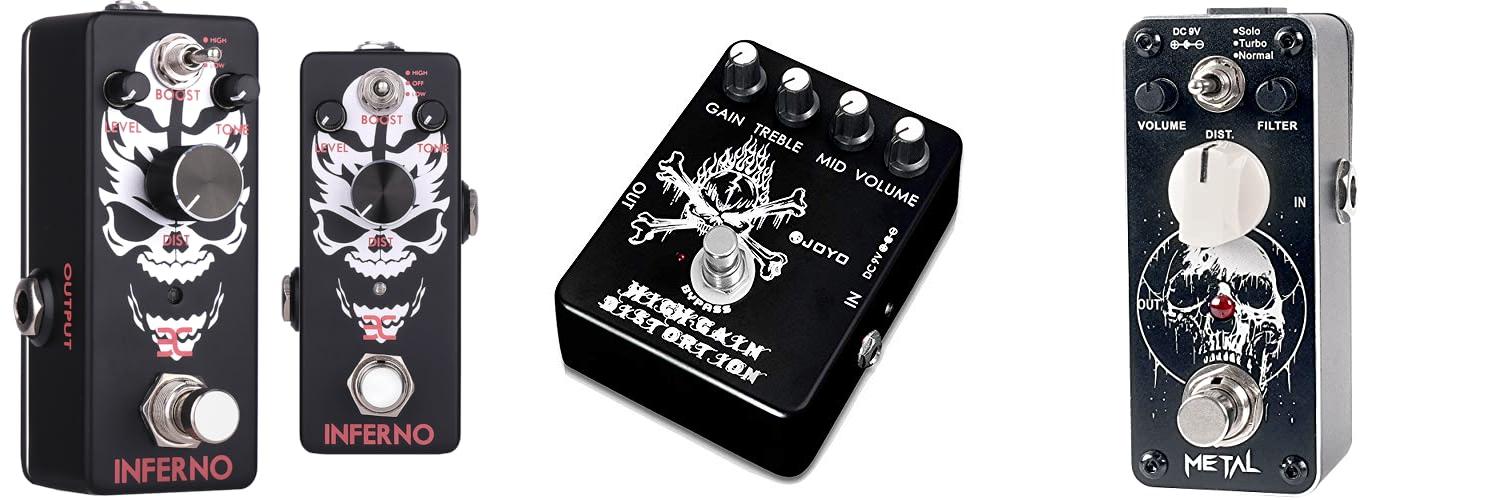
Our Top 5 Distortion Pedal For Metal Recommendations at a Glance
Top 5 Distortion Pedal For Metal Detailed Reviews
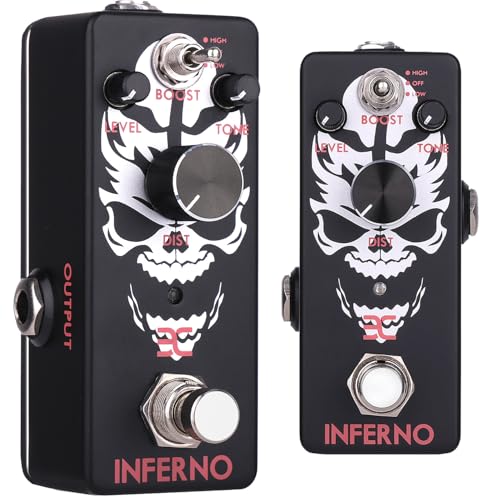
1. EX Inferno Death Metal Distortion Guitar Pedal
Rating: 9.4/10
Unleash your inner metal god with the EX Inferno Death Metal Distortion Guitar Pedal. This mini pedal packs a serious punch, perfect for guitarists who crave extreme tones for metal and hard rock. It’s built tough for the stage and designed to give you ultimate control over your sound.
What We Like:
- It delivers an extreme metal tone that metal and hard rock players will love.
- The 3-mode toggle switch lets you pick between Raw, Brutal, or Inferno sounds for searing solos and massive rhythms.
- You can precisely shape your sound with Level, Tone, and Distortion knobs.
- It has a rugged die-cast build and true bypass, so your guitar’s tone stays pure.
- The top-mounted jacks are great for saving space on your pedalboard.
- It’s compatible with daisy chains, making it easy to power with other pedals.
What Could Be Improved:
- A 9V DC power adapter is not included, so you’ll need to buy one separately.
The EX Inferno pedal is a fantastic tool for any metal guitarist looking for high-gain power and versatile distortion. Get ready to make some noise!
2. JOYO High Gain Distortion Pedal from AC/DC Crunch to Heavy Metal with Full Range EQ for Electric Guitar Effect – Bypass (JF-04)

Rating: 8.9/10
Unleash your inner rockstar with the JOYO JF-04 High Gain Distortion pedal! This pedal lets you dial in everything from the gritty crunch of AC/DC to the crushing heavy metal roar of bands like Metallica. Its full-range EQ means you can shape your tone precisely, whether you want a subtle bluesy growl or a full-on, snarling distortion. It’s so versatile, you might even mistake its lower gain settings for a vintage overdrive pedal when paired with single-coil pickups!
What We Like:
- Achieves a wide range of distortion tones, from classic rock crunch to modern heavy metal.
- Full EQ control allows for detailed tone shaping.
- Durable aluminum-alloy housing with a classic finish built to last.
- Compact size with a clear LED indicator for easy operation.
- JOYO’s strong brand reputation and commitment to affordable, quality gear.
- Surprisingly versatile, even mimicking vintage overdrive at lower settings.
What Could Be Improved:
- For optimal performance and to avoid noise, an additional JOYO power adapter and audio cable are recommended, which is an extra cost.
This pedal is a fantastic option for guitarists looking to expand their sonic palette without breaking the bank. It delivers serious distortion power and tonal flexibility for any genre.
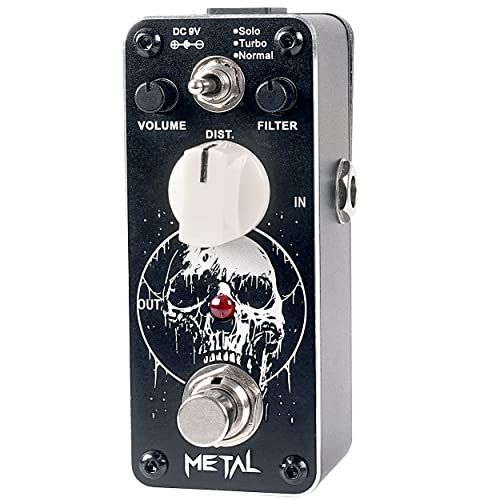
3. Sondery Metal Distortion Pedal for Electric Guitars
Rating: 9.0/10
Unleash your inner rock god with the Sondery Metal Distortion Pedal. This compact pedal packs a serious punch, delivering a warm, smooth, and wide range of vintage distortion sounds perfect for any electric guitar player. Its unique art design makes it a cool addition to your pedalboard, and its mini size means it won’t take up much space.
What We Like:
- It provides a fantastic vintage distortion sound that’s warm and smooth.
- You get three awesome modes: Solo, Turbo, and Normal, so you can easily change your sound.
- The pedal is built tough with a high-quality aluminum alloy body.
- Its mini size is great for saving space on your pedalboard.
- True bypass switching means your guitar’s original tone stays pure when the pedal is off.
- The art design is really cool and eye-catching.
- It has an LED light to show you when it’s on.
What Could Be Improved:
- The AC adapter is not included, which is an extra purchase.
- It requires a specific 9V DC power supply with internal negative and external positive connections, so be careful when buying one.
The Sondery Metal Distortion Pedal is a powerful and stylish option for guitarists looking to add some serious grit to their sound. Get creative and explore a whole new world of distortion with this impressive little pedal.
4. Boss MT-2 Metal Zone Distortion Guitar Pedal

Rating: 8.9/10
The Boss MT-2 Metal Zone Distortion Guitar Pedal is a legendary stompbox for guitarists seeking powerful, heavy tones. Its unique design creates a thick, satisfying distortion that sounds great at any volume. Whether you play metal, rock, or anything in between, the MT-2 helps you achieve massive sounds for both crushing riffs and soaring solos.
What We Like:
- Its innovative dual-stage gain circuit delivers super thick and tight distortion.
- You get smooth, singing sustain that makes your notes ring out.
- It’s easy to get massive, satisfying sounds whether you’re playing quietly at home or loud on stage.
- This is an iconic high-gain distortion pedal that many guitarists love.
- The thick, saturated sound is perfect for metal music.
- It’s also great for playing heavy rhythms and awesome solos in other music styles.
What Could Be Improved:
- Some players find the EQ controls a bit tricky to dial in perfectly at first.
- It can sometimes sound a little too fizzy or harsh if not set carefully.
The Boss MT-2 Metal Zone is a go-to pedal for anyone wanting serious distortion power. With its ability to produce huge sounds easily, it’s a fantastic option for guitarists of many genres.
5. AFOT Heavy Metal Distortion Guitar Pedal

Rating: 8.7/10
Unleash your inner rock god with the AFOT Heavy Metal Distortion Guitar Pedal. This pedal is built to deliver the raw, powerful sounds of Metal, Rock, and Punk music. It even lets you capture those classic 80s and 90s metal tones, and you can practice quietly with its earphone output. Get ready to make some noise!
What We Like:
- This pedal keeps your guitar’s sound clear and sharp, even at high gain levels. Most pedals lose some detail, but this one doesn’t. This is a big deal for lead guitarists.
- You can easily hear and create many different guitar sounds by turning the knobs. It helps you find the exact tone you want, and even discover new ones you’ll love.
- Six knobs let you control Treble, Mid, Bass, Boost, Volume, and Distortion. You can adjust the sound’s frequency response. This lets you create everything from bluesy tones to hard rock and heavy metal.
- The True Bypass design means your guitar’s original sound passes through without any unwanted noise or loss of quality when the pedal is off.
- You can plug in headphones for quiet practice, which is great for late-night jamming.
What Could Be Improved:
- The power adapter is not included with the pedal, so you’ll need to buy one separately.
This AFOT pedal is a fantastic tool for any guitarist looking to explore heavy tones. It offers great control and clarity, making it a valuable addition to your pedalboard.
Unleash the Beast: Your Guide to the Best Distortion Pedals for Metal
Ready to crank up the volume and make your guitar roar like a metal monster? A good distortion pedal is your secret weapon. It adds grit, power, and that unmistakable heavy sound that metal music craves. This guide will help you pick the perfect pedal to shred your way to glory.
What to Look For in a Metal Distortion Pedal
When you’re hunting for a distortion pedal, keep these important features in mind.
1. Gain/Distortion Control
This knob controls how much fuzz and crunch your signal gets. For metal, you want a pedal that can go from a little rough to super saturated. Look for pedals with a wide range of gain, allowing you to dial in anything from a tight, aggressive tone to a wall of sound.
2. EQ Controls (Bass, Mid, Treble)
These knobs let you shape the tone of your distortion. Metal often needs a powerful low end (bass) to feel heavy, a strong mid-range for cutting through the mix, and crisp highs (treble) for clarity and aggression. Pedals with independent bass, mid, and treble controls give you the most flexibility.
3. Tone Stack/Voicing Switch
Some pedals have special switches. These can drastically change the character of the distortion. They might offer different “flavors” of metal tone, like scooped mids for a modern sound or a more vintage crunch. Experimenting with these switches is key to finding your signature sound.
4. Noise Gate/Circuit
High gain can create unwanted hiss or hum. A good noise gate helps silence this noise when you’re not playing. Look for pedals with a built-in noise gate or one that has a clean circuit design to minimize background noise.
5. Build Quality and Materials
A metal distortion pedal needs to be tough. It will likely be stomped on, moved around, and plugged in and out a lot.
- Metal Casing: Pedals made with sturdy metal enclosures (like aluminum or steel) are more durable than plastic ones.
- Quality Components: Good internal parts, like robust potentiometers (knobs) and reliable switches, mean your pedal will last longer and sound better.
Factors That Affect Pedal Quality
Not all distortion pedals are created equal. Here’s what makes some better than others.
What Makes a Distortion Pedal Great?
A great metal distortion pedal has a rich, full sound. It should feel responsive to your playing. When you dig in harder, it should get more aggressive. When you play softer, it should clean up a bit. This touch sensitivity makes playing more expressive.
What Can Reduce Pedal Quality?
Cheaply made pedals might sound muddy or thin. They can also be noisy. If a pedal has a very limited range of sound or feels flimsy, it might not be the best choice. Also, a pedal that doesn’t react well to your guitar or amp can be frustrating.
User Experience and Use Cases
How you use a distortion pedal matters. Think about your setup and what you want to achieve.
Who is This Pedal For?
This type of pedal is perfect for guitarists playing genres like:
- Heavy Metal
- Thrash Metal
- Death Metal
- Black Metal
- Hard Rock
How to Get the Best Sound
A distortion pedal is just one part of your sound. It works best when paired with a good guitar and amplifier. Experiment with different settings. Start with the gain around three-quarters of the way up. Adjust the EQ to fit your guitar and amp. Try using it with your amp’s clean channel for a powerful, defined tone, or push an already overdriven amp for even more intensity.
Frequently Asked Questions (FAQ) About Metal Distortion Pedals
Got questions? We’ve got answers.
Q: What is the main difference between a distortion pedal and an overdrive pedal?
A: Overdrive pedals give a milder, warmer crunch, like a tube amp pushed a little. Distortion pedals offer much more gain and a more aggressive, saturated sound, perfect for heavy music.
Q: Do I need a specific type of guitar for a metal distortion pedal?
A: While any guitar can use a distortion pedal, guitars with humbucker pickups often pair well with metal distortion for a thicker, more powerful sound.
Q: Can I use a distortion pedal with my amp’s built-in distortion?
A: Yes! You can use a distortion pedal to boost or change your amp’s natural distortion. Some players like to use a mild distortion pedal to push an already overdriven amp even harder.
Q: How much should I expect to spend on a good metal distortion pedal?
A: Prices vary widely. You can find decent pedals for under $100, but high-quality, professional-grade pedals can cost $200 or more.
Q: What does “scooped mids” mean in relation to distortion?
A: “Scooped mids” means you’ve turned down the mid-range frequencies on your EQ. This is a popular sound in some metal styles, making the bass and treble more prominent.
Q: Is a noise gate essential for a metal distortion pedal?
A: While not strictly essential, a noise gate is highly recommended for high-gain distortion. It cleans up the sound when you’re not playing, preventing unwanted hiss.
Q: How do I know if a distortion pedal has a good “tight” sound?
A: A “tight” sound means the notes are clear and defined, even with high gain. You can test this by playing fast riffs. If the notes don’t sound muddy or blurry, it’s likely tight.
Q: What’s the difference between a fuzz pedal and a distortion pedal?
A: Fuzz pedals create a more extreme, often wilder and more vintage-sounding distortion. Distortion pedals are generally more controlled and focused for modern heavy tones.
Q: Should I buy a pedal with true bypass?
A: True bypass means that when the pedal is off, it doesn’t affect your guitar signal. This is generally preferred as it keeps your tone pure when the effect isn’t active.
Q: Can I stack multiple distortion pedals?
A: Yes, you can stack distortion pedals. This means running one pedal into another. It can create unique and very intense sounds, but it can also lead to a loss of clarity or excessive noise if not done carefully.
In conclusion, every product has unique features and benefits. We hope this review helps you decide if it meets your needs. An informed choice ensures the best experience.
If you have any questions or feedback, please share them in the comments. Your input helps everyone. Thank you for reading.