
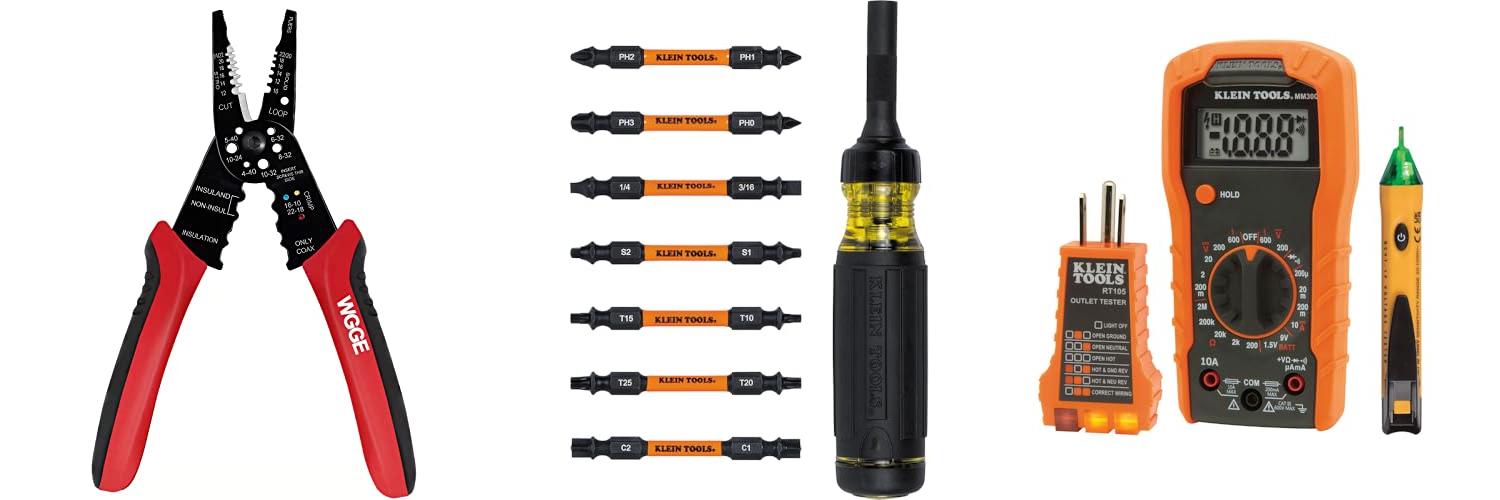
Ever wondered what makes a light switch turn on or a toaster heat up? It’s the magic of electricity, and behind that magic are skilled electricians, armed with their essential tools. But if you’re just starting out, or even if you’ve been around the block a few times, picking the right tools can feel like navigating a maze. There are so many brands, so many gadgets, and knowing what’s truly important can be overwhelming. You don’t want to waste money on tools that won’t get the job done, or worse, tools that could be unsafe.
That’s exactly why we’re diving deep into the world of electrician tools. This isn’t just about listing items; it’s about understanding why each tool matters. We’ll help you cut through the confusion and learn what to look for. By the end of this post, you’ll have a clearer picture of the must-have tools for any electrician, whether you’re a seasoned pro or just beginning your journey. Get ready to build your toolkit with confidence!
Our Top 5 Electrician Tools Recommendations at a Glance
Top 5 Electrician Tools Detailed Reviews
1. WGGE WG-015 Professional 8-inch Wire Stripper/wire crimping tool

Rating: 9.4/10
The WGGE WG-015 is an 8-inch professional tool that does a lot of jobs. It can cut, strip, and loop wires. It also crimps terminals. This tool is great for anyone working with electrical wires.
What We Like:
- It strips wires from 10 to 22 AWG.
- It’s made of strong high carbon alloy steel.
- The special grip handle is comfortable. It stops your hand from getting tired.
- It crimps both insulated and non-insulated terminals.
- It comes with a 24-month warranty and 24/7 customer service.
What Could Be Improved:
- The description mentions “solid copper wire or aluminum cables,” but it might be helpful to know if there are any limitations on specific types of aluminum cables.
This multi-function tool makes electrical jobs easier. It’s a reliable choice for both beginners and experts.
2. Klein Tools 32315HD 15-in-1 Multi-Bit Ratcheting Screwdriver

Rating: 8.8/10
The Klein Tools 32315HD 15-in-1 Multi-Bit Ratcheting Screwdriver is a handy tool for many jobs. It helps you drive screws faster and easier. You can use it with an impact driver for tough tasks.
What We Like:
- It’s a 15-in-1 tool, meaning it has lots of bits for different screws.
- The ratcheting handle makes driving screws quick and comfortable.
- It works with impact drivers for heavy-duty jobs.
- The bits are strong and made to last, even with tough jobs.
- The handle is comfy to hold and gives you good grip.
- The special bits have a torsion zone that helps them last longer.
- You can store all the bits right inside the handle, so you won’t lose them.
What Could Be Improved:
- The impact driver is sold separately, so you have to buy it on its own.
- While it has many bits, it might not have every single type of bit someone could need.
This screwdriver is a solid choice for anyone needing a reliable and versatile tool. It makes many common tasks much simpler.
3. Klein Tools 69149P Electrical Test Kit with Digital Multimeter

Rating: 8.8/10
The Klein Tools 69149P Electrical Test Kit is a handy set for anyone working with electricity. It includes three essential tools: a digital multimeter, a non-contact voltage tester, and an electrical outlet tester. This kit helps you check for voltage, test circuits, and make sure your outlets are wired correctly.
What We Like:
- The multimeter is versatile. It measures voltage up to 600V AC/DC, current up to 10A DC, and resistance up to 2MOhms.
- Continuity testing on the multimeter is helpful. It has both visual and audible signals to show if a circuit is complete.
- The non-contact voltage tester is easy to use. A bright LED lights up to show it’s working. It turns red and beeps when it finds voltage.
- The non-contact tester detects voltage from 50 to 1000 VAC with a bright red LED and sound.
- The outlet tester is reliable. It checks wiring setups and tells you if everything is connected right.
- It finds common wiring problems like open grounds, open hot wires, open neutral wires, and hot/ground reversed.
- The kit comes with test leads for the multimeter and batteries for both the multimeter and the non-contact tester.
What Could Be Improved:
- The outlet tester doesn’t find all tricky wiring issues.
This kit offers a good range of testing capabilities for common electrical tasks. It’s a solid choice for DIYers and professionals alike.
4. 1000V Insulated Electrician Screwdriver Set – 13-Piece Professional Electrical Screwdriver Set Insulation Handle CRV Steel Magnetic Phillips Slotted Pozi Torx Tips VDE & GS Certified

Rating: 9.4/10
This 13-piece insulated screwdriver set is a must-have for anyone working with electricity. It’s designed to keep you safe while you get the job done. The set includes many different types of screwdriver tips, so you’re ready for almost any task. Plus, the handles are comfortable and easy to change out.
What We Like:
- Super Safe: It’s VDE and GS approved, meaning it’s tested and safe for up to 1000 volts. This protects you from electric shocks.
- Built Tough: The screwdrivers are made from strong Chrome Vanadium Steel. They have magnetic tips that help you hold onto screws easily.
- All the Tools You Need: You get 3 Torx, 2 Phillips, 2 Pozidriv, and 4 slotted tips. It also comes with an electroprobe and a handle you can swap tips into.
- Easy to Use Handle: The handle is simple to change. You just push in the new tip, and it locks in place. It’s good for all hand sizes.
- Works for Everyone: This set is great for professional electricians, but also for people who like to fix things themselves at home.
What Could Be Improved:
- Tip Storage: While the set is comprehensive, a dedicated case or holder for all the tips would make organization even better.
- Handle Grip Comfort: For very long jobs, a slightly more ergonomic or padded handle might offer even greater comfort.
This screwdriver set offers excellent safety and a wide variety of tools for electrical work. It’s a reliable choice for both professionals and DIYers.
5. Klein Tools ET310 AC Circuit Breaker Finder
Rating: 8.8/10
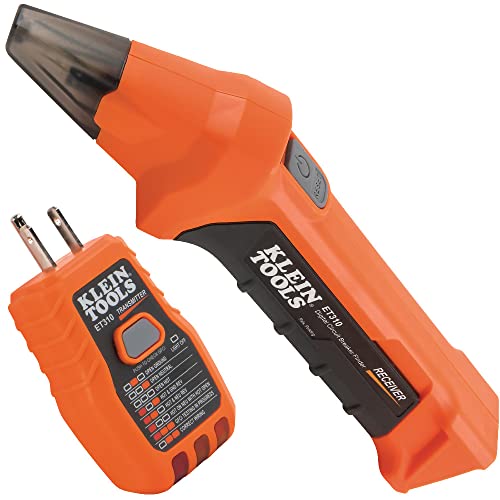
Tired of guessing which breaker controls which outlet? The Klein Tools ET310 AC Circuit Breaker Finder takes the guesswork out of electrical troubleshooting. This handy tool helps you quickly and accurately identify the right circuit breaker, saving you time and frustration. It also doubles as a voltage tester and includes a GFCI outlet tester, making it a versatile addition to any toolbox.
What We Like:
- It quickly finds the right circuit breaker.
- The tool has two parts: a transmitter and a receiver.
- The receiver gives clear sounds and lights when it finds the breaker.
- It works on most 90-120V AC circuits.
- The transmitter has a built-in GFCI tester.
- The transmitter fits neatly into the receiver for easy storage.
- It connects easily to standard North American outlets.
What Could Be Improved:
- The range for scanning the panel might be limited in very large or complex electrical systems.
- An instruction manual that is even more detailed for absolute beginners could be helpful.
This tool makes electrical work much simpler and safer. It’s a smart investment for homeowners and DIYers alike.
Gear Up Like a Pro: Your Essential Electrician Tool Buying Guide
Welcome, future electricians and DIY enthusiasts! Picking the right tools makes a huge difference. We’ll guide you through choosing the best electrician tools to get the job done safely and efficiently.
1. Key Features to Look For: What Makes a Tool Great?
When you shop for electrician tools, keep these important features in mind.
- Safety First! Many tools have insulated handles. This protects you from electric shocks. Look for tools with high voltage ratings. This means they can handle more electricity safely.
- Durability: Tools should last a long time. Strong metal and tough handles mean they won’t break easily.
- Ergonomics: Comfortable grips are a big plus. They reduce hand strain, especially during long jobs. Good tools feel balanced in your hand.
- Functionality: Does the tool do what you need it to do? For example, wire strippers should remove insulation cleanly without damaging the wire. Pliers should have a good grip.
- Portability: Some tools are small and fit in your pocket. Others are larger and come in toolboxes. Think about how you’ll carry your tools.
2. Important Materials: What Are Tools Made Of?
The materials used in tools affect their strength and how they work.
- Steel: Many tools, like pliers and screwdrivers, use high-quality steel. This metal is strong and hard. It resists bending and breaking.
- Insulation: For electrical safety, tools often have handles made of plastic or rubber. These materials don’t conduct electricity well. They keep you safe.
- Aluminum: Some tool bodies or handles might use aluminum. It’s lighter than steel but still strong.
3. Factors That Affect Quality: What Makes Tools Good or Bad?
Knowing what makes a tool high-quality helps you choose wisely.
- Brand Reputation: Well-known brands often make reliable tools. They have a history of quality.
- Construction: How the tool is put together matters. Look for smooth joints and no rough edges. A tool that feels solid is usually a good sign.
- Testing and Certification: Some tools have safety certifications. This means they’ve been tested to meet strict standards.
- Price: While not always true, very cheap tools might not be made with the best materials or care. Investing a little more can mean a tool that lasts. Poorly made tools can be dangerous.
4. User Experience and Use Cases: How Do You Use These Tools?
Electrician tools help you with many tasks.
- Wire Strippers: These tools remove the plastic coating from wires. You need them to connect wires.
- Pliers: Lineman’s pliers can cut, twist, and grip wires. Needle-nose pliers are good for reaching tight spots and bending wires.
- Screwdrivers: You use these to tighten and loosen screws. Insulated screwdrivers are essential for electrical work.
- Voltage Testers: These tools check if a wire or outlet has electricity. They are very important for safety.
- Multimeters: These advanced tools measure voltage, current, and resistance. They help diagnose electrical problems.
Using the right tool for the job makes your work easier and safer. Always read the instructions and follow safety guidelines.
Frequently Asked Questions: Your Tool Questions Answered
Here are some common questions about electrician tools.
Q: What are the most important tools for a beginner electrician?
A: For beginners, a good set of insulated screwdrivers, wire strippers, lineman’s pliers, and a voltage tester are crucial. These cover most basic electrical tasks safely.
Q: How do I know if a tool is safe to use around electricity?
A: Look for insulation on the handles. Tools designed for electrical work often have markings showing their voltage rating. Never use tools with damaged insulation.
Q: Are expensive tools always better?
A: Not always, but higher-quality tools often use better materials and are built to last longer. They can also be safer to use. Sometimes, a trusted brand offers good value.
Q: How should I store my electrician tools?
A: Keep them clean and dry. Store them in a toolbox or tool bag to protect them from damage and to keep them organized. Avoid storing them where they can get wet.
Q: What is the difference between pliers and wire cutters?
A: Pliers are multi-purpose tools used for gripping, bending, and sometimes cutting. Wire cutters are specifically designed to cut wires cleanly. Many pliers, like lineman’s pliers, have a cutting section.
Q: How often should I check my tools for damage?
A: Check your tools before each use, especially for any damage to insulation or cutting edges. Regular checks ensure safety and proper function.
Q: Can I use regular pliers for electrical work?
A: It’s not recommended. Regular pliers usually lack insulation, making them unsafe for use near live electricity. Always use tools specifically designed for electrical work.
Q: What is a multimeter used for?
A: A multimeter measures electrical properties like voltage (electrical pressure), current (electrical flow), and resistance (how much something opposes electricity). It’s a diagnostic tool for electricians.
Q: How do I choose the right size screwdriver?
A: The screwdriver tip should fit the screw head snugly. If it’s too small, it can strip the screw. If it’s too big, it won’t turn the screw effectively.
Q: Where can I buy good quality electrician tools?
A: You can find them at hardware stores, home improvement centers, and online retailers. Look for reputable brands and read reviews before buying.
In conclusion, every product has unique features and benefits. We hope this review helps you decide if it meets your needs. An informed choice ensures the best experience.
If you have any questions or feedback, please share them in the comments. Your input helps everyone. Thank you for reading.