
Ever looked at a photograph and wondered, “How did they get that amazing blur behind the subject?” Or maybe you’ve seen a stunning landscape shot and wished your own pictures could capture that same breathtaking detail. Often, the magic behind these incredible images comes down to the lens. For Fuji camera owners, this is where things can get a little tricky.
Fuji offers a fantastic range of lenses, each designed to create different looks and capture unique moments. But with so many choices, it’s easy to feel overwhelmed. You might worry about spending your hard-earned money on the wrong lens, or perhaps you’re unsure which lens will best help you achieve the specific kind of photos you dream of taking. That’s a common feeling!
In this post, we’re going to cut through the confusion. We’ll explore the wonderful world of Fuji lenses, making it easier for you to understand what makes each one special. By the end, you’ll feel more confident about choosing the perfect Fuji lens to unlock your creative potential and take your photography to the next level.
Our Top 5 Fuji Lenses Recommendations at a Glance
| Image | Product | Rating | Links |
|---|---|---|---|
 |
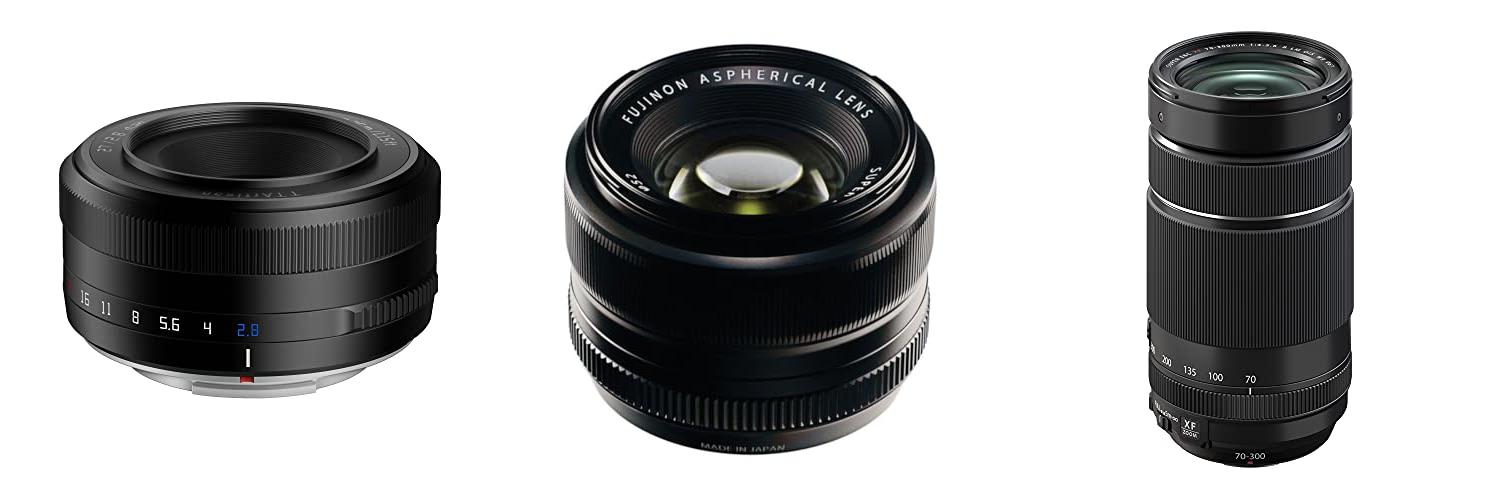
TTartisan 27mm F2.8 Autofocus Lens | 8.5/10 | Check Price |
 |
Fujifilm XF35mmF1.4 R | 8.8/10 | Check Price |
 |
Fujifilm Fujinon XF70-300mmF4-5.6 LM OIS WR | 9.0/10 | Check Price |
 |
18-50MM F2.8 DC DN | 8.7/10 | Check Price |
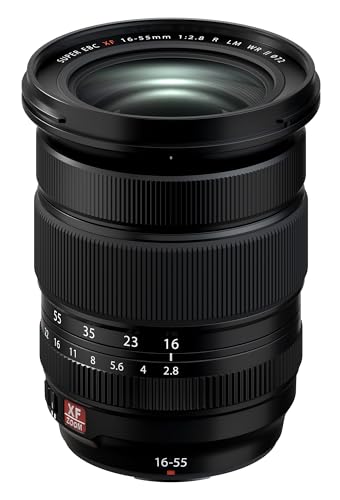 |
Fujinon XF16-55mmF2.8 R LM WR II Lens | 9.3/10 | Check Price |
Top 5 Fuji Lenses Detailed Reviews
1. TTartisan 27mm F2.8 Autofocus Lens
Rating: 9.4/10
The TTartisan 27mm F2.8 Autofocus Lens is a fantastic addition for Fujifilm X-Mount camera owners. This lens is super small and light, making it easy to take with you everywhere. It’s perfect for capturing everyday moments, from street scenes to quick snapshots.
What We Like:
- It’s incredibly compact and lightweight, fitting easily into any bag.
- The f/2.8 aperture lets you shoot in dim light and create beautiful blurry backgrounds.
- Autofocus is quick and accurate, and you can also switch to manual focus if you prefer.
- The lens has a dedicated aperture ring, giving you full creative control.
- It produces sharp images with nice, smooth bokeh thanks to its special lens elements and 7-blade diaphragm.
- Its 56° angle of view is great for street, travel, and even close-up shots.
What Could Be Improved:
- While it’s great for most situations, some photographers might want an even wider aperture for extreme low-light or super shallow depth of field.
This TTartisan lens is a versatile and affordable option for anyone looking to expand their Fuji X-mount camera’s capabilities. It’s a lens you’ll want to keep on your camera for all your adventures.
2. Fujifilm XF35mmF1.4 R
Rating: 9.2/10
The Fujifilm XF35mmF1.4 R lens is a fantastic choice for photographers who want a versatile, high-quality standard lens. Its compact size and light weight make it easy to carry around all day, perfect for street photography, portraits, or capturing everyday moments. This lens brings a classic “normal” perspective to your Fujifilm X-series camera, offering a natural field of view that’s similar to how we see with our own eyes. The wide f/1.4 aperture is a game-changer, letting in lots of light for shooting in dim conditions and creating beautiful, blurry backgrounds that make your subject pop.
What We Like:
- It’s super light, weighing only 4.1 Oz, so you can shoot for hours without getting tired.
- The f/1.4 aperture lets in a lot of light, making it great for low-light shots and creating creamy bokeh.
- It has a classic 35mm focal length, which is perfect for many different types of photography.
- The lens design with 8 elements in 6 groups, including an aspherical element, helps produce sharp and clear images.
- It provides a comfortable 44.2-degree angle of view, which feels very natural.
What Could Be Improved:
- While excellent, the autofocus can sometimes be a little slow in very dark situations.
- The lens barrel, though well-built, is made of plastic which might not feel as premium as metal to some users.
This Fujifilm XF35mmF1.4 R lens delivers stunning image quality and a wonderful shooting experience. It’s an excellent investment for any Fujifilm shooter looking to elevate their photography.
3. Fujifilm Fujinon XF70-300mmF4-5.6 LM OIS WR
Rating: 8.5/10
Get ready to explore the world with the Fujifilm Fujinon XF70-300mmF4-5.6 LM OIS WR lens. This super telephoto zoom lens is built for adventure, letting you capture everything from tiny details to distant wildlife in stunning detail and vibrant Fujifilm color. It’s your perfect companion for any outdoor journey.
What We Like:
- Super versatile telephoto zoom captures a wide range of subjects.
- Excellent image quality with two ED elements for sharp, clear photos.
- Compact and lightweight design makes it easy to carry on long adventures.
- Fast and quiet autofocus thanks to the linear motor.
- Impressive 5.5 stops of Optical Image Stabilization (OIS) keeps shots steady.
- Dust and moisture resistant, built to handle tough conditions.
- Teleconverter compatibility extends its reach significantly.
- Close focusing distance allows for detailed tele macro shots.
What Could Be Improved:
- The maximum aperture (f/4-5.6) might be a bit limiting in very low light situations compared to faster lenses.
- While compact for its range, it’s still a telephoto lens and will add size and weight to your kit.
This lens truly opens up new possibilities for nature and wildlife photographers. Its adaptability and robust build make it a fantastic choice for anyone wanting to bring distant subjects closer.
4. 18-50MM F2.8 DC DN
Rating: 8.8/10
The 18-50MM F2.8 DC DN | C for Fuji X Mount is a fantastic lens for photographers who want to travel light. It’s the smallest and lightest F2.8 standard zoom lens made specifically for APS-C mirrorless cameras. This means you can carry it around all day without feeling weighed down. It’s perfect for capturing everyday moments and exploring new places.
What We Like:
- It’s incredibly small and light, making it super easy to carry.
- The F2.8 aperture lets in a lot of light, so you can take great pictures even in dim settings.
- It’s very affordable, which is great for your wallet.
- The image quality is sharp and clear.
- It focuses quickly and quietly, which is helpful for video too.
What Could Be Improved:
- The lens barrel can feel a bit plasticky.
- It’s not weather-sealed, so you have to be careful in rain or dust.
- The zoom ring could be a little smoother.
This lens is a top pick for anyone who values portability and great performance. It offers a lot of bang for your buck and will quickly become your go-to lens.
5. Fujinon XF16-55mmF2.8 R LM WR II Lens
Rating: 9.4/10
The FUJINON XF16-55mmF2.8 R LM WR II lens makes everyday shooting easy and fun. It’s super light, weighing only 410g (about 0.90lbs). That’s much lighter than the old version! It’s also not very long, measuring less than 95mm (3.74 inches). This makes it great for carrying around all day.
What We Like:
- It’s really light and easy to carry, making it perfect for daily adventures.
- You get beautiful, blurry backgrounds (bokeh) and clear subjects because of special glass elements and a sharp F2.8 aperture.
- The 11-blade iris helps create smooth, circular blur.
- It has new video features, like smooth aperture changes and accurate autofocus.
- It handles tough weather conditions, so you can take pictures almost anywhere, anytime, as long as you have a weather-resistant camera.
- It helps your camera capture amazing detail, especially with newer 40.2-megapixel X Series cameras.
What Could Be Improved:
- While it’s great for many things, some users might find the zoom range limiting for very specific telephoto or wide-angle needs.
This lens is a fantastic upgrade for photographers who want quality, versatility, and portability. It lets you capture stunning images and video in almost any situation.
Choosing the Right Fuji Lens: Your Complete Guide
So, you’ve got a Fujifilm camera and you’re ready to explore the world of lenses! That’s awesome. Fuji lenses are known for their amazing quality and how they make your photos look so good. This guide will help you pick the perfect lens for your needs.
What to Look For in a Fuji Lens
When you’re shopping for a Fuji lens, keep these important things in mind.
Key Features to Consider
- Focal Length: This tells you how much of a scene the lens can capture. A small number (like 18mm) is wide-angle, great for landscapes. A big number (like 200mm) is telephoto, good for zooming in on far-away things.
- Aperture: This is like the pupil of your eye. A wider aperture (smaller f-number, like f/1.4) lets in more light. This is super helpful in dark places and makes your background blurry, which looks really nice.
- Autofocus (AF) Speed: How fast does the lens focus? If you’re shooting sports or fast-moving things, you want a lens that focuses quickly.
- Image Stabilization (IS): Some lenses have built-in stabilization. This helps reduce blur from shaky hands, especially when you’re zoomed in or in low light.
Important Materials
Most Fuji lenses use high-quality materials.
- Glass Elements: The special glass inside the lens is what makes your photos sharp and clear. Fuji uses excellent glass to reduce unwanted color fringes and distortions.
- Lens Barrel: This is the outer body of the lens. Many Fuji lenses have metal barrels. Metal feels sturdy and durable. Some lenses also have weather sealing, which means they can handle a little rain or dust.
Factors That Affect Lens Quality
- What Makes a Lens Great:
- Sharpness: How clear and detailed are your photos?
- Color Rendition: How true and vibrant are the colors? Fuji is famous for its “film simulations” that give photos a unique look.
- Bokeh: This is the quality of the blurry background. A smooth, pleasing bokeh is a sign of a good lens.
- What Can Make a Lens Less Great:
- Distortion: Straight lines looking bent, especially at the edges of the photo.
- Chromatic Aberration: Weird colored fringes around bright objects.
- Slow Autofocus: Missing the perfect shot because the lens can’t focus fast enough.
User Experience and Use Cases
Think about what kind of pictures you love to take.
- Everyday Photography: A versatile zoom lens (like a 18-55mm) is great for general use. It can capture wide scenes and zoom in a bit.
- Portraits: A prime lens with a wide aperture (like a 50mm f/1.8) is perfect. It creates beautiful blurry backgrounds that make your subject stand out.
- Landscapes: Wide-angle lenses (like a 10-24mm) let you fit more of the scenery into your shot.
- Sports and Wildlife: Telephoto zoom lenses (like a 100-400mm) let you get close to the action without being right next to it.
Fuji Lens FAQs
Q: What are the main Key Features I should look for?
A: You should look for the lens’s focal length (how much it zooms), aperture (how much light it lets in), autofocus speed (how fast it focuses), and image stabilization (to prevent blur).
Q: What kind of materials are important in a Fuji lens?
A: Look for high-quality glass elements that make photos sharp. A sturdy lens barrel, often made of metal, is also good. Weather sealing is a bonus for shooting in tough conditions.
Q: How do I know if a Fuji lens is good quality?
A: A good lens will be sharp, have great colors, and produce pleasing background blur (bokeh). Avoid lenses with lots of distortion or colored fringes.
Q: What is focal length, and why does it matter?
A: Focal length tells you how zoomed in or out the lens is. A short focal length is wide-angle, good for big scenes. A long focal length is telephoto, good for zooming in on distant subjects.
Q: What does aperture (f-number) do?
A: Aperture controls how much light enters the lens. A smaller f-number (like f/1.4) means more light and a blurrier background. A larger f-number (like f/11) means less light and a sharper background.
Q: Is image stabilization important?
A: Yes, especially if you often shoot in low light or use telephoto lenses. It helps prevent blurry photos caused by shaky hands.
Q: What’s the difference between a prime lens and a zoom lens?
A: A prime lens has a fixed focal length (it doesn’t zoom). Zoom lenses can change their focal length. Prime lenses are often sharper and have wider apertures.
Q: What is “bokeh”?
A: Bokeh is the aesthetic quality of the blur in the out-of-focus parts of an image. A good bokeh looks smooth and pleasing.
Q: What are Fuji’s “film simulations”?
A: These are in-camera settings that mimic the look of classic Fujifilm film stocks. They give your photos a unique color and tone.
Q: Which Fuji lens is best for portraits?
A: A prime lens with a wide aperture, like a 50mm f/1.8 or 56mm f/1.2, is excellent for portraits because it creates a nice blurry background.
In conclusion, every product has unique features and benefits. We hope this review helps you decide if it meets your needs. An informed choice ensures the best experience.
If you have any questions or feedback, please share them in the comments. Your input helps everyone. Thank you for reading.