
Remember the sheer joy of a toddler discovering a new toy? That delightful giggle, the wide-eyed wonder – it’s pure magic! But as parents and caregivers, translating that joy into truly beneficial play can sometimes feel like a puzzle. You want to entertain your little one, of course, but you also want to nurture their growing mind and body.
Choosing games for a three-year-old is a unique challenge. They’re not babies anymore, but they’re not quite preschoolers either. They have developing motor skills, a blossoming imagination, and a boundless curiosity about the world. Yet, the sheer volume of toys and activities can be overwhelming. What’s truly engaging? What’s safe? What will actually help them learn and grow without feeling like a chore?
This post is here to help you navigate that wonderful world of play. We’ll explore the kinds of games that are perfect for this exciting age, focusing on fun that also sparks learning. Get ready to discover how to pick toys that encourage creativity, build essential skills, and create lasting memories. Let’s dive into the best games for your three-year-old!
Our Top 5 Games For 3 Year Olds Recommendations at a Glance
Top 5 Games For 3 Year Olds Detailed Reviews
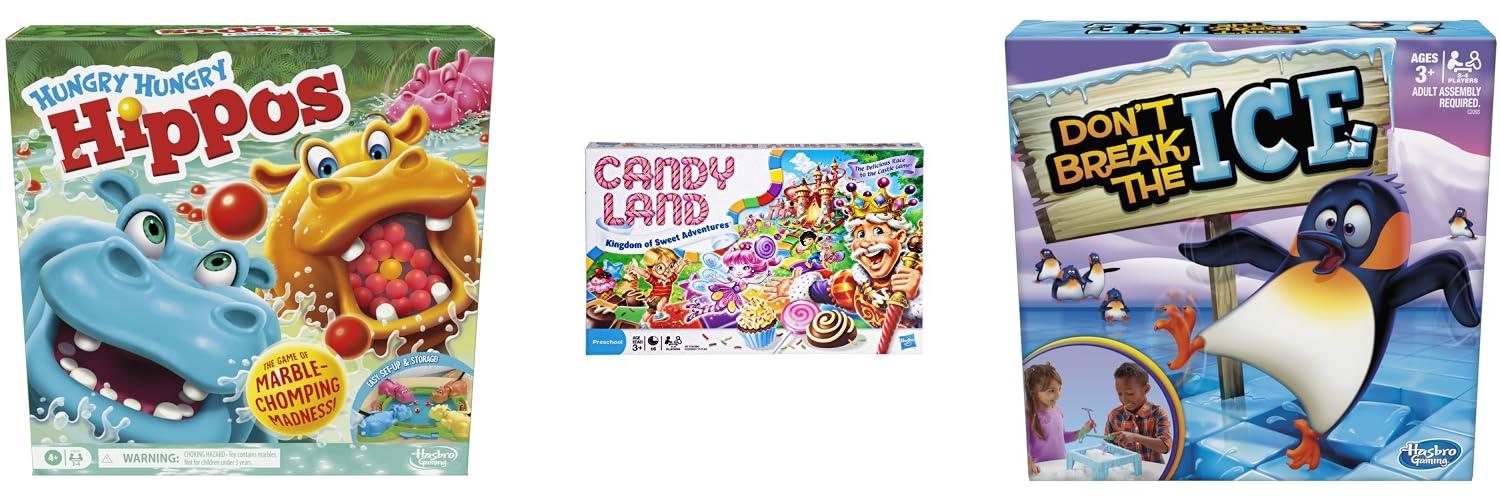
1. Hungry Hungry Hippos Game for Preschoolers

Rating: 9.1/10
Get ready for a blast of marble-chomping fun with the Hungry Hungry Hippos Game for Preschoolers! This classic game brings back nostalgic memories and introduces a new generation to thrilling gameplay. Designed for ages 4 and up, it’s perfect for playdates, family game nights, or just a fun way to pass a rainy afternoon. With its quick setup, instant marble reload, and easy storage, this game is a winner for both kids and parents.
What We Like:
- Instant Marble Reload: The game features a super cool instant marble reload system. Chomped marbles are automatically sent back to the hippo’s trough, meaning you can play again and again without interruption. This keeps the action fast and the giggles coming!
- Super Easy to Play: Learning this game is a breeze for preschoolers. Kids simply choose a hippo, launch the marbles into the center, and race to gobble up the most. It’s simple, engaging, and perfect for little hands and minds.
- Quick Set-Up and Storage: Setting up the game takes no time at all. When playtime is over, the marbles are neatly corralled in a built-in storage case. Pushing down the hippo levels makes the game compact and easy to store or take on the go.
- Family Game Night Favorite: This game is a timeless classic that families love. It’s a fantastic way to create new traditions and share the joy of playing together. It’s also a great gift for birthdays and holidays.
What Could Be Improved:
- Marble Capacity: While the instant reload is fantastic, the initial marble capacity might feel a little small for some extended play sessions.
- Hippo Action Speed: Occasionally, the hippos might not chomp quite as fast as younger children expect, leading to a slight pause between turns.
This updated Hungry Hungry Hippos game offers endless fun with its clever design and classic gameplay. It’s a fantastic choice for keeping preschoolers entertained and creating lasting family memories.
2. Hasbro Gaming Candy Land Kingdom of Sweet Adventures Board Game for Kids

Rating: 8.8/10
Step into a world of sugary delight with the Hasbro Gaming Candy Land Kingdom of Sweet Adventures Board Game. This Amazon Exclusive brings the beloved classic to a new generation of players, promising hours of fun for little ones aged 3 and up. It’s a perfect way to share cherished childhood memories while creating new ones.
What We Like:
- CLASSIC BEGINNER GAME: This game is a fantastic way to introduce young children to board games. Many adults have fond memories of playing Candy Land, and now they can share that joy with their kids.
- RACE TO THE CASTLE: The simple goal of reaching the castle keeps young players engaged. They will encounter colorful and exciting “delicious” surprises on their journey, making every turn an adventure.
- NO READING REQUIRED TO PLAY: This is a huge advantage for preschoolers and early learners. Children who are not yet reading can easily understand and participate in the game, fostering independence and confidence.
- GREAT GAME FOR LITTLE ONES: The vibrant colored cards, sweet destinations like Gumdrop Mountains and Lollipop Woods, and fun illustrations are captivating for young children. The game’s visual appeal is a big hit with kids.
What Could Be Improved:
- Simplicity for Older Children: While perfect for younger kids, older children might find the gameplay a little too basic after a few rounds.
- Card Durability: The cards are standard game cards and might show wear and tear with very frequent, enthusiastic play from younger children.
The Candy Land Kingdom of Sweet Adventures Board Game is an excellent choice for family game nights with young children. It offers a delightful and accessible gaming experience that promotes early learning in a fun, imaginative setting.
3. Hasbro® Don’t Break The Ice Game

Rating: 9.3/10
Get ready for some frosty fun with the Hasbro® Don’t Break The Ice Game! This exciting preschool game challenges players to carefully tap out ice blocks, all while trying to keep Phillip the Penguin from taking a tumble. It’s a race against time and each other to see who can be the last one standing and save Phillip from his chilly plunge. This game is designed for kids ages 3 and up, making it a fantastic option for younger children to develop their fine motor skills and strategic thinking.
What We Like:
- Engaging and suspenseful gameplay that keeps kids on the edge of their seats.
- Encourages fine motor skill development as players carefully tap out the ice blocks.
- Promotes imaginative play with the story of helping Phillip the Penguin build a new igloo.
- Perfect for family game nights, bringing everyone together for laughter and friendly competition.
- A classic game that provides hours of entertainment and is a wonderful gift idea for birthdays or holidays.
What Could Be Improved:
- The ice blocks can sometimes be a bit difficult for very young children to tap out without them falling too quickly.
- The penguin figure could be slightly more robust for enthusiastic little hands.
The Hasbro® Don’t Break The Ice Game offers a delightful blend of skill, suspense, and imagination that kids will adore. It’s a classic game that proves simple fun can be the most memorable.
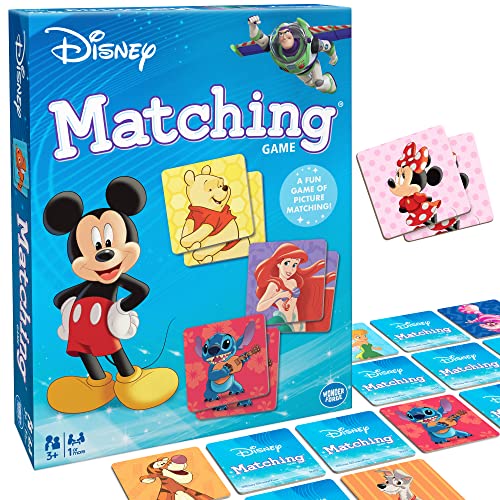
4. Wonder Forge Disney Matching Game – Fun Memory Game for Boys & Girls Ages 3 and Older – Featuring Classic Disney Characters – Preschool Learning Toy
Rating: 8.7/10
Get ready for magical memory-building fun with the Wonder Forge Disney Matching Game! This delightful game brings beloved classic Disney characters to life, offering an engaging way for little ones to boost their brainpower. Designed for preschoolers, it’s a fantastic introduction to educational games that kids will love playing again and again.
What We Like:
- Builds Memory Skills: This game is a fantastic tool for young children ages 3 to 5. It helps them improve their focus, recognize patterns, and develop important cognitive skills.
- Easy Setup and Quick Play: The instructions are super simple, so kids can start playing right away. It’s one of the easiest memory games for preschoolers, making it a hit with boys and girls aged 3-7.
- Unlock a World of Fun Learning: With 72 tiles featuring characters like Mickey, Minnie, and their friends, this game makes learning an adventure. Kids will love the enchanting Disney themes while sharpening their focus and memory.
- Family Fun for All Ages: This card game is perfect for family game nights. It encourages kids to interact, cooperate, and practice their memorization skills, creating happy family moments.
- Great Gift for Any Occasion: Looking for the perfect present? This game makes an excellent birthday gift for girls or boys aged 3 to 5. It’s also a wonderful choice for holidays like Christmas and Easter, or just because!
What Could Be Improved:
- The game includes 72 tiles, which might be a lot for very young children to manage initially. A smaller set option could be beneficial for younger toddlers.
- While the classic characters are a draw, a wider variety of character sets or themed expansions could add long-term replayability for Disney fans.
This Wonder Forge Disney Matching Game offers a wonderful blend of entertainment and early learning. It’s a charming way to spend quality time with your children while helping them grow.
5. HopeRock Toys for 2 3 4 5 Year Old Boy

Rating: 9.2/10
Get ready for hours of interactive fun with the HopeRock Whack-a-Frog game! This engaging toy is designed to entertain and educate toddlers and preschoolers, offering a vibrant and stimulating play experience. It’s packed with features that promote early learning and development, making it an ideal gift for birthdays or any special occasion.
What We Like:
- Engaging Learning Modes: Features 5 distinct modes (Pass, Competitive, Memory, Play, Piano) and 45 levels to keep little ones challenged and entertained, fostering musicality and coordination.
- Interactive Play: Kids gently tap light-up frogs, enhancing hand strength and fine motor skills. The two-player mode encourages family bonding.
- Exciting Spray Function: An upgraded spray feature adds an extra layer of excitement, automatically activating to surprise and delight children.
- Visual and Auditory Stimulation: The soft, non-dazzling lights and varied musical sounds help improve visual, language, and music recognition.
- Adjustable Volume and Power Saving: Control the sound to suit your environment, and the toy automatically enters sleep or powers off to conserve energy.
- Safe and Durable Construction: Made from BPA-free, non-toxic ABS plastic with smooth edges, ensuring it’s safe for little hands.
What Could Be Improved:
- Complexity for Younger Toddlers: Some of the 45 levels might be too challenging for the youngest end of the 2-year-old age range initially.
- Battery Dependency: Like most electronic toys, it requires batteries, which are not always included.
This HopeRock Whack-a-Frog game offers a fantastic blend of fun and early education. It’s a toy that grows with your child, providing continuous engagement and developmental benefits.
Choosing the Best Games for Your 3-Year-Old: A Fun and Educational Guide
Buying games for a 3-year-old is an exciting adventure! At this age, children are bursting with curiosity and love to learn through play. The right games can help them develop important skills, spark their imagination, and provide hours of entertainment. This guide will help you pick the perfect games that your little one will adore.
What to Look for: Key Features in Games for 3-Year-Olds
When you’re shopping for games, keep these key features in mind. They will help you find engaging and beneficial options for your child.
- **Age Appropriateness:** This is the most important feature. Games should be designed for 3-year-olds. This means they have simple rules and parts that are easy for little hands to manage.
- **Educational Value:** Many great games teach important skills. Look for games that help with counting, letter recognition, problem-solving, matching, or fine motor skills.
- **Durability:** Three-year-olds can be tough on toys! Choose games made from sturdy materials that can withstand a lot of play.
- **Safety:** Always check that the game is safe for young children. Look for non-toxic materials and ensure there are no small parts that could be a choking hazard.
- **Engagement:** The best games hold a child’s attention. They should be colorful, interactive, and fun to play, encouraging repeated play.
- **Open-Ended Play:** Some games allow for lots of creativity. These games let children invent their own rules and stories, which is fantastic for imagination.
Materials Matter: What Games Are Made Of
The materials used in games can tell you a lot about their quality and safety.
- **Wood:** Wooden games are often very durable and eco-friendly. They feel nice to touch and can last for years.
- **Sturdy Cardboard:** High-quality cardboard is used for many board games and puzzles. It should be thick and not easily torn.
- **Non-Toxic Plastic:** If a game uses plastic, make sure it’s labeled as non-toxic. This ensures it’s safe if your child happens to put it in their mouth.
- **Fabric:** Some games, like soft blocks or stuffed characters, use safe, washable fabrics.
Quality Control: What Makes a Game Great (or Not So Great)
Several factors can make a game a winner or a disappointment.
Factors that Improve Quality:
- **Bright, Appealing Colors:** Vibrant colors grab a child’s attention and make games more exciting.
- **Clear Instructions:** For games that require adult help, simple and easy-to-understand instructions are a big plus.
- **Interactive Elements:** Buttons to press, things to slide, or pieces to move make games more engaging.
- **Good Design:** A well-designed game is easy for a child to understand and play.
Factors that Reduce Quality:
- **Flimsy Construction:** If a game falls apart easily, it won’t last long and can be frustrating.
- **Confusing Rules:** Games that are too complicated for a 3-year-old will lead to boredom.
- **Sharp Edges:** Safety is paramount. Sharp edges are a major quality concern.
- **Toxic Smells:** Any strong chemical smell from a toy indicates it might not be safe.
User Experience and Use Cases: How Your Child Will Play
Think about how your child will interact with the game and where they will play.
At three years old, children often play with games in a few ways:
- **Independently:** They might explore puzzle pieces on their own or stack blocks.
- **With a Parent or Caregiver:** Many games are best enjoyed with an adult guiding the play, teaching new skills, and having fun together.
- **With Siblings or Friends:** Cooperative games or simple competitive games can be played with other children, teaching social skills like sharing and taking turns.
Use cases include:
- **Quiet Playtime:** A puzzle or a simple matching game can provide calm, focused activity.
- **Learning New Concepts:** Games can introduce colors, shapes, numbers, and letters in a fun way.
- **Developing Motor Skills:** Games that involve picking up small pieces, placing them, or manipulating them help build fine motor skills.
- **Boosting Imagination:** Open-ended toys like blocks or play figures encourage creative storytelling and pretend play.
- **Family Game Nights:** Even at this age, simple board games can be a fun way for the whole family to connect.
Frequently Asked Questions (FAQ) About Games for 3-Year-Olds
Q: What are the most important skills games can teach 3-year-olds?
A: Games can teach important skills like problem-solving, matching, counting, letter recognition, fine motor skills (like hand-eye coordination), and social skills like sharing and taking turns.
Q: Are board games too complicated for 3-year-olds?
A: Some board games are too complicated, but many are designed specifically for this age group. Look for games with very simple rules and large pieces.
Q: How can I make sure a game is safe for my 3-year-old?
A: Always check the age recommendation on the box. Look for non-toxic materials and ensure there are no small parts that could be a choking hazard.
Q: What is the difference between educational games and regular games?
A: Educational games are designed with a specific learning goal in mind, like teaching letters or numbers. Regular games might focus more on fun and imagination, but often still teach valuable skills indirectly.
Q: How much should I expect to spend on a good game for a 3-year-old?
A: Prices vary, but you can find good quality games for $15-$30. More complex or durable games might cost a bit more.
Q: My child gets bored easily. What kind of games will keep them interested?
A: Games that are colorful, interactive, and allow for some creativity tend to hold a 3-year-old’s attention longer. Games with familiar characters can also be very engaging.
Q: Should I buy games with lots of tiny pieces?
A: For 3-year-olds, it’s best to avoid games with very small pieces due to choking hazards. Larger, chunky pieces are much safer and easier for little hands to manage.
Q: What are some good examples of open-ended games for this age?
A: Building blocks (like LEGO Duplo or wooden blocks), play-doh, and simple dress-up clothes are excellent examples of open-ended games that encourage imagination.
Q: How can games help with my child’s social development?
A: Games played with others teach children how to share, take turns, follow rules, and cooperate. This is very important for their social growth.
Q: How often should my 3-year-old play games?
A: Short, regular play sessions are best. A few minutes here and there throughout the day, or a dedicated 15-30 minute game time, is usually ideal for a 3-year-old’s attention span.
In conclusion, every product has unique features and benefits. We hope this review helps you decide if it meets your needs. An informed choice ensures the best experience.
If you have any questions or feedback, please share them in the comments. Your input helps everyone. Thank you for reading.