
Does your little one’s boundless energy sometimes leave you wondering how to channel it constructively? Three-year-olds are at a magical stage where their imaginations soar, and their desire to learn and play is insatiable. But as parents and caregivers, we often face the challenge of finding activities that are not only fun but also genuinely beneficial for their development.
Choosing the perfect games can feel like navigating a maze. You want games that spark creativity, build essential skills, and keep them engaged, but the sheer volume of toys and digital options can be overwhelming. Will this toy be too simple? Too complicated? Will it actually hold their attention for more than five minutes? These are common worries that can make game selection a bit of a headache.
Fear not! This post is here to be your trusty guide. We’ll dive into a curated selection of fantastic games and activities specifically designed for three-year-olds. You’ll discover ideas that foster cognitive growth, enhance fine and gross motor skills, and encourage social interaction, all while keeping the laughter going. Get ready to transform playtime into a powerful learning experience.
Our Top 5 Games For Three Year Olds Recommendations at a Glance
Top 5 Games For Three Year Olds Detailed Reviews
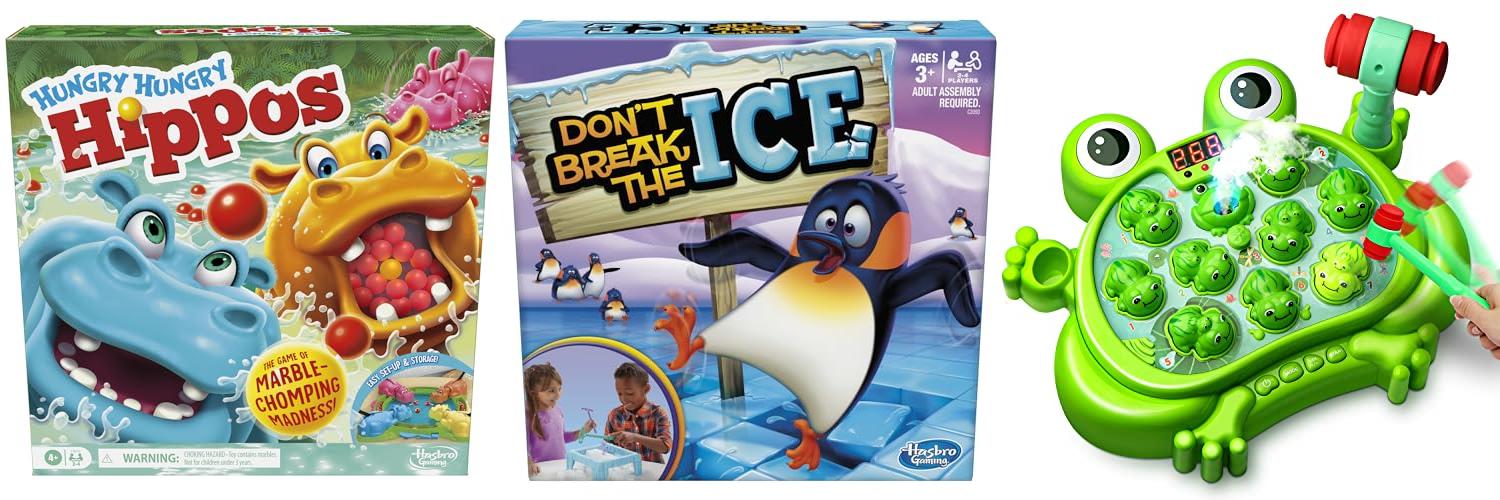
1. Hungry Hungry Hippos Game for Preschoolers

Rating: 9.1/10
Get ready for a blast of marble-chomping fun with the Hungry Hungry Hippos Game for Preschoolers! This classic game is back and better than ever, designed for instant fun and easy play for kids aged 4 and up. It’s perfect for playdates, family game nights, or just a fun afternoon indoors. Gather up to four players and let the hippo feeding frenzy begin!
What We Like:
- Instant Marble Relaunch: This game keeps the action going with marbles that instantly reload into the hippo’s trough. Kids can play again and again without interruption.
- Easy to Play for Preschoolers: The simple rules make it incredibly easy for young children to learn and enjoy. They just pick a hippo, launch the marbles, and start chomping!
- Quick Set-Up: Getting the game ready to play is a breeze. You can set it up in no time and get straight to the fun.
- Easy Storage: Say goodbye to runaway marbles! The game features a convenient marble storage case. Pushing down the levels on each hippo makes it fit neatly back into its box for storage or travel.
- Family Game Night Favorite: Reintroduce this beloved classic to a new generation. It’s a fantastic way to create lasting memories and enjoy quality time together.
- Great Gift Idea: Looking for a fun gift for a 4-year-old or older? This game is a guaranteed hit for birthdays and holidays.
What Could Be Improved:
- Marble Size: While the marbles reload easily, some younger players might need a little help launching them initially.
- Durability of Trough: With very enthusiastic chomping, the marble trough might show wear over extended, vigorous play.
This updated version of Hungry Hungry Hippos delivers classic fun with modern conveniences. It’s a fantastic way to keep preschoolers entertained while encouraging simple strategic thinking and quick reflexes.
2. Hasbro® Don’t Break The Ice Game

Rating: 8.7/10
Get ready for some chilly fun with the Hasbro® Don’t Break The Ice Game! This exciting preschool game challenges players to carefully tap out ice blocks, all while trying to keep Phillip the Penguin from taking a tumble. It’s a simple yet suspenseful game that will have little ones and the whole family giggling with anticipation.
What We Like:
- It’s a super fun and engaging game for young children, perfect for developing fine motor skills and strategic thinking.
- The goal of keeping Phillip the Penguin on top of the ice is easy for preschoolers to understand.
- It’s a fantastic game for family game nights, bringing everyone together for some friendly competition.
- The suspense of waiting for the ice to break and the penguin to fall is thrilling for kids.
- It makes a wonderful gift for birthdays or holidays, offering hours of entertainment.
- It’s a classic Hasbro game, known for quality and fun.
What Could Be Improved:
- The ice blocks can sometimes be a bit tricky to get out cleanly without disturbing others.
- Some players might find the penguin falling through the ice a bit disappointing if it happens too quickly.
The Hasbro® Don’t Break The Ice Game delivers plenty of laughs and excitement for young players. It’s a classic game that never gets old, making it a winning addition to any game collection.
3. HopeRock Toys for 2 3 4 5 Year Old Boy

Rating: 8.8/10
Get ready for hours of interactive fun with the HopeRock Whack-a-Frog Game! This engaging toy is designed for toddlers and preschoolers, offering a blend of entertainment and early learning. It’s packed with features that encourage motor skills, musicality, and cognitive development, making it an ideal gift for any child aged 2-5.
What We Like:
- Engaging Learning Modes: With 5 distinct modes (Pass, Competitive, Memory, Play, and Piano) and 45 levels, this game keeps young minds challenged and entertained as they progress.
- Develops Coordination: Tapping the light-up frogs helps improve hand strength and fine motor skills, while the fast-paced action enhances overall physical coordination.
- Interactive Spray Feature: The cool spray function adds an extra layer of excitement, automatically activating to keep kids engaged and curious. It also helps with visual and sound recognition.
- Parent-Child Bonding: The two-player mode encourages family interaction, strengthening the bond between parents and children through shared play.
- Adjustable and Safe: Volume control allows for quieter play, and the automatic shut-off conserves energy. Made from BPA-free, non-toxic ABS plastic with smooth edges, it’s completely safe for little ones.
What Could Be Improved:
- Music Variety: While 9 music options are included, a greater variety or the ability to add custom music could enhance replayability.
- Frog Sensitivity: Occasionally, the light-up frogs might require a slightly firmer tap than a very young toddler can manage, though this also aids in strengthening little hands.
This HopeRock Whack-a-Frog Game is a fantastic choice for stimulating your child’s development through play. It provides a fun and safe environment for learning and growing, making it a standout gift option.
4. Hasbro Gaming Candy Land Kingdom of Sweet Adventures Board Game for Kids

Rating: 9.4/10
Get ready for a journey through a world of sugary delights with the Hasbro Gaming Candy Land Kingdom of Sweet Adventures Board Game! This Amazon Exclusive brings back the classic fun that many of us remember from our own childhoods, now ready to be shared with a new generation of little adventurers. It’s a perfect introduction to board games for preschoolers and young children, offering simple, engaging gameplay.
What We Like:
- CLASSIC BEGINNER GAME: Relive cherished memories and create new ones by introducing your kids to the timeless joy of Candy Land.
- RACE TO THE CASTLE: Players embark on an exciting race to the Candy Castle, encountering delightful surprises and colorful destinations along the way.
- NO READING REQUIRED TO PLAY: This game is fantastic for children who are just learning to read or haven’t started yet. The color-matching mechanic makes it accessible and fun for everyone.
- GREAT GAME FOR LITTLE ONES: The vibrant illustrations, sweet-themed locations, and colorful cards capture young children’s imaginations and keep them entertained. It’s designed specifically for their developmental stage.
What Could Be Improved:
- The game can sometimes move very quickly, meaning shorter play sessions than some might prefer.
- While perfect for young beginners, the lack of strategic depth means it might not hold the interest of older children for long periods.
Candy Land remains a beloved classic for a reason. It’s an easy-to-learn, visually appealing game that fosters simple decision-making and turn-taking skills.
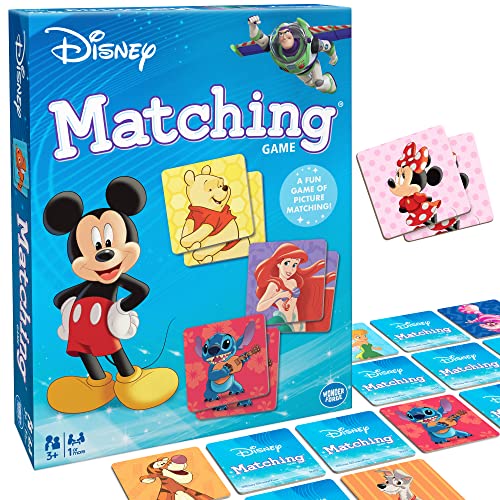
5. Wonder Forge Disney Matching Game – Fun Memory Game for Boys & Girls Ages 3 and Older – Featuring Classic Disney Characters – Preschool Learning Toy
Rating: 9.3/10
Get ready for magical fun with the Wonder Forge Disney Matching Game! This delightful memory game is designed for little Disney fans aged 3 and up, bringing classic characters like Mickey and Minnie Mouse to life. It’s a fantastic way for preschoolers to build important skills while having a blast.
What We Like:
- Builds essential memory skills, focus, and pattern recognition for kids ages 3-5.
- Easy to learn and play, perfect for quick family fun sessions.
- Features 72 charming tiles with beloved Disney characters, sparking joy and imagination.
- Encourages cooperation and interactive play, making it ideal for family game nights.
- A wonderful gift for birthdays, holidays, or any special occasion for young children.
What Could Be Improved:
- The game might become repetitive for older children (above age 7) after many plays.
- The tile size is suitable for little hands, but could potentially be a choking hazard for very young toddlers not yet familiar with the game.
This Disney Matching Game offers a fantastic blend of entertainment and early learning. It’s a simple yet effective toy that brings smiles and educational benefits to young Disney enthusiasts.
Choosing the Best Games for Your Three-Year-Old
Selecting the right games for a three-year-old is exciting! At this age, children are developing rapidly. They love to explore, learn, and play. The best games support their growth in fun and engaging ways. This guide will help you find perfect picks for your little one.
Key Features to Look For
When you shop for games, keep a few important things in mind.
Developmental Benefits
- Cognitive Skills: Look for games that encourage problem-solving, matching, and memory. Puzzles with large pieces are great. Sorting games also help them learn.
- Fine Motor Skills: Games that involve grasping, placing, and manipulating small objects are excellent. Think about stacking blocks or threading beads.
- Gross Motor Skills: Active games get kids moving. Ball games, simple obstacle courses, and dancing games are fantastic for this.
- Social and Emotional Skills: Cooperative games teach sharing and taking turns. Games that involve pretend play help with emotional expression.
Age Appropriateness
- Games should match a three-year-old’s attention span. Short, simple games are best.
- Rules should be easy to understand. Complex instructions can frustrate young children.
Durability and Safety
- Toys should be sturdy enough to withstand enthusiastic play.
- Look for non-toxic materials. Avoid small parts that could be a choking hazard.
Important Materials
The materials games are made from matter a lot.
- Wood: Wooden toys are often very durable and eco-friendly. They feel nice to touch and can last for years. Make sure the paint is non-toxic.
- Plastic: High-quality plastic can be safe and easy to clean. Look for BPA-free plastics.
- Cardboard: Sturdy cardboard is used for many puzzles and board games. Thicker cardboard holds up better.
- Fabric: Soft fabrics are great for plush toys and some activity mats. Ensure they are washable.
Factors That Improve or Reduce Quality
Several things make a game great or not so great.
Quality Boosters
- Bright, Engaging Colors: Appealing colors capture a child’s attention.
- Smooth Edges: Games with no sharp edges are safer.
- Clear Instructions: Easy-to-follow instructions make games more enjoyable for parents and kids.
- Open-Ended Play: Games that can be used in many ways encourage creativity.
Quality Reducers
- Flimsy Construction: Toys that break easily won’t last long.
- Toxic Smells: A strong chemical smell often means unsafe materials.
- Small, Detachable Parts: These are choking hazards and can get lost easily.
- Confusing or Overly Complex Rules: This can lead to frustration.
User Experience and Use Cases
Think about how your child will play with the game.
- Independent Play: Some games allow children to play by themselves, building confidence.
- Parent-Child Play: Many games are designed for adults and children to play together. This strengthens bonds.
- Playdates: Cooperative games are perfect for sharing with friends.
- Travel: Smaller, portable games are great for car rides or waiting rooms.
Choosing games for three-year-olds is about finding fun ways to help them learn and grow. Focus on safety, developmental benefits, and engaging design. Happy playing!
Frequently Asked Questions (FAQ) for Games for Three-Year-Olds
Q: What are the main Key Features to look for in games for three-year-olds?
A: The main Key Features include developmental benefits like improving cognitive skills (problem-solving, memory), fine motor skills (grasping, manipulating objects), gross motor skills (running, jumping), and social/emotional skills (sharing, emotional expression). Age appropriateness, with simple rules and short playtimes, is also very important. Finally, durability and safety, meaning sturdy construction and non-toxic materials, are crucial.
Q: Are wooden toys generally better than plastic ones for this age group?
A: Wooden toys are often very durable and eco-friendly, with a nice feel. High-quality plastic toys can also be safe and easy to clean. The key is the quality of the material itself, not just whether it’s wood or plastic. Always check for non-toxic certifications and smooth finishes on both.
Q: What makes a game “age-appropriate” for a three-year-old?
A: Age-appropriate means the game matches a three-year-old’s abilities and attention span. This includes having simple, easy-to-understand rules. The game should also be engaging enough to hold their interest for a reasonable amount of time, typically 10-20 minutes. The complexity of the challenges should match their developing skills.
Q: How important is it for games to have “open-ended play” features?
A: Open-ended play is very important because it encourages creativity and imagination. Games that can be used in multiple ways, without a single “right” way to play, allow children to explore different ideas and develop their own stories and solutions. This fosters independent thinking.
Q: What are some signs of low-quality games that parents should avoid?
A: Signs of low quality include flimsy construction that breaks easily, a strong chemical smell indicating potentially unsafe materials, and small parts that detach easily and could be choking hazards. Games with confusing or overly complex instructions can also reduce the quality of the play experience.
Q: Can you give an example of a game that helps develop fine motor skills?
A: A great example is a threading bead toy where children thread large beads onto a string. Stacking blocks, shape sorters, and puzzles with chunky pieces also help develop fine motor skills as children practice grasping and placing objects.
Q: What kind of games encourage social and emotional development in three-year-olds?
A: Cooperative games, where children work together towards a common goal, help teach sharing and taking turns. Pretend play games, like playing house or with dolls and action figures, allow children to act out emotions and scenarios, helping them understand feelings.
Q: Are there games suitable for three-year-olds that are also good for travel?
A: Yes, look for compact games with fewer small pieces. Magnetic puzzles, small stacking block sets, or simple card games designed for young children can be excellent for travel. Games that come with their own storage containers are also very convenient.
Q: How can parents ensure the safety of the games they buy?
A: Parents should always check for non-toxic material certifications, like BPA-free plastic or lead-free paint on wooden toys. Ensure there are no small parts that can detach and become a choking hazard. Look for smooth edges and sturdy construction. Reading reviews from other parents can also offer valuable safety insights.
Q: What is the typical attention span of a three-year-old for games?
A: A three-year-old’s attention span is generally short, often ranging from 10 to 20 minutes for a single activity. Games that are quick to set up and play, or that can be broken down into shorter sessions, are usually the most successful.
In conclusion, every product has unique features and benefits. We hope this review helps you decide if it meets your needs. An informed choice ensures the best experience.
If you have any questions or feedback, please share them in the comments. Your input helps everyone. Thank you for reading.