
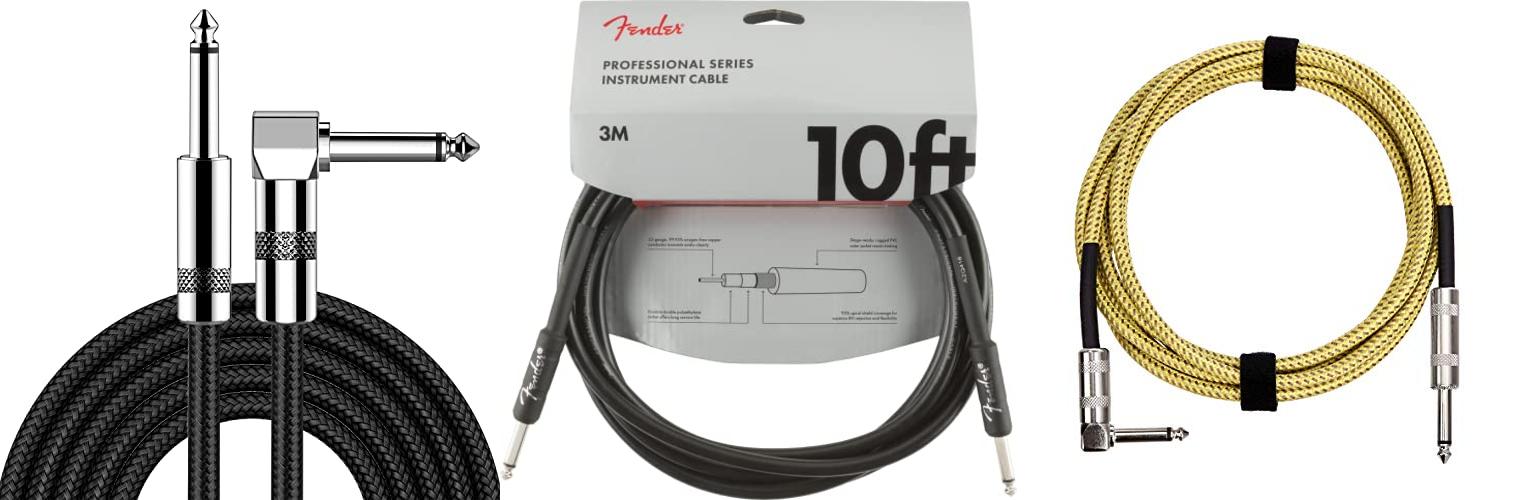
Ever plugged in your guitar and heard… nothing? Or maybe a crackly, buzzing mess? It’s a frustrating moment for any musician. That little cable connecting your guitar to your amp is more important than you might think. Choosing the wrong one can ruin your sound and your practice time.
So many cables look the same, but they’re not. Some are flimsy and break easily. Others make your awesome guitar sound weak and tinny. It’s tough to know which ones are built to last and which ones will actually make your music shine. You want a cable that’s reliable and lets your true guitar tone come through.
This post will help you understand what makes a good guitar cable. We’ll explore the different types, what to look for, and how to avoid common mistakes. By the end, you’ll feel confident picking out a cable that sounds great and won’t let you down when you’re ready to rock.
Our Top 5 Guitar Cable Recommendations at a Glance
Top 5 Guitar Cable Detailed Reviews
1. New bee Guitar Cable 10ft Electric Instrument Bass AMP Cord for Electric Mandolin

Rating: 9.0/10
The New bee Guitar Cable 10ft is a versatile and reliable cord for your instruments. It works great for electric guitars, basses, and even mandolins. This black cable is designed to give you clear sound without annoying buzzing. The special connectors make sure it stays plugged in securely, and the right-angle plug is super handy for playing on stage.
What We Like:
- It gives you really clear sound with no extra noise.
- The connectors fit snugly into your instrument, pedals, and amp.
- The right-angle plug is perfect for using on stage.
- It’s flexible and easy to handle.
- It works with lots of different audio gear.
- Repairs are easy if you ever need them.
- The company offers great customer service.
What Could Be Improved:
- The 10ft length might be a bit short for some players.
This New bee guitar cable is a solid choice for musicians. It delivers good sound and is built to last. You can trust it for practice, gigs, and all your audio needs.
2. Fender Professional Series Instrument Cable

Rating: 9.3/10
Get ready to rock with the Fender Professional Series Instrument Cable. This 10-foot black cable is built for serious musicians. It works great for electric guitars, amps, and other instruments. Its tough design means it can handle life on the road.
What We Like:
- This cable is designed to prevent twisting and kinking.
- It has great shielding that cuts down on annoying noise.
- The cable is flexible and easy to handle.
- It offers a strong signal path for clear sound.
- The connectors are made of nickel for lasting performance.
- It comes with a Limited Lifetime Warranty from Fender.
What Could Be Improved:
- While durable, extremely rough handling might still cause wear over time.
- The 10-foot length might be too short for some larger stages.
This Fender instrument cable delivers a clean, crisp sound. It’s a reliable choice for any player who needs a dependable connection.
3. Amazon Basics TS 1/4 Inch Tweed Cloth Jacket Right-Angle Instrument Cable for Electric Guitar

Rating: 8.6/10
Looking for a reliable cable to connect your instrument to your amp? The Amazon Basics TS 1/4 Inch Tweed Cloth Jacket Right-Angle Instrument Cable is a great option. This 10-foot cable comes in a cool yellow and brown tweed pattern. It’s designed to work with electric guitars, basses, and keyboards, connecting them to amplifiers or PA systems. You get clear sound thanks to the good quality copper inside. The cable also does a good job of blocking out unwanted noise.
What We Like:
- It delivers clear sound for your music.
- The tweed jacket looks stylish and is strong.
- The right-angle connector is handy for tight spaces.
- It helps prevent annoying hum and buzz.
- You get good performance without spending a lot.
- It comes with a 1-year warranty from Amazon Basics.
What Could Be Improved:
- While durable, some users might prefer a slightly more flexible cable for very dynamic stage setups.
- The tweed jacket, though stylish, could potentially snag on rough surfaces more easily than a smooth rubber jacket.
This cable offers a great balance of quality and affordability. It’s a solid choice for musicians who want clear sound and dependable performance.
4. Ernie Ball Braided Instrument Cable

Rating: 9.3/10
The Ernie Ball Braided Instrument Cable, Straight/Angle, 10ft, Black (P06081) is a reliable choice for musicians. This cable connects your guitar or bass to your amplifier. Its braided design adds extra toughness. The 10-foot length gives you room to move on stage. One end has a straight plug, and the other has an angled plug. This makes it easy to plug into different gear.
What We Like:
- The braided jacket makes the cable really strong. It won’t get tangled easily.
- It sounds good. It sends a clear signal from your instrument to your amp.
- The combination of a straight and an angled plug is super handy. It fits in tight spaces.
- The black color looks cool and professional.
What Could Be Improved:
- While the braided jacket is tough, it can sometimes feel a little stiff when you first use it.
- Ernie Ball cables are great, but sometimes they can be a bit more expensive than other brands.
This Ernie Ball cable is a solid performer for any musician. It offers durability and clear sound for your performances.
5. Guitar Cable 10 ft 2 Pack

Rating: 9.1/10
Ready to upgrade your sound? This 10 ft, 2-pack of guitar cables is built tough and sounds amazing. They feature a cool nylon braided design that won’t kink up and is super flexible. Plus, they have Kevlar inside, making them incredibly strong. You get top-notch connectors from Neutrik, so they fit perfectly and protect your gear. These cables deliver clear, clean sound without annoying buzz or hum, making your guitar sound its best.
What We Like:
- Super tough nylon braiding means no more tangled, kinky cables.
- Kevlar reinforcement makes them 10 times stronger than regular cables.
- Neutrik REAN connectors are top-quality and fit perfectly.
- Thicker copper wire (20 Gauge) makes your guitar sound much better.
- Excellent shielding blocks out noise for a super clear sound.
- Special internal heat-shrink protects connections for lasting performance.
- Comes with a lifetime warranty, so you can buy with confidence.
What Could Be Improved:
- The 10 ft length might be a bit short for some larger stages.
- The bright colors, while stylish, might not blend in with all setups.
These cables are a fantastic upgrade for any guitarist looking for durability and superior sound. You can play with confidence knowing your gear is protected and your tone is crystal clear.
Your Essential Guide to Choosing the Best Guitar Cables
Picking the right guitar cable is super important for any guitarist. It’s like the bridge between your guitar and your amplifier. A good cable helps your sound come through clear and strong. A bad cable can make your music sound weak or buzzy. This guide will help you find the perfect cable for your needs.
Key Features to Look For
When you shop for guitar cables, keep these important things in mind:
1. Connectors
The connectors are the metal tips that plug into your guitar and amp. Most guitar cables have 1/4-inch TS (Tip-Sleeve) connectors.
- Straight Connectors: These are straight and plug straight in. They work well for most situations.
- Angled Connectors: These bend at a 90-degree angle. They are great for plugging into guitars with output jacks on the side. They can also help keep cables tidy on stage.
- Quality of Connectors: Look for connectors made from durable materials like gold-plated or nickel-plated metal. These resist rust and provide a better connection.
2. Cable Length
The length of your cable matters.
- Too Short: If your cable is too short, you might not have enough room to move around while playing.
- Too Long: Very long cables can sometimes pick up more noise or weaken your signal.
For most players, a 10-foot or 15-foot cable is a good starting point. If you play on big stages, you might need a longer one.
3. Shielding
Shielding is a layer inside the cable that protects your sound from outside noise.
- Good Shielding: This stops hum and buzz from interfering with your playing.
- Poor Shielding: This can let in unwanted noise, making your music sound bad.
Look for cables with high-quality shielding. This is a big factor in how clean your sound will be.
Important Materials
The stuff your cable is made of makes a big difference in how it sounds and lasts.
1. Copper Wire
The wire inside carries your guitar’s signal.
- Oxygen-Free Copper (OFC): This is the best choice. OFC wire helps your signal travel clearly with less loss.
- Copper Clad Aluminum (CCA): This is cheaper but doesn’t carry sound as well as OFC.
Always try to get cables with OFC wire for the best sound quality.
2. Outer Jacket
This is the outer layer that protects the inner wires.
- PVC: This is common and flexible. It’s good for everyday use.
- Braided Nylon: This looks cool and adds extra protection. It can also help prevent tangles.
A strong outer jacket keeps your cable from breaking easily.
Factors That Improve or Reduce Quality
Some things make a cable sound great, and others make it sound terrible.
Improving Quality
- Good Connectors: Solid, well-made connectors make a strong, clear connection.
- High-Quality Wire: OFC wire ensures your signal stays clean.
- Effective Shielding: This keeps out unwanted noise.
- Solid Construction: Cables that are built to last will sound better for longer.
Reducing Quality
- Cheap Connectors: These can become loose or corroded, causing crackling sounds.
- Poor Wire: CCA wire or thin copper can weaken your signal.
- Bad Shielding: This lets in hum and buzz.
- Flimsy Construction: Cables that fray or break easily won’t last.
User Experience and Use Cases
How you use your cable affects what you need.
For Beginners
If you’re just starting, a simple, durable cable around 10-15 feet with straight connectors is usually a good choice. Focus on getting a cable with decent shielding to avoid frustrating noise.
For Gigging Musicians
If you play live shows, you need a cable that is tough and reliable. Angled connectors can be helpful on stage. Consider a cable with a braided jacket for extra durability. Having a spare cable is also wise.
For Studio Recording
In the studio, clean sound is everything. Look for cables with excellent shielding and OFC wire to capture every detail of your playing without any noise.
Frequently Asked Questions About Guitar Cables
Q: What is the most important feature of a guitar cable?
A: The most important features are good shielding and high-quality connectors. These help your sound stay clean and strong.
Q: Should I buy a straight or angled connector?
A: It depends on where you plug in. Straight connectors work almost everywhere. Angled connectors are good for tight spaces or when you want to keep cables neat.
Q: Does cable length affect sound quality?
A: Yes, very long cables can sometimes make your signal weaker or pick up more noise. For most players, a 10-15 foot cable is ideal.
Q: What does “OFC” stand for in cables?
A: OFC stands for Oxygen-Free Copper. This type of copper wire is better for carrying your guitar’s signal clearly.
Q: How can I tell if a cable has good shielding?
A: It’s not always obvious from the outside. Look for descriptions that mention “high-density shielding” or “double shielding.” Reading reviews can also help.
Q: Will a more expensive cable sound much better?
A: Often, yes. More expensive cables usually use better materials and have better construction, which leads to a cleaner signal and more durability.
Q: How do I care for my guitar cable?
A: Avoid stepping on them, yanking them, or storing them in knots. Coil them loosely and keep them clean.
Q: Can I use a speaker cable as a guitar cable?
A: No, you should never do this. Speaker cables are made for sending power, not instrument signals. Using the wrong cable can damage your equipment.
Q: How many guitar cables do I need?
A: Most guitarists need at least two. One for playing and a spare in case the first one breaks during a gig.
Q: What is “signal degradation”?
A: Signal degradation means your guitar’s sound gets weaker or less clear as it travels through the cable. Good cables help prevent this.
In conclusion, every product has unique features and benefits. We hope this review helps you decide if it meets your needs. An informed choice ensures the best experience.
If you have any questions or feedback, please share them in the comments. Your input helps everyone. Thank you for reading.