
Imagine all your photos, videos, and games – gone in an instant. That’s a scary thought, right? Our digital lives are stored on hard drives, those unsung heroes tucked away inside our computers. But when it’s time to buy a new one, it feels like navigating a maze. So many numbers, so many brands, and what’s the difference between SSD and HDD anyway?
Choosing the right hard drive can be confusing and frustrating. You want speed, you want space, and you definitely don’t want to waste money on something that won’t do the job. It’s a common problem for anyone looking to upgrade their computer or buy a new one. You might worry about losing important files or not having enough room for your favorite things.
Don’t worry! By reading on, you’ll learn what makes a hard drive tick. We’ll break down the confusing terms and help you understand what really matters. By the end, you’ll feel confident choosing a hard drive that fits your needs and budget, making sure your precious digital memories stay safe and sound.
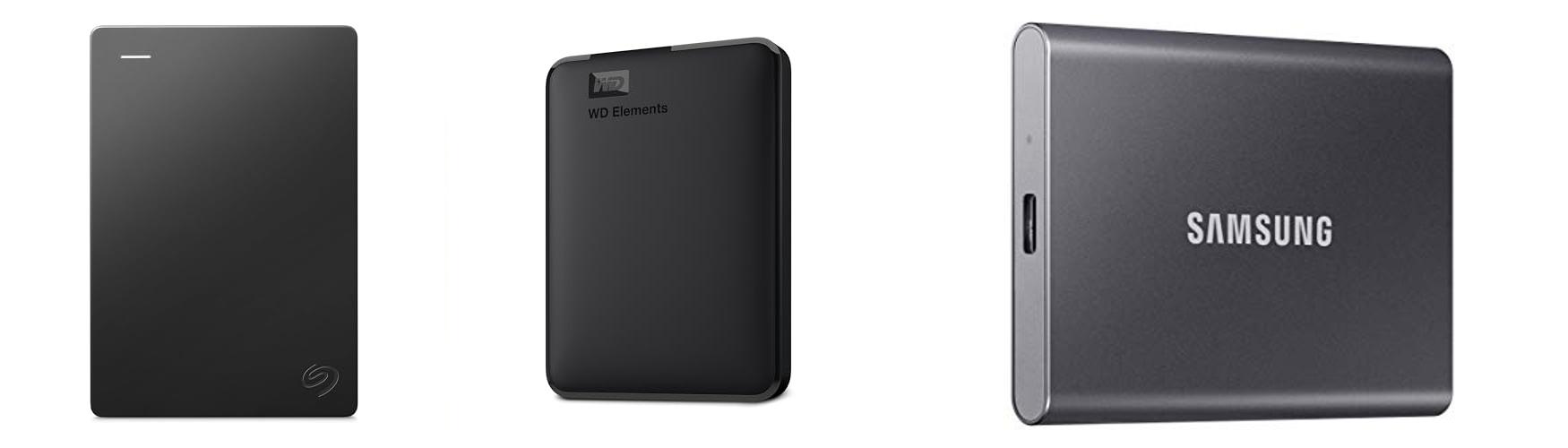
Our Top 5 Hard Drive Recommendations at a Glance
Top 5 Hard Drive Detailed Reviews
1. Seagate Portable 2TB External Hard Drive HDD — USB 3.0 for PC

Rating: 8.8/10
Need more space for your photos, videos, and games? The Seagate Portable 2TB External Hard Drive is a great solution. This little drive lets you carry 2 terabytes of stuff wherever you go. It works with both Windows and Mac computers, making backups super easy. Just drag and drop your files, and you’re done! Setting it up is a breeze – plug it into your computer, and it’s ready to go. No complicated software needed. It even comes with a USB 3.0 cable for fast transfers.
What We Like:
- It offers a huge 2TB of storage, perfect for large files and many games.
- Setup is incredibly simple; just plug it in and start using it.
- It’s designed for both Windows and Mac, making it versatile.
- The USB 3.0 connection ensures quick file transfers.
- It’s portable, so you can take your data anywhere.
- The included 1-year Rescue Service offers peace of mind.
What Could Be Improved:
- The included USB cable is only 18 inches long, which might be too short for some setups.
- While durable, it’s still a hard drive, so handling it with care is important.
For anyone needing extra storage, this Seagate Portable Drive is a reliable and simple choice. It makes managing your digital life easier than ever.
2. WD 2TB Elements Portable External Hard Drive for Windows

Rating: 8.9/10
Looking for a simple way to save all your important files? The WD 2TB Elements Portable External Hard Drive is a great choice. It’s small and light, so you can easily take it with you anywhere. This drive lets you store tons of photos, videos, music, and documents. It works with both Windows computers and Macs right out of the box. Just plug it in, and you’re ready to go!
What We Like:
- It’s small and light, making it easy to carry.
- You can store a lot of files, up to 6TB!
- It’s super easy to use. Just plug it in and start saving.
- It works with both PCs and Macs.
- It uses fast USB 3.2 technology for quick file transfers.
What Could Be Improved:
- The design is pretty basic; it doesn’t stand out.
- It doesn’t come with any special backup software built-in.
This WD Elements drive is a straightforward and reliable way to expand your storage. It’s a solid option for anyone needing extra space for their digital life.
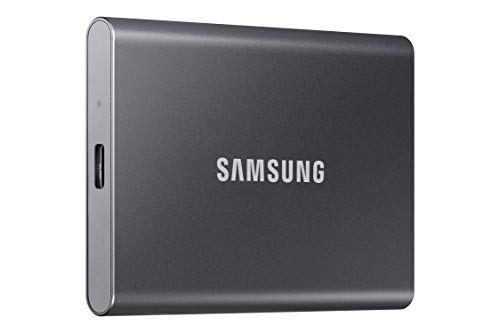
3. SAMSUNG T7 Portable SSD
Rating: 9.4/10
Meet the SAMSUNG T7 Portable SSD, a 1TB external solid-state drive that’s built for speed and toughness. It’s perfect for anyone who needs to store a lot of files quickly and safely, whether you’re a gamer, a student working on projects, or a professional editing videos. This drive comes in a sleek gray color and is designed to keep up with your busy life.
What We Like:
- Super-fast speeds: It reads and writes files up to 1,050MB/s, making it much faster than older drives.
- Built tough: The aluminum body is strong and can survive drops from up to 6 feet.
- Record 4K video: You can record high-quality videos directly to the drive from your camera or phone.
- Works with lots of devices: It connects easily to PCs, Macs, and even phones.
- Compact and light: It’s small enough to carry anywhere.
- Trusted brand: Samsung is known for making reliable flash memory.
What Could Be Improved:
- Cable management: The included cables can sometimes be a bit short for certain setups.
- No included software: It doesn’t come with backup software, so you’ll need to find your own.
The Samsung T7 Portable SSD is an excellent choice for fast, reliable storage. It’s a dependable partner for all your creative projects and everyday needs.
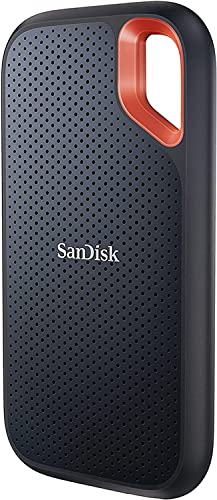
4. SanDisk 1TB Extreme Portable SSD – Up to 1050MB/s
Rating: 9.3/10
Unleash your creativity and keep your important files safe with the SanDisk 1TB Extreme Portable SSD. This super-fast external drive lets you save and access your photos, videos, and projects at lightning speeds. Its tough design means it can handle everyday bumps and splashes, so you can take it anywhere with confidence.
What We Like:
- Super-fast NVMe speeds mean quick file transfers (up to 1050MB/s read, 1000MB/s write).
- It’s very durable, with protection against drops up to 3 meters and IP65 water/dust resistance.
- A handy carabiner loop makes it easy to attach to your backpack or belt.
- Password protection with 256-bit AES encryption keeps your private files secure.
- The SanDisk Memory Zone app helps you manage files and free up space.
What Could Be Improved:
- Performance can sometimes be a bit slower depending on the device you connect it to.
- The included cable might be a little short for some setups.
This SanDisk Extreme Portable SSD is an excellent choice for anyone needing fast, reliable, and durable storage on the go. It offers great performance and protection for your valuable data.
5. Maxone 1TB Ultra Slim Portable External Hard Drive HDD USB 3.0 Compatible with PC

Rating: 9.4/10
Meet the Maxone 1TB Ultra Slim Portable External Hard Drive, your new go-to for extra storage. This sleek, charcoal grey drive is super thin and tough, perfect for carrying around. It works with most computers and game consoles, making it easy to save your files, photos, and games.
What We Like:
- Ultra Slim and Sturdy: It’s only 0.4 inches thick and made of strong aluminum. This keeps it cool and quiet.
- Fast Speeds: USB 3.0 technology means you can transfer files really fast, up to 5 Gbit/s. This is much quicker than older USB drives.
- Easy to Use: Just plug it in! No extra power or software is needed. It works right away with Windows 7, 8, and 10.
- Great for More Storage: It’s ideal for your PC, laptop, or even your game console when you need more space.
- Comes with Everything: You get the hard drive, a USB 3.0 cable, a user’s manual, and a 3-year warranty with free support.
What Could Be Improved:
- Limited Compatibility Notes: While it says compatible with PC and Laptop, specific details for Mac or other operating systems are not explicitly mentioned in the core features.
This Maxone external hard drive offers a great blend of portability, speed, and ease of use. It’s a solid choice for anyone needing more digital space.
Choosing the Right Hard Drive: Your Guide to Storing More
Computers need a place to keep all your files, like photos, games, and schoolwork. That place is called a hard drive. Think of it like a digital filing cabinet. There are different kinds of hard drives, and picking the right one makes a big difference. This guide will help you find the perfect hard drive for your needs.
Key Features to Look For
Capacity (How Much It Holds)
This is the most important thing. Hard drives are measured in gigabytes (GB) or terabytes (TB). More GB or TB means it can hold more stuff. If you have lots of photos and videos, you’ll need a big capacity. For just documents and a few apps, a smaller one might be fine.
Speed (How Fast It Works)
Hard drives transfer information. Faster drives mean your computer starts up quicker, and programs open faster. There are two main types of speed: RPM (for older drives) and read/write speeds (for newer drives).
Type of Drive
There are two main types: HDD (Hard Disk Drive) and SSD (Solid State Drive). We’ll talk more about these later.
Form Factor (Size and Shape)
Most hard drives are either 3.5-inch (for desktop computers) or 2.5-inch (for laptops and smaller devices). Make sure the one you buy fits your computer.
Important Materials and What They Mean
Hard drives are made with different parts. The type of materials used affects how they work and how long they last.
For HDDs:
- Platters: These are spinning disks that store your data.
- Read/Write Heads: These move over the platters to read and write information.
- Motor: This makes the platters spin.
The quality of these parts affects how reliable the drive is.
For SSDs:
- NAND Flash Memory: This is like tiny memory chips that store your data electronically.
- Controller: This chip manages the data on the NAND flash.
SSDs have no moving parts, which makes them faster and more durable.
Factors That Improve or Reduce Quality
Brand Reputation
Some companies are known for making good, reliable hard drives. Stick with well-known brands for better quality.
Warranty
A longer warranty usually means the company believes in its product. It protects you if the drive stops working.
Build Quality
A well-built drive feels solid. For SSDs, the quality of the NAND flash is very important for how long it lasts.
Heat and Vibration
HDDs can be affected by heat and shaking. SSDs are much better at handling these things because they have no moving parts.
User Experience and Use Cases
For Everyday Users
If you use your computer for browsing the internet, email, and simple tasks, a standard HDD or a smaller SSD will work well. You won’t need the fastest or biggest drive.
For Gamers and Power Users
Gamers need fast loading times. SSDs are a must for this. They also need a lot of space for big games, so a large-capacity SSD or a combination of an SSD for the operating system and an HDD for games is a good idea.
For Creative Professionals (Video Editors, Photographers)
These users deal with very large files. They need drives with huge capacities and good speeds. A fast SSD for editing and a large HDD for storing finished projects is often used.
For Laptops
Laptops usually use 2.5-inch drives. SSDs are great for laptops because they are faster, use less power, and are more resistant to bumps.
Frequently Asked Questions (FAQ) About Hard Drives
Q: What’s the difference between an HDD and an SSD?
A: An HDD is like a record player with spinning disks. An SSD is like a USB stick, using electronic chips. SSDs are much faster and quieter.
Q: Which is better, HDD or SSD?
A: For speed and durability, SSDs are better. For storing lots of data cheaply, HDDs are still good.
Q: How much storage do I really need?
A: For most people, 1TB is a good starting point. If you have many photos or games, consider 2TB or more.
Q: Can I put an SSD in an older computer?
A: Yes, most older computers can use SSDs. It will make them run much faster.
Q: How do I know if a hard drive will fit my computer?
A: Check if your computer needs a 3.5-inch (desktop) or 2.5-inch (laptop) drive. Also, check the connection type (SATA is common).
Q: Do hard drives wear out?
A: Yes, HDDs can fail over time due to moving parts. SSDs have a limited number of write cycles, but they usually last a very long time for normal use.
Q: Should I buy an external hard drive?
A: External drives are great for backing up your data or moving files between computers.
Q: What does “RPM” mean for HDDs?
A: RPM stands for Revolutions Per Minute. It tells you how fast the platters spin. Higher RPM means faster data access.
Q: Is it okay to use a hard drive that’s almost full?
A: It’s best not to fill a drive completely. Leaving some empty space helps it run better and last longer.
Q: How can I protect my hard drive data?
A: Always back up your important files to another drive or the cloud. This is the best way to prevent data loss.
In conclusion, every product has unique features and benefits. We hope this review helps you decide if it meets your needs. An informed choice ensures the best experience.
If you have any questions or feedback, please share them in the comments. Your input helps everyone. Thank you for reading.