
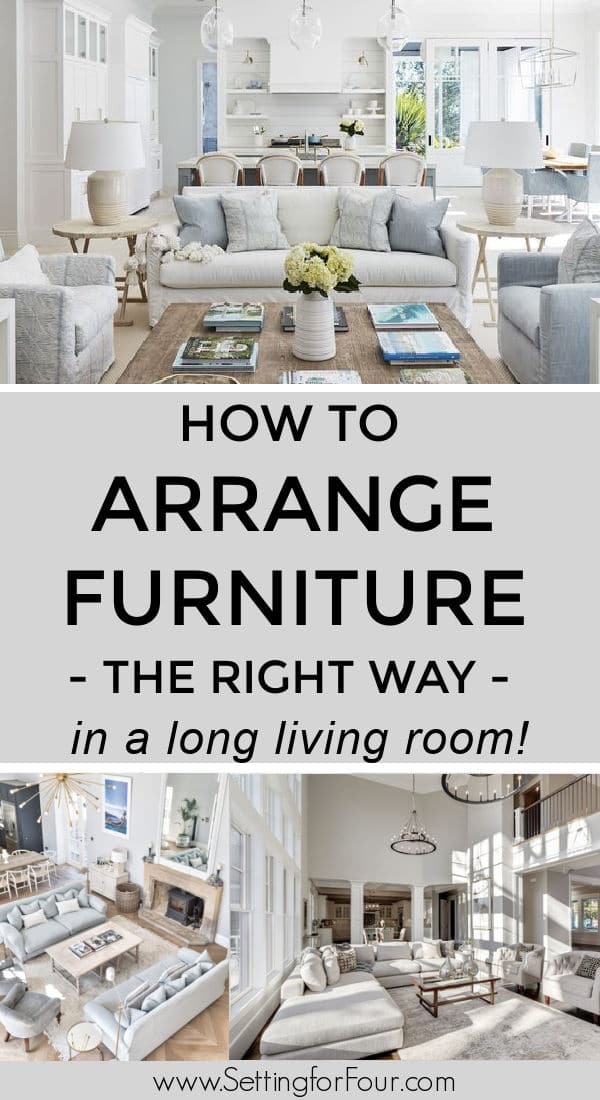
Image Source: www.settingforfour.com
How To Arrange Furniture In Long Living Room: Smart Layouts
Can you arrange furniture in a long living room to make it feel cozier and more functional? Yes, absolutely! Arranging furniture in a long living room can be tricky, but with the right layout ideas and furniture placement, you can transform it into a comfortable and stylish space. The key is to break up the length, create distinct areas, and ensure good flow and movement.
A long living room, often called a galley or bowling alley living room, presents unique challenges. Its elongated shape can make it feel narrow, cold, and difficult to furnish. However, with smart strategies, you can overcome these hurdles and create a welcoming, balanced, and highly functional space. This guide will delve into practical advice, styling tips, and proven layout ideas to help you master furniture placement in your long living room.
Decoding Your Long Living Room’s Potential
Before you start moving furniture, take a moment to assess your long living room. What is its primary purpose? Is it for family movie nights, entertaining guests, reading, or a combination of these? Knowing this will help you prioritize seating arrangements and the overall layout. Consider the natural light sources, existing architectural features like fireplaces or windows, and where the main entry points are.
Grasping the Room’s Dimensions:
- Measure everything: Walls, windows, doors, and any existing architectural features.
- Note electrical outlets and light fixtures: Plan your furniture around these to avoid inconvenient cord management.
- Consider traffic patterns: Where do people naturally walk through the room? Ensure these paths are kept clear.
Creating Functional Zones: The Cornerstone of a Long Layout
The most effective way to tackle a long living room is by dividing it into distinct functional zones. This breaks up the perceived length and creates smaller, more intimate areas for different activities. Think of it as creating “rooms within a room.”
Zone 1: The Primary Conversation Area
This is usually the main focal point of the living room. It’s where you’ll place your main seating.
- Anchor with a large rug: A rug can visually define this zone and make it feel more grounded. Choose a rug large enough to have the front legs of your main seating furniture on it.
- Sofa and Chairs: Place your sofa, love seat, and accent chairs to encourage conversation. Facing them towards each other or in an L-shape is ideal.
- Coffee Table: Position a coffee table in the center of the seating group.
- Focal Point: Arrange seating around a fireplace, a large window with a view, or a media console.
Zone 2: A Secondary Activity Area
Depending on your needs, this zone could be a reading nook, a small dining area, a play space for children, or a home office.
- Reading Nook: A comfortable armchair, a floor lamp, and a small side table can create a cozy retreat.
- Small Dining Area: A bistro table and chairs can work well at one end of the room, especially if you don’t have a separate dining room.
- Play Area: A soft rug and some storage for toys can make this area functional for families.
- Home Office: A stylish desk and chair, perhaps with a wall-mounted shelf, can create a dedicated workspace.
Zone 3: Transition and Flow
This area ensures that movement through the room is easy and unobstructed. Avoid cluttering this space.
- Clear Pathways: Maintain clear pathways between zones and to doorways.
- Minimal Furniture: Use console tables or slim cabinets if needed for storage or display, but keep them proportionate to the space.
Smart Layout Ideas for Long Living Rooms
Here are several layout ideas that work well in long living rooms, focusing on furniture placement to create visual balance and creating zones.
1. The Two-Zone Layout (The Classic Approach)
This is a popular and effective method for long, narrow rooms. It involves dividing the room into two equally sized (or proportionally sized) zones.
- Placement: Imagine a line drawn down the middle of your room. Each half becomes a distinct zone.
- Zone A: Typically houses the main seating area – sofa, chairs, coffee table, and possibly a media console.
- Zone B: Can be a secondary seating area, a reading nook, a play area, or a functional space like a desk.
- Connecting Element: A rug in each zone helps to visually separate them while maintaining a cohesive feel. Consider mirroring elements like artwork or lighting to tie the two zones together.
Table: Two-Zone Layout Example
| Zone | Primary Furniture | Purpose |
|---|---|---|
| Zone 1 (Front) | Sofa, two accent chairs, coffee table, media console, large rug | Conversation & Entertainment |
| Zone 2 (Back) | Armchair, floor lamp, side table, small bookshelf | Reading Nook & Quiet Relaxation |
2. The Central Conversation Pit
This layout focuses on creating one dominant, inviting conversation area.
- Placement: Instead of dividing the room into two, you push all the main seating towards the center.
- Furniture Arrangement: A large sofa might be placed along one wall, with two accent chairs facing it, or arranged in a U-shape. A large coffee table is crucial here to anchor the arrangement.
- Maximizing Space: This layout works best when the secondary areas are kept minimal. A console table against a wall or a slender bookshelf can be used for storage or display without encroaching on the central seating.
- Benefits: This can make the room feel more intimate and less like a hallway.
3. The Floating Furniture Approach
This strategy involves pulling furniture away from the walls to create a more dynamic and less predictable layout.
- Placement: Imagine your seating arrangement as an island in the middle of the room.
- Sofa Placement: Your sofa might float in the center, facing a focal point.
- Chairs: Accent chairs can be angled towards the sofa or placed on either side.
- Defining Boundaries: Use rugs to define the “edges” of your furniture grouping.
- Benefits: This can make the room feel wider and more inviting, especially if you have a lot of wall space. It also helps with flow and movement by creating pathways around the furniture.
4. The Linear Layout (Use with Caution)
While often the default, a purely linear layout where furniture is pushed against the walls can emphasize the room’s length. However, it can be adapted.
- Placement: If you must use the walls, try to break up the length.
- Sofa Placement: Place the sofa on one long wall.
- Opposite Wall: Instead of another large sofa, use two smaller chairs or a chaise lounge on the opposite wall. This creates visual interest and balancing the space.
- Ends of the Room: Utilize the shorter ends for different functions, like a desk or a reading chair.
Key Elements for Balancing the Space and Enhancing Flow
Achieving visual balance and ensuring smooth flow and movement are critical in long living rooms.
Anchoring with Rugs
- Define Zones: As mentioned, rugs are essential for defining creating zones.
- Size Matters: Ensure your rugs are appropriately sized for each zone. In the main seating area, the rug should be large enough to accommodate the front legs of your sofa and chairs.
- Placement: Rugs can also be used to guide the eye and direct traffic.
Lighting: Creating Ambiance and Defining Areas
- Layered Lighting: Use a combination of ambient (overhead), task (reading lamps), and accent lighting (table lamps) to create warmth and depth.
- Strategic Placement: Floor lamps can act as visual anchors in corners or at the ends of seating groups, helping to break up the length. Table lamps on side tables add intimate lighting.
Artwork and Wall Decor
- Gallery Walls: Consider a series of artworks or photographs hung together to create a focal point on a long wall. This can visually “pull” the wall inwards.
- Large Scale Art: A single, large piece of art can also be effective in anchoring a seating area.
- Hanging Mirrors: Mirrors can reflect light and create a sense of spaciousness, helping to maximize space.
Furniture Scale and Placement for Maximizing Space
- Proportion is Key: Choose furniture that is proportionate to the size of your room. Oversized furniture can make a long room feel even more cramped.
- Multi-functional Furniture: Ottomans with storage, nesting tables, and sofa beds can help you maximize space and serve multiple purposes.
- Consider Round Shapes: Round coffee tables or accent tables can soften the lines of a long room and improve flow and movement. They also offer a welcome contrast to the inherent straight lines of the space.
- Leggy Furniture: Furniture with exposed legs (sofas, chairs, consoles) creates an illusion of more floor space, making the room feel less cluttered and aiding flow and movement.
Styling Tips for a Cozy and Cohesive Look
Beyond the layout, styling tips can further enhance the feel of your long living room.
- Color Palette: Use a consistent color palette throughout the room. Lighter colors on the walls can make the space feel brighter and wider. Accent colors can be introduced through cushions, throws, and artwork.
- Texture: Introduce various textures (e.g., velvet, linen, wood, metal) to add warmth and visual interest.
- Plants: Incorporate plants to bring life and color into the space. Tall plants can help fill vertical space, and smaller plants can be placed on side tables or shelves.
- Treating the Ends: Don’t neglect the short walls at either end of the room. They are perfect opportunities for defining areas with a desk, a reading chair, or a striking piece of furniture.
Common Furniture Arrangement Pitfalls to Avoid
- Pushing Everything Against the Walls: This is the most common mistake and often exaggerates the room’s length.
- Ignoring Traffic Flow: Blocking pathways will make the room feel awkward and unusable.
- Too Much Small Furniture: A collection of small, disparate pieces can look cluttered and fail to create any defined zones.
- One Oversized Rug: Using one very large rug that spans the entire length of the room can sometimes emphasize its narrowness. It’s often better to use two rugs to delineate different areas.
Frequently Asked Questions About Long Living Room Furniture Arrangement
Q1: What is the best way to make a long living room feel wider?
- Answer: To make a long living room feel wider, use layout ideas that break up the length, such as creating multiple seating areas or using furniture placement that pulls the focus inward. Employing lighter wall colors, strategically placed mirrors, and furniture with exposed legs also contributes to a sense of spaciousness. Maximizing space is key, and this can be achieved by using furniture that serves multiple purposes and keeping the pathways clear.
Q2: Can I place my sofa across the width of a long living room?
- Answer: Yes, placing your sofa across the width of the room, especially if it’s a smaller sofa or loveseat, can be a great way to break up the length and create a more intimate seating area. This is often done in conjunction with other furniture on either side or at the ends to create a balanced arrangement.
Q3: How do I avoid making my long living room feel like a hallway?
- Answer: The primary way to avoid the hallway effect is by creating zones. Divide the room into at least two distinct functional areas using furniture placement, rugs, and lighting. This breaks the visual continuity of the long space and introduces visual interest.
Q4: What kind of rugs work best in a long living room?
- Answer: In a long living room, it’s often best to use multiple rugs to define different zones rather than one long, narrow rug. For instance, a large rectangular rug can anchor your main seating area, while a smaller rug can define a reading nook or a secondary seating area.
Q5: How can I add personality and warmth to a long living room?
- Answer: Add personality and warmth through styling tips like layering lighting, using a mix of textures, displaying artwork and personal items, and incorporating plants. Focusing on creating cozy seating arrangements and defining areas for specific activities will make the space feel more inviting and less like a transitional area.
Arranging furniture in a long living room is an opportunity to be creative and strategic. By focusing on creating zones, employing smart layout ideas, and paying attention to flow and movement, you can transform your long space into a functional, stylish, and inviting heart of your home. Remember, the goal is to break up the length, create intimate areas, and ensure visual balance, ultimately maximizing space and making it a pleasure to live in.