
What is the best way to clean a commercial kitchen? The best way to clean a commercial kitchen is through a systematic approach, adhering to strict food safety standards, and utilizing the right tools and techniques for each area and piece of equipment. This comprehensive guide will walk you through the process, ensuring your kitchen is not only sparkling but also safe and compliant.
A clean commercial kitchen is the cornerstone of a successful food service business. It’s not just about appearances; it’s directly linked to food safety in commercial kitchens, preventing contamination, ensuring compliance with health regulations, and maintaining the longevity of your expensive equipment. This guide will equip you with the knowledge to tackle every aspect of commercial kitchen cleaning, from daily routines to the infrequent but crucial deep clean.
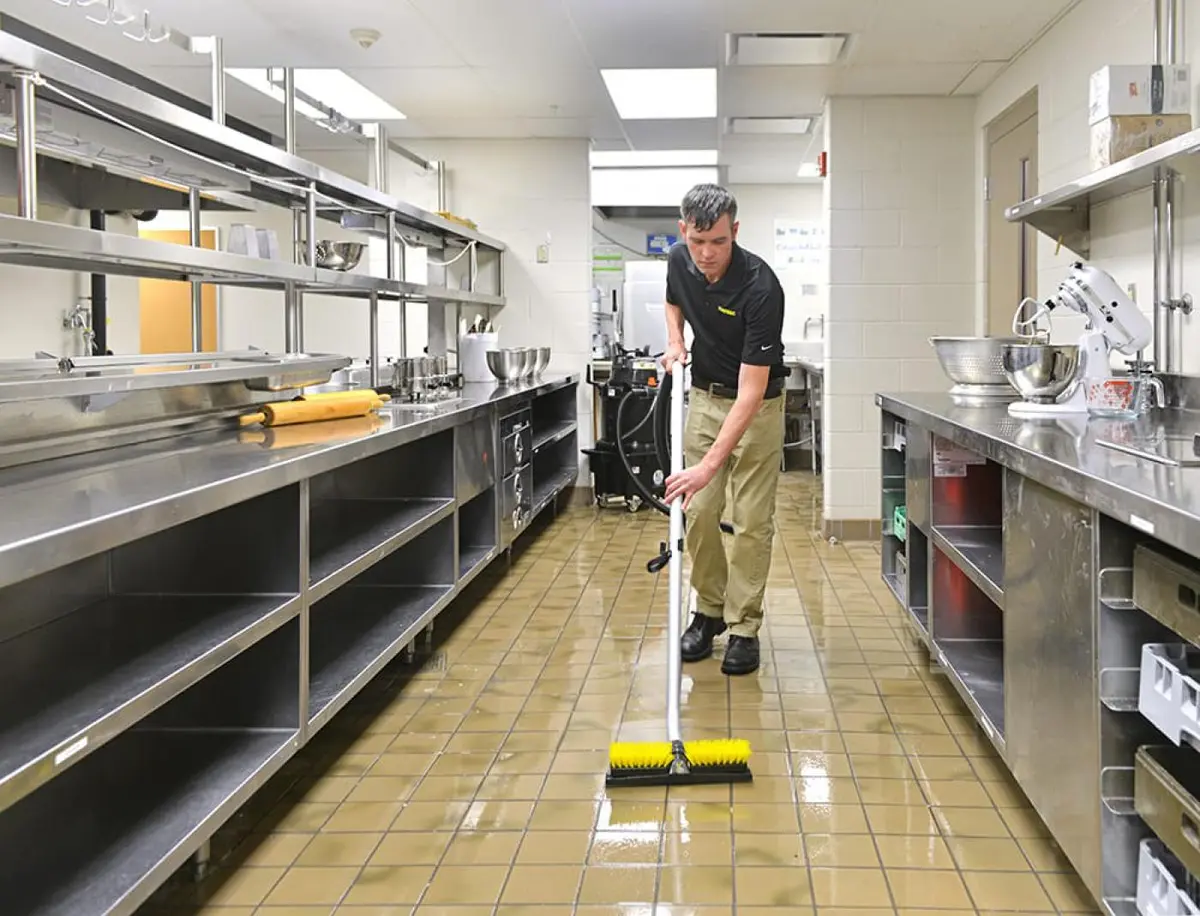
Image Source: cdn.sanity.io
The Importance of a Cleaning Schedule
Establishing a consistent commercial kitchen cleaning frequency is paramount. Without a schedule, tasks can be overlooked, leading to build-up and potential health hazards. A well-defined schedule ensures that cleaning is integrated into the daily workflow, making it manageable and effective.
Daily Cleaning Tasks
These are the essential tasks that must be performed at the end of every service period to maintain basic hygiene.
- Surfaces: All food preparation surfaces, countertops, and cutting boards should be thoroughly cleaned and sanitized. This includes wiping down with a sanitizer solution and allowing it to air dry.
- Equipment: Cooking equipment like grills, stovetops, and fryers should be wiped down. Any spills or food debris must be removed immediately.
- Floors: Sweep and mop all kitchen floors. Pay special attention to areas around cooking stations and prep tables where spills are common.
- Sinks and Drains: Wash and sanitize all sinks. Ensure drains are clear of debris.
- Trash and Recycling: Empty all trash cans and recycling bins. Wipe down the bins themselves if necessary.
- Dishwashing: Ensure all dishes, utensils, and cookware are washed, rinsed, and sanitized according to health code standards.
Weekly Cleaning Tasks
These tasks go a bit deeper and address areas that don’t require daily attention but are still crucial for overall cleanliness.
- Ovens and Ranges: Perform a more thorough cleaning of ovens and ranges, removing any baked-on grease or food residue.
- Deep Cleaning Equipment: This includes tasks like cleaning refrigerator coils and emptying and cleaning the drip trays of coffee machines.
- Walls and Backsplashes: Wipe down walls and backsplashes, especially in areas prone to grease splatter.
- Shelving: Clean and sanitize all shelves in dry storage areas, walk-in refrigerators, and freezers.
- Floor Mats: If you use floor mats, they should be removed, cleaned, and sanitized.
- Exhaust Hood Filters: While not always weekly, regular cleaning of exhaust hood filters is vital.
Monthly and Quarterly Cleaning Tasks
These are the more intensive tasks that require more time and effort. This is where deep cleaning commercial kitchen truly comes into play.
- Walk-in Refrigerators and Freezers: A thorough clean-out of these units, including shelves, walls, and floors.
- Commercial Kitchen Equipment Cleaning: This involves more detailed cleaning of specific appliances, such as degreasing fryers or descaling coffee machines.
- Ventilation System: Professional cleaning of your commercial kitchen ventilation cleaning system, including hoods, ducts, and fans, is critical for fire safety and air quality.
- Grease Traps: Regular commercial kitchen grease trap cleaning is essential to prevent blockages and unpleasant odors. This is often a job for specialized professionals.
- Pest Control Areas: Inspect and clean areas where pests might enter or hide, such as around pipe penetrations and behind equipment.
- Storage Areas: Deep clean pantries and storage rooms, checking for expired items and sanitizing surfaces.
Your Commercial Kitchen Cleaning Checklist
A commercial kitchen cleaning checklist is your best friend in maintaining a pristine and hygienic environment. Here’s a comprehensive breakdown, adaptable to your specific kitchen’s needs.
Daily Checklist
- [ ] Sanitize all food contact surfaces.
- [ ] Clean and sanitize cutting boards.
- [ ] Wipe down all cooking equipment (stovetops, grills, fryers).
- [ ] Sweep and mop all floors.
- [ ] Empty and clean trash and recycling bins.
- [ ] Wash and sanitize all dishes, utensils, and cookware.
- [ ] Clean and sanitize sink basins.
- [ ] Wipe down exterior of refrigerators and freezers.
Weekly Checklist
- [ ] Thoroughly clean ovens and ranges.
- [ ] Clean refrigerator and freezer shelves and walls.
- [ ] Sanitize walk-in refrigerator/freezer floors.
- [ ] Wipe down walls and backsplashes.
- [ ] Clean floor mats.
- [ ] Clean exhaust hood filters (frequency may vary based on use).
- [ ] Descale coffee makers and other beverage equipment.
- [ ] Clean and sanitize ice machines.
- [ ] Wipe down serving areas.
Monthly Checklist
- [ ] Deep clean all cooking equipment, including ovens and grills.
- [ ] Clean and sanitize inside of refrigerators and freezers.
- [ ] Check and clean behind and under equipment.
- [ ] Clean drains more thoroughly.
- [ ] Polish stainless steel surfaces.
- [ ] Inspect and clean storage shelves.
Quarterly/Bi-Annual Checklist
- [ ] Professional commercial kitchen ventilation cleaning.
- [ ] Commercial kitchen grease trap cleaning (frequency based on local regulations and usage).
- [ ] Deep clean walk-in refrigerators and freezers, including coils.
- [ ] Clean behind and under all heavy equipment.
- [ ] Inspect and clean pest control measures.
- [ ] Wash and sanitize walls and ceilings.
- [ ] Clean ceiling vents and light fixtures.
Tackling Key Areas: A Deeper Dive
Effective commercial kitchen sanitation requires specific attention to different areas and equipment.
Commercial Kitchen Equipment Cleaning
Each piece of equipment has its own cleaning requirements to ensure optimal performance and hygiene.
Grills and Griddles
- Daily: Scrape off excess food debris with a stiff brush or scraper while the surface is still warm (but not hot). Apply a grill cleaner, scrub, and wipe clean. Season the surface with oil.
- Weekly/As Needed: For deeper cleaning, use a degreaser and a scouring pad. For heavily soiled areas, consider using a grill brick.
Fryers
- Daily: Filter oil to remove food particles. Wipe down the exterior.
- Weekly (or as needed, depending on usage): Drain and discard used oil. Clean the inside of the fryer tank with a fryer cleaner and hot water. Rinse thoroughly and dry.
Ovens
- Daily: Wipe down interior surfaces and racks, removing any visible spills or food particles.
- Weekly/Monthly: For a deeper clean, use an oven cleaner, following the manufacturer’s instructions. Remove racks and scrub them separately.
Refrigerators and Freezers
- Daily: Wipe down door handles and exteriors.
- Weekly: Remove all food items, sort through them, and discard anything expired. Wipe down shelves and drawers with a sanitizing solution.
- Monthly/Quarterly: Clean refrigerator coils for better efficiency. Defrost and clean freezer compartments if they are not frost-free.
Dishwashers
- Daily: Scrape any food debris from the dishwasher racks. Wipe down the interior of the door.
- Weekly: Clean the filter and wash arms. Run a cleaning cycle with a dishwasher cleaner to remove mineral build-up and sanitize the interior.
Commercial Kitchen Floor Cleaning
Floors are a breeding ground for bacteria if not cleaned properly. Commercial kitchen floor cleaning requires attention to detail.
- Daily: Sweep thoroughly to remove all debris. Mop with a hot water and a suitable detergent. Ensure the cleaning solution is approved for your floor type (e.g., tile, concrete, linoleum).
- Weekly: Use a floor scrubber or a stiff-bristled brush for more intensive cleaning, paying attention to grout lines and corners. Rinse the floor thoroughly to remove all detergent residue.
- Degreasing: For heavily soiled areas or kitchens with a lot of grease build-up, use a specialized degreasing cleaner.
Commercial Kitchen Grease Trap Cleaning
Commercial kitchen grease trap cleaning is a regulatory requirement in most areas and is critical for preventing plumbing issues and environmental pollution.
- Purpose: Grease traps are designed to intercept fats, oils, and grease (FOG) from wastewater, preventing them from entering the sewer system.
- Frequency: The frequency of cleaning depends on local regulations, the volume of food processed, and the size of the grease trap. It can range from monthly to quarterly or even more often.
- Process: Cleaning typically involves pumping out the accumulated FOG and solids. The interior of the trap is then scrubbed and flushed.
- Professional Services: Due to the specialized nature of this task and the potential for health and safety risks, it’s highly recommended to use professional kitchen cleaning services that specialize in grease trap maintenance.
Commercial Kitchen Ventilation Cleaning
A clean ventilation system is vital for fire prevention and air quality. Commercial kitchen ventilation cleaning should be a priority.
- What it Includes: This process involves cleaning exhaust hoods, filters, ductwork, and fans to remove accumulated grease and debris.
- Fire Hazard: Accumulated grease in ventilation systems is a significant fire hazard. Regular cleaning significantly reduces this risk.
- Air Quality: It also improves the air quality within the kitchen and the surrounding building.
- Professional Services: Due to the height, confined spaces, and potential fire risks involved, this is a job best left to professional kitchen cleaning services with specialized equipment and training. They can ensure the system is cleaned to industry standards (e.g., NFPA 96 standards).
Maintaining Food Safety in Commercial Kitchens
Food safety in commercial kitchens is not just about cleaning; it’s a holistic approach.
- Sanitation vs. Cleaning: Cleaning removes visible dirt and grime. Sanitation kills harmful bacteria and pathogens. Both are essential. Use approved sanitizers and follow contact time instructions.
- Temperature Control: Proper storage temperatures for hot and cold foods are critical. Regularly check and record temperatures.
- Cross-Contamination Prevention: Use separate cutting boards and utensils for raw meats, poultry, seafood, and produce. Wash hands frequently, especially after handling raw ingredients.
- Employee Training: Ensure all staff are trained on proper cleaning procedures, sanitation practices, and food safety protocols. Regular refresher courses are beneficial.
- Pest Management: Implement a comprehensive pest management program, including regular inspections and professional treatments. Keeping the kitchen clean is a primary defense against pests.
Deep Cleaning Commercial Kitchen: The Comprehensive Approach
A deep cleaning commercial kitchen goes beyond the daily and weekly tasks. It’s a thorough overhaul of the entire kitchen environment.
When to Deep Clean
- Scheduled Intervals: Annually or semi-annually.
- Post-Pest Infestation: After addressing any pest issues.
- Before Health Inspections: As a proactive measure.
- After Major Renovations: To clean up construction dust and debris.
What a Deep Clean Entails
- Equipment Breakdown: Many appliances may need to be partially or fully disassembled for thorough cleaning. This includes ovens, fryers, mixers, and even refrigeration units.
- Ventilation System Overhaul: Professional cleaning of hoods, ducts, and fans.
- Wall and Ceiling Washing: Thoroughly washing walls, ceilings, and light fixtures.
- Floor Treatment: Deep scrubbing of floors, including grout, and potentially sealing concrete floors.
- Storage Area Sanitation: Emptying, cleaning, and sanitizing all storage areas, including dry storage, walk-ins, and freezers.
- Ventilation Hood Cleaning: Interior and exterior cleaning of exhaust hoods.
- Fryer Boil-Out: A specific procedure to clean the interior of fryers, often involving special solutions and heat.
- Behind and Under Equipment: Moving heavy equipment to clean the often-neglected spaces behind and underneath them.
Hiring Professional Kitchen Cleaning Services
While a strong internal cleaning program is essential, there are times when professional help is invaluable. Professional kitchen cleaning services offer expertise, specialized equipment, and trained personnel for tasks that are difficult or impossible for in-house staff to perform effectively.
When to Consider Professional Services
- Ventilation Cleaning: As mentioned, this is often a regulatory requirement and requires specialized skills.
- Grease Trap Cleaning: Professionals have the right equipment to safely and effectively clean grease traps.
- Deep Cleaning: For a comprehensive, top-to-bottom clean, professionals can save you time and ensure a higher standard of hygiene.
- Equipment-Specific Cleaning: Some specialized equipment may require professional cleaning and maintenance.
- Sanitation Audits: Professional services can also offer sanitation audits to ensure your kitchen meets all health code requirements.
Benefits of Professional Services
- Expertise: They know the regulations and best practices for commercial kitchen sanitation.
- Efficiency: They can complete complex cleaning tasks quickly and thoroughly.
- Specialized Equipment: Access to tools and chemicals that aren’t typically available to in-house cleaning staff.
- Compliance: Help ensure you meet all health and safety regulations.
- Reduced Downtime: Professionals can often work outside of operational hours to minimize disruption.
Tools and Supplies for Commercial Kitchen Cleaning
Having the right tools and supplies makes all the difference in achieving a truly clean kitchen.
Essential Cleaning Supplies
- Degreasers: For tackling grease and oil build-up.
- Sanitizers: Approved food-grade sanitizers are crucial for killing bacteria.
- All-Purpose Cleaners: For general surface cleaning.
- Dish Soap: High-quality dish soap for manual dishwashing.
- Floor Cleaners/Degreasers: Appropriate for your floor type.
- Oven Cleaners: Powerful cleaners for baked-on grease.
- Stainless Steel Polish: To keep equipment looking its best.
- Glass Cleaner: For windows and glass surfaces.
Essential Cleaning Tools
- Scrub Brushes: Various sizes and stiffness for different tasks.
- Scrapers: For removing stubborn food residue.
- Mops and Buckets: With wringing mechanisms.
- Floor Squeegees: For efficient drying of floors.
- Microfiber Cloths: Highly absorbent and effective for cleaning and polishing.
- Sponges: For general cleaning.
- Gloves: Disposable or reusable, for hygiene and protection.
- Aprons: To protect clothing.
- Commercial Vacuum Cleaner: For dry debris and occasional carpeted areas.
- Pressure Washer: For heavy-duty floor cleaning and exterior areas (use with caution).
- Grease Brushes: Specifically designed for cleaning grills and fryers.
- Color-Coded Cleaning Supplies: To prevent cross-contamination (e.g., red for restrooms, blue for general kitchen areas).
Frequently Asked Questions (FAQ)
Q1: How often should I clean my commercial kitchen equipment?
A1: Commercial kitchen equipment cleaning should be performed daily for high-contact surfaces and visible debris. Deeper cleaning of specific components should occur weekly or as per the manufacturer’s recommendations. Regular maintenance and cleaning schedules are key.
Q2: What is the most critical aspect of commercial kitchen sanitation?
A2: Preventing cross-contamination and ensuring proper sanitization of all food contact surfaces are the most critical aspects of commercial kitchen sanitation. This directly impacts food safety in commercial kitchens.
Q3: What are the benefits of using a commercial kitchen cleaning checklist?
A3: A commercial kitchen cleaning checklist ensures that all necessary cleaning tasks are performed consistently, helps in training new staff, provides accountability, and maintains a high standard of hygiene. It makes the complex task of cleaning more manageable.
Q4: When should I consider hiring professional kitchen cleaning services?
A4: You should consider professional kitchen cleaning services for tasks like commercial kitchen ventilation cleaning, commercial kitchen grease trap cleaning, and comprehensive deep cleaning commercial kitchen sessions. These often require specialized skills and equipment.
Q5: How often should commercial kitchen floors be cleaned?
A5: Commercial kitchen floor cleaning should be done daily with sweeping and mopping. A more thorough scrub or degreasing should be done weekly, depending on the kitchen’s usage and the type of flooring.
Q6: What is the ideal commercial kitchen cleaning frequency for overall hygiene?
A6: A combination of daily, weekly, monthly, and quarterly tasks forms the ideal commercial kitchen cleaning frequency. Daily tasks maintain immediate hygiene, while less frequent tasks address build-up and prevent deeper issues.
By implementing this comprehensive guide, you can ensure your commercial kitchen is a shining example of cleanliness and safety, contributing to your business’s success and reputation.