
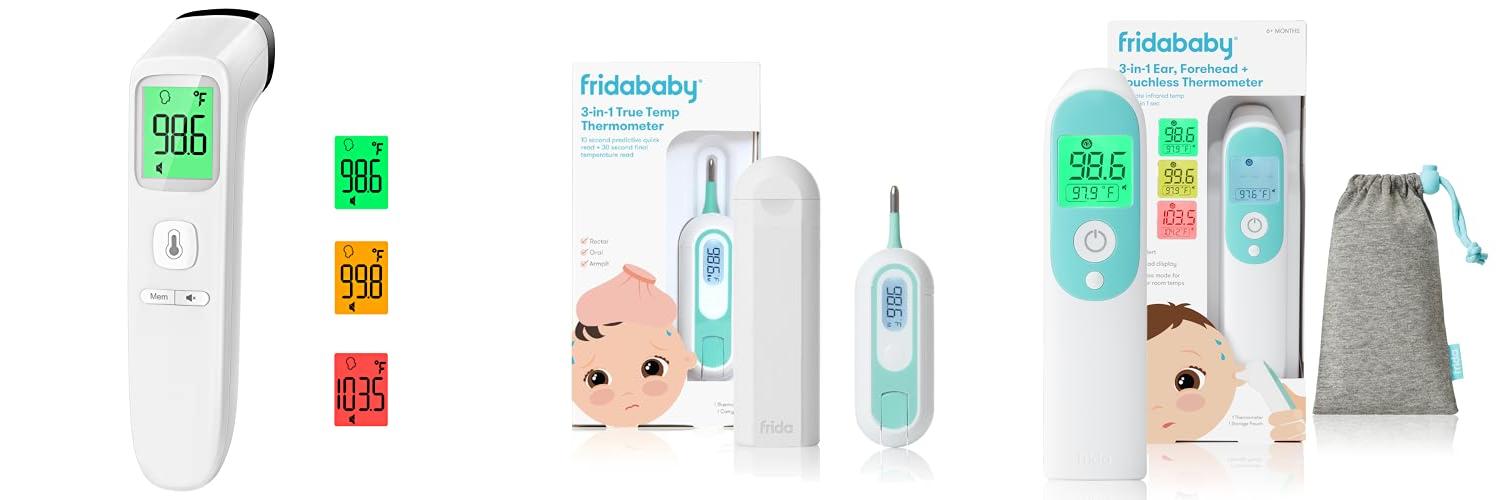
When your little one feels warm, every parent’s heart skips a beat. You want to know if they have a fever quickly and accurately. But stepping into the world of infant thermometers can feel overwhelming. So many types exist! Should you go for the forehead scanner, the ear thermometer, or the classic underarm one? Each promises fast results, but which one truly delivers for your baby’s delicate needs?
Choosing the best infant thermometer is more than just a purchase; it’s about peace of mind. You worry about getting a reading that’s not quite right, or a device that’s uncomfortable for your baby. This blog post is here to guide you through the confusion. We’ll break down the different types of thermometers, explain how they work, and highlight what makes a thermometer ideal for infants.
By the end of this post, you’ll feel confident in your choice. We’ll equip you with the knowledge to pick a thermometer that’s accurate, easy to use, and gentle on your little one. Let’s dive in and find the perfect tool to help you care for your precious baby.
Our Top 5 Infant Thermometer Recommendations at a Glance
| Image | Product | Rating | Links |
|---|---|---|---|
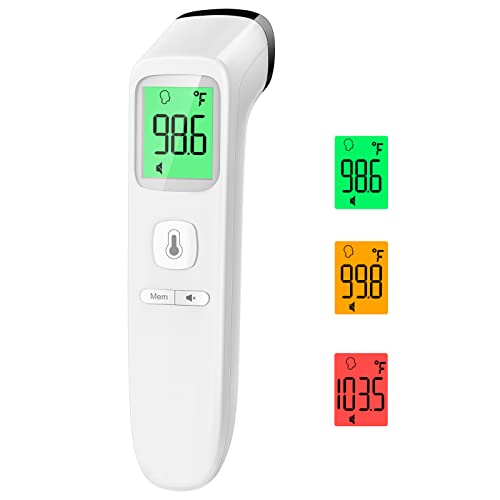 |
No-Touch Thermometer for Adults and Kids | 9.0/10 | Check Price |
 |
Frida Baby 3-in-1 Rectal | 9.1/10 | Check Price |
 |
Frida Baby Thermometer | 9.4/10 | Check Price |
 |
Safety 1st 3-in-1 Nursery Thermometer | 9.0/10 | Check Price |
 |
Frida Baby Rectal Thermometer for Baby Digital Fever Thermometer for Babies | 9.3/10 | Check Price |
Top 5 Infant Thermometer Detailed Reviews
1. No-Touch Thermometer for Adults and Kids
Rating: 9.0/10
Taking your family’s temperature just got easier and more accurate with the Goodbaby No-Touch Thermometer. This digital baby thermometer is designed for both adults and kids, offering a quick and reliable way to check for fever. Its user-friendly design and advanced technology make it a must-have for any household.
What We Like:
- Super accurate readings, tested in clinics.
- Very fast and simple to use – just point and press.
- Works on adults, babies, and even checks room temperature.
- Comes with batteries and a helpful user manual.
- Great customer service and a 12-month replacement promise.
- Silent mode is perfect for sleeping babies.
- Ergonomic design feels good in your hand.
What Could Be Improved:
- Needs to be held at a specific distance for best results.
- Skin should be clean and dry, and you need to wait between readings.
- Works best in a certain temperature range.
This thermometer is a trustworthy tool for keeping your family healthy. You can rely on its accuracy and ease of use during those important moments.
2. Frida Baby 3-in-1 Rectal
Rating: 8.8/10
When your little one isn’t feeling their best, you need a thermometer you can trust. The Frida Baby 3-in-1 Rectal, Underarm & Oral Thermometer is designed to give you fast and accurate temperature readings for infants, toddlers, and kids. This handy device can be used in three different ways, making it a versatile tool for any parent.
What We Like:
- It gives a temperature reading in just 10 seconds, which is super fast.
- You can use it rectally for babies, or orally and under the arm for older kids. It works for all ages!
- The built-in stopper for rectal use prevents it from going in too far, which is a great safety feature.
- Checking your child’s temperature at night is easy with the backlit screen and LED light.
- This thermometer is eligible for FSA and HSA reimbursement, which can save you money.
What Could Be Improved:
- Some users might find the rectal insertion method a bit less convenient than other options.
- While it’s versatile, learning the best way to use it for each method might take a moment.
This 3-in-1 thermometer is a smart and practical choice for any household with children. It offers speed, accuracy, and safety all in one device.
3. Frida Baby Thermometer
Rating: 9.0/10
Keeping track of your little one’s health just got a whole lot easier with the Frida Baby 3-in-1 Infrared Thermometer. This handy device is designed to give you quick and accurate temperature readings for your baby, toddler, or even yourself. It’s a must-have for any parent’s medicine cabinet.
What We Like:
- It gives you super fast results, in just one second!
- You can check temperatures in the ear or on the forehead.
- It also works without touching, perfect for checking a room or a baby bottle.
- The screen changes color to show if there’s a fever, and you can even turn on a sound alert.
- It remembers the last 40 temperatures, so you can see if things are changing.
- It’s small and comes with a pouch, so you can take it anywhere.
- You can use your FSA or HSA money to buy it.
What Could Be Improved:
- Sometimes, getting a consistent ear reading might take a couple of tries if the ear canal isn’t perfectly positioned.
- While the touchless mode is convenient for objects, it’s not meant for taking a person’s temperature.
This thermometer offers a simple and effective way to monitor fevers. It’s a reliable tool for busy parents.
4. Safety 1st 3-in-1 Nursery Thermometer
Rating: 9.2/10
Keeping your little one comfortable and healthy is a top priority for any parent. The Safety 1st 3-in-1 Nursery Thermometer, Analog is designed to give you quick and reliable temperature readings, helping you monitor your baby’s well-being with ease. This thermometer offers a simple, straightforward way to check for fever.
What We Like:
- It gives you an accurate reading in just 30 seconds. You can see the temperature in either Fahrenheit or Celsius.
- It has three ways to take a temperature: in the mouth (oral), in the bottom (rectal), or under the arm (underarm). This makes it versatile for different situations and ages.
- The thermometer beeps when it’s done taking the temperature. This lets you know exactly when to check the reading without having to guess.
- It has a flexible tip. This makes it much more comfortable for your baby when you are taking their temperature.
What Could Be Improved:
- Since it’s an analog thermometer, you need to read the temperature from a liquid column. This can sometimes be a little tricky to read accurately compared to a digital display.
- It requires manual resetting after each use. This is a minor step but something to remember.
For parents seeking a dependable and easy-to-use thermometer, the Safety 1st 3-in-1 Nursery Thermometer is a solid option. Its quick readings and comfortable design make it a helpful tool for any nursery.
5. Frida Baby Rectal Thermometer for Baby Digital Fever Thermometer for Babies
Rating: 9.5/10
When your little one isn’t feeling their best, you need a reliable way to check their temperature quickly and accurately. The Frida Baby Rectal Thermometer is designed specifically for babies, from newborns to infants, offering peace of mind when you need it most.
What We Like:
- Fever or Fine in a Flash: Get a temperature reading in just 10 seconds. The thermometer remembers up to 10 past readings, so you can easily track your baby’s temperature over time. The backlit display is a lifesaver for checking temperatures in the dark without disturbing your sleeping baby.
- Rectal Stopper for Safety: This thermometer has a special flexible tip that prevents it from being inserted too far into your baby’s rectum, ensuring a safe and comfortable experience.
- Tush Temp Recommended: The American Academy of Pediatrics (AAP) suggests rectal temperature checks are the most accurate for babies, especially in the first year of life and even up to age three. This thermometer makes that recommendation easy to follow.
- Easy to Clean and Safe: It’s water-resistant, making cleaning a breeze. Plus, it’s BPA-free and latex-free, so you know it’s safe for your baby.
- Comes with a Case and is FSA/HSA Eligible: The thermometer includes a protective case for storage and travel. It’s also eligible for reimbursement through your Flexible Spending Account (FSA) or Health Savings Account (HSA).
What Could Be Improved:
- Some parents might find the idea of a rectal thermometer a bit daunting, though the safety features are excellent.
- While the 10-second read is fast, it’s still a few seconds your baby might not enjoy.
This Frida Baby Rectal Thermometer is a smart investment for any parent. It provides accurate readings safely and efficiently, giving you one less thing to worry about when your baby is sick.
Choosing the Best Infant Thermometer: A Parent’s Guide
Keeping your little one healthy is a top priority. When your baby feels a little warm, knowing their exact temperature is crucial. An infant thermometer helps you do just that. This guide will help you pick the right one.
Why You Need an Infant Thermometer
Babies can’t tell you when they’re not feeling well. A fever in an infant can be serious. A good thermometer gives you quick and accurate readings. This helps you decide if you need to call the doctor or just offer some extra cuddles.
Key Features to Look For
When you shop for an infant thermometer, keep these important features in mind.
Accuracy is King
The most important thing is how accurate the thermometer is. You need a reading you can trust. Look for thermometers that medical professionals use. Some models use infrared technology, which is very fast and accurate.
Speed Matters
Babies don’t like to sit still for long. A thermometer that gives a reading in just a few seconds is a lifesaver. This makes taking their temperature much easier.
Ease of Use
You want a thermometer that’s simple to operate. A clear display and easy-to-press buttons are a big help. Some thermometers have a soft tip, which is gentle for your baby’s delicate skin.
Hygiene and Cleaning
Keeping things clean is vital with babies. Look for thermometers that are easy to wipe down and disinfect. Some come with disposable covers, which adds an extra layer of cleanliness.
Additional Features
Some thermometers have extra handy features. These can include memory recall to track temperatures over time. Others might have a fever indicator light that changes color if a fever is detected. A quiet mode is also a plus, so you don’t wake a sleeping baby.
Important Materials
Most infant thermometers are made from safe plastics. Look for BPA-free materials. The sensor tip is usually made of metal or a safe plastic. Some have silicone or rubber grips for a better hold.
Factors That Affect Quality
The brand and how the thermometer is made affect its quality. Well-known brands often invest more in accuracy and durability. A thermometer that feels sturdy and well-built is usually a sign of good quality. Cheaply made thermometers might break easily or give inaccurate readings.
User Experience and Use Cases
Using an infant thermometer should be a stress-free experience.
When to Use It
You’ll use your infant thermometer whenever you suspect your baby has a fever. This could be when they feel unusually hot to the touch, are more fussy than usual, or seem unwell. It’s also good to have on hand for routine check-ups or when traveling.
Different Types and How They Work
- Forehead (Temporal Artery) Thermometers: These are very popular because they are non-invasive. You just swipe the sensor across your baby’s forehead. They are fast and usually quite accurate.
- Ear (Tympanic) Thermometers: These measure the temperature inside the ear canal. They are also very quick. However, you need to make sure the ear canal is clear for an accurate reading.
- Pacifier Thermometers: These are designed for babies who use pacifiers. The baby sucks on the pacifier, and it measures their temperature. This is a good option for very young infants.
- Rectal Thermometers: These are considered the most accurate for infants. However, many parents find them difficult and uncomfortable to use.
Making It Easy
Practice using the thermometer when your baby is healthy. This way, you’ll be familiar with it when you need it most. Read the instructions carefully. A calm approach will help your baby stay calm too.
Frequently Asked Questions (FAQ) for Infant Thermometers
Q: What is the most accurate type of infant thermometer?
A: Rectal thermometers are generally considered the most accurate for infants. However, forehead and ear thermometers are also very accurate when used correctly and can be more convenient.
Q: How often should I clean my infant thermometer?
A: You should clean your thermometer after every use, especially if it comes into contact with bodily fluids. Follow the manufacturer’s instructions for cleaning.
Q: Can I use a regular adult thermometer for my baby?
A: It’s best to use a thermometer specifically designed for infants. Adult thermometers may not be as accurate for babies or as safe and easy to use on them.
Q: How do I know if my baby has a fever?
A: A fever in infants is generally considered a temperature of 100.4°F (38°C) or higher. Always consult your pediatrician if you are concerned about your baby’s temperature.
Q: What is a normal temperature for a baby?
A: A baby’s normal temperature can range from 97°F to 100.3°F (36.1°C to 37.9°C). It can vary slightly depending on the time of day and activity level.
Q: How do I take my baby’s temperature with a forehead thermometer?
A: Gently place the sensor on your baby’s forehead, usually in the middle or on the temple. Press the button and hold it there until the thermometer beeps or indicates the reading is complete. Make sure there is no sweat or hair blocking the sensor.
Q: Do I need to buy disposable covers for my thermometer?
A: Disposable covers are recommended for ear thermometers to ensure hygiene. Some forehead thermometers do not require covers. Check the product details.
Q: My thermometer says my baby has a fever, what should I do?
A: Always contact your pediatrician if your baby has a fever, especially if they are very young or have other concerning symptoms. They will advise you on the next steps.
Q: How long does it take for an infant thermometer to give a reading?
A: Most modern infant thermometers provide readings within 1 to 3 seconds. This is very helpful for squirmy babies.
Q: Can I use a thermometer that has been dropped?
A: If a thermometer has been dropped, it’s best to check its accuracy or consider replacing it. Dropping can affect its internal components and lead to inaccurate readings.
In conclusion, every product has unique features and benefits. We hope this review helps you decide if it meets your needs. An informed choice ensures the best experience.
If you have any questions or feedback, please share them in the comments. Your input helps everyone. Thank you for reading.