
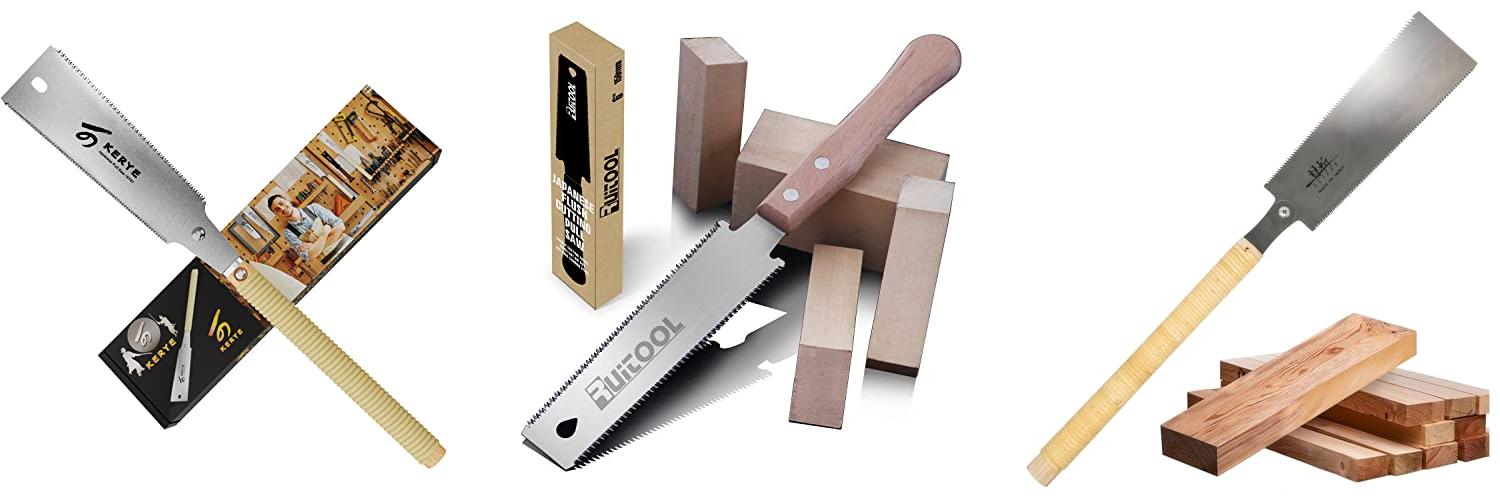
Imagine a carpenter in Japan, their hands moving with the grace of a dancer, creating intricate joinery with a tool that seems to sing as it cuts. Have you ever wondered what makes Japanese hand saws so special? They aren’t just any saws; they are precision instruments that have been perfected over centuries.
Choosing the right Japanese hand saw can feel overwhelming. There are so many types, each designed for a specific job. You might be confused about which one will work best for your woodworking projects. You want a saw that cuts cleanly and smoothly, but you’re not sure where to start.
This post will guide you through the fascinating world of Japanese hand saws. You’ll learn about their unique designs and understand what makes them a top choice for woodworkers. By the end, you’ll feel confident picking the perfect saw for your needs.
Let’s dive in and discover the art and science behind these incredible tools!
Our Top 5 Japanese Hand Saw Recommendations at a Glance
Top 5 Japanese Hand Saw Detailed Reviews
1. KERYE Japanese Pull Saw 9.5 Inch

Rating: 9.0/10
The KERYE Japanese Pull Saw 9.5 Inch, model KY01, is a versatile and sharp hand saw designed for woodworking enthusiasts. Its 9.5-inch blade offers a larger working area, making tasks easier and requiring less effort. This tool is built with durable materials like SK5 high carbon steel for the blade and beech and rattan for the ergonomic handle. It’s a great gift idea for anyone who enjoys working with wood.
What We Like:
- The 9.5-inch blade provides a bigger cutting area, which is very helpful.
- It uses physics to save you about half the force needed compared to a smaller saw.
- The blade is made from strong SK5 high carbon steel, so it’s hard and lasts a long time.
- The handle is made from beech and rattan, making it light and comfortable to hold.
- Three-sided grinding on the teeth makes the saw sharper and last longer.
- It’s a 2-in-1 saw with two different tooth counts (10 TPI for rough cuts and 17 TPI for fine cuts).
- The company offers a 24-month warranty and excellent customer support.
What Could Be Improved:
- While the replaceable blade is a good feature, the initial purchase price might be a consideration for some.
- Availability might be limited at times.
This KERYE pull saw is a well-made tool that offers great performance and comfort. Its dual-edge design and durable construction make it a solid choice for various woodworking projects.
2. RUITOOL Japanese Hand Saw 6 Inch Double Edge Sided Pull Saw Ryoba SK5 Flexible Blade 14/17 TPI Flush Cut Beech Handle Wood Saw for Woodworking Tools

Rating: 9.3/10
The RUITOOL Japanese Hand Saw 6 Inch Double Edge Sided Pull Saw Ryoba SK5 Flexible Blade is a versatile tool for any woodworker. Its compact size and dual-sided blade make it ideal for a variety of cutting tasks, from precise finish cuts to general woodworking. The durable SK5 steel blade and comfortable beech handle ensure a pleasant and efficient experience for carpenters and craftspeople alike.
What We Like:
- Optimal Blade Size: The 6-inch blade is perfect for detailed work and flush cuts.
- Durable and Flexible Blade: Made from SK5 high-carbon steel, the blade is strong and flexible, with teeth hardened to HRC60-63 for longevity.
- Double-Edged Versatility: One side features 17 TPI for hardwoods, and the other has 14 TPI for softwoods, offering both rip and cross-cut capabilities.
- Sharp and Efficient Teeth: The three-sided grinding design removes chips quickly for smoother, faster cuts.
- Great Gift Idea: This saw makes an excellent present for woodworkers, carpenters, and craft enthusiasts.
- Responsive Customer Service: RUITOOL offers efficient after-sales support, promising a response within 24 hours for any issues.
What Could Be Improved:
- Blade Flexibility: While flexible, extreme bending could potentially weaken the blade over time.
- TPI Specificity: While dual-sided, users might prefer a saw with interchangeable blades for more TPI options.
This RUITOOL Japanese Hand Saw is a well-crafted tool that delivers excellent performance for its size. It’s a solid choice for anyone looking for precision and versatility in their woodworking projects.
3. SUIZAN Ryoba Double Edge Saw 9.5″ Assembly ver – Professional Japanese Pullsaw Handsaw Woodworking Tools

Rating: 8.9/10
Get ready to experience woodworking like never before with the SUIZAN Ryoba Double Edge Saw 9.5″ Assembly ver. This isn’t your average saw. It’s a Japanese-style pull saw, which means it cuts on the pull stroke, not the push. This makes it easier to use and gives you super clean cuts. The saw is made from tough Japanese steel, so it stays sharp for a long time. Plus, it’s made in Japan by skilled craftspeople, so you know it’s good quality.
What We Like:
- It’s a “pull saw,” which is lighter and needs less effort than a “push saw.”
- It leaves a very clean cut.
- It’s made from high-quality Japanese steel for sharp cuts.
- It’s manufactured in Japan by master craftsmen, ensuring excellent quality.
- It offers a unique woodworking experience for both beginners and experts.
- It has two edges, one for rip cuts and one for cross cuts, making it very versatile.
What Could Be Improved:
- This is an assembly version, so you need to put it together yourself.
- The handles are wrapped by hand, so each one might look a little different.
- Small cracks can sometimes happen during making, but they are not defects.
This SUIZAN Ryoba saw is a fantastic tool for anyone looking to improve their woodworking skills. Its unique design and quality craftsmanship will help you create amazing projects.
4. SUIZAN Ryoba Double Edge Saw 6″ – Professional Japanese Pullsaw Small Handsaw Woodworking Tools

Rating: 8.9/10
The SUIZAN Ryoba Double Edge Saw 6″ is a fantastic tool for anyone who loves working with wood. This saw is made in Japan by skilled craftspeople, so you know it’s built to last. It’s a “pull saw,” which is different from the “push saws” many people are used to. Pull saws are lighter and need less effort to use. They also make cleaner cuts, which is great for making beautiful projects.
What We Like:
- It’s a Japanese-style pull saw, which is lighter and requires less power than push saws.
- It uses high-quality Japanese steel for super sharp cuts.
- It’s made in Japan by master craftsmen, ensuring excellent quality.
- The blade works well on both hard woods like oak and soft woods like pine.
- It’s designed for both rip cuts (cutting along the grain) and cross cuts (cutting across the grain).
- The blade is thin (0.016 inches) and the kerf width is narrow (0.02 inches), which means less sawdust and easier cutting.
What Could Be Improved:
- The 6-inch blade length might be too small for very large projects.
- Availability might be limited for some customers.
This SUIZAN Ryoba saw is a top-notch tool that will make your woodworking projects easier and more enjoyable. Its precision and quality make it a valuable addition to any toolbox.
5. 6 Inch Japanese Pull Saw,Hand Saw Woodworking Tools,Wood Handle

Rating: 8.9/10
The 6 Inch Japanese Pull Saw is a handy tool for any woodworker, big or small. Its sharp blade and comfortable wooden handle make it easy to use for all sorts of projects. This saw is designed to make your woodworking experience smoother and more enjoyable.
What We Like:
- The blade is made of strong SK5 high-carbon steel.
- It has a super hard and sharp edge that can cut through wood easily.
- The double-edged blade is flexible and tough.
- One side has 17 teeth per inch (TPI) for hard wood, and the other has 11 TPI for soft wood.
- It can do both rip cuts and cross cuts, leaving a clean edge.
- The saw is light, making it easy to handle for long periods.
- It makes accurate cuts with less effort.
- It’s great for small jobs and trimming details.
- The Japanese craft makes it durable, hard, and resistant to wear.
- Triple ground teeth cut sharper in both directions.
- You get a full refund if there’s a quality problem, with no need to return the saw.
What Could Be Improved:
- The 6-inch blade might be too short for very large projects.
- While great for small jobs, it might not replace a larger handsaw for extensive work.
This Japanese pull saw is a fantastic addition to your toolkit. It offers precision and ease for a variety of woodworking tasks.
Your Guide to Japanese Hand Saws: Precision for Every Cut
Japanese hand saws are amazing tools. They cut wood very cleanly. Many woodworkers love them. This guide helps you pick the right one.
1. Key Features to Look For
When you buy a Japanese hand saw, look for a few important things.
A. Tooth Type and Pitch
Japanese saws have teeth that cut on the pull stroke. This makes them easier to control. They have different tooth types. Some are for cross-cutting (cutting across the wood grain). Others are for rip-cutting (cutting along the wood grain). Cross-cut teeth look like little triangles. Rip-cut teeth are more like chisels.
The pitch is how far apart the teeth are. A finer pitch means more teeth. This gives a smoother cut. A coarser pitch means fewer teeth. This cuts faster but is rougher.
B. Blade Flexibility and Thickness
Good Japanese saws have thin, flexible blades. This lets you make very precise cuts. A thin blade also uses less energy to cut. Some blades are thicker for rougher work. But for fine woodworking, thin is better.
C. Handle Design and Comfort
The handle is important. Most Japanese saws have a traditional wooden handle. It should feel good in your hand. Some handles are wrapped. This gives a better grip. A comfortable handle helps you work longer without getting tired.
2. Important Materials
The materials used in a Japanese hand saw make a big difference in its quality and how long it lasts.
A. Blade Steel
The steel in the blade is key. High-carbon steel is common. It holds a sharp edge well. Some saws use more advanced steels. These steels can be harder and resist wear better. Look for saws made from good quality steel.
B. Handle Wood
The handle is usually made of wood. Popular choices include Japanese oak or magnolia. These woods are strong and comfortable. They don’t absorb too much moisture. A well-made wooden handle feels natural in your hand.
3. Factors That Improve or Reduce Quality
Several things make a Japanese hand saw great or not so great.
A. Blade Hardening
How the steel is hardened affects its durability. Properly hardened steel stays sharp for a long time. It also resists chipping. Poor hardening means the blade dulls quickly. It might even break.
B. Tooth Sharpening
The sharpness of the teeth is crucial. Japanese saws are known for their extreme sharpness. This sharpness comes from how the teeth are ground. Very sharp teeth cut wood with less effort. They leave a cleaner surface.
C. Blade Straightness
A straight blade is essential for accurate cuts. If the blade is bent or warped, your cuts will be off. Good saws have perfectly straight blades. This is a sign of quality manufacturing.
4. User Experience and Use Cases
Japanese hand saws offer a unique and enjoyable woodworking experience.
A. Ease of Use
Because they cut on the pull stroke, Japanese saws are very easy to control. You don’t push the saw; you pull it. This gives you more control over the cut. It also means you use less force.
B. Precision Cutting
These saws excel at making precise cuts. They are perfect for joinery, like making dovetails or tenons. The thin blades and sharp teeth allow for very fine work. You can get clean cuts without damaging the wood.
C. Different Types for Different Jobs
There are many types of Japanese saws. A Ryoba saw has teeth on both sides of the blade. One side is for cross-cutting, and the other is for rip-cutting. A Dozuki saw has a stiffening beam along the top of the blade. This makes it very rigid. It’s ideal for fine joinery.
A Kataba saw has a single edge. It’s good for general purpose cutting. Choosing the right type of saw makes your woodworking easier and more effective.
Frequently Asked Questions About Japanese Hand Saws
Q: What makes Japanese hand saws different from Western saws?
A: Japanese saws cut on the pull stroke. Western saws cut on the push stroke. The pull stroke allows for thinner blades and more control.
Q: Are Japanese hand saws harder to use?
A: No, many people find them easier to use because of the pull stroke. It requires less force.
Q: What is a Ryoba saw?
A: A Ryoba saw has teeth on both sides of the blade. One side cuts across the wood grain, and the other cuts along the wood grain.
Q: What is a Dozuki saw used for?
A: A Dozuki saw is used for very precise joinery. It has a stiffening beam for extra rigidity.
Q: How do I maintain a Japanese hand saw?
A: Keep the blade clean and dry. Sharpen the teeth when they become dull. Store it in a dry place to prevent rust.
Q: Can I use a Japanese hand saw for rough cutting?
A: Some Japanese saws have coarser teeth suitable for rougher work. However, they are generally known for their precision.
Q: How often should I sharpen my Japanese hand saw?
A: This depends on how often you use it and the type of wood you cut. You will notice it dulls when it starts requiring more effort to cut.
Q: What kind of wood can I cut with a Japanese hand saw?
A: You can cut most types of wood, from softwoods like pine to hardwoods like oak.
Q: Is it worth spending more on a high-quality Japanese hand saw?
A: Yes, a good quality saw will last longer, stay sharp longer, and make your woodworking much more enjoyable and precise.
Q: Where can I buy Japanese hand saws?
A: You can find them at woodworking specialty stores, online retailers, and some hardware stores.
In conclusion, every product has unique features and benefits. We hope this review helps you decide if it meets your needs. An informed choice ensures the best experience.
If you have any questions or feedback, please share them in the comments. Your input helps everyone. Thank you for reading.