
Imagine a tiny seed, bursting with potential, ready to grow into a vibrant, flowering plant. But what if that little seed could unlock even *more* of its magic? That’s where the right food, or nutrients, come in. For autoflowering plants grown in soil, getting this food just right is super important, but it can also feel like a puzzle.
Many growers get confused when they see all the different nutrient bottles and bags. They wonder, “What does my plant really need? Will this make it grow big and strong, or will it hurt it?” Picking the wrong nutrients can lead to sad, slow-growing plants, or even plants that don’t produce much. It’s a common problem that stops gardeners from seeing their autoflowers reach their full, beautiful bloom.
But don’t worry! By the end of this post, you’ll have a clear understanding of exactly what nutrients your soil-grown autoflowers crave at every stage. We’ll break down the basics so you can confidently choose the best food to help your plants thrive, giving you bigger yields and healthier, happier greenery.
Let’s dive in and discover how to feed your autoflowers like a pro!
Our Top 5 Nutrients For Autoflower In Soil Recommendations at a Glance
Top 5 Nutrients For Autoflower In Soil Detailed Reviews
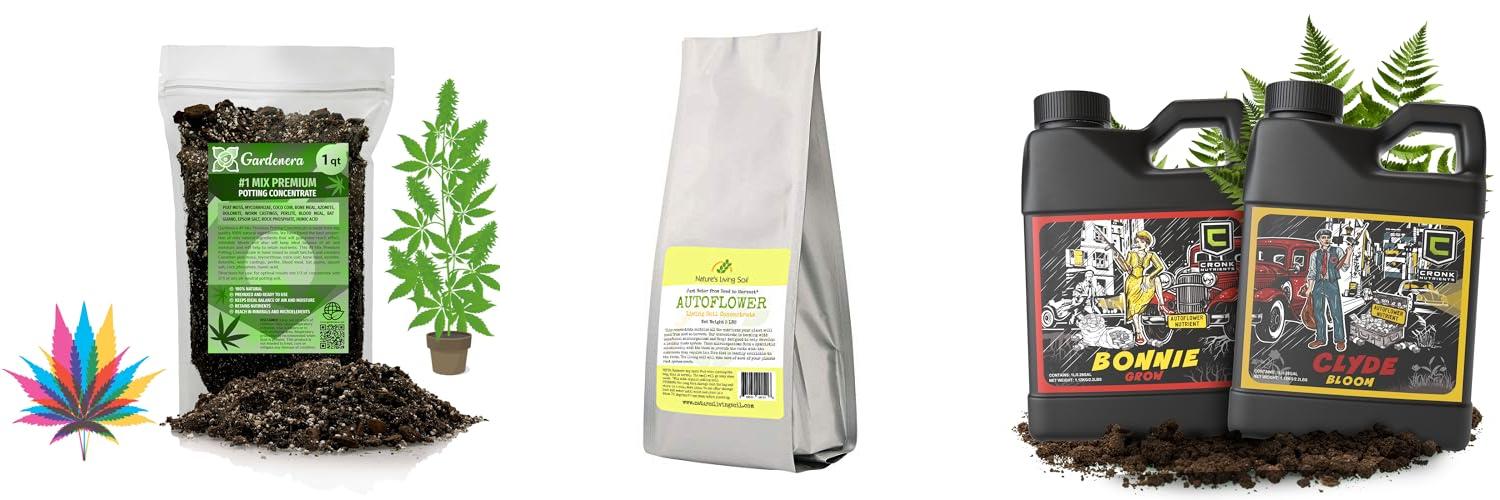
1. Gardenera Organic Autoflower Plants Potting Soil Mix – Perfect Balance of Nutrients

Rating: 9.2/10
Gardenera’s Organic Autoflower Plants Potting Soil Mix is a premium blend designed to give your autoflowering plants the best start. This 1-quart bag is packed with everything your plants need to grow big and strong, whether you’re using pots or hydroponic systems.
What We Like:
- It’s full of good stuff like peat moss and coco coir for holding moisture and letting roots breathe.
- It has mycorrhizae, which are like tiny helpers that make your plant’s roots better at getting food and water.
- Organic bone meal and blood meal give your plants the nutrients they need for healthy growth and beautiful blooms.
- Natural worm castings add even more goodness to the soil.
- It includes Azomite, Dolomite, and Epsom Salt to make sure your plants get all the important minerals they need, keeping the soil pH just right.
- Activated charcoal helps keep the soil clean and improves its structure.
- The mix has perlite and sand for great drainage, so your plants won’t get waterlogged.
- It’s a trusted, innovative mix that expert gardeners love for healthy, productive autoflower plants.
What Could Be Improved:
- The 1-quart size might be too small for larger gardening projects.
- While it has many nutrients, some very experienced growers might want to supplement further depending on their specific plant needs.
This soil mix offers a fantastic foundation for any autoflower grower. It’s a reliable choice for healthier, happier plants.
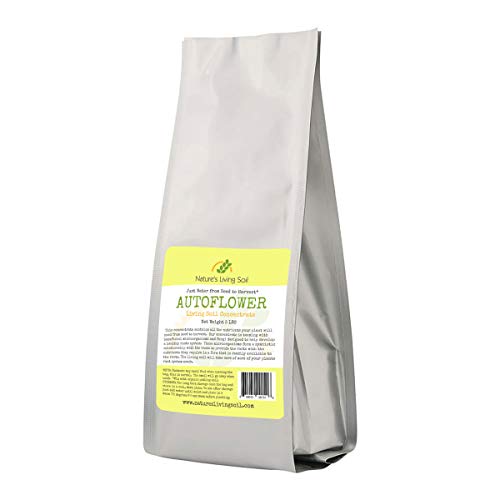
2. Nature’s Living Soil Super Soil Autoflower Concentrate
Rating: 8.8/10
Nature’s Living Soil Super Soil Autoflower Concentrate simplifies growing. It’s a powerful organic super soil mix. You just add your own potting soil. This concentrate provides everything your plants need. It’s designed for autoflowering plants and vegetable gardens. You won’t need to add any other fertilizers or nutrients. Just water your plants from start to finish. The living soil technology does the rest.
What We Like:
- Super concentrated formula saves space and money.
- Just add water from seed to harvest – no extra feeding needed.
- Organic living soil technology feeds plants naturally over time.
- Works great for autoflowering plants and vegetables.
- All-in-one product replaces multiple soil amendments.
What Could Be Improved:
- Requires mixing with existing potting soil, adding an extra step.
- Initial cost might seem high, but it covers a large volume.
This concentrate makes growing easier and more natural. It’s a smart choice for gardeners who want healthy, abundant harvests with less fuss.
3. Cronk Nutrients Bonnie & Clyde Autoflower Nutrients Bloom and Grow – Yield Increasing Autoflower Plants Nutrient Kit – Easy to Use Plant Food – Optimal Formula for Optimal Results

Rating: 9.3/10
The Cronk Nutrients Bonnie & Clyde Autoflower Nutrient Kit is a 500mL solution designed to help your autoflowering plants grow bigger and better. This kit promises to increase your plant yields and promote healthy growth from start to finish. It’s made with a special formula just for autoflowers, making it a great choice for anyone growing these types of plants.
What We Like:
- This nutrient kit is made specifically for autoflowering plants.
- It’s super easy to use; you just add it to your water.
- The formula is designed to help your plants grow healthier and stronger.
- It helps boost the amount of produce you get from your plants.
- It works for many different kinds of autoflowering plant strains.
What Could Be Improved:
- The 500mL size might run out quickly for larger grows.
- More detailed information on specific nutrient ratios for different growth stages could be helpful for advanced growers.
Overall, the Bonnie & Clyde nutrient kit makes growing autoflowers simpler and more rewarding. It’s a solid option for anyone looking to get more from their plants with less hassle.
4. California Super Soil Premium 100% Organic Autoflower Super Soil – 18+ Nutrient Blend – Garden Soil for Indoor Grow Kit – 6Lbs Bag – Grows 2 Plants

Rating: 9.4/10
Grow bigger, healthier plants with the California Super Soil Premium 100% Organic Autoflower Super Soil. This special soil mix is designed for indoor growing and comes in a 6lb bag. It’s packed with over 18 nutrients to give your plants everything they need.
What We Like:
- It’s a one-step solution, meaning you don’t need to add extra nutrients.
- The soil is 100% organic and made to be the perfect growing medium.
- It’s concentrated, so a little goes a long way. You can make up to 30 gallons of living super soil from one 5lb bag.
- It contains active microbes that help plants absorb nutrients better, like phosphorus.
- The living soil technology helps prevent nutrient burn.
- It includes Rapid Rooters to help your plants get started.
What Could Be Improved:
- The bag size is 6lbs, but the description mentions a 5lb bag for the concentrate strength. This could be a little confusing.
- While it says it grows 2 plants, the amount of concentrate can make 30 gallons of soil, which might be enough for more than 2 plants depending on pot size.
This soil makes growing easy and organic. You can trust it to help your plants thrive from start to finish.
5. California Super Soil Organic Autoflower Concentrate (5Lbs)

Rating: 9.2/10
Grow amazing organic plants easily with California Super Soil Organic Autoflower Concentrate. This special soil mix makes your plants super healthy and strong, from the tiny seed all the way to the big harvest.
What We Like:
- It’s a super-premium soil concentrate that plants love.
- You don’t need to add any extra food or worry about your plants.
- It’s a one-step solution for bigger, healthier plants.
- It has active microbes that help plants soak up important nutrients.
- The living soil technology prevents plants from getting too much food (nutrient burn).
- One bag makes a lot of soil, up to 30 gallons!
- It comes with helpful Rapid Rooters to get your plants started.
What Could Be Improved:
- The concentrate needs to be mixed with other soil, so it’s not a ready-to-use soil by itself.
- The instructions for mixing might be a little confusing for brand new gardeners.
California Super Soil takes the guesswork out of growing. It’s an awesome way to get fantastic organic results with less effort.
Choosing the Best Nutrients for Your Autoflower Soil Garden
Autoflowering cannabis plants are amazing! They grow fast and don’t need a special light schedule. But to get the biggest, best buds, they need the right food. This guide helps you pick the perfect nutrients for your autoflower soil.
1. Key Features to Look For in Autoflower Nutrients
When you shop for nutrients, keep these important things in mind:
- NPK Ratio: This stands for Nitrogen (N), Phosphorus (P), and Potassium (K). Autoflowers need different amounts of these at different stages.
- Seedling Stage: They need more Nitrogen for leafy growth.
- Vegetative Stage: Still need good Nitrogen, but Phosphorus and Potassium start becoming more important for strong roots and stems.
- Flowering Stage: This is when they need the most Phosphorus and Potassium for big, dense buds. Nitrogen becomes less important. Look for a balanced NPK that can be adjusted or a multi-part system.
- Micronutrients: These are vitamins and minerals in smaller amounts, like Calcium, Magnesium, Iron, and Zinc. They are super important for plant health and bud development.
- Organic vs. Synthetic:
- Organic nutrients come from natural sources like fish emulsion or bone meal. They feed the soil and the microbes in it. This can lead to healthier soil over time.
- Synthetic nutrients are made in a lab. They are usually faster acting and give you more control over what your plant gets.
- Ease of Use: Some nutrient lines are simple, like a single bottle. Others have several bottles for different stages. If you’re new to growing, a simpler system might be better.
- pH Buffering: Good nutrients help keep your soil’s pH level stable. This lets your plant take up all the food it needs.
2. Important Materials and Ingredients
What’s actually in the nutrients matters!
- Macro-nutrients: These are the big three: Nitrogen (N), Phosphorus (P), and Potassium (K).
- Secondary Nutrients: Calcium (Ca), Magnesium (Mg), and Sulfur (S) are also vital.
- Micronutrients: These include Iron (Fe), Manganese (Mn), Zinc (Zn), Copper (Cu), Boron (B), and Molybdenum (Mo).
- Organic Matter (for organic nutrients): Things like worm castings, kelp meal, and bat guano add nutrients and improve soil structure.
- Chelated Minerals (for synthetic nutrients): This means minerals are bound to other molecules, making them easier for the plant to absorb.
3. Factors That Improve or Reduce Quality
What makes a nutrient good or bad?
- Brand Reputation: Trusted brands often have consistent quality. Read reviews!
- Ingredient Purity: High-quality ingredients mean your plant gets what it needs without harmful fillers.
- Manufacturing Process: How the nutrients are made affects how well plants can use them.
- Storage: Storing nutrients correctly (cool, dark place) keeps them fresh and effective. Old or improperly stored nutrients can lose their power or even become harmful.
- Mixing Accuracy: Using too much or too little nutrient can harm your plant. Always follow the directions carefully. Overfeeding can “burn” your plant’s roots. Underfeeding stunts growth.
4. User Experience and Use Cases
How do people use these nutrients, and what’s the experience like?
- Beginner Growers: Simple, all-in-one nutrient solutions or easy-to-follow multi-part systems are great. They take the guesswork out.
- Experienced Growers: May prefer multi-part systems or even individual nutrient supplements. This gives them fine-tuned control to get the absolute best results.
- Soil Types: Nutrients are designed for soil. They work with the natural environment of the soil to feed your plant.
- Specific Goals: Some growers want the biggest yield, while others focus on the best flavor or aroma. Different nutrient lines can help achieve these goals.
Frequently Asked Questions (FAQ) About Autoflower Nutrients in Soil
Q: What is the best NPK ratio for autoflowers in soil?
A: Autoflowers need different NPK ratios as they grow. Seedlings need more Nitrogen (like 3-1-2). During flowering, they need more Phosphorus and Potassium (like 1-4-5). Many nutrient lines offer different formulas for each stage.
Q: How often should I feed my autoflowers nutrients in soil?
A: It depends on the nutrient brand and your soil. Generally, you feed them with every other watering or once a week. Always check the product instructions. Overfeeding can hurt your plant.
Q: Can I use regular cannabis nutrients for autoflowers?
A: Yes, many regular cannabis nutrients work well. However, autoflowers grow faster and have a shorter life cycle. Nutrient lines specifically made for autoflowers often have formulas that match their rapid growth and flowering needs.
Q: What’s the difference between liquid and powder nutrients for soil?
A: Liquid nutrients are easy to mix with water. Powder nutrients need to be dissolved in water first. Both can be effective, but some growers find liquids simpler.
Q: How do I know if my autoflower is getting too many nutrients?
A: Look for signs like burnt leaf tips (brown or yellow edges), dark green leaves, or wilting. This is called nutrient burn. If you see this, stop feeding for a while and flush the soil with plain water.
Q: Can I use compost tea as a nutrient source for autoflowers?
A: Yes! Compost tea is a fantastic organic nutrient source. It feeds your plant and also adds beneficial microbes to your soil, which helps your plant absorb nutrients better.
Q: Do I need to adjust the pH of my nutrient solution?
A: Yes, it’s very important. Most autoflowers in soil prefer a pH between 6.0 and 7.0. Check the pH of your water and nutrient mix before feeding. This helps your plant absorb all the food it needs.
Q: How long do nutrients for autoflowers typically last?
A: Liquid nutrients usually last for a year or two if stored properly. Powdered nutrients can last much longer, sometimes for several years, if kept dry and sealed.
Q: Can I mix different nutrient brands together?
A: It’s generally not recommended to mix different brands of nutrients. They might have conflicting ingredients or ratios that can harm your plant or create nutrient lockout.
Q: What are the signs of nutrient deficiency in autoflowers?
A: Deficiencies show up as yellowing leaves (often starting at the bottom), stunted growth, or weird spots on the leaves. Each nutrient deficiency looks a little different, so research is key!
In conclusion, every product has unique features and benefits. We hope this review helps you decide if it meets your needs. An informed choice ensures the best experience.
If you have any questions or feedback, please share them in the comments. Your input helps everyone. Thank you for reading.