
Imagine your favorite wooden cutting board, stained from berries and dry from use. It’s a sad sight, right? A beautiful cutting board needs good care to stay that way. But when it comes to picking the best oil, it can feel like a confusing maze. Should you use mineral oil? What about beeswax? The wrong oil can make your board look oily or even go bad.
Choosing the right oil is super important. It keeps your cutting board from drying out, cracking, and getting gross bacteria. It also makes your food taste better because it prevents flavors from sticking. This post will help you figure out exactly what you need to know. We’ll break down the best oils and show you how to use them to make your cutting board look amazing and last for years. Get ready to discover the secrets to a healthy, happy cutting board!
Our Top 5 Oil For Cutting Boards Recommendations at a Glance
Top 5 Oil For Cutting Boards Detailed Reviews
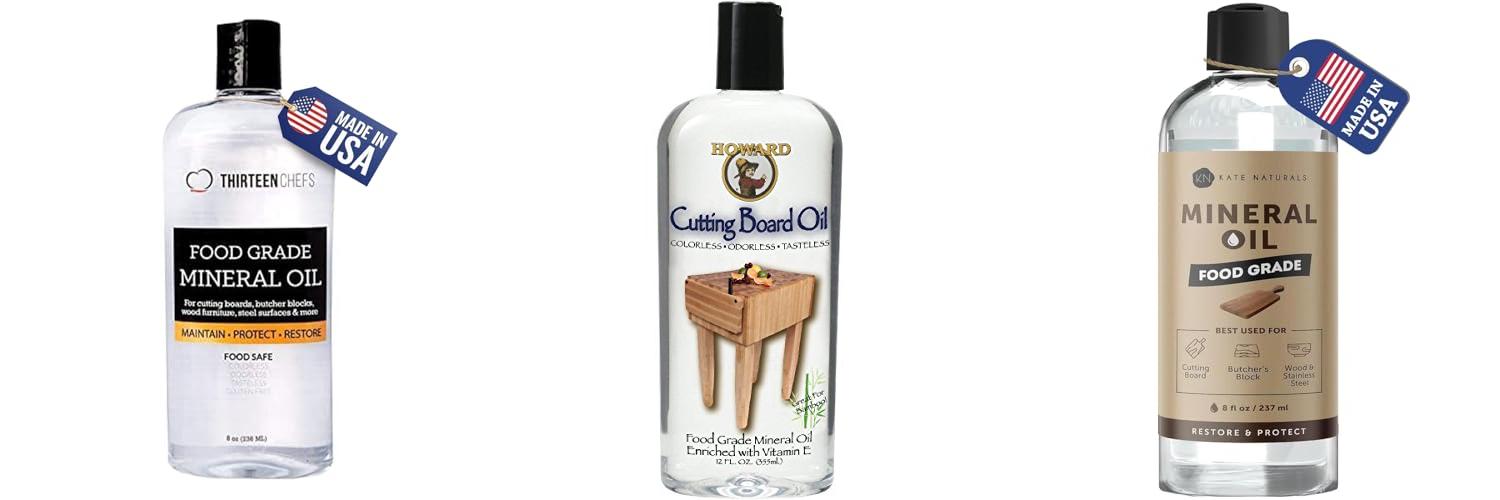
1. Thirteen Chefs Mineral Oil – 8 oz Food Grade Conditioner for Wood Cutting Board

Rating: 8.7/10
Keep your wooden kitchen essentials looking and performing their best with Thirteen Chefs Mineral Oil. This 8 oz bottle offers a food-grade solution for conditioning cutting boards, countertops, and butcher blocks. It also works wonders as a lubricant for knives and meat grinders, and it’s safe to use on marble and soapstone surfaces.
What We Like:
- It’s food grade and lab-tested, so it’s safe to use around food.
- The oil is colorless, odorless, and tasteless, so it won’t change the taste of your food.
- It protects wood from drying and cracking, extending the life of your cutting boards and blocks.
- It helps restore knives and kitchen appliances.
- The easy-squeeze bottle with a push-applicator cap makes applying the oil simple.
- A little goes a long way; one bottle can last for years.
- It’s made in the USA with pure, food-grade mineral oil.
What Could Be Improved:
- The recommended sitting time of 4 hours might be a bit long for some busy kitchens.
- While effective, the 1 oz treatment every 3 months might require a bit of remembering.
This Thirteen Chefs Mineral Oil is a fantastic, easy-to-use product that truly protects and revitalizes your wooden kitchen tools. Invest in this quality conditioner to keep your kitchen surfaces and tools in top shape for years to come.
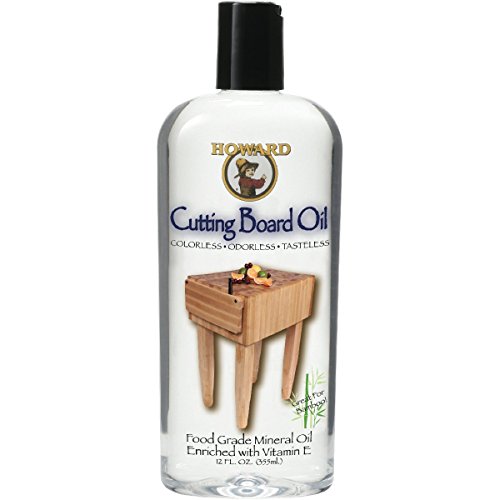
2. Howard Products Food Grade Mineral Oil for Wood Cutting Board – 12 oz
Rating: 8.6/10
Keep your wooden cutting boards and kitchenware looking their best with Howard Products Food Grade Mineral Oil. This 12 oz bottle is packed with pure, food-grade mineral oil that’s safe for all your food prep surfaces.
What We Like:
- It’s 100% pure and food-grade, meaning it’s safe to use around food. It doesn’t have any taste, smell, or color.
- This oil sinks deep into the wood. It makes the wood color richer and helps stop it from drying out or getting cracks.
- You can use it on many wooden items. This includes cutting boards, butcher blocks, bamboo boards, wooden countertops, bowls, and utensils.
- It has Vitamin E added. This meets high standards for food-grade oils and helps condition your cutting boards.
- It’s great for new wood items or for keeping older ones in good shape. It works for both the first seasoning and regular maintenance.
What Could Be Improved:
- The 12 oz size might not be enough for very large butcher blocks or if you have many wooden items to oil regularly. A larger size option could be beneficial.
- While versatile, it’s primarily for wood. It won’t be effective on plastic or metal kitchenware.
This Howard Products mineral oil is an excellent choice for protecting and enhancing your wooden kitchen tools. It’s a simple way to ensure your cutting boards stay beautiful and functional for years to come.
3. Kate Naturals Mineral Oil for Wood Cutting Board

Rating: 9.4/10
The Kate Naturals Mineral Oil is a versatile, food-safe product designed to protect and enhance your wooden kitchen tools and surfaces. This 8oz bottle contains high-quality, USP-grade mineral oil that is perfect for conditioning cutting boards, butcher blocks, and even wooden utensils. It’s also safe for use on stainless steel blades and other surfaces like soapstone and marble. Beyond the kitchen, this gentle oil can be used for personal care, helping to moisturize and soften your skin.
What We Like:
- It’s food-safe and perfect for protecting your cutting boards and butcher blocks.
- The oil is unscented, colorless, and tasteless, so it won’t affect your food.
- It helps prevent wood from cracking and protects metal from rust.
- The lightweight formula is also great for skin and personal care.
- Kate Naturals offers a satisfaction guarantee.
What Could Be Improved:
- Some users might prefer a larger size option for frequent use.
- While versatile, it’s primarily marketed for wood and metal care.
This mineral oil is a solid choice for anyone looking to maintain their wooden kitchenware and more. It offers excellent protection and a smooth finish, making your tools look and feel their best.
4. Howard Products Butcher Block Conditioner and Oil Food Grade – 12 Fl Oz – Butcher Block Oil Food Grade for Enhanced Wood Care

Rating: 8.9/10
Keep your wooden kitchen items looking their best with Howard Products Butcher Block Conditioner and Oil. This 12 fl oz bottle is packed with food-grade ingredients to protect and nourish your cutting boards, salad bowls, and utensils.
What We Like:
- It uses food-friendly ingredients that are safe for your kitchenware.
- It stops wood from drying out and cracking, keeping your items strong.
- Natural waxes add an extra layer of protection and seal out moisture.
- It works on many wooden items, not just cutting boards.
- Using it after washing helps keep your wood looking beautiful.
What Could Be Improved:
- The 12 fl oz size might run out quickly for very heavy users.
- Some users might prefer a product with a scent.
This conditioner is a simple way to care for your wood. It helps your kitchen tools last longer and look great.
5. CLARK’S Cutting Board Oil – Food Grade Mineral Oil for Cutting Board – Enriched with Lemon and Orange Oils – Butcher Block Oil and Conditioner – Mineral Oil – Restores and Protects All Wood – 12oz

Rating: 8.6/10
Keeping your wooden cutting boards and butcher blocks in top shape is easy with CLARK’S Cutting Board Oil. This food-grade mineral oil is specially made to protect and restore all your wood surfaces. It’s not just about protection; it also adds a lovely touch of natural freshness to your kitchen.
What We Like:
- It deeply nourishes and conditions wood, preventing it from drying out and cracking.
- The oil is food-grade, meaning it’s safe to use on surfaces that come into contact with food.
- It leaves a protective barrier that helps prevent stains and makes cleaning easier.
- The blend of lemon and orange essential oils provides a DELIGHTFUL FRESH SCENT that isn’t too strong.
- It’s easy to apply and quickly absorbed by the wood.
- It restores the natural beauty and color of your wood items.
What Could Be Improved:
- While the scent is light, some users might prefer an unscented option for their kitchen.
- The 12oz bottle is a good size, but for very large butcher blocks, frequent users might wish for a larger size.
CLARK’S Cutting Board Oil is a fantastic way to care for your wooden kitchen tools. It offers excellent protection and a pleasant aroma, making your cooking experience even better.
Choosing the Best Oil for Your Cutting Board
Your cutting board is a workhorse in your kitchen. It protects your countertops and keeps your knives sharp. But to keep it looking great and lasting for years, you need to oil it regularly. This guide will help you pick the perfect oil for your cutting board.
Key Features to Look For
When you’re shopping for cutting board oil, keep these important features in mind:
- Food Safe: This is the most important thing. The oil will touch your food, so it must be safe to eat.
- Doesn’t Go Rancid: Some oils can spoil and smell bad. You want an oil that stays fresh.
- Penetrates Well: The oil should soak into the wood to protect it from moisture and stains.
- Leaves a Nice Finish: A good oil will make your cutting board look smooth and rich.
- Easy to Apply: You don’t want a messy or complicated process.
Important Materials to Consider
The type of oil is crucial. Here are the most common and best materials:
Mineral Oil
Food-grade mineral oil is a popular choice. It’s very safe and doesn’t go rancid. It’s also inexpensive and easy to find. It soaks into the wood well and protects it from water. Mineral oil is a great all-around option for most cutting boards.
Beeswax Blends
Many cutting board oils are a mix of mineral oil and beeswax. The beeswax adds an extra layer of protection. It makes the surface more water-resistant. It also gives the board a nice sheen. These blends are excellent for keeping your board looking its best.
Tung Oil (Pure, Food-Grade)
Pure tung oil is a natural option. It’s made from the nut of the tung tree. It creates a very durable and waterproof finish. However, make sure it’s 100% pure and food-grade. Some tung oils have added chemicals that are not safe for food.
Walnut Oil
Walnut oil is another natural choice. It penetrates the wood well and dries to a hard finish. It smells nice, too. However, some people have nut allergies. If you or your family have nut allergies, it’s best to avoid walnut oil.
Factors That Improve or Reduce Quality
What makes a cutting board oil great or not so great?
What Improves Quality:
- Purity: The cleaner the oil, the better. Look for “food-grade” or “100% pure.”
- Light Color: Lighter oils won’t darken your wood as much.
- No Added Fragrances or Dyes: These are unnecessary and can sometimes cause issues.
- Proper Packaging: Dark bottles help protect the oil from light, which can degrade it.
What Reduces Quality:
- Vegetable Oils (Olive Oil, Canola Oil): These oils can go rancid over time. They will smell bad and can leave sticky residue on your board.
- Additives: Avoid oils with added chemicals or varnishes unless they are specifically made for cutting boards and are food-safe.
- Low-Quality Mineral Oil: Make sure it’s specifically labeled as “food-grade.”
User Experience and Use Cases
Using cutting board oil is simple. You apply it to a clean, dry board. Let it soak in, then wipe off any extra. Regular oiling keeps your board from drying out, cracking, and absorbing stains or odors.
- Daily Use: A quick wipe down with mineral oil after cleaning keeps your board in good shape for everyday chopping.
- Restoring Old Boards: If your board looks dry and dull, a good oiling session can bring it back to life.
- Protecting Against Stains: Oiling helps create a barrier that stops juices from fruits, vegetables, and meats from soaking into the wood.
- For All Wood Types: Most good cutting board oils work well on different types of wood, like maple, walnut, or bamboo.
Frequently Asked Questions About Cutting Board Oil
Q: What is the best type of oil for a cutting board?
A: Food-grade mineral oil is a top choice because it’s safe, doesn’t go rancid, and is easy to use. Beeswax blends offer extra protection.
Q: Can I use olive oil on my cutting board?
A: It’s not recommended. Olive oil can go rancid, which means it will smell bad and leave a sticky residue on your cutting board.
Q: How often should I oil my cutting board?
A: You should oil your cutting board at least once a month. If you notice it looks dry, oil it more often.
Q: Do I need to use a special oil for cutting boards?
A: Yes, it’s best to use oil specifically made for cutting boards or food-grade mineral oil. These are safe for contact with food and won’t spoil.
Q: Will oiling my cutting board make it dark?
A: Most oils will slightly darken the wood, giving it a richer color. Lighter oils like mineral oil cause less darkening than some other types.
Q: Can I use coconut oil on my cutting board?
A: Refined coconut oil is sometimes used, but unrefined coconut oil can go rancid. Mineral oil is generally a safer and more reliable choice.
Q: What happens if I don’t oil my cutting board?
A: Your cutting board can dry out, crack, warp, and become more likely to stain and absorb odors. Oiling keeps it strong and clean.
Q: How do I apply cutting board oil?
A: Make sure your board is clean and dry. Pour a generous amount of oil onto the board and spread it around with a clean cloth or paper towel. Let it soak in for at least 15-30 minutes, then wipe away any excess oil.
Q: Can I use cooking oils like vegetable or canola oil?
A: No, these cooking oils will eventually go rancid and make your cutting board smell bad. Stick to food-grade mineral oil or specialized cutting board oils.
Q: What’s the difference between cutting board oil and wood conditioner?
A: Cutting board oil is usually just oil (like mineral oil) to penetrate and protect. Wood conditioner often has waxes (like beeswax) mixed in, which add a protective layer on top of the wood.
In conclusion, every product has unique features and benefits. We hope this review helps you decide if it meets your needs. An informed choice ensures the best experience.
If you have any questions or feedback, please share them in the comments. Your input helps everyone. Thank you for reading.